
Selecting the ideal Lakshmi idol requires balancing the intimate, space-conscious needs of daily home worship with the grand, celebratory focus of Diwali puja. For daily devotion, a compact, stable, and easily cleanable idol ensures seamless integration into your regular routine without cluttering your home altar. Conversely, a Diwali puja often calls for a more prominent, ornate centerpiece that commands attention during festive gatherings.
By evaluating your physical space, traditional preferences, and maintenance habits, you can select an idol that serves both daily spiritual practices and festive celebrations beautifully. Taking the time to measure your altar and understand the structural limits of your shelving will prevent safety hazards and ensure a harmonious setup.
Assessing Your Altar Space and Worship Needs
Before purchasing a Lakshmi idol, precise physical measurements of your designated worship space are essential. Whether your altar is a dedicated wooden mandir, a wall-mounted floating shelf, or a temporary festive table, you must measure the exact height, width, and depth available. Be sure to account for vertical clearance, especially if your altar has low hanging shelves or decorative domes.
Products mentioned in this guide
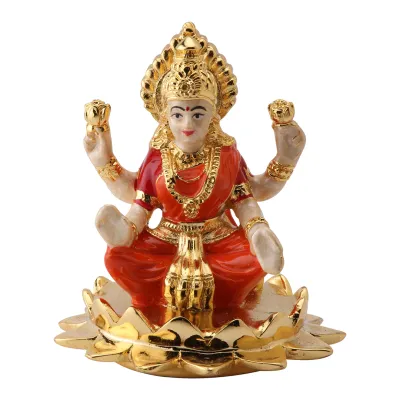
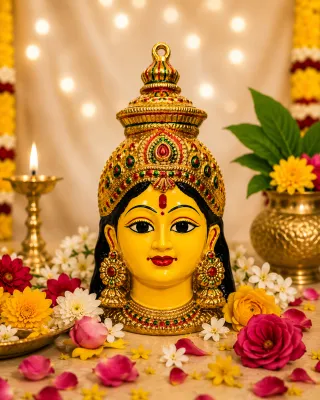
Prices are valid at publication and may change. Please refer to the product page for the latest price.
A common mistake is selecting an idol that fits the height but leaves no room for overhead clearance, making daily rituals awkward or unsafe. You should also measure the depth of the shelf to ensure the idol’s base does not sit too close to the edge, where it could easily be knocked over.
The spatial requirements of a permanent daily setup differ significantly from a temporary festive arrangement. Daily altars typically house multiple deities, oil lamps, and incense holders, requiring a compact layout where each item has its own designated spot. During Diwali, however, you might temporarily expand your worship area onto a larger table or console to accommodate elaborate offerings, sweet platters, and decorative floral arrangements.
Visual proportion is key to creating a harmonious altar. An oversized idol can crowd out essential ritual items like diyas, a kalash (sacred pot), and bell holders, creating a cluttered look and increasing the risk of accidental fire hazards from nearby flames. Conversely, an excessively small idol may get lost visually among larger decorative elements. Aim for a balanced ratio where the idol remains the clear focal point while leaving ample breathing room for safe ritual practices.
Sizing and Setup for Daily Home Worship
For daily home worship, prioritizing small to medium-sized Lakshmi idols is highly practical. Idols ranging from 5 to 12 centimeters in height are generally ideal for standard home altars, as they are easy to handle during daily cleaning, dusting, or flower offerings. A smaller size also ensures that the idol does not dominate a multi-deity altar, allowing for a balanced representation of all family deities.

Physical stability is another critical factor, particularly for narrow or tiered shelving common in modern apartments. Ensure the idol features a wide, flat, and weighted base that prevents tipping when the altar is bumped or during routine dusting. Top-heavy designs or those with narrow, uneven bases pose a constant risk of falling, which can damage the idol or surrounding items.
You must also match the material weight of the idol with the load-bearing capacity of your altar structure. Lightweight materials like resin, wood, or hollow brass are excellent for wall-mounted floating shelves, which may have strict weight limits. Heavier, solid metal castings or stone idols are better suited for sturdy, floor-standing wooden mandirs or solid countertops. Always check the manufacturer’s specifications or use a simple home scale to verify that your shelf can safely support the combined weight of the idol and all accompanying ritual accessories.
Sizing and Arrangement for Diwali Puja
Diwali puja is a grand, celebratory event where the Lakshmi idol serves as the primary visual and spiritual focal point. For this occasion, many households opt for a larger, more ornate idol, typically ranging from 15 to 25 centimeters in height, to create a sense of festive grandeur. This larger scale ensures the deity is clearly visible to family members and guests gathered around the altar, even from a distance.
When arranging your festive altar, traditional customs dictate pairing the Lakshmi idol with a Ganesha idol. To maintain visual harmony, select pair figures that share a similar design style, material finish, and size ratio. Traditionally, the Ganesha idol is placed to the left of the Lakshmi idol (from the worshipper’s perspective), and both should be of comparable height to reflect their equal importance during the ceremony. Ensure there is sufficient spacing between the two figures to place small offerings, such as coins or flowers, without crowding.
If you are setting up a temporary display table for Diwali, assess its structural stability and height carefully. Temporary tables must be sturdy enough to support the weight of larger metal or clay idols, heavy brass lamps, and water-filled kalash pots. Position the table against a solid wall to prevent wobbling, and ensure the height allows all participants to view the deities comfortably while seated on the floor or on low stools during the prayers.
Matching Poses and Elements to Your Traditions
The posture of the Lakshmi idol carries deep symbolic meaning and influences the physical footprint on your altar. Seated postures, such as the classic Padmasana (lotus pose), are highly favored for home worship as they symbolize stable, enduring prosperity. Seated idols generally have a wider, more stable base, making them easier to place securely on flat surfaces. Standing poses, while elegant, often require a deeper or taller niche and are traditionally associated with movement, which some families prefer to reserve for business places rather than domestic settings.
Accompanying elements also vary based on regional and family traditions. Some idols depict Goddess Lakshmi holding lotus buds, with gold coins cascading from her hand into a bowl, symbolizing abundance. Others feature her flanked by elephants or integrated into a single base with Lord Ganesha and Goddess Saraswati. Review your family’s specific traditions to determine which iconographic elements are most appropriate for your household.
Before finalizing your choice, inspect the surface detailing and structural integrity of the idol. Look for clean casting lines, well-defined facial features, and high-quality paint or polish that will not flake or tarnish easily. If choosing a painted clay or resin idol, verify that the pigments used are non-toxic and durable. A well-crafted idol not only honors your devotional practices but also serves as a beautiful piece of art that endures for generations.
Maximizing One Idol for Both Daily and Festive Use
If you prefer to worship a single, versatile Lakshmi idol year-round rather than storing a separate festive piece, select a medium-sized, classic design. An idol of approximately 10 to 15 centimeters in height strikes the perfect balance—it is compact enough to sit comfortably on a daily altar without overwhelming the space, yet substantial enough to serve as a dignified centerpiece during Diwali.
To elevate a single idol for festive occasions, you can use creative styling and temporary decorative elements. During Diwali, place the idol on a small wooden pedestal (chowki) or a decorative brass plate to increase its visual height and prominence. Surround the base with fresh flower garlands, vibrant rangoli patterns, and small clay diyas to draw the eye toward the deity, instantly transforming a simple daily setup into a festive focal point.
When using one idol for both daily and seasonal rituals, material durability is paramount. Solid brass, bronze, or high-quality stone are excellent choices, as they can withstand frequent handling, deeper seasonal cleaning, and the occasional application of ritual pastes or water. Avoid delicate, highly painted plaster or low-grade clay if you plan to move, wash, or decorate the idol extensively throughout the year.
Frequently Asked Questions (FAQ)
Is a standing Lakshmi idol suitable for a home altar?
While seated postures are more common in residential settings to symbolize stable wealth, standing Lakshmi idols are entirely suitable if they align with your family’s specific traditions. Some regional customs embrace the standing posture, viewing it as a representation of active, flowing grace. Ultimately, personal devotion, family heritage, and the physical dimensions of your altar should guide your decision. If you choose a standing idol, ensure its base is sufficiently wide and heavy to prevent tipping on your shelf.
What is the safest way to clean different idol materials?
To maintain the beauty of your Lakshmi idol, use a soft, dry, or slightly damp microfiber cloth for routine dusting. For solid brass or copper idols, you can use a mild, non-abrasive metal polish or a traditional paste of tamarind and water, ensuring you rinse and dry the piece thoroughly afterward to prevent water spots. Avoid harsh chemical cleaners, abrasive scrubbing pads, or soaking painted resin and clay idols, as these can strip away delicate finishes and pigments. Always refer to the manufacturer’s specific care instructions for unique or mixed-material pieces.
Community discussion
Share your experience or ask a question. Comments are reviewed before publication.