
Choosing the right lamp stand for your living room depends on how you use the space throughout the day. A single overhead light rarely satisfies the diverse demands of reading, entertaining guests, and winding down after a busy day. By matching specific floor lamp designs—such as focused task lights, sweeping arc lamps, or upward-facing torchieres—to your daily routines, you can transform your living area into a highly functional, inviting environment. Balancing these choices requires looking at both the physical design of the fixture and its technical specifications to ensure it fits your home safely and beautifully.
Understanding Lighting Needs for Different Living Room Activities
Every activity in the living room requires a distinct quality of light to feel comfortable and functional. Reading, for instance, demands focused task lighting that directs illumination precisely onto your book, tablet, or e-reader. This targeted beam must be bright enough to prevent eye strain but positioned carefully to avoid harsh glare on pages or screens. Without dedicated task lighting, reading under general overhead fixtures often leads to squinting, shadow interference, and rapid eye fatigue.
Entertaining guests, on the other hand, relies on ambient lighting that is even, warm, and highly adjustable. When hosting friends or family, the goal is to create a welcoming, social atmosphere where everyone is visible without being subjected to harsh, clinical glare. Adjustable or dimmable ambient light allows you to transition the mood easily as the evening progresses, keeping the environment relaxed, conversational, and comfortable for long periods.
Products mentioned in this guide
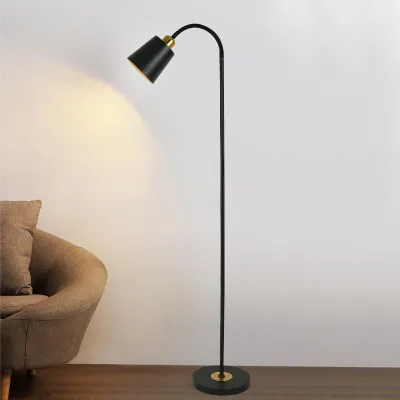
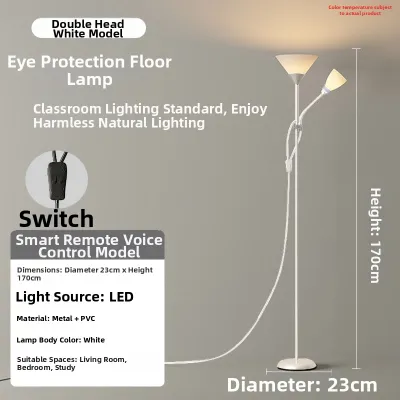
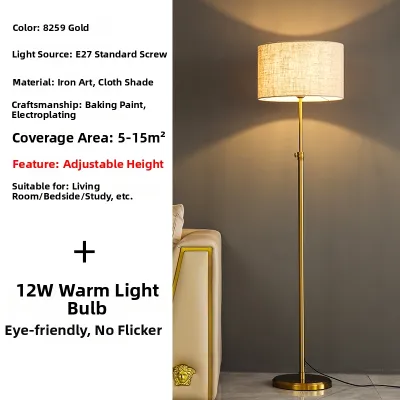
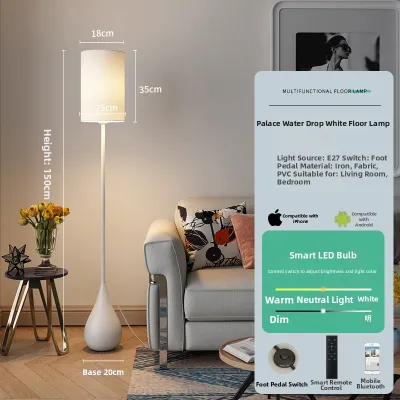
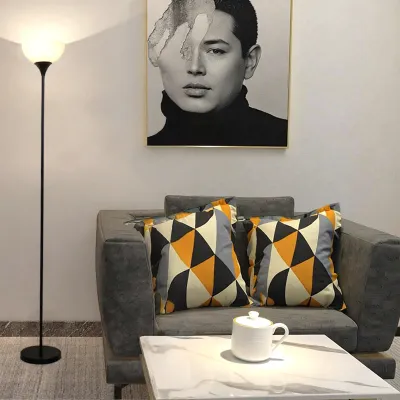
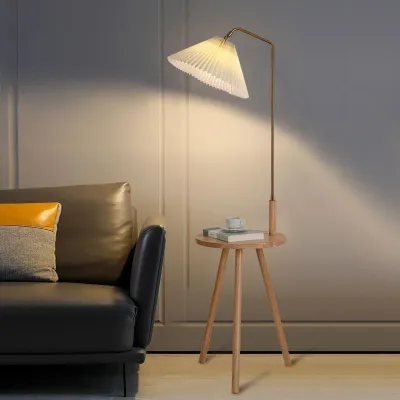
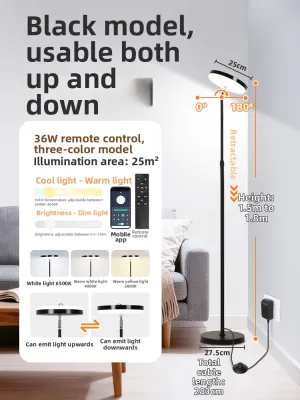
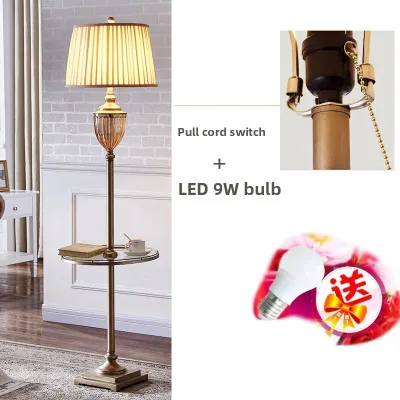
Prices are valid at publication and may change. Please refer to the product page for the latest price.
Relaxing at the end of the day calls for a completely different approach, emphasizing soft, warm-toned illumination. Lower light levels help signal to the brain that it is time to wind down, promoting a sense of calm and preparing your body for rest. Minimizing blue light exposure and using indirect sources that bounce light off walls or ceilings can significantly reduce sensory overload, helping you decompress after a demanding day.
Matching Lamp Stand Types to Your Primary Activities
To meet these diverse needs, different lamp stand designs offer specialized lighting patterns. Reading lamps, often designed with adjustable goosenecks or articulated arms, are engineered specifically for task lighting. These fixtures allow you to position the light source directly over your shoulder or next to your armchair, ensuring the beam lands exactly where you need it. Their adjustable heights and heads make them highly customizable for individual seating setups, keeping the light focused and glare-free.

Arc lamps feature a long, curved arm that extends outward from a heavy base, providing broad overhead illumination without requiring a ceiling outlet. This design is ideal for positioning over a central coffee table or a sectional sofa, casting light downward over a wide seating area. Because the base can sit tucked away in a corner while the light hangs overhead, arc lamps offer an elegant solution for open-plan living spaces that need central illumination.
Torchiere lamps direct their light upward toward the ceiling, where it bounces back down as a soft, diffuse glow. This indirect lighting method is excellent for general ambient illumination, as it eliminates direct glare and distributes light evenly across the room. Torchieres are particularly useful during social gatherings or movie nights when you want enough light to navigate the room safely without ruining the cozy atmosphere.
Multi-way or tree lamps feature multiple adjustable heads on a single pole, offering a versatile hybrid solution for multi-use living rooms. You can point one head downward to serve as a reading light, while angling the others toward the walls or ceiling to provide ambient warmth. This adaptability makes them an excellent choice for compact homes where a single corner must serve several different functions throughout the day.
Key Specifications to Check Before Buying
Before purchasing a new lamp stand, verifying technical and physical specifications is essential for safety and compatibility. In Singapore, the standard domestic electrical supply is 230V at 50Hz, and appliances typically require a Type G three-pin plug. Ensure any imported fixture matches these electrical standards and carries the appropriate safety certifications for peace of mind. Additionally, check the bulb socket type—such as E27 or E14—to ensure you can easily source replacement bulbs locally.
Physical dimensions require careful measurement to avoid crowding your living room. Measure the base diameter to ensure it fits comfortably behind or beside your furniture without obstructing walkways. Take note of the total height and, for arc lamps, the horizontal reach of the arm to prevent the fixture from hanging too low or colliding with overhead fans. In compact apartments, a slim profile with a compact footprint is often necessary to maintain a clean, spacious feel.
Control options are equally important for managing the ambiance of your space. Check whether the lamp stand features built-in dimming capabilities or if it is compatible with smart bulbs, which allow you to adjust brightness and color temperature via an app or remote. Some modern fixtures come with integrated LED modules that offer step-dimming, while others rely on traditional inline foot switches that only support simple on-and-off functions.
Physical stability is a critical safety consideration, particularly in active households with children or pets. Look for models with a heavy, weighted base made of materials like marble, steel, or dense iron to lower the center of gravity. Check the manufacturer’s specifications for anti-tip designs or maximum tilt angles, and ensure the lamp will sit on a completely flat, stable surface to prevent accidental tipping.
Placement and Styling Tips for Living Room Ambiance
Proper placement of your lamp stand maximizes both its functional utility and its aesthetic appeal. Position task lights slightly behind and to the side of your favorite reading chair to prevent shadows from falling across your book. When placing any light source near a television, test the angles carefully to ensure the bulb does not create distracting reflections or glare on the screen, which can quickly cause eye fatigue.
Creating visual depth in your living room involves layering different light sources rather than relying on a single fixture. Combine your floor lamp with existing ceiling downlights, wall sconces, or small table lamps to balance the illumination across different heights. This layered approach allows you to turn off bright overhead lights in the evening and rely solely on lower-level lamps to establish a cozy, intimate mood.
Practical cable management is essential for maintaining a clean look and preventing tripping hazards. Plan your furniture layout so that the lamp stand sits close to a wall outlet, minimizing the amount of exposed cord running across the floor. For cords that must cross a walkway, use low-profile cable covers or secure them along the baseboards using adhesive clips to keep your living space safe and tidy.
Frequently Asked Questions (FAQ)
Can one lamp stand work for both reading and relaxing?
Yes, a single lamp stand can easily serve both purposes if you choose a model with adjustable features. Look for fixtures equipped with built-in dimmers or those compatible with smart bulbs, allowing you to switch from bright, cool light for reading to a dim, warm glow for relaxing. Alternatively, some torchiere models include a secondary, flexible reading arm on the side, providing dedicated task lighting and soft ambient light in a single unit.
How do I prevent a floor lamp from tipping over?
To prevent a floor lamp from tipping, always verify that the base is sufficiently heavy and placed on a flat, level surface. Avoid placing tall or top-heavy lamps on thick, plush rugs or uneven flooring where they can easily wobble. Position the fixture in low-traffic areas, such as tucked behind an armchair or in a corner, to minimize the risk of accidental bumps from family members or pets.
Community discussion
Share your experience or ask a question. Comments are reviewed before publication.