
Selecting the ideal large picture frame requires a thoughtful balance between the artwork’s visual characteristics and the architectural style of your living space. A well-chosen frame does not merely hold a print; it acts as a structural and aesthetic bridge, translating the colors, textures, and lines of your interior design theme onto the wall. By matching the frame’s material, profile thickness, and matting style to your room’s existing decor—whether it is the clean simplicity of Scandinavian design, the raw textures of an industrial loft, or the refined elegance of a traditional home—you can transform a simple wall hanging into a commanding focal point that elevates the entire room.
To achieve a cohesive look, you must evaluate how the frame’s physical presence interacts with your furniture, wall dimensions, and lighting. An oversized frame can easily dominate a room, meaning its style must be selected with deliberate intent. Understanding the interplay between frame profiles, materials, and the surrounding environment ensures that your wall decor feels integrated rather than cluttered.
Understanding Frame Styles and Interior Design Themes
Every room possesses a distinct visual language defined by its dominant colors, textures, and architectural lines. Before selecting a large picture frame, take a close look at the existing elements in your space. If your room features clean, straight lines and neutral tones, a highly ornate frame will likely clash with the environment. Conversely, a ultra-modern, thin metal frame might look lost or out of place in a room filled with heavy, antique wood furniture and warm, textured fabrics.
Products mentioned in this guide
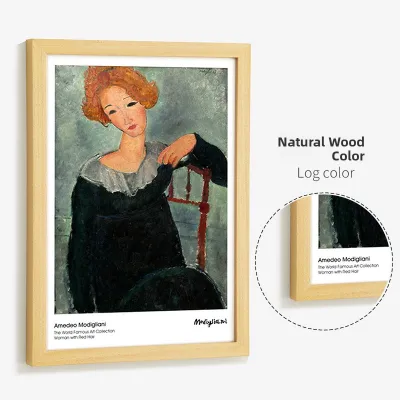
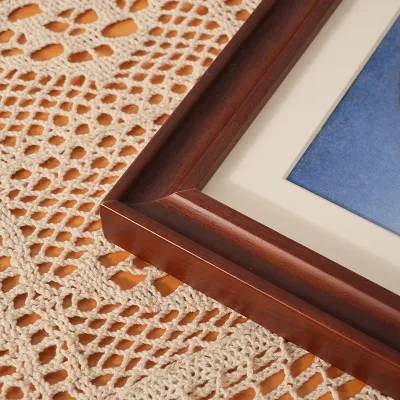
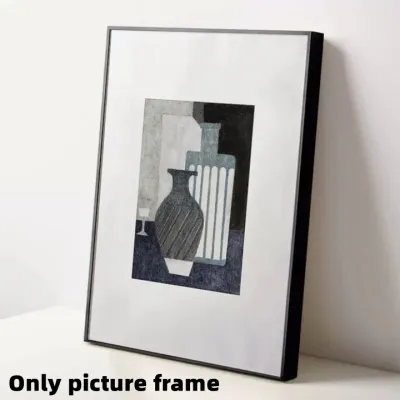

Prices are valid at publication and may change. Please refer to the product page for the latest price.
Frame profiles—the shape of the frame’s front face when viewed from the side—come in several distinct styles that influence their visual weight. Flat profiles offer a clean, contemporary look that keeps the focus entirely on the artwork. Beveled or scooped profiles draw the eye inward toward the image, adding a sense of depth and classical structure. The finish of the frame, whether it is matte, satin, high-gloss, or raw wood, also dictates how it catches the light and interacts with other surfaces in the room.
Matting is another critical design element that alters the visual weight of a large picture frame. A mat board is the cardboard border that surrounds the artwork inside the frame. A wide mat board creates breathing room, making the artwork feel more prestigious and gallery-like, while a full-bleed presentation—where the artwork extends all the way to the edge of the frame without a mat—creates a bold, immediate impact. Balancing these elements allows you to align the frame’s visual weight with the overall scale and aesthetic of your room.
Matching Large Picture Frames to Specific Design Themes
Different interior design themes call for specific framing treatments to maintain visual harmony. The thickness of the frame profile and the style of the matting can completely alter how a piece of art is perceived within a themed space. By selecting materials and colors that echo the design principles of your specific theme, you create a unified environment where the wall decor feels like a natural extension of the architecture.

Minimalist and Scandinavian Spaces
Minimalist and Scandinavian interiors prioritize light, simplicity, and functional beauty. For these spaces, the goal is to select clean, unobtrusive frames that enhance the natural light and airy feel of the room. Thin, low-profile frames are highly effective here, as they protect the artwork without adding unnecessary visual clutter to the walls.
Light-colored natural woods, such as ash, maple, or pale oak, are excellent choices that complement the organic textures common in Scandinavian design. Matte black and matte white finishes also work exceptionally well, providing sharp, clean boundaries that define the artwork. To emphasize the sense of calm and spaciousness, pair these frames with extra-wide white or off-white matting, which isolates the image and gives it room to breathe.
Avoid frames with ornate carvings, heavy plaster details, or high-gloss finishes that create distracting reflections. In a minimalist setting, glare can disrupt the clean lines of the room, so opting for anti-reflective glazing can help maintain a serene, museum-like atmosphere.
Industrial and Urban Loft Spaces
Industrial design celebrates raw, unpolished materials, exposed structural elements, and utilitarian functionality. To complement this aesthetic, large picture frames should look robust, structural, and slightly weathered. This is an environment where the frame can showcase its construction rather than hiding it.
Dark metals, such as gunmetal gray, brushed aluminum, or raw steel, fit naturally against exposed brick or concrete walls. Distressed wood frames with visible grain, knots, or a reclaimed timber appearance also coordinate beautifully with industrial furniture. You can opt for thicker frame profiles that feature visible hardware, such as corner brackets, rivets, or exposed screws, to emphasize the mechanical, hand-crafted feel of the space.
For the artwork itself, consider full-bleed prints or canvas wraps that eliminate the mat board entirely. This raw, edge-to-edge presentation matches the unpretentious, straightforward nature of urban loft styling. If you do use a mat, a dark gray or charcoal mat board can provide a moody, cohesive alternative to traditional white.
Traditional and Classic Interiors
Traditional and classic interiors rely on symmetry, warmth, rich textures, and historical reference. In these spaces, frames are expected to be substantial, elegant, and decorative, serving as a key element of the room’s luxury. The frame should feel like an heirloom piece that adds architectural interest to the wall.
Rich, dark wood tones like mahogany, walnut, or cherry bring warmth and coordinate seamlessly with classic furniture and crown moldings. Metallic leafing in antique gold, bronze, or champagne silver adds a touch of sophistication and catches ambient light beautifully. Look for frames with subtle ornate detailing, such as beaded edges, fluted profiles, or delicate scrollwork, which add texture without becoming overly gaudy.
To create a formal, gallery-like presence, utilize deeper frame profiles paired with layered or double matting. A double mat, featuring a thin sliver of a secondary color (such as a gold bevel) peeking out from beneath a wider cream-colored top mat, adds immediate depth and prestige to classic portraits, landscapes, or botanical prints.
Key Sizing and Proportion Rules for Large Frames
When decorating with a large picture frame, getting the proportions right is essential to prevent the piece from overwhelming the room or looking awkwardly small. A common mistake is hanging a frame that is too small for the wall space, which makes the room feel unfinished. Conversely, a frame that is too large can make a standard-sized room feel cramped and claustrophobic.
If you are hanging a large frame above a piece of furniture, such as a sofa, console table, or bedhead, apply the two-thirds to three-quarters rule. The total width of the frame (or the combined width of a grouping of frames) should span approximately 66% to 75% of the width of the furniture below it. This anchors the artwork to the furniture, creating a balanced visual unit rather than two disconnected elements floating on the wall.
Ceiling height also plays a major role in determining how you should mat and frame your artwork. In rooms with high ceilings, you can afford to use extra-wide matting and thicker frame profiles, which draw the eye upward and fill the vertical void effectively. In spaces with lower ceilings, a full-bleed frame or a very narrow mat is often preferable, as it maximizes the size of the image without compressing the vertical wall space.
Additionally, consider the visual weight of the frame’s color and material in relation to the room’s size. A thick, chunky black frame has immense visual weight and will dominate a small room, drawing all attention to one spot. If you want to display a large piece of art in a compact space, opt for a thinner profile or a frame color that closely matches the wall paint, which softens the transition and keeps the room feeling open.
Material, Glazing, and Safe Installation Checks
Oversized picture frames represent a significant amount of weight suspended on your wall, making material selection and installation safety paramount. The two primary framing materials, wood and metal, offer different structural advantages. Metal frames, typically made of extruded aluminum, provide exceptional structural rigidity and will not warp, bend, or twist over time, making them ideal for extremely large formats. Wood frames offer unmatched natural beauty and warmth, but they must be constructed from high-quality, seasoned timber to resist warping, especially in humid environments.
For the protective front of the frame, you must choose between traditional glass and acrylic (often referred to as Plexiglas) glazing. While glass is highly scratch-resistant and classic, it is incredibly heavy and fragile in large sizes. For frames larger than 60 by 90 centimeters, acrylic glazing is highly recommended. Acrylic is virtually shatterproof, making it much safer for busy households, and it weighs less than half as much as glass, significantly reducing the load on your wall hanging hardware.
Because large frames are heavy suspended loads, standard adhesive strips or simple nails are not sufficient for secure mounting. You must verify your wall type before installation. In homes with concrete or masonry walls, which are common in many modern apartments, you will need to use a hammer drill, masonry drill bits, and heavy-duty plastic wall plugs (anchors) to secure your screws. For drywall or plasterboard walls, you must locate the wooden wall studs using a stud finder and drive your mounting screws directly into the studs whenever possible. If a stud is not available in the desired position, use heavy-duty toggle bolts or hollow-wall anchors rated for at least double the weight of your framed art.
Before drilling into any wall, always isolate the electrical power to that section of the home to avoid accidental contact with hidden wiring. Always follow the manufacturer’s installation instructions for load-bearing hardware, and ensure your frame is fitted with sturdy D-rings or a heavy-duty hanging wire. If you are working at height, mounting onto high ceilings, or dealing with uncertain wall integrity, stop and consult a qualified professional installer to ensure the piece is hung safely.
Evaluating Quality When Shopping for Large Frames
When browsing home decor stores or ordering from custom framing services, performing a few physical quality checks can save you from purchasing a frame that will warp or fall apart over time. Start by closely inspecting the corner joints of the frame. The corners should meet perfectly with no visible gaps, glue residue, or misalignment. In high-quality wood frames, corners are reinforced with internal V-nails and wood glue, while metal frames should have tight, screw-secured corner brackets that do not wobble.
Next, examine the backing board and the overall rigidity of the frame. A large frame needs a sturdy backing board, such as acid-free foam core or rigid MDF, to keep the artwork flat and prevent the frame from twisting. Press gently on the back of the frame; if the backing board flexes excessively or feels flimsy, the artwork may sag or buckle over time, especially in humid climates where paper absorbs moisture.
You must also measure the frame’s rabbet depth—the inner channel where the artwork, mat board, glazing, and backing sit. If you are framing a thick paper print with double matting, or a stretched canvas, you need a frame with a deeper rabbet to accommodate the thickness. If the rabbet is too shallow, the backing materials will protrude past the back of the frame, preventing it from hanging flush against the wall.
Finally, when purchasing oversized frames online, carefully review the shipping, handling, and return conditions. Large frames are highly susceptible to damage during transit due to their size and fragile glazing. Ensure the retailer uses specialized packaging, such as heavy-duty corner protectors and wooden crates, and verify that they offer a clear return or replacement policy in the event that the frame arrives damaged or warped.
Frequently Asked Questions (FAQ)
Can I mix different frame styles on a large gallery wall?
Yes, you can mix different frame styles on a large gallery wall, provided you establish a unifying element to prevent the display from looking chaotic. One effective method is to keep the matting consistent; using the exact same color and width of mat board across all pieces allows you to mix wood, metal, and ornate frames while maintaining a cohesive look. Alternatively, you can restrict your frame colors to a tight palette, such as mixing only matte black and natural oak frames of varying thicknesses.
When arranging a mixed-frame gallery wall, balance the visual weight across the layout. Avoid placing all the thick, dark, or ornate frames on one side, which will make the display look lopsided. Instead, distribute the heavier frames evenly throughout the arrangement, filling the gaps with thinner, lighter frames to create a balanced, curated composition.
How high should a large picture frame be hung above a sofa?
As a general rule, a large picture frame should be hung so that the bottom edge of the frame sits approximately 15 to 20 centimeters (6 to 8 inches) above the top of the sofa back. This spacing ensures that the artwork feels visually anchored to the furniture, creating a unified focal point rather than looking like it is floating disconnectedly on the wall.
If your sofa has a very low back or your ceilings are exceptionally high, you may need to adjust this measurement slightly. However, you should always aim to keep the visual center of the artwork close to eye level, which is typically calculated as 145 to 150 centimeters (57 to 59 inches) from the floor to the center of the image. Ensure that the frame is hung securely using appropriate wall anchors to prevent any risk of it falling onto the seating area below.
Community discussion
Share your experience or ask a question. Comments are reviewed before publication.