
To choose the right LED light module for your pendant light, you must match the physical clearance inside the fixture shade, verify the maximum wattage rating on the manufacturer’s label, and select a lumen output that suits your room’s functional needs. Upgrading a pendant light—especially minimalist Japandi-style fixtures featuring delicate paper, wood, or ceramic shades—with a modern LED module can improve energy efficiency and light distribution, but it requires careful attention to physical dimensions and electrical specifications.
Before purchasing a replacement module, you must measure the internal diameter of your fixture, check the driver compatibility, and ensure the module fits securely without touching the shade. Selecting the wrong size can cause overheating, while choosing an incompatible wattage can damage the fixture’s internal wiring. Following a systematic verification process ensures your new lighting setup remains safe, functional, and visually appealing.
Check Your Pendant Light's Physical and Electrical Limits
Every light fixture has strict physical and electrical boundaries designed to prevent electrical failures and hazards. To find these limits, locate the manufacturer’s specification label, which is typically found inside the canopy, near the bulb socket, or on the upper rim of the pendant shade. This label lists the maximum allowable wattage and the required operating voltage, which is standard at 220V to 240V in Singapore.
Products mentioned in this guide
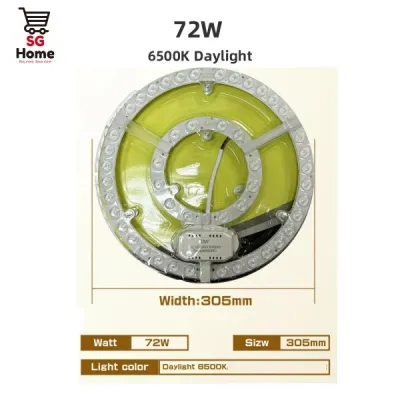
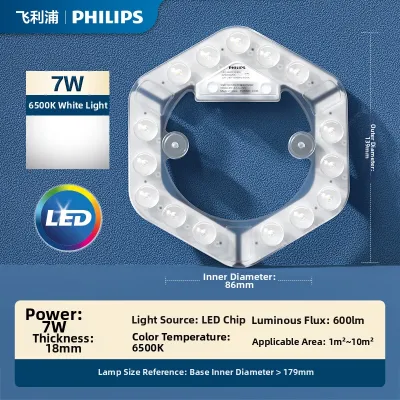
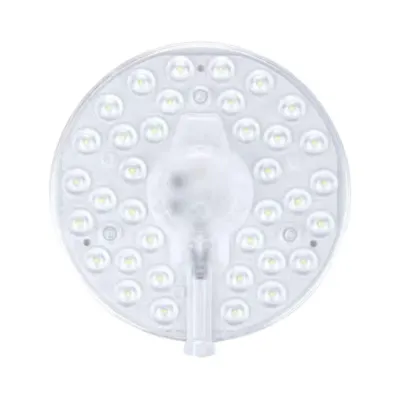
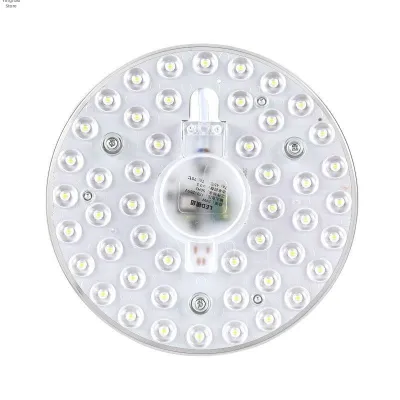
![[Authorized Dealer] Philips 36W LED Ceiling Module](https://img.lazcdn.com/g/p/3cab0045eb8ba3d8dc7a8f92b48516dc.jpg_400x400q80.jpg_.webp)
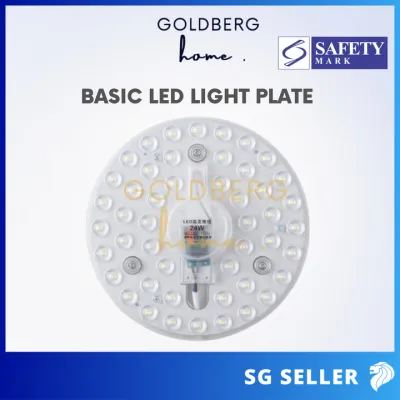
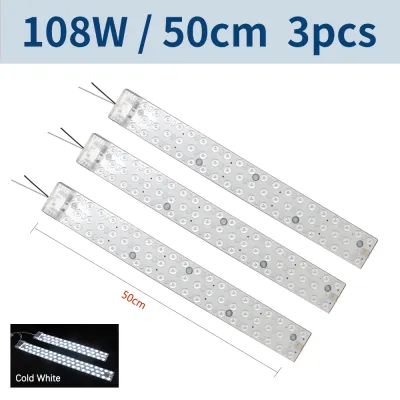
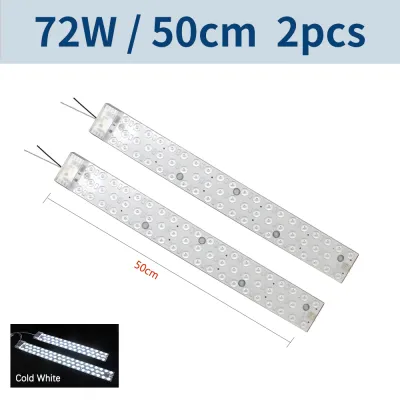
Prices are valid at publication and may change. Please refer to the product page for the latest price.
Exceeding the maximum wattage rating of a pendant light is a serious safety hazard. Even though LED modules are highly efficient, they still generate heat that must be dissipated. If you install a module that draws more power than the fixture is rated to handle, the excess heat can degrade the wiring insulation, melt plastic components, and potentially lead to a short circuit or fire.
Additionally, you must verify the mounting mechanism and connection interface of your pendant light. Some fixtures use standard screw-in sockets like E27 or E14, which can accept specialized disc-shaped LED modules with integrated bases. Other modern or minimalist pendants rely on proprietary magnetic mounts, clip-on brackets, or direct-to-driver wiring connectors. If your fixture uses a proprietary setup, check the manufacturer’s manual to ensure the replacement module matches the mounting pattern and electrical interface.
Determine the Right LED Light Module Size
Physical compatibility is just as critical as electrical safety when retrofitting a pendant light. Start by measuring the internal dimensions of the pendant shade using a precise measuring tape or caliper. You need to record the internal diameter at the widest point where the module will sit, as well as the available vertical depth from the mounting point to the bottom edge of the shade.

Once you have these measurements, compare them directly with the physical specifications of the LED light module. Pay close attention to the module’s outer diameter, overall thickness, and the placement of its driver. Some modules feature an integrated “driver-on-board” (DOB) design, making them highly compact, while others require an external driver box that must be tucked into the ceiling canopy or the top of the pendant shade.
Always maintain a clearance gap of at least 10mm to 15mm around the entire perimeter of the LED module. This space is essential for adequate heat dissipation, allowing air to circulate and cool the light-emitting diodes. Furthermore, ensuring the module does not make direct contact with the shade material is vital, particularly for delicate Japandi-style fixtures made of washi paper, wood veneer, or fine fabrics that can scorch or discolor when exposed to continuous warmth.
Calculate the Required Wattage and Brightness
When transitioning to LED technology, you must separate the concept of power consumption from light output. Historically, homeowners associated wattage with brightness, but modern LED modules are designed to produce high light output while drawing minimal power. To choose the right module, focus on lumens for brightness and use wattage primarily to verify electrical compatibility.
To estimate the brightness required for your space, consider the room’s primary function and size. For instance, a dining table or kitchen island typically requires focused task lighting to ensure visibility during meals or food preparation. A general guideline for task areas is to aim for approximately 300 to 500 lumens per square metre, whereas ambient living spaces or hallways may only require 150 to 200 lumens per square metre to feel comfortable.
The material and design of your pendant shade will significantly influence how that brightness is perceived in the room. A solid, opaque shade made of ceramic, metal, or dark wood directs all light downward in a concentrated beam, creating strong contrast and requiring fewer lumens to illuminate a specific surface. Conversely, a translucent shade made of frosted glass, paper, or light fabric diffuses light in all directions, softening the shadows but requiring a higher-lumen module to achieve the same level of functional brightness on the surfaces below.
Select the Ideal Color Temperature for Your Space
Color temperature, measured in Kelvins (K), dictates the color appearance of the light and heavily influences the mood of a room. Warm white light, ranging from 2700K to 3000K, provides a cozy, relaxing glow that complements natural wood tones and earthy textures, making it a popular choice for Japandi-themed dining areas and bedrooms. Neutral white light, around 4000K, offers a clean, balanced illumination that enhances focus and clarity, making it ideal for kitchens, home offices, and utility spaces.
The physical characteristics of your pendant light can alter the perceived color temperature of the light once it is turned on. If the interior of your pendant shade features a warm finish, such as brass, gold leaf, or natural timber, it will reflect and warm up the light, making a 3000K module appear closer to 2700K. On the other hand, cool gray concrete, white ceramic, or matte black interiors will maintain the true color temperature of the module without adding warm undertones.
For spaces that serve multiple purposes throughout the day, adjustable or tunable white LED modules offer excellent practical benefits. These modules allow you to transition from a bright, cool white light during daytime tasks to a soft, warm white glow for evening relaxation. When selecting a tunable module, verify whether it requires a dedicated remote control, a compatible wall switch, or a smart home integration system to adjust the settings.
Installation Safety and When to Call a Professional
Working with electrical fixtures requires strict adherence to safety protocols to prevent shocks, short circuits, and equipment damage. Before attempting to install or replace an LED module, you must isolate the power supply. Go to your home’s main distribution board (DB box) and switch off the circuit breaker dedicated to the lighting zone, then use a reliable non-contact voltage tester at the fixture to confirm that no electrical current is present.
During installation, ensure all wiring connections are secure and properly insulated using high-quality wire connectors or terminal blocks. If your pendant light features a metal frame, canopy, or shade, it is critical to verify that the earth wire is securely connected to the fixture’s grounding terminal. Proper grounding provides a safe path for electricity in the event of a fault, preventing the metal exterior from becoming live.
While replacing a simple plug-and-play LED module is manageable for many homeowners, certain scenarios require professional expertise. In Singapore, any modification to fixed electrical wiring, installing new ceiling points, or replacing complex integrated gear trays must comply with local safety standards. If you encounter outdated wiring, notice a lack of grounding infrastructure, or feel uncertain about handling fixed electrical connections, you should contact a licensed electrical worker (LEW) to complete the job safely and legally.
Frequently Asked Questions (FAQ)
Can I use a higher wattage LED module if it produces the same lumens as a lower wattage bulb?
No, you must never exceed the maximum wattage rating specified on your pendant light’s safety label. While LED modules are highly efficient and produce more lumens per watt than traditional bulbs, the fixture’s wattage limit is determined by the electrical capacity of its internal wiring, sockets, and driver connections. Installing a module that draws more power than the rated limit can overload the circuit, degrade the components, and create a fire hazard, regardless of the light output.
Do I need a special LED module for dimmable pendant lights?
Yes, you must verify that both the LED module and its accompanying driver are explicitly labeled as dimmable. Standard LED modules are not designed to handle variable voltage or current, and using them with a dimmer switch can lead to persistent flickering, buzzing noises, or premature component failure. Additionally, you should check that the dimmable LED module is compatible with the specific type of dimmer switch installed on your wall, such as a trailing-edge or leading-edge dimmer, to ensure smooth operation.
Community discussion
Share your experience or ask a question. Comments are reviewed before publication.