
For a standard 2.6-meter HDB ceiling, the ideal ceiling fan LED module should deliver between 1,400 and 2,200 lumens—typically achieved with a wattage of 18W to 24W—paired with a wide beam angle of 110 to 120 degrees. Because a 2.6-meter ceiling height significantly restricts the distance between the light source and the floor, selecting these specific parameters ensures that light spreads widely across the room rather than focusing in a harsh, narrow pool. This combination provides sufficient ambient illumination for typical HDB bedrooms and living areas while minimizing the risk of glare and distracting shadows.
Understanding Light Distribution at 2.6m Ceilings
HDB flats in Singapore commonly feature a floor-to-ceiling height of 2.6 meters, which presents a tight envelope for overhead fixtures. When you install a ceiling fan, the motor housing and blades drop the light source even lower, often leaving only 2.2 to 2.3 meters of clearance from the floor. This reduced height brings the light source much closer to your line of sight, especially when you are sitting on a sofa or lying down in bed. If the light is too concentrated or lacks proper diffusion, it can cause intense visual discomfort and direct eye-level glare.
Another critical challenge with ceiling fan lights is the interaction between the light source and the rotating blades. If the LED module is recessed too deeply within the fan body or has a narrow beam, the rotating blades can intercept the outer edges of the light cone. This creates a highly distracting strobe or flickering shadow effect across the walls and floor. To prevent this, the LED module must be positioned flush with or slightly below the bottom of the fan motor housing, allowing the light to escape cleanly beneath the path of the blades.
Products mentioned in this guide
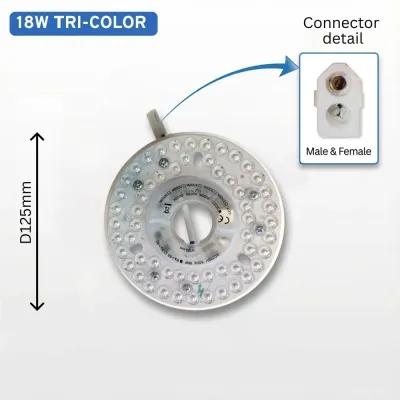
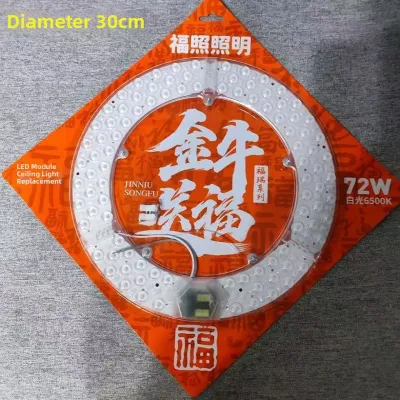
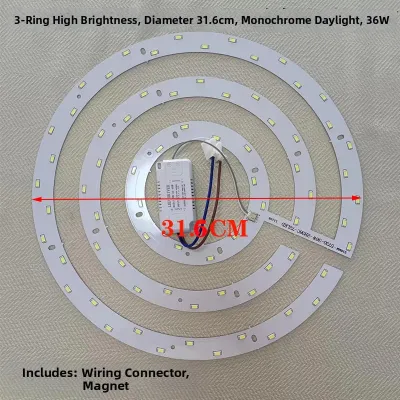
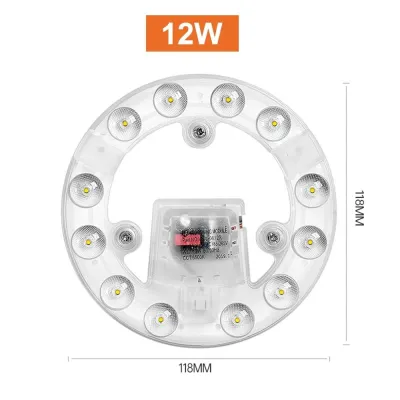
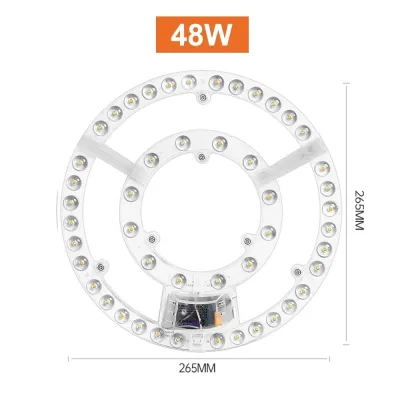
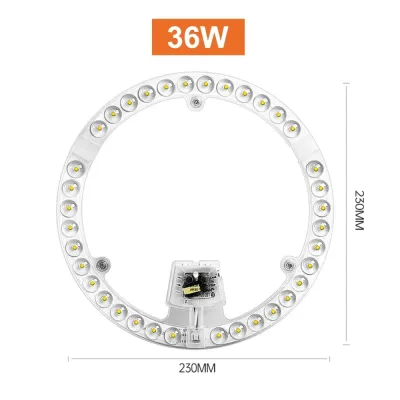
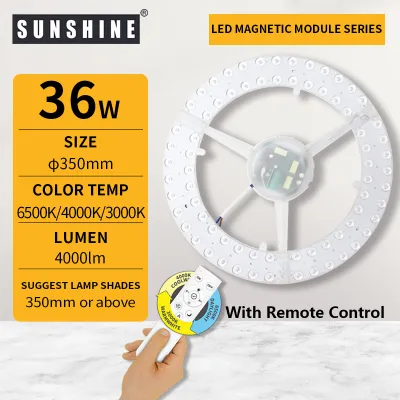
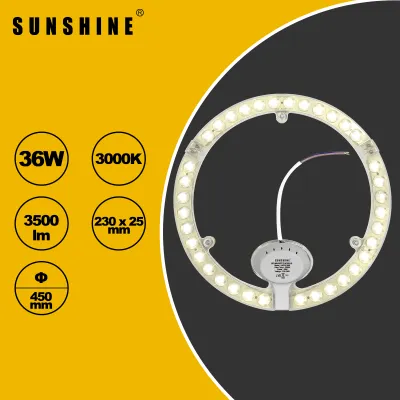
Prices are valid at publication and may change. Please refer to the product page for the latest price.
To achieve comfortable, even illumination at this height, the physical design of the light cover is just as important as the light source itself. Standard clear covers do little to scatter light, resulting in harsh hotspots. Opting for a ceiling fan light kit equipped with a high-quality frosted acrylic or opal glass diffuser is essential. These materials scatter the light rays in multiple directions, softening the output and ensuring that the entire room receives a gentle, uniform glow rather than a piercing beam of light.
Calculating the Required Lumens and Wattage
To determine the correct LED module for your space, it is helpful to calculate the required light output based on the room’s floor area. You can find the area of your HDB room by multiplying its length by its width in meters. For general ambient lighting, a standard bedroom typically requires about 100 to 150 lumens per square meter, while a living room or study may require 150 to 200 lumens per square meter to support more active tasks. By multiplying your room’s square meterage by these baseline targets, you can establish a clear target for total lumen output.

Historically, consumers relied on wattage as the primary indicator of a bulb’s brightness. However, in modern LED technology, wattage only measures the amount of electrical energy consumed, not the light produced. Different LED modules have varying luminous efficacy, meaning one 18W module might produce significantly more light than another 18W module of lesser quality. When shopping for a replacement module, always look for the lumen rating (expressed as “lm”) on the product packaging or specification sheet, as this is the true measure of brightness.
Your calculated lumen target should also account for the specific design elements of your HDB room. Rooms with dark accent walls, dark-toned vinyl flooring, or heavy, light-absorbing furniture will require a higher lumen output to achieve the same perceived brightness as a room with white walls and light-colored furnishings. Additionally, if the room receives minimal natural daylight due to its orientation or proximity to neighboring blocks, you may want to select an LED module at the higher end of your calculated lumen range to ensure the space remains bright and inviting during the day.
Selecting the Ideal Beam Angle for HDB Rooms
The beam angle of an LED module determines how wide the cone of light spreads as it travels downward from the ceiling. A narrow beam angle, typically under 60 degrees, concentrates light into a focused spotlight, which is excellent for highlighting specific features like artwork but highly impractical for general room lighting. For a central ceiling fan in a 2.6-meter HDB room, a narrow beam will create a bright hotspot directly under the fan while leaving the corners of the room in deep shadow.
To achieve balanced ambient lighting, a wide beam angle of 110 to 120 degrees is highly recommended. This wide spread allows the light to expand quickly over the short 2.6-meter drop, covering a larger floor area and reflecting off the walls to create a brighter, more open feel. By maximizing the lateral spread of the light, you minimize sharp cutoffs and dark zones, ensuring that activities like reading, cleaning, or socializing can take place comfortably anywhere in the room.
Before purchasing a replacement LED module, it is vital to verify the beam angle specification on the manufacturer’s datasheet or product packaging. Many generic modules sold on online marketplaces do not clearly state their beam angle, which can lead to disappointing results. Look for reputable lighting brands or specialized ceiling fan retailers that provide detailed technical specifications, ensuring you select a module specifically engineered for wide-angle flood lighting rather than focused spot lighting.
Compatibility and Safety Checks Before Installation
Before purchasing or installing a new LED module, you must perform several compatibility and safety checks to protect your home and your equipment. First, verify the electrical specifications of your ceiling fan’s light kit. Ensure the input voltage of the replacement module matches Singapore’s standard residential voltage (220V to 240V). Additionally, check the maximum wattage rating printed on the fan’s light kit housing; installing a module that exceeds this limit can lead to overheating, driver failure, or damage to the fan’s internal wiring.
Physical compatibility is another crucial factor that is easily overlooked. LED modules come in various shapes and sizes, including circular, square, and gear-shaped configurations, and they may mount using magnetic strips, screws, or clips. Measure the internal diameter and depth of your ceiling fan’s light pan to ensure the new module will fit securely inside without pressing against the diffuser cover or interfering with the fan’s rotating components. There must be sufficient clearance to allow heat to dissipate from the module’s aluminum heatsink.
For any electrical work, safety must be your top priority. Always isolate the power at the main distribution board (DB box) by switching off the relevant circuit breaker before attempting to open or wire the light kit. If your ceiling fan does not have a pre-installed light kit, or if the replacement requires modifying the fan’s internal receiver or running new wiring through a concrete ceiling, do not attempt a DIY installation. In such cases, or if you are unsure about any step of the process, always engage a licensed electrical worker (LEW) to ensure the installation complies with local safety standards and prevents fire or shock hazards.
Frequently Asked Questions (FAQ)
Can I use a dimmable LED module with any ceiling fan?
No, you cannot use a dimmable LED module with just any ceiling fan setup. To dim an LED light safely, the module’s driver must be specifically designed for dimming, and it must be paired with a compatible control system. If your ceiling fan is operated via a remote control, the remote’s receiver must support dimming functionality. Attempting to use a dimmable LED module with a standard on/off remote receiver or an incompatible wall dimmer switch can result in persistent flickering, loud buzzing noises, and premature failure of both the LED driver and the fan’s electronic components.
What color temperature is best for an HDB bedroom ceiling fan?
The best color temperature depends on how you use the space and your personal comfort preferences. For bedrooms dedicated primarily to rest and relaxation, a warm white light (2700K to 3000K) is highly recommended as it creates a cozy, calming atmosphere. If the bedroom also serves as a study or home office, a neutral white light (4000K) offers a balanced, natural daylight feel that reduces eye strain during tasks. Many modern ceiling fan LED modules feature a three-tone toggle function, allowing you to switch between warm white, neutral white, and daylight (6000K) using your existing wall switch or remote control, providing maximum flexibility for different times of day.

Community discussion
Share your experience or ask a question. Comments are reviewed before publication.