
Selecting the right LED spot lights transforms how a space feels and functions. Rather than applying a single lighting solution throughout the house, the best approach aligns the fixture’s beam angle, color temperature, and physical design with the specific activities, ceiling conditions, and moisture levels of each room. This guide helps you evaluate your lighting needs and choose fixtures that safely and effectively enhance your living spaces.
Key Factors to Consider Before Buying LED Spot Lights
Before purchasing LED spot lights, you must establish a clear checklist of technical specifications to ensure safety and compatibility. In Singapore, residential mains voltage is typically 230V at 50Hz. Always verify the voltage compatibility, base types, and local electrical certifications on the product label to ensure safe operation. Look for the Safety Mark on the packaging, which indicates the fixture has been tested and approved for safe use in local households.
You will also need to choose between different base types, such as GU10 and MR16. GU10 bulbs connect directly to the 230V mains supply, eliminating the need for an external transformer and simplifying installation. MR16 bulbs typically operate on a low-voltage 12V system, which requires a compatible transformer that must be housed safely within your ceiling cavity.
Products mentioned in this guide
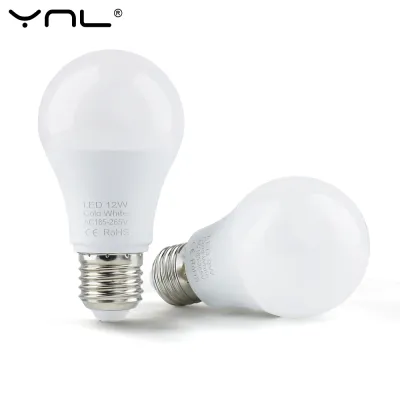
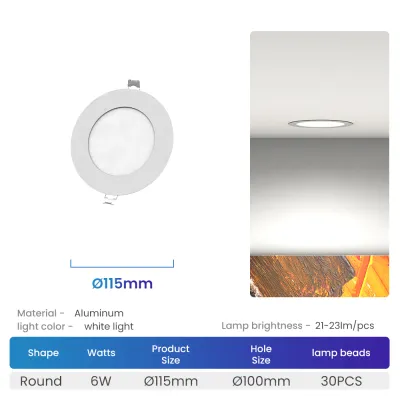
Prices are valid at publication and may change. Please refer to the product page for the latest price.
Compare beam angles to determine whether the fixture will create a focused accent beam or a broad wall wash. A narrow beam angle, typically between 15 and 24 degrees, concentrates light into a tight, intense pool that is ideal for highlighting specific objects like artwork. Conversely, a wider beam angle of 36 to 60 degrees spreads light across a larger surface area, making it better suited for general ambient illumination.
Check the product packaging for explicit dimmer compatibility to prevent flickering or buzzing when paired with existing wall switches. Standard LED lights do not automatically work with traditional dimmer switches designed for older, high-wattage incandescent bulbs. Using incompatible components can cause persistent flickering, buzzing noises, or premature driver failure, so always verify whether the LED spot light requires a trailing-edge or leading-edge dimmer.
Finally, review the physical dimensions and heat dissipation requirements to ensure the fixture fits the intended housing or track. Although LEDs are highly efficient, they still generate heat that must be dissipated to prevent premature failure of the internal electronics. Ensure there is sufficient clearance space around the housing within your ceiling cavity to allow air to circulate freely, following the manufacturer’s specific installation guidelines.
Matching LED Spot Lights to Room Functions
Layering light is the key to successful home lighting design. By combining ambient, task, and accent lighting, you can create a versatile environment that adapts to different times of day and activities. Instead of relying on a single central light source, distributing multiple LED spot lights allows you to control the mood and functionality of different zones within the same room.

Your room’s primary function will dictate whether you should prioritize glare control, high brightness, or color accuracy. For instance, spaces dedicated to relaxation require careful glare control and warmer tones, whereas utility areas demand high brightness, excellent color accuracy, and robust environmental protection against moisture or dust.
Living Room and Bedroom (Ambient and Accent Lighting)
Living rooms and bedrooms are spaces designed for resting and lounging, making visual comfort your primary goal. To prevent harsh glare, prioritize anti-glare designs, deep-recessed baffles, and warmer color temperatures. Deep-recessed fixtures place the LED chip further back inside the housing, shielding the light source from your direct line of sight. Opting for warmer color temperatures, typically between 2700K and 3000K, helps establish a cozy, low-stress atmosphere.
When planning your layout, consider wall-washing techniques to highlight artwork or architectural textures. Directing adjustable spot lights toward walls bounces soft, indirect light back into the room, making the space feel larger and more inviting without direct glare. To achieve a smooth gradient of light, position your spot lights about 60cm to 90cm away from the wall and angle them at approximately 30 degrees.
Avoid placing harsh, narrow-beam spot lights directly above beds or primary seating areas. This positioning creates uncomfortable hot spots and casts deep shadows on faces, detracting from the relaxing environment you want to create. Instead, keep spot lights positioned closer to the perimeter of the room or use wider beam angles to ensure even, indirect distribution in relaxation zones.
Kitchen and Bathroom (Task and Moisture-Resistant Lighting)
Kitchens and bathrooms are highly functional spaces that require precise, high-visibility lighting. For kitchen preparation zones, select fixtures with a high Color Rendering Index (CRI) of 90 or above by checking the rating on the packaging. A high CRI ensures that food colors, ingredients, and textures appear natural and accurate, which is essential for safe food preparation and cooking.
Position your task lights carefully to illuminate countertops directly. Aligning the fixtures with the front edge of your countertops or installing them directly under overhead cabinets ensures clear, shadow-free visibility on your cutting boards and prep areas.
In the bathroom, environmental protection is critical due to high humidity and water exposure. Always verify the Ingress Protection (IP) rating on the product label to ensure the fixture is officially rated for damp or wet locations. Choose fixtures with at least an IP44 rating for general bathroom areas, and IP65 for zones directly exposed to water, such as inside shower cubicles, to prevent moisture from penetrating the electrical housing.
Adjusting for Ceiling Height and Installation Constraints
Your home’s ceiling height plays a major role in determining the correct beam angle. Higher ceilings require narrower beam angles to project a concentrated beam of light effectively down to the floor. Conversely, lower ceilings benefit from wider beam angles, which prevent harsh, localized pools of light and ensure a more even distribution.
You must also evaluate your ceiling structure before choosing between recessed, surface-mounted, or track-mounted options. Standard concrete ceilings, common in Singapore HDB flats, do not allow for recessed lighting without a false ceiling. Surface-mounted fixtures or track lights are excellent alternatives.
If you decide to install a false ceiling, account for the physical depth of the LED housing. Ensure there is sufficient cavity depth to accommodate the fixture without interfering with hidden plumbing, air conditioning ductwork, or structural concrete beams. Measure the available space carefully before purchasing recessed fixtures, as some high-power models require significant vertical clearance for heat dissipation.
Installation Safety and Professional Boundaries
Electrical safety must be your top priority during any lighting project. Before inspecting, removing, or replacing any existing fixtures, always turn off the main power supply at your home’s distribution board. Do not rely solely on the wall switch, and use a voltage tester to confirm the circuit is completely dead.
It is important to distinguish between simple DIY maintenance and tasks that require professional help. Replacing a compatible bulb in an existing housing is a safe DIY task, but installing new fixed wiring, cutting ceiling holes, or mounting complex track systems requires a licensed electrical worker. In Singapore, electrical work must be carried out by a Licensed Electrical Worker (LEW) registered with the Energy Market Authority (EMA) to ensure safety and compliance with local regulations.
Establish a strict stop condition for your project. If you are working in damp bathroom locations, dealing with high ceilings that require scaffolding, or if the product instructions conflict with your existing home wiring, halt the installation immediately and consult a qualified electrician.
Frequently Asked Questions (FAQ)
Can I use the same LED spot lights for every room?
Using a single type of LED spot light throughout your entire home is generally not recommended because different rooms have distinct functional and environmental needs. A bedroom requires warm, low-glare, and comfortable lighting to promote relaxation, whereas a kitchen demands high color rendering and focused task lighting for safety. Furthermore, standard living room fixtures lack the moisture-resistant IP ratings required for safe operation in damp bathroom environments. Optimizing your fixture selection for each specific space ensures better visual comfort, safety, and longevity.
How do I know if my existing dimmer switch is compatible with new LED spot lights?
To determine if your existing dimmer switch will work with new LED spot lights, you must first locate the model number of your dimmer switch and cross-reference it with the LED manufacturer’s official compatibility list. Older dimmer switches designed for high-wattage incandescent bulbs often fail to recognize the low electrical load of modern LEDs, leading to issues like flickering, buzzing, or a severely limited dimming range. If your existing switch is incompatible, you should consult a qualified electrician to replace it with a modern, LED-compatible dimmer switch.
Community discussion
Share your experience or ask a question. Comments are reviewed before publication.