
Integrating a lotus candle holder into your home decor is an elegant way to introduce organic shapes, soft lighting, and symbolic warmth to your living space. The lotus flower, representing purity and renewal, translates beautifully into various design languages, from ultra-minimalist ceramic cups to intricate, multi-layered crystal sculptures. Choosing the right style requires looking beyond the object itself to evaluate how its form, material, and visual weight interact with your existing furniture, color schemes, and spatial layout. By aligning the design details of the candle holder with the core aesthetic of your room, you can create a harmonious focal point that enhances your home’s atmosphere.
Assess Your Space: Identify Your Existing Home Decor Style
Before purchasing a new decorative accent, take a step back to evaluate the dominant design aesthetic of your room. Walk through the space and observe the silhouettes of your primary furniture pieces. Clean, straight lines and low-profile seating suggest a modern or minimalist foundation, whereas curved wooden legs, rolled arms, and detailed carvings point toward traditional or classic styling. Note the prevailing color palette: neutral tones like beige, grey, and white create a quiet backdrop, while rich jewel tones or contrasting patterns demand accessories with matching depth or deliberate simplicity.
Textiles also play a significant role in defining your room’s visual weight. Heavy drapes, velvet upholstery, and layered rugs contribute to a highly textured, cozy, or even maximalist environment. In contrast, sheer curtains, linen covers, and bare wooden floors emphasize openness and light. Identifying these elements helps you categorize your space into a core aesthetic—such as minimalist, modern, traditional, or ornate—which will serve as your guide when selecting decorative accents.
Products mentioned in this guide
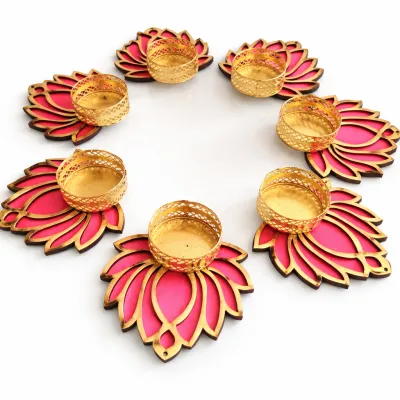
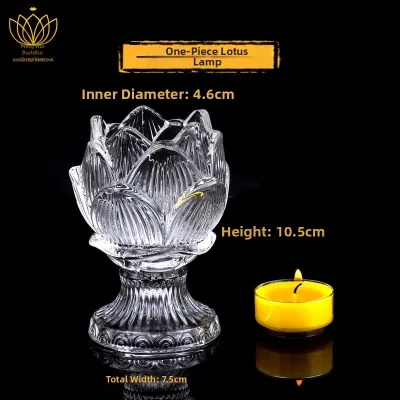
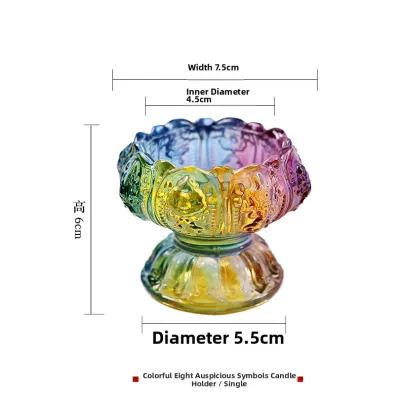
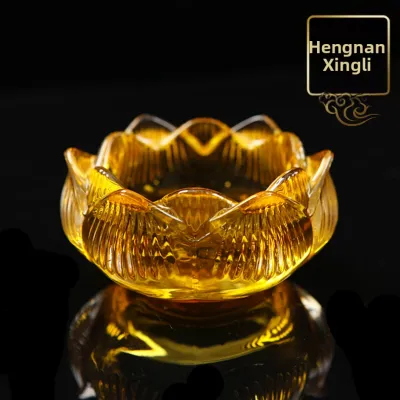
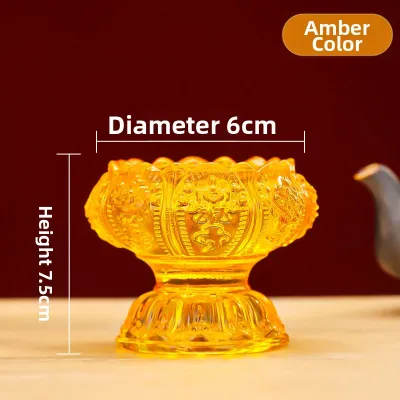
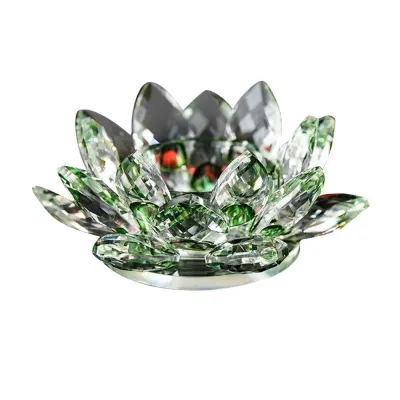
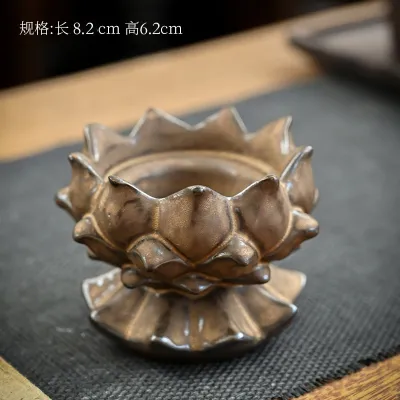
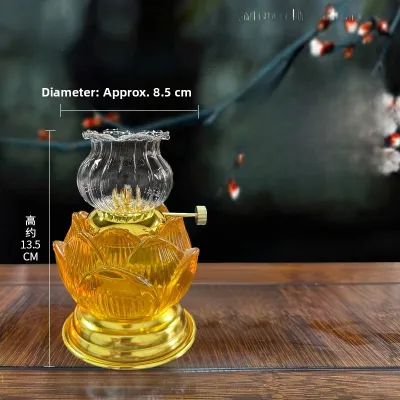
Prices are valid at publication and may change. Please refer to the product page for the latest price.
Equally important is assessing the balance of negative space in the room. Look at the specific surface where you plan to place the lotus candle holder, whether it is a dining table, a console, or a mantelpiece. A room that is already filled with framed photos, books, and art pieces requires a simpler candle holder to avoid visual clutter. Conversely, a sparse, clean surface can easily accommodate a more complex, multi-layered lotus design that acts as a standalone statement piece. Understanding this balance ensures your new addition complements, rather than crowds, your living space.
Style Matching: Pair Lotus Candle Holder Aesthetics With Your Interior
Once you have identified your home’s primary design aesthetic, you can select a lotus candle holder style that mirrors or thoughtfully contrasts with those features. For minimalist interiors, the goal is to maintain a sense of calm and uncluttered simplicity. Look for lotus designs that feature clean, stylized lines rather than highly detailed, individual petals. Unglazed ceramic, matte porcelain, or monochromatic stone holders in soft white, charcoal, or terracotta work exceptionally well. These materials offer a tactile, organic texture that feels warm and grounded without drawing excessive attention to itself.

In modern spaces, which often celebrate industrial elements, geometric structures, and sleek finishes, your choice should lean toward structured interpretations of the lotus shape. Consider candle holders made from clear or smoked glass, or those featuring metallic accents like brushed brass, chrome, or matte black steel. A modern lotus holder might use simplified, angular metal sheets to represent petals, creating a striking play of light and shadow when the candle is lit. These materials reflect light cleanly, reinforcing the bright, airy feel of contemporary architecture.
Traditional settings benefit from classic, recognizable representations of the lotus flower. Look for sculpted ceramic glazes, celadon finishes, or antique brass and bronze castings that evoke a sense of heritage and craftsmanship. These holders often feature realistic, layered petals that curve gracefully upward, cradling the candle. The rich, deep colors of traditional glazes—such as jade green, deep amber, or cobalt blue—harmonize beautifully with dark wood furniture, classic moldings, and warm, ambient lighting schemes.
For ornate, eclectic, or maximalist rooms, embrace high-contrast detailing and luxurious materials. Crystal lotus candle holders, gilded edges, and intricate filigree metalwork thrive in these layered environments. When placed in a room with rich wallpapers and velvet textures, a multi-faceted crystal lotus catches and refracts both natural sunlight and candlelight, scattering colorful patterns across the walls. This added sparkle complements the dramatic, expressive nature of maximalist decor, turning a simple candle holder into a captivating decorative jewel.
Practical Fit: Evaluate Space, Placement, and Safety Requirements
Selecting the right style is only half the process; the candle holder must also fit the physical dimensions of your space and meet essential safety standards. Begin by measuring the surface area of the intended table, shelf, or mantel. A tiny tealight holder can easily get lost on a large, eight-seater dining table, whereas a massive, multi-tiered lotus centerpiece might overwhelm a narrow entryway console. Choose a size that anchors the space proportionally, leaving enough room around the holder for other functional items or open space.
Next, verify the holder’s structural compatibility with your preferred candle type. Examine the central basin or platform of the lotus design to ensure it matches the diameter of the candles you plan to use. A tealight holder should have a recessed cup that snugly fits standard metal- or plastic-cupped tealights to prevent shifting. If you prefer pillar candles, the holder must feature a wide, flat, and stable base with a raised lip to catch any melting wax. Placing a candle on an incompatible or unstable surface increases the risk of tipping and wax spills.
Safety is paramount when styling with open flames. Always maintain a safe clearance of at least 30 centimeters from flammable materials, including curtains, books, dried floral arrangements, and paper decorations. Ensure the surface beneath the holder is completely flat, stable, and heat-resistant. Delicate wood finishes or veneered surfaces can warp or discolor from the heat radiating from the bottom of a candle holder; using a decorative stone coaster or trivet underneath can provide an extra layer of protection.
Before lighting any candle, consult the manufacturer’s safety instructions and product labels for specific placement limits, maximum burn times, and operational warnings. If you plan to place the holder in a drafty area near a window or air conditioning vent, consider using high-quality LED tealights instead of open flames. LED alternatives mimic the warm flicker of real candles while eliminating the risks associated with drafts, soot, and heat, making them an excellent choice for busy households, homes with pets, or hard-to-reach shelves.
Long-Term Care: Select Materials Based on Maintenance and Lifestyle
Your choice of material directly impacts how much effort is required to keep your lotus candle holder looking pristine over time. Glass and crystal holders offer brilliant clarity and light refraction, but they easily show fingerprints, dust, and soot marks. Cleaning them typically involves wiping the surface with a soft microfiber cloth or washing them in warm, soapy water to dissolve wax residue. If you prefer low-maintenance decor, a matte ceramic or stone holder is highly forgiving, requiring only occasional dusting with a dry brush to clean between the sculpted petals.
Metal options, such as brass, copper, or iron, bring a timeless weight to your decor but may require specialized care depending on their finish. Polished metals can tarnish over time when exposed to air and moisture, requiring periodic polishing with a dedicated metal cleaner to restore their shine. Antique or lacquered finishes are much easier to maintain, as they are designed to age gracefully or resist tarnishing; however, you must avoid harsh chemical cleaners that could strip away these protective coatings. Resin holders are lightweight and durable, but they can be sensitive to high heat, so they should only be paired with cool-burning candles or LED inserts.
Environmental factors should also guide your material selection. Avoid placing delicate, porous, or sun-sensitive materials—such as certain unglazed clays, painted resins, or colored plastics—in direct sunlight or high-humidity areas like bathrooms. Prolonged exposure to UV rays can fade vibrant glazes and weaken materials, while constant moisture can cause metal components to rust or encourage mold growth on porous surfaces. Always check the product care labels for approved cleaning agents and methods to prevent accidental scratching or finish damage during routine maintenance.
Frequently Asked Questions (FAQ)
Can I mix different lotus candle holder styles in one room?
Yes, you can successfully mix different lotus candle holder styles in a single room by establishing a unifying visual element. To prevent the space from feeling chaotic, choose a common thread such as a consistent color palette, a shared material finish, or the same type of candle. For example, you might pair a minimalist matte white ceramic lotus on a side table with a more detailed, traditional white porcelain lotus on the mantelpiece.
To maintain balance, distribute the different designs evenly across the room rather than clustering them all in one spot. Placing a heavy, ornate metal holder on one side of the room and a light, airy glass holder on the other helps distribute the visual weight. This deliberate arrangement creates a curated, collected look that feels intentional and harmonious rather than mismatched.
What type of candle works best with a lotus candle holder?
The most suitable candle type depends entirely on the structural design and material of your lotus candle holder. Shallow, open-petal designs are well-suited for standard tealights, as the low flame sits neatly within the center, casting a soft, widespread glow across the surrounding petals. Always ensure the tealight is housed in its own protective cup (metal, plastic, or glass) before placing it inside the holder to prevent liquid wax from seeping into the crevices of the design.
Pillar candles should only be used with holders specifically designed with a wide, stable basin and adequate heat clearance. The holder must be sturdy enough to support the weight of a pillar candle without any risk of tipping, and the base must be deep enough to contain any wax overflow. Always verify the manufacturer’s recommended candle dimensions and weight limits to ensure safe operation and preserve the beauty of your holder.
Community discussion
Share your experience or ask a question. Comments are reviewed before publication.