
Choosing the perfect home fragrance is more than just picking a pleasant scent; it is about creating an atmosphere that complements your lifestyle, home architecture, and daily routines. In Singapore, where high humidity and warm temperatures influence how scents disperse, selecting a high-quality room spray from a brand like Lynk Fragrances requires a thoughtful approach. By understanding how different scent profiles interact with your living spaces, you can transform your home into a personalized sanctuary. This guide provides a comprehensive framework to help you navigate the diverse range of Lynk room sprays, evaluate their specifications, and choose the ideal fragrance for every room in your household.
Understanding Fragrance Families and Scent Profiles
To make an informed choice, start by categorizing the available scent profiles using the manufacturer’s packaging labels and official descriptions. Fragrance profiles are generally grouped into distinct families, such as floral, woody, citrus, and fresh or herbal. Floral scents often bring a soft, romantic, or powdery feel to a space, while woody notes offer grounding, warm, and earthy undertones. Citrus profiles are bright, uplifting, and clean, making them excellent for refreshing a room quickly. Fresh or herbal scents often mimic clean linen, sea breeze, or green foliage, providing a crisp and neutral backdrop.
Understanding the structure of a fragrance is equally important. Perfumers design scents using a three-tier pyramid consisting of top, middle, and base notes. The top notes are the initial scents you smell immediately after spraying; they are typically light, volatile, and fade within the first ten to fifteen minutes. The middle notes, or the heart of the fragrance, emerge as the top notes dissipate, forming the core character of the scent for the next hour or two. Finally, the base notes are the heaviest molecules that linger the longest, providing the lasting foundation of the fragrance. When evaluating Lynk fragrances, review these notes on the product label to anticipate how the scent will evolve in your home over time.
Products mentioned in this guide
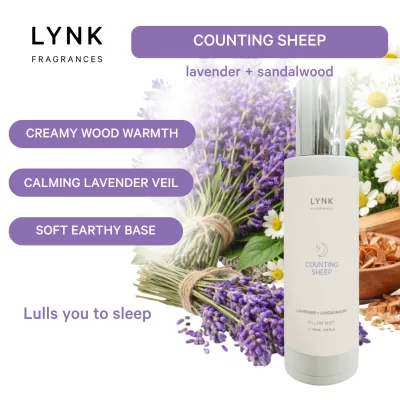
Prices are valid at publication and may change. Please refer to the product page for the latest price.
Additionally, check the ingredient list to understand the composition of the room spray. Manufacturers may use a blend of natural-derived essential oils, synthetic fragrance components, or a combination of both. Natural-derived ingredients often offer complex, nuanced aromas but can vary slightly between batches. Synthetic components are engineered for consistency, stability, and longevity, allowing for creative scent profiles that cannot be easily extracted from nature. Reviewing these details helps you align your purchase with your personal preferences for ingredient transparency and scent performance.
Matching Scents to Specific Rooms and Daily Routines
The layout, size, and function of your rooms play a critical role in how a fragrance is perceived. In Singapore’s residential spaces, which range from compact HDB flats to spacious condominiums and landed properties, matching the scent profile to the room’s specific environment ensures the fragrance enhances rather than overwhelms the space. High-traffic, daytime areas like the living room, entryway, and kitchen benefit from energizing, bright, or fresh profiles. Citrus and herbal notes work exceptionally well here, as they help neutralize cooking odors and create an inviting, vibrant atmosphere for guests.

For private, evening-focused spaces like bedrooms or study rooms, transition to relaxing, warm, or grounding notes. Woody, lavender, or soft floral profiles support wind-down routines and promote a sense of calm before sleep. In these smaller, often air-conditioned rooms, the air circulation is different from open-plan living areas. Air conditioning can dry out the air and cause scents to linger differently, sometimes intensifying heavier base notes like amber, vanilla, or sandalwood.
Adjusting your spray frequency and volume is essential to achieving the right balance. In large, open-plan living areas with ceiling fans or open windows, a higher volume of spray or more frequent applications may be necessary to maintain the scent, as constant airflow disperses the fragrance molecules rapidly. Conversely, in a small bathroom or study, a single, light mist is often sufficient. Always consider the sensitivities of all household members, including children, elderly relatives, and pets, when introducing new fragrances to shared living areas. Opting for lighter, universally appealing scents in common spaces ensures everyone remains comfortable.
Evaluating Practical Features and Product Specifications
Before purchasing a room spray, it is important to evaluate its physical design and safety specifications. Room sprays generally come in two main dispenser types: aerosol cans and fine mist pump mechanisms. Aerosol dispensers use pressurized propellants to release a continuous, ultra-fine dry mist that suspends in the air for a long time. Fine mist pump mechanisms, which are common for premium brands like Lynk Fragrances, rely on a manual pump to atomize the liquid. These pumps deliver a targeted, slightly wetter mist that is excellent for localized refreshing but requires careful application to avoid leaving wet droplets on delicate surfaces.
Always review the manufacturer’s safety warnings regarding surface contact. Because room sprays contain alcohol, water, and fragrance oils, they can potentially damage or discolor certain materials. Avoid spraying directly onto polished wood furniture, painted walls, delicate wallpaper, or sensitive fabrics like silk and leather. If you plan to use the spray near upholstered furniture or curtains, check the label to see if the product is rated safe for textiles, and always maintain a safe distance of at least thirty centimeters when spraying.
Proper storage and maintenance are vital to preserving the integrity of your room spray, especially in Singapore’s warm, tropical climate. High temperatures and direct sunlight can accelerate the breakdown of fragrance molecules, altering the scent profile or causing the liquid to discolor. Store your bottles in a cool, dry place away from windows, vanity lights, and heat-emitting appliances. Additionally, check the packaging for expiration dates, batch codes, and period-after-opening (PAO) symbols to ensure you use the product while its aromatic qualities are at their peak.
Building Your Personalized Room Spray Shortlist
To finalize your selection, construct a personalized decision matrix that aligns your scent preferences with your home’s layout. Start by listing the rooms you wish to scent, the primary activities that take place in those spaces, and the times of day you are most likely to use the spray. For example, you might pair a bright citrus spray with your morning home-office routine, and a warm, woody spray with your evening bedroom wind-down. This structured approach prevents impulse purchases and ensures every bottle you buy serves a clear purpose.
Next, establish a realistic budget range in S$. Room sprays in Singapore typically range from S$20 to S$50 per bottle, depending on the brand, ingredients, and volume. Compare the unit price across different bottle sizes to determine the most cost-effective option. If you are exploring Lynk fragrances for the first time, it is highly recommended to purchase smaller travel sizes or single bottles rather than committing to larger multi-packs. Testing a smaller volume allows you to experience how the fragrance interacts with your home’s unique airflow, humidity, and existing odors before investing in a full-sized collection.
Where to Buy and How to Verify Authenticity
To ensure you are purchasing genuine Lynk fragrances, always source your products through authorized distribution channels. The safest option is to buy directly from the official brand website or their designated physical showrooms and stockists in Singapore. Purchasing from official sources guarantees product freshness, proper storage conditions, and access to reliable customer support.
If you choose to shop on online marketplaces or third-party e-commerce platforms, exercise caution to avoid counterfeit or expired products. Carefully evaluate seller ratings, read detailed customer reviews, and check the seller’s return and refund policies. Be skeptical of listings offering prices that are significantly lower than the official retail price, as this can be a red flag for unauthorized or imitation goods.
Upon receiving your order, inspect the packaging thoroughly before use. Genuine products feature high-quality printing on the labels, secure and uncompromised safety seals, and clearly legible batch codes printed or stamped on the bottle. If the packaging appears poorly printed, has misspelled words, or lacks a batch code, contact the seller or the manufacturer immediately to verify its authenticity before spraying it in your home.
Frequently Asked Questions (FAQ)
How long does a typical room spray scent last in a standard bedroom?
The longevity of a room spray scent in a standard bedroom depends on several environmental factors, including room ventilation, humidity levels, and the volume of spray applied. In a room with closed windows and active air conditioning, the scent molecules tend to settle and linger longer, sometimes lasting for several hours. In contrast, a room with open windows or a running ceiling fan will experience rapid air exchange, causing the fragrance to dissipate more quickly. To get an accurate estimate of a specific product’s performance, check the manufacturer’s product label or official website, as formulation density and base note concentration heavily influence lasting power.
Are room sprays safe to use around pets and children?
When using room sprays in households with pets and children, safety should be your top priority. Always read the manufacturer’s safety warnings and ingredient lists on the packaging to check for any contraindications. Some essential oils and synthetic fragrance compounds can be irritating to the sensitive respiratory systems of infants and domestic animals, particularly cats and dogs who have a highly developed sense of smell. If anyone in your household has known respiratory sensitivities, asthma, or allergies, it is highly recommended to consult a pediatrician or veterinarian before introducing a new room spray to your living environment.
Can I use room sprays directly on fabrics and linens?
Whether you can use a room spray directly on fabrics depends entirely on its specific formulation. Some products are designed as dual-purpose room and linen sprays, containing ingredients that disperse cleanly without leaving oily residues. However, standard room sprays may contain higher concentrations of fragrance oils that can stain or discolor delicate textiles like silk, satin, or light-colored cotton. Always verify the product label to confirm if fabric application is permitted. If the manufacturer allows it, perform a spot test on a small, hidden area of the fabric first, and spray from a distance of at least thirty centimeters to ensure an even, light mist.
Community discussion
Share your experience or ask a question. Comments are reviewed before publication.