
Choosing the right magnet frame style for your home interior requires a thoughtful look at your room’s existing design language, color palette, and architectural features. Unlike traditional glass-and-wire frames, magnetic framing systems offer a sleek, modern alternative that simplifies artwork swaps while keeping the visual focus entirely on the print. By matching the frame’s material, profile thickness, and finish to your space, you can create a cohesive gallery display that elevates your entire room.
Understanding the Role of Magnet Frames in Wall Decor
Magnet frames have transformed how we display art by replacing complex mounting hardware with simple, magnetic connections. These systems typically come in three main designs: magnetic hanging rails that clamp the top and bottom of a poster, magnetic backing boards that hold prints flat against a metal sheet, or magnetic sandwich blocks made of thick acrylic. Each mechanism offers a distinct visual weight, allowing you to choose between a completely frameless look or a structured border.
By eliminating bulky outer borders and complex matting, minimal-profile magnet frames allow your artwork to breathe. This clean presentation draws the eye directly to the colors and textures of the print rather than the frame itself. Depending on the style you select, the frame can either blend seamlessly into the wall or act as a bold, architectural border that anchors the artwork within the room’s layout.
Products mentioned in this guide
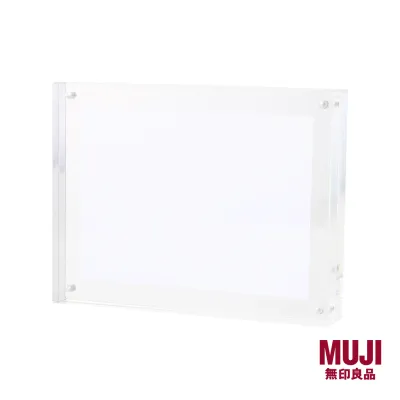
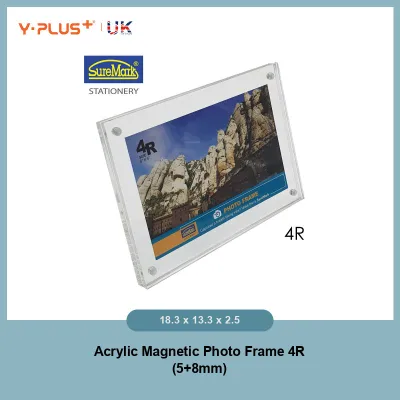

Prices are valid at publication and may change. Please refer to the product page for the latest price.
Matching Frame Styles to Your Interior Aesthetic
To select a suitable frame, start by evaluating the dominant textures, furniture materials, and color palettes in your room. A frame should not exist in isolation; it must converse with the surrounding elements, such as the grain of your dining table, the metal accents on your light fixtures, or the undertones of your wall paint. Different materials like natural timber, powder-coated metals, and polished acrylics carry distinct design associations that can either harmonize with or disrupt your interior theme.

Minimalist and Scandinavian Spaces
For homes that embrace clean lines, light-filled spaces, and functional simplicity, the framing should remain as unobtrusive as possible. Light-toned wooden rails, such as oak or ash, complement the warm, organic feel of Scandinavian decor, while matte black or white finishes offer a sharp, graphic contrast. Clear acrylic sandwich frames are also excellent for creating a floating effect that keeps the wall looking open and airy.
When selecting frames for these spaces, look for ultra-slim profiles and completely concealed magnetic mechanisms. The goal is to maintain visual simplicity, ensuring that nothing distracts from the clean environment. These understated frames pair beautifully with abstract line art, minimalist typography, or soft, muted landscape photography.
Industrial and Urban Loft Environments
Industrial interiors thrive on raw, exposed materials like concrete, brick, and structural steel. To complement this rugged aesthetic, choose magnet frames made from brushed metals, dark steel, or deeply textured, distressed wood. Instead of hiding the hardware, industrial designs often celebrate the functional elements, making visible magnetic screws or heavy metal hanging bars a deliberate part of the decor.
A more substantial frame profile works well here, providing the visual weight needed to stand up against textured concrete walls or dark brickwork. These bold frames are suitable for showcasing high-contrast architectural sketches, black-and-white urban photography, or vintage patent prints. The contrast between the cold metal frame and the paper artwork adds a sophisticated, curated layer to the room.
Vintage, Rustic, and Classic Settings
Traditional, rustic, or classic spaces benefit from the warmth and character of natural materials and rich textures. For these environments, opt for magnet frames crafted from warm-toned hardwoods like walnut, cherry, or mahogany, or choose metals with antique brass or bronze finishes. Thicker wooden magnetic blocks or deep-set magnetic frames can mimic the substantial look of traditional gallery frames while still offering the convenience of magnetic mounting.
These richer, more traditional frame styles help ground the artwork, making the space feel cozy and lived-in. They pair exceptionally well with botanical illustrations, vintage travel posters, oil painting reproductions, or classic family portraits. The natural variation in wood grain adds an organic touch that aligns with the timeless appeal of classic interior design.
Practical Checks Before You Buy
Before purchasing a magnet frame, it is essential to verify several technical and physical constraints to ensure a secure and long-lasting installation. First, assess your wall surface compatibility. In many Singapore apartments, concrete or plaster walls are standard, which may require drilling and wall plugs for hanging rails, whereas drywall or wooden partitions might support lighter adhesive magnetic strips. Always verify that your chosen mounting method is compatible with your specific wall material to prevent damage.
Next, evaluate the weight capacity and magnetic strength of the frame. Magnetic hanging rails rely on a friction grip held together by magnets; if your poster paper is exceptionally thick, textured, or heavy, the magnets may not close fully or could slip. Check the manufacturer’s specifications for maximum paper thickness and weight limits before buying. For valuable, delicate, or limited-edition prints, ensure the frame uses acid-free backing materials or protective sleeves to prevent the magnets from leaving indentations or causing chemical degradation over time.
Finally, consider the room’s lighting conditions and potential glare. If your magnetic frame includes an acrylic or glass cover, position it away from direct sunlight or install non-reflective, UV-protective glazing. This is particularly important in bright, sunlit rooms where harsh reflections can obscure the artwork and accelerate the fading of the print’s pigments.
Planning Your Wall Arrangement
Creating a balanced wall display requires careful planning before you make any holes in your wall. Start by choosing a layout strategy that matches your room’s energy: a symmetrical grid layout works best for formal, orderly spaces, while an eclectic salon-style arrangement suits casual, creative rooms. If you have one large, striking piece of art, a single focal point placement centered at eye level—typically around 140 to 150 centimeters from the floor—creates a clean, powerful statement.
To avoid mistakes, cut out paper templates matching the dimensions of your magnet frames and tape them to the wall using painter’s tape. This allows you to step back and visualize the spacing, height, and overall balance of the arrangement in relation to your furniture. Adjust the templates until the composition feels balanced and natural.
When calculating your final measurements, remember to account for the specific mounting mechanism of your magnet frames. Magnetic hanging rails often hang from a central cord or a hidden bracket, which can alter the actual hanging height compared to the top edge of the frame. Measuring from the suspension point rather than the frame edge ensures your artwork lines up accurately on the first attempt.
Frequently Asked Questions (FAQ)
Will the magnets hold heavy artwork securely?
The security of a magnetic frame depends on the grade of the magnets, the number of magnetic contact points, and the strength of the wall anchors. Standard magnetic poster hangers are designed for lightweight paper prints and may struggle with heavy canvas, thick cardboard, or oversized posters. Always check the manufacturer’s specified weight capacity before installation, and consider traditional mechanical frames for exceptionally heavy or valuable pieces.
How do I prevent magnet frames from sliding or shifting on the wall?
Sliding often occurs on very smooth wall surfaces or in high-humidity environments where adhesives can lose grip. To prevent shifting, ensure the wall surface is completely clean, dry, and free of dust before mounting. If a hanging rail tends to tilt, placing small, non-slip silicone pads or a tiny piece of double-sided mounting tape behind the bottom corners of the frame can keep it properly level without damaging the paint.

Community discussion
Share your experience or ask a question. Comments are reviewed before publication.