
Selecting the perfect magnetic levitation sculpture requires balancing striking visual design with precise physical and electrical specifications. These captivating decorative pieces rely on a delicate equilibrium between electromagnetic forces and gravity, meaning that placement, power requirements, and structural dimensions are just as important as aesthetic appeal. By understanding how these systems operate and evaluating your specific environment, you can choose a display that floats reliably while seamlessly complementing your interior decor.
To find the right fit, you must assess the physical footprint of the base, the weight limits of the magnetic system, and the safety considerations of placing a powerful electromagnet in your home or office. Whether you are looking for a minimalist desk accessory to relieve stress during the workday or a dramatic statement piece for a living room shelf, verifying these technical and design details beforehand ensures a smooth setup and long-term operational stability.
Evaluating Base Specifications and Physical Requirements
Before purchasing a magnetic levitation display, you must carefully measure both the physical footprint of the base and the vertical clearance of the intended display area. The base requires a completely flat, rigid surface to operate correctly, so you should ensure your shelf, desk, or side table has sufficient depth and width to accommodate it without overhang. Additionally, pay close attention to the levitation gap, which is the empty space between the floating sculpture and the base or upper frame. There must be ample overhead clearance to prevent the floating object from bumping into upper shelves, low-hanging light fixtures, or nearby decorative items if it experiences minor drafts or vibrations.
Products mentioned in this guide
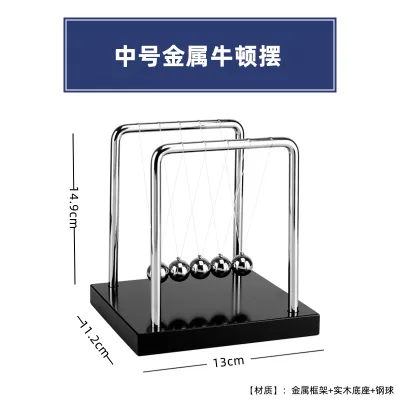
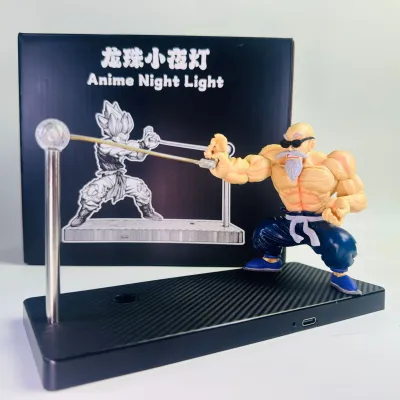
Prices are valid at publication and may change. Please refer to the product page for the latest price.
Weight capacity is another critical hardware specification that dictates the stability of your display. Every magnetic levitation base is engineered to support a highly specific weight range, which is calibrated to match the internal magnet of the accompanying sculpture. If you attempt to place an object that is too heavy onto the magnetic field, the electromagnetic coils will be unable to overcome gravity, causing the object to fall immediately. Conversely, if the floating object is too light for the system’s magnetic strength, it may snap violently upward or sideways toward the magnetic poles, potentially scratching the finish or damaging the internal components.
Electrical compatibility is equally vital for ensuring safe, continuous operation in your living or working space. In Singapore, household electricity is supplied at 230V and 50Hz, typically utilizing a Type G three-pin plug. When browsing online marketplaces, verify that the product includes a compatible power adapter that matches these local voltage standards and carries recognized safety certifications, such as the local Safety Mark. You should also check the length of the power cable; a cable that is too short can limit your placement options or force you to use extension cords, which can create unsightly clutter and increase the risk of someone accidentally tripping and pulling the delicate display off its surface.
Choosing the Right Aesthetic for Your Display Scenario
Integrating a levitating sculpture into an office desk environment requires a focus on compact dimensions and low-distraction designs. A desk is primarily a functional workspace, so a magnetic levitation base with a small footprint is ideal for preserving valuable surface area for your computer, documents, and writing tools. Opt for minimalist geometric shapes, professional globes, or clean metallic finishes that project a sophisticated, calm atmosphere. Additionally, look for models with low-glare integrated lighting or those that allow you to turn off the LED features independently, ensuring the illumination does not cause eye strain or unwanted reflections on your computer monitor during long working hours.

For a living room shelf or console table, you have the freedom to select larger, more dramatic statement pieces that draw the eye and spark conversation. These spacious environments are perfect for showcasing intricate sculptures made from premium materials such as polished resin, natural wood, or brushed metals that align with your overall interior design theme. Many living room models feature ambient lighting, such as soft under-base glows or color-changing LEDs, which can serve as unique accent lighting during the evening. When placing a sculpture on a shelf, ensure it sits at or slightly below eye level so that the levitation gap is clearly visible to anyone sitting in the room.
If you are purchasing a magnetic levitation sculpture as a gift, look for complete sets that prioritize user-friendly setup and premium presentation. The packaging should be robust and securely padded with custom-cut foam to protect the delicate magnetic cores and electronic components during transit. To ensure the recipient has a frustration-free experience, select a model that includes a physical centering tool, such as a plastic spacer or alignment template. This tool helps beginners find the exact electromagnetic sweet spot on their first few attempts, preventing the common frustration of the sculpture repeatedly snapping to the base or falling over during manual calibration.
Ensuring Safe Operation and Stable Placement
Operating an active electromagnetic device in your home requires a clear understanding of magnetic interference and its effects on surrounding objects. The powerful permanent magnets and electromagnets housed within the base and the floating sculpture can disrupt or permanently damage sensitive electronic devices and magnetic storage media. Keep the active display base a safe distance away from desktop hard drives, laptops, credit cards, keycards with magnetic stripes, and analog wristwatches. Individuals with pacemakers or other active medical implants should also maintain a safe distance from the strong magnetic fields generated by these decorative items.
To maintain a stable, uninterrupted float, the levitation base must be placed on a perfectly level, solid, and vibration-free surface. Even a minor tilt in the surface can cause the magnetic field lines to become misaligned, forcing the floating sculpture to drift slowly to one side until it falls out of the magnetic pocket. Avoid placing the display on lightweight plastic tables, near high-traffic walkways where footsteps can shake the floor, or on the same surface as vibrating appliances like printers, speakers, or desktop fans. A heavy wooden desk, a sturdy stone countertop, or a securely anchored wall shelf provides the ideal foundation for a stable magnetic field.
Proper ventilation is another essential safety factor, as the electromagnetic coils inside the base generate heat during continuous operation. Ensure that air can circulate freely around the sides and bottom of the base, and avoid placing it on soft, insulating surfaces like thick tablecloths, carpets, or velvet runners that can block heat dissipation. Do not enclose the active base inside tight cabinet compartments or expose it to direct sunlight, as excessive heat buildup can degrade the internal electronics, shorten the lifespan of the coils, or trigger automatic thermal safety shutdowns. If the base feels unusually hot to the touch, unplug the device and allow it to cool completely before attempting to recalibrate the display.
Finalizing Your Shortlist Before Checkout
Before making your final purchase, establish a realistic budget in S$ that accounts for both the initial cost of the sculpture and any additional shipping or insurance fees. Because magnetic levitation items contain heavy magnets and fragile electronic circuitry, they require careful handling during shipping. If you are ordering from an overseas seller on an online marketplace, factor in the cost of protective shipping options or transit insurance to safeguard your purchase against rough handling or physical damage before it arrives at your doorstep.
Always confirm that the product package explicitly includes a physical centering tool or highly detailed, step-by-step manual calibration instructions. Attempting to balance a levitating sculpture purely by hand can be incredibly challenging for beginners, as the magnetic forces can feel surprisingly strong and unpredictable. A physical spacer or alignment guide holds the floating piece at the correct height and orientation, allowing you to slowly slide the tool away once the electromagnetic field stabilizes and takes over the weight of the sculpture.
Finally, carefully verify the seller’s return policy and warranty terms, paying close attention to coverage for electronic components and magnetic calibration failures. Because these decorative pieces rely on precise factory calibration between the sensor array and the electromagnet, any minor manufacturing defect can prevent the item from floating. Ensure the retailer offers a clear return window or replacement policy specifically covering dead-on-arrival electromagnets, faulty power adapters, or physical misalignment issues, giving you peace of mind when finalizing your order.
Frequently Asked Questions (FAQ)
What happens to the sculpture if the power goes out?
When the electrical power supply is interrupted, the electromagnetic field holding the sculpture aloft collapses instantly. Without the upward magnetic force to counteract gravity, the floating sculpture will immediately fall toward the base. To prevent damage from these sudden drops, many modern levitation bases are designed with built-in safety features, such as permanent magnets that automatically pull the falling sculpture down to the exact center of the base, or physical catch-rings that cradle the object. To minimize the risk of the sculpture bouncing off the base and falling onto the floor during a power outage, always place the entire display well away from the edges of your desk or shelf.
Can I swap the floating object on an existing levitation base?
No, you cannot safely swap the floating object on an existing levitation base with a random decorative item. The electromagnetic system in the base is precisely calibrated to match the exact weight, shape, and magnetic strength of the original floating sculpture’s internal magnetic core. Placing an unapproved, non-calibrated object on the base will disrupt this delicate balance, causing the object to either snap violently to the base or fail to levitate entirely. Furthermore, attempting to levitate incompatible items can cause the electromagnetic coils to work continuously at maximum capacity, leading to rapid overheating and potential permanent damage to the base’s internal circuitry.
Community discussion
Share your experience or ask a question. Comments are reviewed before publication.