
Finding the best oil diffuser for your home in Singapore requires balancing local environmental factors—such as high ambient humidity and typical apartment layouts—with your personal wellness goals. While many devices promise to transform your living space into a tranquil sanctuary, the ideal choice depends on how a diffuser interacts with your room’s airflow, your daily routine, and local safety standards. By understanding the core technologies and operational features available, you can confidently select a device that delivers consistent fragrance without compromising your home’s air quality or safety.
Assessing Your Space and Aromatherapy Goals
Before browsing online marketplaces or local home decor boutiques, you must evaluate the physical characteristics of the room where you plan to place the device. A diffuser that works perfectly in a compact study will struggle to scent an open-concept living and dining area. Calculating the approximate floor area of your target room is the most reliable way to match a device to your space, as manufacturers typically specify a maximum coverage area in square meters.
In Singapore, residential layouts like HDB flats and condominiums present unique ventilation challenges. If you primarily keep your windows open to enjoy natural cross-ventilation, the constant movement of air will disperse the scented mist much faster than in a sealed room. In these naturally ventilated spaces, you will require a device with a higher output capacity or a more concentrated diffusion method. Conversely, if you run air conditioning regularly, the air inside becomes dry, and a water-based diffuser can help introduce a subtle, comfortable level of moisture while distributing the scent.
Products mentioned in this guide
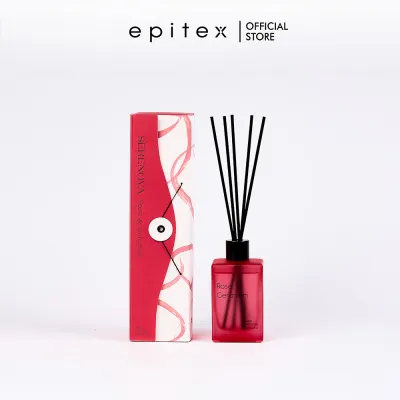
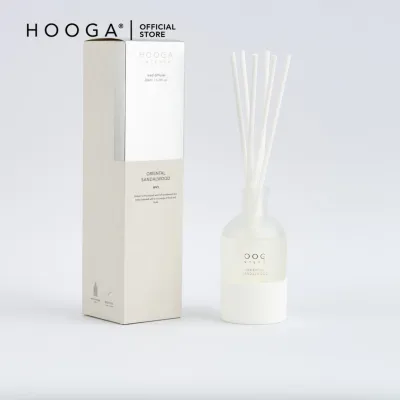
![[ONLINE EXCLUSIVE] Hooga SCENTFUL LIVING Reed Diffuser 180ml | Home Fragrance](https://img.lazcdn.com/g/p/8317d46b06101cb0c714d6b274a8b012.jpg_400x400q80.jpg_.webp)
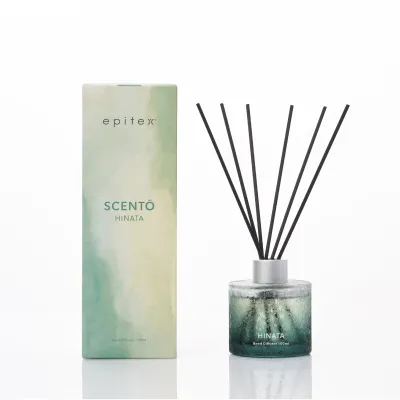
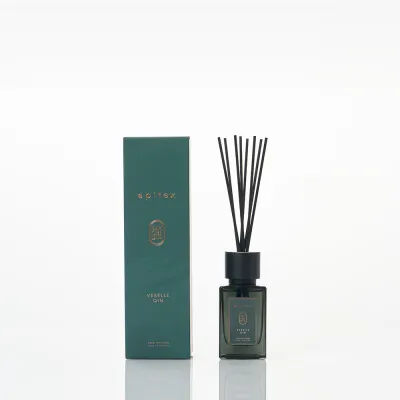
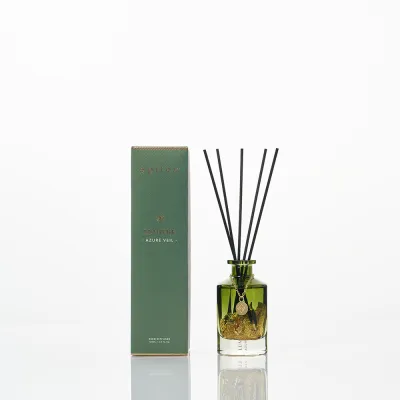
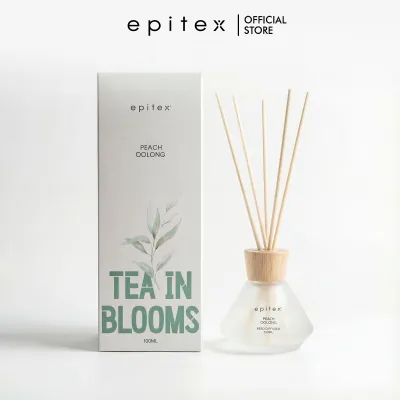
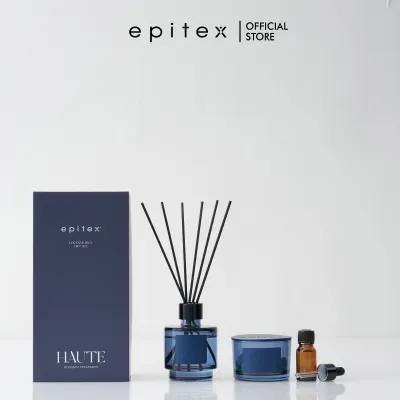
Prices are valid at publication and may change. Please refer to the product page for the latest price.
Your primary aromatherapy goals should also dictate your choice. If you desire a continuous, subtle background fragrance that lingers throughout the day, you will need a device designed for long, steady operation. On the other hand, if you prefer short, intense bursts of scent to help you focus during a work session or unwind right before sleep, a rapid-delivery system that operates on a short timer is far more effective. Defining these goals early prevents you from purchasing a device that either underperforms or overwhelms your senses.
Key Features to Evaluate Before Buying
When comparing different oil diffusers, the tank capacity is one of the most critical specifications to check. Measured in milliliters, the water capacity directly influences how long the device can operate before requiring a refill. A compact 100ml diffuser is highly portable and ideal for a bedside table, typically running for three to five hours. Larger models with capacities ranging from 300ml to 500ml can operate continuously for ten hours or more, making them suitable for all-day use in larger living areas.

To manage this output effectively, look for devices that offer flexible mist settings and timer functions. Intermittent mist modes—which cycle the diffusion on and off at set intervals, such as 30 seconds of mist followed by 30 seconds of rest—can double the operational runtime of a single tank. Built-in timers allow you to program the device to run for one, three, or six hours before turning off automatically. An automatic low-water shutoff mechanism is an indispensable safety feature that cuts power to the atomizing plate the moment the tank runs dry, preventing overheating and electrical damage.
Operational noise is another factor that heavily impacts daily satisfaction, especially if the diffuser is placed in a bedroom or home office. Most high-quality diffusers operate below 30 decibels, which is comparable to a soft whisper. The sound profile generally consists of a gentle mechanical hum from the internal fan and the occasional soothing sound of bubbling water. If you are highly sensitive to noise while sleeping, prioritize models specifically reviewed for silent operation, and avoid mechanical pump-style diffusers which tend to vibrate against hard surfaces.
Many modern diffusers also serve as decorative accent lights, featuring integrated LED arrays. These lights often offer customizable color cycles, fixed single-color modes, or warm white options that mimic a candle’s glow. When evaluating these features, ensure the light function can be operated completely independently of the misting function. This flexibility allows you to use the device as a pure nightlight without dispersing scent, or conversely, run the diffuser in complete darkness to maintain a pitch-black sleeping environment.
Matching Diffuser Types to Your Home Lifestyle
Understanding the different technologies behind oil diffusers will help you choose a model that fits seamlessly into your daily routine. The most common type is the ultrasonic diffuser, which uses a small ceramic disc vibrating at an ultrasonic frequency to break down a mixture of water and essential oil into a fine, cool mist. These devices are highly popular because they are affordable, quiet, and double as extremely mild humidifiers. However, because they rely on standing water, they require regular cleaning to prevent mineral buildup and mold growth.
For those who prefer a highly concentrated, pure fragrance experience, a nebulizing diffuser is often the preferred choice. Nebulizers do not use water or heat; instead, they use an air pump to force essential oil through a tiny nozzle, atomizing the pure oil directly into the air as a microscopic vapor. This method preserves the chemical integrity of the essential oils and delivers a powerful scent throw that quickly fills large spaces. The trade-offs include a higher rate of oil consumption, a slightly louder operational hum, and a higher initial purchase price.
Heat and evaporative diffusers represent simpler, more traditional options. Heat diffusers use an electrical element or a small candle to warm the oil and accelerate evaporation, while evaporative models use a small fan to blow air through a pad saturated with oil. While these options are virtually silent and highly portable, the application of heat can sometimes alter the delicate chemical compounds of certain essential oils, reducing their therapeutic value. Additionally, their scent throw is generally limited to the immediate surrounding area, making them less effective for spacious rooms.
Your household composition should play a major role in this decision. If you live in a busy household with young children or active pets, avoiding open-flame heat diffusers is a matter of basic safety. Cool-mist ultrasonic diffusers are generally the safest option here, provided they are placed securely out of reach. If anyone in your home suffers from asthma, allergies, or other respiratory sensitivities, you must exercise caution; the fine particulates released by both ultrasonic and nebulizing diffusers can sometimes trigger irritation, making a highly controllable, low-output device the safest starting point.
Safety Checks, Electrical Compliance, and Maintenance
Because oil diffusers are electrical appliances that combine water and power, verifying their safety compliance is paramount. In Singapore, any power adapter supplied with a household appliance should ideally carry the local SAFETY Mark, which indicates the device has been tested and approved for safe use under local electrical standards. Ensure the device is compatible with Singapore’s standard voltage of 230V at 50Hz and comes equipped with a standard Type G three-pin plug, or a certified USB power cable that can be connected to a compliant local adapter.
Safe physical placement of your diffuser prevents accidental spills and damage to your home decor. Always place the device on a flat, stable, and water-resistant surface. Avoid placing ultrasonic diffusers directly on solid wood furniture, near delicate paper wallpapers, or close to electrical outlets and electronic devices, as the settling cool mist can leave a damp residue over time. Keep the diffuser away from direct sunlight and heat sources, which can degrade both the plastic housing of the device and the quality of your essential oils.
Maintaining a strict cleaning routine is the only way to ensure your diffuser remains hygienic and functions at peak performance. For ultrasonic models, empty any remaining water from the tank daily and wipe it dry with a clean cloth to prevent bacterial growth. Once a week, perform a deeper clean: fill the tank halfway with clean water, add a tablespoon of white vinegar, and run the device for five minutes in a well-ventilated area. This mild acid safely dissolves mineral scaling from Singapore’s tap water and cuts through stubborn oil residues without damaging the delicate ultrasonic plate.
Finally, you must remain vigilant for signs of mechanical or electrical failure. Immediately unplug the device and cease use if you notice a sudden drop in mist output, a burning smell, unusual grinding noises from the internal fan, or water leaking from the bottom of the casing. In these scenarios, avoid attempting to disassemble the electrical base yourself; instead, consult the manufacturer’s troubleshooting guide or contact their customer service department to check if the issue is covered under your product warranty.
Building Your Shortlist and Purchasing Safely
When you are ready to compile your shortlist of potential diffusers, focus on purchasing from authorized local distributors or official brand stores. Buying from reputable sellers ensures that you receive a genuine product designed for the local market, complete with the correct power specifications. Be cautious of extremely cheap, unbranded imports found on online marketplaces; these often lack proper electrical certifications, use low-grade plastics that can degrade when exposed to pure essential oils, and rarely offer any form of customer support.
Always check the specific warranty terms before finalizing your purchase. A reliable manufacturer will typically offer a local warranty of at least six months to one year, covering manufacturing defects and electrical failures. Having access to a local service center or a responsive customer support channel in Singapore makes the resolution process straightforward if you encounter any issues. Additionally, check if the seller offers replacement parts, such as extra glass reservoirs for nebulizers or replacement power cords, which can significantly extend the lifespan of your investment.
Lastly, calculate the total cost of ownership rather than focusing solely on the upfront price of the device. While a basic ultrasonic diffuser might cost anywhere from S$20 to S$60, and a premium nebulizer can range from S$80 to over S$180, the ongoing cost of high-quality essential oils will eventually surpass the cost of the machine itself. Because nebulizers consume oil at a much faster rate than water-based ultrasonic models, they will incur higher running costs over time. Balancing these long-term expenses against your initial budget will help you choose a sustainable aromatherapy setup for your home.
Frequently Asked Questions (FAQ)
Can I use tap water in an ultrasonic oil diffuser?
Yes, you can use tap water in most ultrasonic oil diffusers, as Singapore’s tap water is clean and safe. However, tap water contains trace minerals that will gradually accumulate on the ultrasonic vibrating plate, forming a white crust known as mineral scaling. Over time, this buildup restricts the plate’s movement, leading to a noticeable decrease in mist output and potentially shortening the lifespan of the device. To minimize maintenance and keep your diffuser running efficiently, many manufacturers recommend using distilled or filtered water. Always check your specific product manual, as some high-end models are calibrated specifically for tap water to help the sensor detect water levels accurately.
Are essential oil diffusers safe to use around pets and infants?
While the physical devices themselves are generally safe, diffusing certain essential oils can pose serious health risks to pets and infants. Dogs and cats have highly sensitive respiratory systems and lack specific liver enzymes needed to metabolize many common essential oils, such as tea tree, eucalyptus, peppermint, and citrus oils, which can lead to toxicity. Similarly, infants and very young children have delicate airways that can easily become irritated by airborne oil particles. If you choose to diffuse oils in a home with pets or children, always consult a qualified veterinarian or pediatrician first. Ensure the room is exceptionally well-ventilated, keep the diffusion sessions short, and always leave an open door so your pets can freely exit the room if the scent becomes uncomfortable for them.
How often should I clean my home oil diffuser?
To maintain optimal performance and hygiene, you should give your diffuser a quick rinse and wipe-down every time you change your essential oil blend or at least once every three days. This prevents different scents from mixing and stops stagnant water from breeding bacteria. A thorough deep cleaning with white vinegar should be performed once a week if you use the device daily, or once every two weeks for occasional users. If you notice a musty odor, a visible oily film on the inside of the tank, or a sudden reduction in the volume of mist being produced, these are clear indicators that your device requires immediate cleaning and descaling.
Community discussion
Share your experience or ask a question. Comments are reviewed before publication.