
Selecting the right oil lamp for your prayer altar requires balancing physical dimensions, material properties, and safety considerations. The appropriate lamp fits securely within your available space, aligns with your specific worship tradition, and operates safely without posing a fire hazard. By evaluating your altar’s layout and understanding how different materials behave under heat, you can choose a vessel that serves its spiritual purpose while maintaining a safe home environment. Whether you are setting up a new sacred space or upgrading an existing one, taking the time to measure your space and select the appropriate materials will ensure a harmonious and safe practice.
Measuring Your Altar Space for the Right Lamp Size
Before purchasing an oil lamp, you must measure the physical dimensions of your altar space. Start by identifying the exact surface area where the lamp will sit. Use a measuring tape to determine the depth and width of this designated spot, keeping in mind that the lamp must not sit too close to the edge. A secure buffer zone of at least several centimeters is recommended to prevent accidental knocks, especially on narrow shelves or floating altars. If you plan to place a pair of lamps, ensure there is sufficient space on both sides of the central deities or tablets without crowding other ritual items like incense burners or offering cups.
Consider the height of the lamp in relation to other items on your altar. An oil lamp should not block the view of central statues, ancestral tablets, or sacred wall hangings. If your altar features multiple tiers, measure the vertical clearance between shelves. The flame of the lamp needs ample open space above it to prevent heat from scorching the shelf above or causing discoloration. Ensure that the visual weight of the lamp complements, rather than dominates, the overall arrangement, creating a balanced and serene focal point.
Products mentioned in this guide
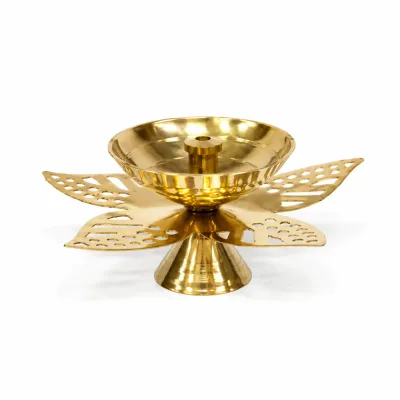
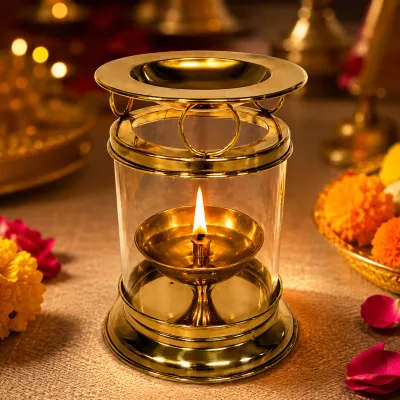
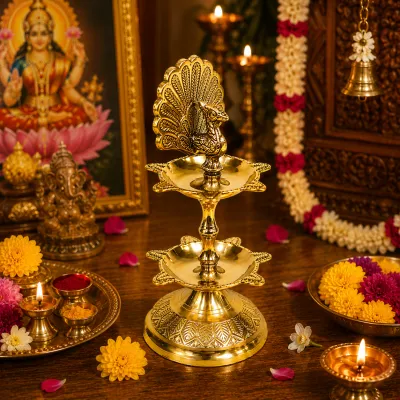
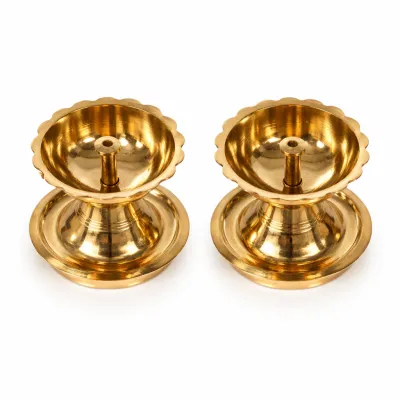

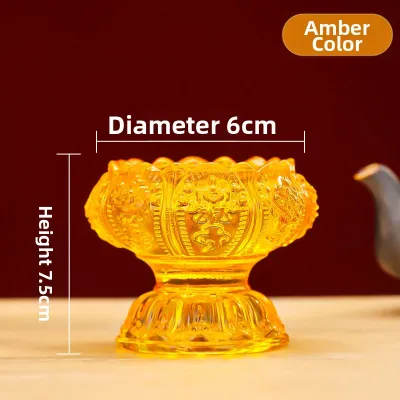
Prices are valid at publication and may change. Please refer to the product page for the latest price.
In compact living spaces, such as apartments in Singapore, space on home altars is often limited. If you are using a wall-mounted or floating altar shelf, check its maximum weight capacity. Heavy metal lamps, especially when filled with oil, can place significant structural strain on floating brackets and wall anchors. Weighing the lamp and calculating the weight of the liquid fuel will help you determine if your shelf can safely support the setup over time, preventing sudden structural failures.
Matching Lamp Materials to Your Worship Tradition
The material of your oil lamp plays a significant role in both its aesthetic appeal and its alignment with specific worship traditions. Brass and copper are highly favored in many Hindu and Buddhist practices due to their traditional associations with purity, durability, and auspiciousness. These metals offer excellent longevity and a classic, warm metallic sheen that reflects the flame beautifully, enhancing the spiritual atmosphere. Over time, brass and copper naturally develop a patina due to oxidation, which some practitioners appreciate as a sign of devotion and passage of time, while others prefer to polish them regularly to maintain a bright, reflective finish.

Ceramic and glass lamps are also widely used, particularly in Taoist and ancestral worship. Glass lamps allow you to monitor the oil level easily, which helps prevent the wick from burning dry and producing unpleasant smoke. Ceramic vessels often feature intricate hand-painted motifs, traditional glazes, or sacred characters that blend seamlessly with classic wooden altars. However, both glass and ceramic are fragile materials. If your ritual practices require moving the lamp frequently for daily cleaning, refilling, or offering rituals, you must handle these vessels with extra care to avoid chips, cracks, or shattering.
Before finalizing your choice, verify if your specific religious guidelines or temple authorities dictate any material restrictions. Some traditions prefer specific metals for certain rituals, while others prioritize simplicity and discourage highly ornate designs. Understanding these cultural nuances ensures that your selected lamp respects the established practices of your lineage while fitting harmoniously into your daily devotion routine. Choosing a material that resonates with your personal practice and meets your maintenance preferences will create a more meaningful worship experience.
Ensuring Safe Placement and Heat Clearance
Operating an open-flame oil lamp requires strict adherence to fire safety protocols. You must maintain adequate vertical and horizontal clearance from any combustible materials. Wooden ceilings, fabric backdrops, paper offerings, and decorative hanging ornaments must be kept far away from the rising heat and open flame. A minimum vertical clearance of at least one meter is generally recommended above the flame, though you should adjust this based on the size of the flame and the surrounding ventilation. Drafts from open windows, fans, or air conditioning units can cause the flame to flicker wildly or carry heat toward nearby flammable objects.
Stability is another critical factor in preventing fire hazards. Choose a lamp with a wide, heavy base that resists tipping. This is especially important in active households with children, pets, or high foot traffic near the altar area. If the lamp base feels unstable or top-heavy when filled with oil, do not use it. Placing the lamp on a dedicated heat-resistant mat, a stone slab, or a raised metal tray can protect sensitive wooden or lacquered altar surfaces from heat damage and catch accidental oil drips, preventing permanent stains or heat marks.
If your altar space lacks proper ventilation or cannot accommodate the necessary safety clearances, you must pause and address these issues before lighting the lamp. Do not operate an open flame in a tightly enclosed cabinet or a cramped niche without active airflow, as heat and carbon monoxide can build up rapidly. If safe conditions cannot be met, consider alternative lighting options, such as low-voltage electric altar lamps or certified LED candles, to ensure your home remains safe while still honoring your traditions.
Cleaning and Maintaining Your Oil Lamp
Regular maintenance is essential to keep your oil lamp burning cleanly and safely. Before performing any cleaning, always extinguish the flame completely and allow the entire vessel to cool down to room temperature. Attempting to clean a hot lamp can cause thermal shock, cracking glass or ceramic, or lead to painful burns. Once cool, carefully pour out any remaining oil into a safe container for disposal or storage, following local waste guidelines. Never pour used oil down the sink, as it can clog your plumbing and harm the environment.
Match your cleaning methods to the specific material of your lamp, always referring to the manufacturer’s instructions. For polished brass or copper, use a soft microfiber cloth and a mild metal polish, avoiding abrasive scrubbers that can scratch the surface or strip away protective coatings. Ceramic and glass lamps can usually be washed with warm, soapy water, but you must rinse them thoroughly to remove all soap residue, which could otherwise contaminate the oil during the next use. Ensure the lamp is completely dry before refilling it with oil.
Inspect the wick holder and the interior of the fuel reservoir regularly. Over time, carbon deposits and sticky oil residue can build up, clogging the wick holder and reducing burning efficiency. Use a small brush, a pipe cleaner, or a cotton swab to clear any blockages. Finally, store your unused lamp oil, spare wicks, and cleaning supplies in a cool, dry place away from the altar and any potential ignition sources, keeping them out of reach of children and pets.
Frequently Asked Questions (FAQ)
Can I use standard cooking oil instead of traditional lamp oil?
No, you should not use standard cooking oil in a dedicated prayer oil lamp. Cooking oils, such as canola, vegetable, or olive oil, have a much higher viscosity and a different smoke point compared to refined lamp oils. Because they are thicker, cooking oils do not draw up the wick efficiently, leading to incomplete combustion. This results in excessive smoke, heavy soot buildup on your altar walls, and a clogged wick that is difficult to light. To ensure a clean, steady burn and to protect your health and home decor, always use the specific fuel types recommended by your lamp’s manufacturer, such as highly refined paraffin oil or specialized prayer oil.
How often should I trim or replace the oil lamp wick?
You should trim your oil lamp wick before every use to maintain a controlled, clean flame. Look for visual signs of degradation, such as a heavily charred, mushroom-shaped tip, an uneven flame, or excessive flickering. Trimming away the burnt portion—leaving just a few millimeters of clean wick exposed—prevents soot and ensures an even burn. A complete wick replacement is necessary when the wick becomes too short to reach the bottom of the oil reservoir or when it becomes heavily clogged with residue and no longer absorbs oil properly. Always refer to the manufacturer’s instructions for the correct wick thickness and material for your specific lamp model.
Is it safe to leave an oil lamp burning unattended on the altar?
It is never safe to leave an open-flame oil lamp burning unattended in your home. Unattended open flames are a primary cause of residential fires, as sudden drafts, falling decorative items, or curious pets can easily tip the lamp or ignite nearby materials. If your tradition requires continuous, uninterrupted illumination on the altar, you should transition to safe alternatives when you leave the house or go to sleep. Approved low-voltage electric altar lamps or flameless LED candles provide a reliable, risk-free glow. Always ensure the oil lamp’s flame is fully extinguished and the vessel has cooled down before you leave the room for an extended period.
Community discussion
Share your experience or ask a question. Comments are reviewed before publication.