
Creating a warm, inviting living room depends heavily on your choice of secondary lighting, and selecting a floor lamp from Philips is one of the most effective ways to achieve this cozy atmosphere. To establish a truly relaxing ambiance, the ideal floor lamp must offer adjustable warm color temperatures, glare-reducing diffusion, and flexible dimming capabilities. Whether you choose a cutting-edge smart fixture from the Philips Hue ecosystem or a classic, integrated LED model with physical controls, the right lamp serves as both a design statement and a functional tool for visual comfort. By understanding how different models distribute light and integrate with your daily routines, you can easily transform your living space into a soothing sanctuary.
Key Lighting Features for a Cozy Living Room Atmosphere
To select a floor lamp that genuinely enhances the warmth of your living room, it is essential to look beyond the external aesthetic and evaluate the core lighting specifications. The way a lamp projects, colors, and controls its light determines whether a space feels cold and clinical or soft and welcoming. Focusing on technical parameters such as color temperature, dimming precision, and diffusion materials will help you make an informed decision.
Color Temperature and Visual Comfort
Color temperature, measured in Kelvin (K), is the primary driver of atmospheric warmth in any interior space. For a cozy, intimate living room environment, you should look for light sources that emit warm white light, typically rated at 2700K or lower. Traditional incandescent bulbs naturally sit at this warm threshold, and modern LED alternatives from Philips are specifically engineered to replicate this gentle, amber-toned glow.
Products mentioned in this guide
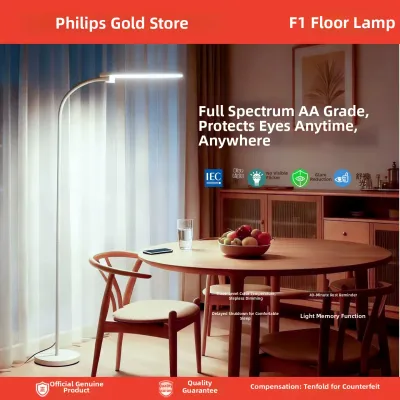
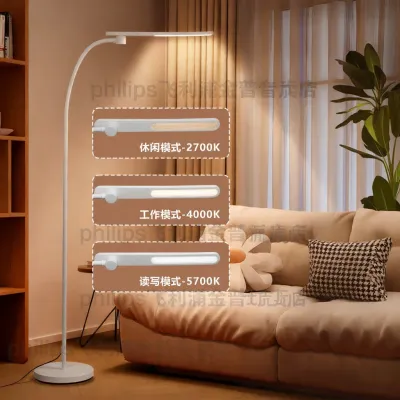
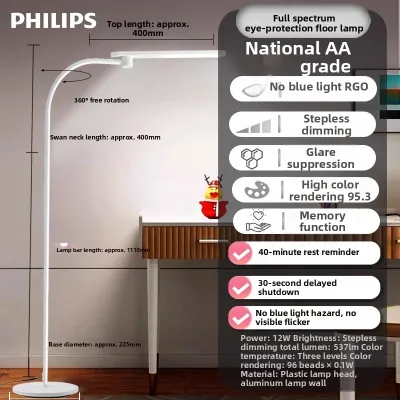
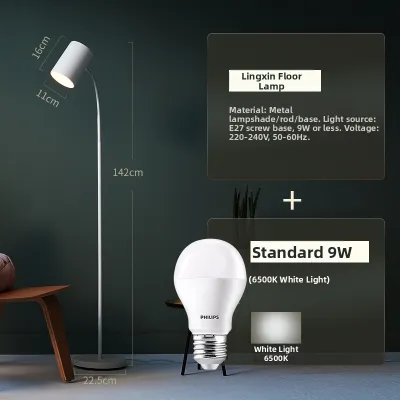
Prices are valid at publication and may change. Please refer to the product page for the latest price.
When light temperatures rise to 4000K or higher, the output transitions into a cool, blue-toned white that mimics daylight. While cool light is highly effective for focus and productivity in offices or kitchens, it can feel harsh and stimulating in a relaxation space. Opting for a lower Kelvin rating signals to your body that it is time to wind down, supporting your natural circadian rhythm as evening approaches.
Furthermore, high-quality Philips lamps often boast a high Color Rendering Index (CRI), typically above 80 or 90. A high CRI ensures that the warm light accurately brings out the rich textures of your wooden furniture, fabric sofas, and decorative rugs. This color accuracy prevents the space from looking washed out or muddy under low-light conditions.
Dimming Capabilities and Scene Transition
Static, single-brightness lighting rarely satisfies the diverse demands of a modern living room. A floor lamp that is bright enough for reading a book in the afternoon will likely feel blindingly bright when you are watching a movie at night. Adjustable brightness is therefore a non-negotiable feature for creating a versatile, cozy ambiance.
Smooth dimming allows you to transition your living room through various daily phases. In the early evening, a medium brightness level can bridge the gap between natural twilight and nightfall, providing enough illumination for social interaction or light tasks. As night progresses, lowering the intensity to a soft glow creates a calming, low-stimulus environment perfect for late-night relaxation.
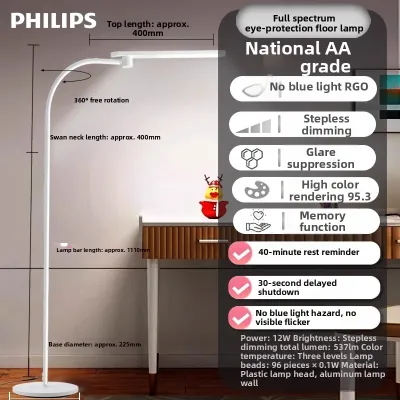
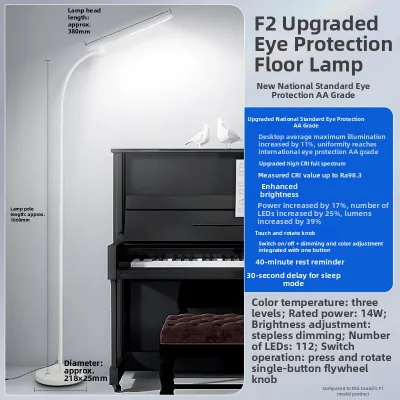
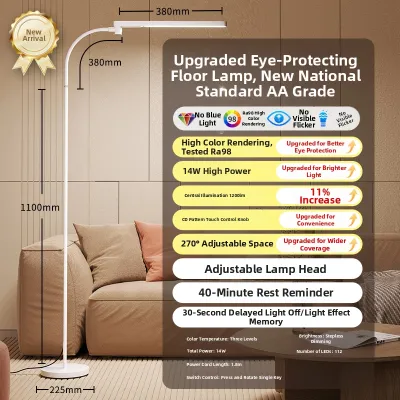
When evaluating dimming methods, look for fixtures that offer continuous, flicker-free dimming rather than stepped levels. High-quality electronic dimming systems, such as those integrated into Philips LED products, prevent the subtle, high-frequency flickering that can cause eye strain or headaches over extended periods.
Light Diffusion and Shades
The physical design of a lamp’s shade or diffuser plays a critical role in how light is scattered throughout the room. Direct, unshielded light sources create intense glare and cast sharp, dramatic shadows, both of which detract from a relaxing atmosphere. Effective diffusion softens these transitions, spreading light gently across a wider surface area.
Fabric shades, frosted glass globes, and synthetic diffusers are excellent options for achieving a soft scatter. Fabric shades, particularly those in off-white, cream, or beige tones, filter the light while adding a subtle texture to the glow itself. Frosted glass, on the other hand, provides a clean, modern aesthetic while completely hiding the bright point-source of the LED bulb.
Additionally, many contemporary Philips floor lamps utilize indirect lighting designs, where the light source is directed toward a wall or ceiling. This technique relies on the reflective properties of your room’s surfaces to scatter the light, entirely eliminating direct glare and creating an incredibly soft, ambient backdrop.
Philips Floor Lamp Categories: Smart vs. Traditional Dimmable
Philips offers two distinct paths when it comes to floor lighting: the highly customizable, smart Philips Hue ecosystem and the straightforward, traditional dimmable or integrated LED fixtures. Choosing between these categories depends on your budget, your familiarity with smart home technology, and how much control you want over your daily lighting scenes.

Smart Ambiance Lighting (Philips Hue Ecosystem)
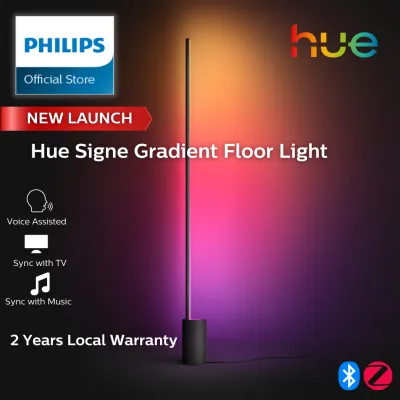
The Philips Hue smart ecosystem represents the pinnacle of atmospheric control, allowing you to fine-tune your living room’s lighting with extreme precision. These floor lamps do not just dim; they offer color-tuning capabilities that range from crisp daylight to deep, warm amber, and even millions of decorative colors. This flexibility makes it simple to dial in the exact shade of warmth that matches your mood or the time of year.
With smart lighting, you can access preset light recipes specifically designed for relaxation, such as “Warm Sunset” or “Candlelight.” These scenes use subtle color variations and gentle pulsations to mimic natural light sources, creating a deeply immersive and calming environment. You can also program gradual transitions, allowing the lamp to slowly dim and warm up automatically as bedtime approaches, helping your household establish healthy evening routines.
Control is incredibly versatile, operating via a dedicated smartphone app, physical smart switches, or voice commands through popular smart home platforms. However, this advanced functionality comes with specific hardware considerations. While basic Bluetooth control is available for single-room setups, unlocking the full suite of automation features, remote access, and multi-room synchronization requires a Philips Hue Bridge. This bridge connects directly to your home router, establishing a robust Zigbee network that keeps your smart lamps responsive without cluttering your home Wi-Fi bandwidth.
Traditional Dimmable and Integrated LED Options
For homeowners who prefer simplicity and immediate usability, traditional dimmable Philips floor lamps and integrated LED fixtures offer a highly reliable and cost-effective alternative. These lamps do not require internet connections, smartphone applications, or firmware updates to function. They are ready to use the moment you plug them in, making them exceptionally user-friendly for all generations.
Traditional options typically rely on physical controls integrated directly into the lamp’s structure, such as rotary dimmer switches, touch-sensitive poles, or convenient foot pedals. This tactile feedback provides an immediate, satisfying way to adjust your lighting without searching for a phone or calling out to a voice assistant. Many of these fixtures feature classic, architectural designs that blend seamlessly into minimalist, mid-century, or traditional living room decors.
While highly dependable, traditional dimmable lamps do have clear limitations. They cannot participate in automated smart home routines, and their color temperature is usually fixed at a single warm-white specification (typically 2700K). This means you cannot adjust the light to a cooler temperature for daytime cleaning or reading, locking the fixture permanently into its warm-toned role. Additionally, you cannot control these lamps remotely or sync them with other smart devices in your home.
Placement Strategies to Maximize Warmth and Comfort
Even the most advanced floor lamp will fail to create a cozy atmosphere if it is positioned poorly within your living room. Strategic placement is the key to maximizing the soft, diffused qualities of warm lighting while minimizing uncomfortable glare and harsh shadows. By treating your floor lamp as a key component of a larger spatial design, you can dramatically improve the visual comfort of your home.
Corner and Wall Washing
Placing a floor lamp in an empty corner is a classic interior design technique that yields excellent atmospheric results. When a lamp is positioned near a corner, its light bounces off the adjacent walls, creating a broad, soft wash of illumination. This indirect light softens the sharp boundaries of the room, making the entire space feel larger, airier, and more inviting.
For this technique to work effectively, consider using an uplighter or a lamp with an adjustable head directed toward the wall. The wall acts as a giant reflector, scattering the light back into the room without exposing your eyes to a bare bulb. Keep in mind that the color of your walls will influence the reflected light; light-colored walls (such as off-white, cream, or light beige) are ideal for preserving the warm, clean tones of your Philips lamp.
If your living room features textured wall surfaces, such as exposed brick, stone, or textured wallpaper, wall washing can highlight these architectural details beautifully. The grazing angle of the light casts subtle shadows across the texture, adding depth and visual interest to the room while maintaining a soft, ambient glow.
Light Layering
A common mistake in living room design is relying on a single, central ceiling light to illuminate the entire space. This overhead-only approach often results in flat, clinical lighting with dark shadows in the corners. To create a warm and dynamic atmosphere, you should combine multiple sources of light at different heights—a concept known as light layering.
In a well-layered living room, your lighting is divided into three distinct categories: ambient, task, and accent. A Philips floor lamp can serve multiple roles depending on its design and placement. A tall uplighter contributes to general ambient lighting, while an adjustable arch lamp or reading lamp provides localized task lighting next to an armchair.
To achieve balance, pair your floor lamp with low-level accent lights, such as table lamps on side boards or LED light strips tucked behind media consoles. By spreading these light sources across different heights and zones, you eliminate dark pockets and create a rich, multi-dimensional environment that feels naturally warm and balanced.
Glare Management
Visual comfort is easily disrupted by glare, which occurs when a bright light source shines directly into your eyes or reflects off polished surfaces. In a living room, the two primary sources of glare are direct sightlines to exposed bulbs and reflections on television or computer screens. Careful positioning of your floor lamp can easily mitigate both issues.
When placing a lamp near seating areas, ensure that the shade completely conceals the bulb from the perspective of someone sitting down. If you are using an adjustable task lamp for reading, position it slightly behind and to the side of your armchair so the light falls onto your book rather than directly into your field of vision.
To prevent distracting screen reflections, avoid placing floor lamps directly opposite your television. Instead, position them to the side of the TV or behind it as a bias light. Bias lighting—placing a soft, warm light source behind the screen—actually reduces eye strain by minimizing the stark contrast between the bright display and the dark surrounding wall, making your evening movie sessions far more comfortable.
Pre-Purchase Checklist for Shoppers in Singapore
Before purchasing a Philips floor lamp, it is important to verify several practical, electrical, and spatial details to ensure the fixture is safe, compatible, and physically suited for your home. Taking these factors into account before buying will prevent installation issues and ensure a long-lasting, satisfying addition to your living space.
Electrical Compatibility and Plug Types
Singapore operates on a 230V alternating current (AC) electricity supply at a frequency of 50Hz. When sourcing a Philips floor lamp, always verify that the model is rated for this voltage standard. While lamps purchased from authorized local retailers are guaranteed to match these specifications, fixtures imported directly from overseas markets (such as North America, which uses 110V) may not be compatible without a transformer, posing a serious safety hazard.
Additionally, check the plug type supplied with the lamp. Singapore homes utilize the Type G three-pin plug. Ensure your new lamp comes fitted with an approved Type G plug or a manufacturer-provided, safety-certified adapter. Avoid using cheap, uncertified travel adapters for long-term household appliances, as poor connections can lead to overheating and electrical faults.
For ultimate peace of mind, look for the Enterprise Singapore Safety Mark on the product packaging or the power adapter. This mark indicates that the electrical appliance has been rigorously tested and certified safe for use in Singapore households, protecting your family from potential electrical hazards.
Space, Dimensions, and Layout
Before committing to a specific floor lamp model, carefully measure your living room’s physical dimensions and compare them against the lamp’s specifications. Consider both the height of the fixture and the footprint of its base. This is particularly important in Singapore, where residential spaces like HDB flats and condominiums often feature distinct layout constraints.
Standard HDB and condominium ceiling heights typically range from 2.6 to 2.8 meters. A floor lamp standing between 1.5 and 1.8 meters tall will scale beautifully within these spaces, providing ample clearance without feeling visually overwhelming. If you are considering a dramatic, overhanging arch lamp, ensure that its highest curve leaves plenty of headroom and does not obstruct walkways or doors.
Next, evaluate the lamp’s base diameter. Weighted bases are essential for keeping tall lamps stable, but they require a dedicated spot on your floor. Ensure the base can slide comfortably under or beside your sofa without creating a tripping hazard in high-traffic walkways. If you have pets or young children, prioritizing a highly stable, heavy-based design is crucial for preventing accidental tip-overs.
Warranty and Authenticity
To protect your investment, always purchase your Philips lighting products from authorized local distributors, official brand stores, or reputable physical lighting showrooms. Buying from official channels guarantees that you are receiving an authentic product rather than a counterfeit or a parallel import that may lack proper safety testing.
Authorized local purchases come with valid local warranties, which typically cover manufacturing defects and electrical failures for a specified period (often one to two years). If you encounter any issues with your lamp, a local warranty ensures you can easily access customer support, repairs, or replacements without the hassle and expense of shipping the product back overseas.
Keep your purchase receipt and any warranty registration documents in a safe place. When buying online, verify that the seller is listed as an official or preferred partner of Philips Lighting (now operating under the Signify brand name) to ensure you receive full after-sales support.
Frequently Asked Questions (FAQ)
Can I use a Philips Hue floor lamp without a bridge?
Yes, many modern Philips Hue floor lamps feature built-in Bluetooth connectivity, allowing you to control them directly from your smartphone without a Hue Bridge. Through the Bluetooth app, you can easily adjust brightness, change colors, and select preset warm scenes within a single room. However, to access advanced features such as out-of-home control, automated schedules, synchronization with media, and integration with a wider smart home ecosystem, you will need to connect the lamp to a Philips Hue Bridge.
What is the ideal lumen output for a cozy living room?
For a cozy, ambient living room atmosphere, a floor lamp with an output of 400 to 800 lumens is generally ideal. This range provides a soft, non-intrusive glow that is perfect for relaxing or socializing. Rather than focusing solely on maximum lumen output, prioritize a lamp with high-quality dimming capabilities. This allows you to scale the brightness down to 100 lumens or lower for late-night wind-downs, ensuring the light is always perfectly suited to the moment.
Do integrated LED Philips floor lamps allow bulb replacement?
Most modern Philips floor lamps with integrated LED designs do not allow for bulb replacement, as the LED light source is permanently built into the fixture’s structure. These integrated LEDs are highly efficient and engineered to last for tens of thousands of hours—often up to 25,000 or 50,000 hours of use. Under normal household conditions, this translates to decades of reliable operation, making bulb replacement unnecessary. Always check the specific product manual for exact lifespan ratings and care instructions.
Community discussion
Share your experience or ask a question. Comments are reviewed before publication.