
Creating a dedicated space for prayer and reflection brings a sense of tranquility and spiritual grounding to any home. At the heart of this sacred setup is the pooja chowki, a raised platform or low pedestal designed to elevate deities, sacred texts, and ritual items. Choosing the right chowki requires balancing traditional practices with the practical realities of your living space, material durability, and safety. Whether you are investing S$80 in a simple wooden stand or S$500 in an elaborate multi-tiered unit, evaluating your room layout, understanding the weight of your sacred items, and selecting materials that can withstand daily rituals will help you establish a harmonious and enduring sanctuary.
Assess Your Space and Placement Constraints
Before exploring online marketplaces or local showrooms, you must accurately measure the physical footprint of your intended prayer area. In modern apartments, such as those in Singapore, floor space is often at a premium, making precise measurements of width, depth, and vertical clearance essential. Use a standard measuring tape to map out the exact boundaries where the pooja chowki will sit. Remember to account for the height of the tallest deity or picture frame you plan to place on the platform, ensuring there is ample vertical clearance below any overhead shelves, cabinets, or ceiling fixtures.
The layout of your room will largely dictate the optimal placement type for your chowki. A freestanding unit offers the flexibility of being placed on an existing table, console, or directly on a dedicated section of the floor, making it highly adaptable if you decide to rearrange your home. For smaller apartments or multi-functional rooms, a wall-mounted chowki or a compact corner unit can maximize vertical space while keeping the floor clear. If you choose a wall-mounted option, verify the wall type—such as concrete versus drywall—to ensure it can securely support the weight of the platform and all accompanying items.
Products mentioned in this guide
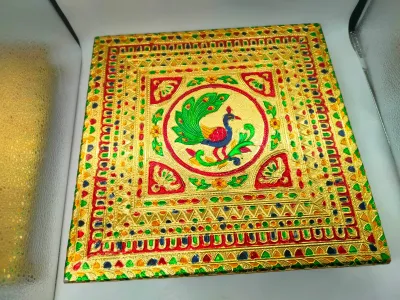
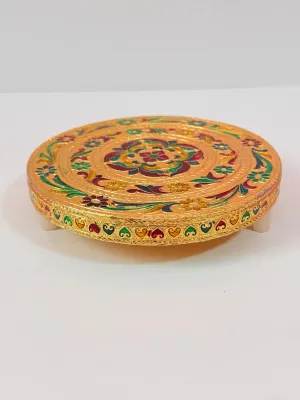
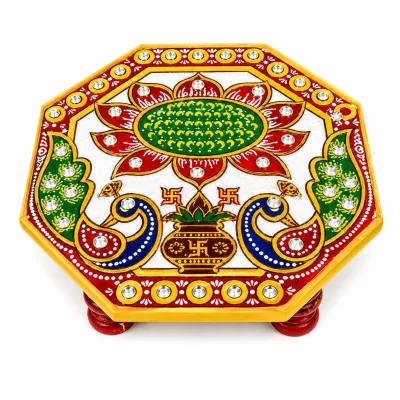
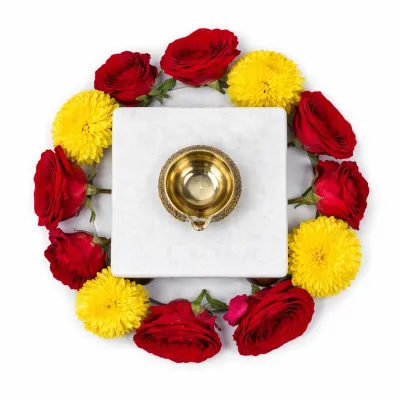
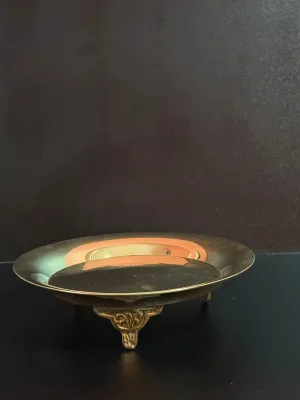
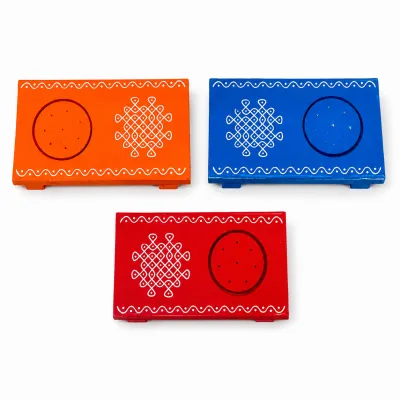
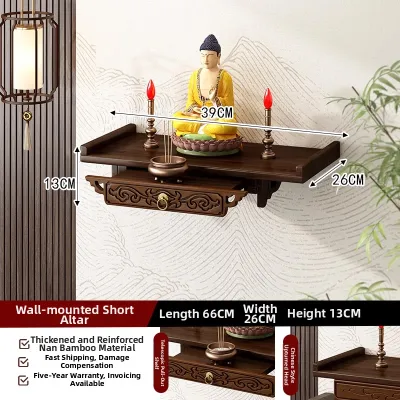
Prices are valid at publication and may change. Please refer to the product page for the latest price.
Beyond the physical dimensions of the chowki itself, you must plan for the surrounding space to accommodate daily rituals comfortably. Ensure there is sufficient room in front of the altar for family members to sit, kneel, or stand during prayers without obstructing major walkways or door openings. If your practice involves sitting on a prayer mat on the floor, measure this area as well to prevent a cramped layout. Proper clearance around the chowki also facilitates safe movement when handling lit oil lamps, incense, or water vessels, reducing the risk of accidental spills or contact with hot surfaces.
Align the Design with Your Deity and Worship Practices
The structural design of your pooja chowki should directly support the specific deities and ritual items central to your worship. If your daily prayers involve multiple deities, a multi-tiered or stepped chowki is highly practical. This tiered arrangement allows you to place primary deities on the highest level while arranging secondary pictures, a sacred water pot, and daily offering bowls on the lower steps. This hierarchical layout not only respects traditional placement guidelines but also ensures that every item remains visible and accessible during your rituals.

When planning the layout, consider the spacing between individual deities to prevent a crowded appearance. Leaving a few centimeters of space between idols allows for easier cleaning and prevents items from accidentally knocking into one another during daily offerings. Additionally, ensure the depth of each tier is sufficient to accommodate the base of your largest idol securely, preventing any overhang that could lead to instability.
Weight capacity is a critical safety and structural consideration that is frequently overlooked. Heavy brass or stone idols, large metal oil lamps, and water-filled vessels can exert significant downward force on the platform. Before purchasing, check the manufacturer’s specifications regarding weight limits and shelf thickness. Solid wood or reinforced metal platforms are generally recommended for heavier items, whereas thin engineered wood or glass surfaces should be reserved for lightweight picture frames and smaller decorative pieces. A sagging shelf not only compromises the aesthetic of your altar but also poses a serious risk of tipping or structural failure.
To maintain a serene and clutter-free prayer environment, consider a pooja chowki with integrated storage solutions. Built-in drawers, pull-out trays, or lower cabinets are incredibly useful for organizing daily essentials such as incense packets, matchboxes, cotton wicks, camphor, and prayer books. A pull-out tray is particularly beneficial as a temporary extension of the altar surface, providing a dedicated spot to place offering plates or light lamps during active worship, which can then be neatly tucked away afterward to save space.
Evaluate Materials for Durability and Daily Maintenance
Selecting the right material for your pooja chowki involves balancing aesthetic preferences with long-term durability, especially when considering local environmental factors. In Singapore’s consistently humid tropical climate, materials respond differently over time. Solid hardwoods like teak, rosewood, or sheesham are highly durable and naturally resistant to warping, making them excellent long-term investments if properly seasoned. Engineered woods, such as medium-density fibreboard or plywood, are more budget-friendly but must be high-quality and thoroughly sealed to prevent moisture absorption and subsequent swelling or delamination in humid conditions. Metal chowkis made of brass, copper, or stainless steel offer exceptional longevity and are completely immune to humidity, though they require regular polishing to prevent tarnish.
The surface finish of the chowki must be robust enough to withstand the physical demands of daily worship. Daily rituals often involve heat from oil lamps or camphor, as well as potential spills of oil, ghee, water, and turmeric. Ensure the wood or metal surface is treated with a heat-resistant and moisture-resistant protective coating. Unsealed wood can easily absorb oils and liquids, leading to permanent staining and deep-seated odors that are difficult to remove. A high-quality polyurethane or lacquer finish on wooden chowkis allows liquids to bead on the surface, making them easy to wipe clean immediately.
Routine maintenance should be straightforward and non-damaging to the sacred platform. For daily cleaning, a dry or slightly damp microfiber cloth is usually sufficient to remove dust and loose incense ash. Avoid using harsh chemical cleaners, abrasive scrubbing pads, or acidic solutions, as these can strip away protective varnishes, discolor metals, or degrade the wood grain. If oil or wax accumulates on the surface, use a mild, diluted dish soap solution on a soft cloth, followed immediately by a dry cloth to prevent moisture from lingering on the material.
Verify Electrical and Lighting Safety Features
Modern pooja setups often incorporate built-in lighting to illuminate the deities and create a warm, inviting ambiance. If you choose a pooja chowki with integrated LED strips, spotlights, or backlit panels, you must verify that all electrical components meet stringent safety standards. Check that the lighting fixtures operate on safe voltages and that the power adapters are compatible with local electrical outlets. Look for recognized safety certifications, such as the Safety Mark in Singapore, on all plugs, adapters, and wiring assemblies to ensure they have been tested against electrical faults, short circuits, and overheating.
Effective cable management is essential for both safety and visual neatness. Loose, dangling wires not only detract from the peaceful appearance of your prayer altar but also present significant tripping hazards and risks of accidental snagging. Opt for chowki designs that feature pre-drilled cable routing holes, integrated wire channels, or hidden compartments to keep power cords neatly tucked away behind the structure. Secure any loose cables along the back of the altar or wall using adhesive cable clips, ensuring they do not come into contact with sharp edges or damp surfaces.
Maintaining safe clearance distances is paramount when combining electrical fixtures with traditional ritual elements. Electrical wiring, hot lightbulbs, and LED drivers must be kept at a safe distance from open flames, such as lit oil lamps, candles, and burning incense. Furthermore, ensure that flammable decorative items, including fabric drapes, paper garlands, and dried flowers, are securely fastened and cannot drift or fall onto hot bulbs or electrical connections. If your setup requires fixed electrical wiring, installation at height, or complex modifications to your home’s electrical grid, always isolate the power supply before commencing work and consult a qualified professional electrician to handle the connections safely.
Build Your Shortlist: A Pre-Purchase Verification Checklist
To ensure your chosen pooja chowki fits seamlessly into your home and supports your worship practices safely, compile a pre-purchase verification checklist. This systematic approach helps you filter out unsuitable options before making a financial commitment. Start by consolidating your absolute minimum requirements based on your spatial measurements, the weight of your heaviest deities, and your preferred material characteristics.
Use the following checklist to evaluate potential purchases:
- Dimensions: Confirm the width, depth, and height of the chowki fit within your measured space, leaving at least 10 to 15 centimeters of clearance on all sides for comfortable movement.
- Load Capacity: Verify that the shelf thickness and structural support can safely bear the combined weight of your idols, brass lamps, and water vessels.
- Material and Finish: Ensure the material is suitable for a humid climate and features a protective, heat-resistant finish that resists oil and water stains.
- Electrical Safety: Check that any built-in lighting components carry recognized safety certification marks, operate on correct voltages, and include safe cable routing paths.
- Assembly and Stability: Read user feedback on online marketplaces to assess the structural stability of the unit, checking for reports of wobbling, uneven legs, or difficult assembly processes.
If your prayer setup requires complex modifications, such as heavy wall-mounting on non-standard walls, custom dimensions to fit a specific alcove, or integrated fixed electrical wiring, halt the standard purchase process. In these scenarios, consulting a professional carpenter or a licensed electrician is the safest and most reliable path to achieving a secure, customized, and compliant home altar.
Frequently Asked Questions (FAQ)
Can I place a pooja chowki in the bedroom or kitchen?
Traditional Vastu and cultural guidelines generally recommend placing a pooja chowki in a dedicated, quiet area of the home, such as a separate prayer room or a quiet corner of the living room, rather than in bedrooms or kitchens. The bedroom is associated with rest and personal privacy, while the kitchen involves cooking heat, oils, and food preparation, which may conflict with the serene and pure environment desired for worship. However, if space constraints in your home make these the only viable options, you can implement practical workarounds. Consider choosing an enclosed cabinet-style chowki with doors, or install a neat curtain system. This allows you to respectfully conceal the altar when it is not in use, maintaining a clear boundary between your sacred space and daily domestic activities.
How do I clean and maintain a wooden pooja chowki?
Maintaining a wooden pooja chowki requires gentle, regular care to preserve its finish and structural integrity. To clean daily accumulations of incense ash, soot, and dust, use a dry, soft microfiber cloth to gently wipe the surfaces. For stubborn oil or ghee spills, avoid harsh chemical solvents or abrasive pads, which can permanently strip the protective lacquer or varnish. Instead, dampen a soft cloth with a highly diluted mixture of mild dish soap and warm water, gently wipe the affected area, and immediately dry it thoroughly with a separate clean cloth to prevent moisture from soaking into the wood. Additionally, perform periodic inspections of the chowki’s joints and underside to check for any structural loosening or signs of pest activity, ensuring the platform remains safe and stable for your sacred items.
Community discussion
Share your experience or ask a question. Comments are reviewed before publication.