
Selecting the right praying oil lamp for your home altar is a meaningful decision that bridges spiritual devotion with practical household management. The flame of an oil lamp symbolizes purity, wisdom, and the dispelling of darkness, making it a central element in many religious and cultural practices. However, because this sacred object involves an active flame or an electrical connection, choosing the right model requires careful consideration of your physical living space, your daily schedule, and your specific spiritual traditions. By taking a systematic approach to your selection, you can ensure that your daily offerings remain a safe, peaceful, and deeply fulfilling ritual.
To find a lamp that harmonizes with your home, you must look beyond aesthetics. A lamp that is too large can crowd your altar and increase the risk of accidental knocks, while an incompatible fuel type can fill your living room with unwanted smoke or soot. Whether you are setting up a new altar in a modern apartment or upgrading an existing family shrine, evaluating physical constraints, traditional design rules, fuel maintenance, and safety features will guide you to a suitable choice.
Assess Your Altar Space and Placement Constraints
Before browsing designs, you must thoroughly evaluate the physical environment of your home altar. Home altars vary widely, ranging from spacious dedicated rooms to compact wall-mounted shelves common in modern apartments. Begin by measuring the exact width, depth, and height of the surface where the lamp will sit. An oil lamp requires sufficient clearance not just for its physical body, but also for the heat rising from the flame. Ensure there is ample vertical space above the lamp to prevent heat buildup, which can discolor or damage the ceiling or shelves above.
Products mentioned in this guide

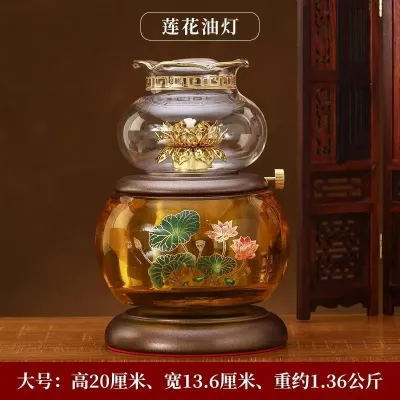
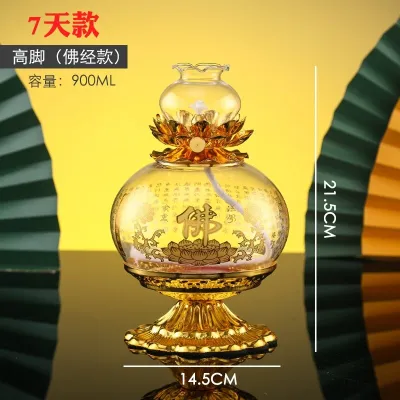
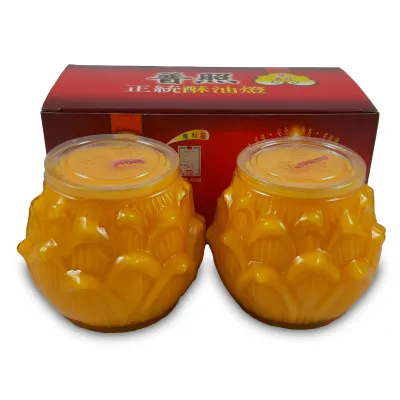
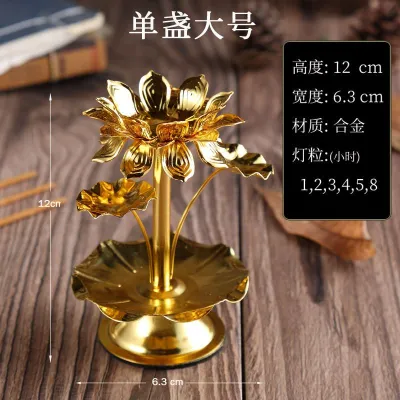
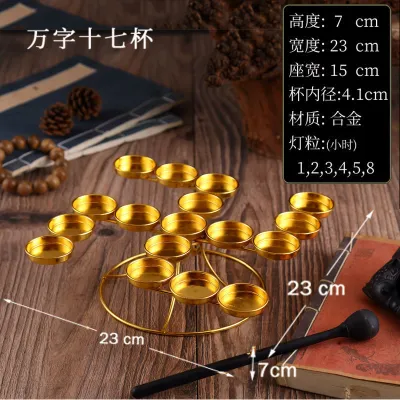
Prices are valid at publication and may change. Please refer to the product page for the latest price.
Safety distances are paramount when dealing with open flames. You must establish a clear zone around the lamp, keeping it far away from flammable household items. Curtains, window treatments, hanging tapestries, and paper offerings can easily catch fire if caught in a sudden draft. If your altar is located near a window or a high-traffic hallway, the movement of air can cause the flame to flicker wildly or carry heat toward nearby objects. Maintain a generous clearance zone on all sides of the lamp, ensuring no combustible materials can come into contact with the flame or the hot glass guard.
The physical stability of the altar itself is another critical factor. Verify that the altar shelf or table is level, sturdy, and free from wobbling. A top-heavy lamp placed on an unstable surface poses a significant spill hazard. Additionally, consider the weight capacity and heat tolerance of the altar’s material. Solid wood, stone, and metal shelves handle heat and weight well, but glass or laminate surfaces may require a heat-resistant coaster or trivet beneath the lamp base to prevent cracking or warping. Choosing a lamp with a wide, heavy base will further minimize the risk of accidental tipping.
Align the Design With Your Religious Tradition
The visual design, material, and arrangement of your praying oil lamp should respect and reflect the specific spiritual path you follow. Different traditions have distinct preferences for materials and motifs. For instance, brass and copper are highly favored in many Hindu and Buddhist practices due to their traditional association with purity and energy conduction. In other traditions, clear glass or ceramic reservoirs are preferred because they allow practitioners to monitor the oil level easily. Understanding these material preferences ensures your altar maintains its sacred character and visual harmony.

Color symbolism also plays a vital role in altar aesthetics. Red and gold are frequently used in Chinese traditional altars to represent prosperity, joy, and good fortune, making red-tinted glass or gold-plated brass lamps a popular choice. Conversely, other spiritual paths may call for simple, unadorned metallic finishes or clear glass to emphasize humility and clarity. Before purchasing, verify whether your specific practice dictates certain colors or motifs, such as lotus shapes, auspicious characters, or specific geometric engravings, to ensure the lamp aligns with your spiritual intentions.
Furthermore, consider the required number of lamps and their arrangement on the altar. Some traditions mandate a single central lamp, while others require a symmetrical pair flanking the main deities or ancestral tablets. The duration of lighting also varies; some households light the lamp only during morning and evening prayers, while others maintain an “ever-burning” lamp that remains lit continuously. If your practice requires continuous lighting, you will need a lamp with a larger fuel reservoir and a highly stable design that can safely operate unattended for longer periods.
Match Fuel and Maintenance to Your Daily Routine
Your choice of fuel directly impacts how much time and effort you must dedicate to maintaining your praying oil lamp. Traditional options like ghee (clarified butter) are deeply rooted in specific rituals and produce a warm, bright flame with a distinct, pleasant aroma. However, ghee solidifies at cooler temperatures and requires regular warming and frequent cleaning of the reservoir to prevent rancid buildup. Vegetable oils, such as canola, peanut, or specialized prayer oils, are widely available and burn at a moderate rate, but they can leave a sticky residue if the lamp is not washed regularly.
For modern households, especially those in enclosed apartments with limited ventilation, liquid paraffin or specialized smokeless lamp oils are highly practical alternatives. These highly refined fuels burn exceptionally clean, producing minimal soot, smoke, and odor. This is particularly beneficial for preserving the paint on your walls and ceilings and maintaining healthy indoor air quality. When selecting a fuel, always weigh the spiritual significance of traditional fuels against the convenience and cleanliness of modern, refined alternatives to find a balance that fits your lifestyle.
Maintenance is an unavoidable part of operating an oil lamp, and the design of the lamp determines how easy this task will be. Look for lamps with removable parts, such as detachable wick holders and wide-opening reservoirs, which make scrubbing away soot and oil residue much simpler. You will also need to trim the charred ends of the wick regularly to maintain a clean, steady flame. If you prefer a low-maintenance routine, choose a lamp with a simple, accessible wick adjustment mechanism that allows you to feed and trim the wick without getting oil on your hands or spilling fuel onto the altar.
Verify Safety Features and Operational Limits
When choosing a praying oil lamp, safety must be your top priority, whether you opt for a traditional open flame or a modern electrical alternative. For open-flame lamps, look for models equipped with a wind guard or a glass chimney. A glass guard not only protects the flame from drafts, ensuring a steady and efficient burn, but it also acts as a physical barrier that prevents loose items or stray sleeves from coming into contact with the fire. Additionally, look for spill-proof designs where the wick holder fits securely into the reservoir, preventing fuel from leaking if the lamp is accidentally jarred.
If you prefer the convenience and safety of electrical or LED praying lamps, there are several technical specifications you must verify. Ensure the lamp’s voltage is fully compatible with your home’s electrical system. Check the length of the power cord to ensure it can reach your wall outlet safely without creating a tripping hazard or requiring daisy-chained extension cords. Look for LED models that offer low heat output, built-in timer functions that automatically turn the light off after a set number of hours, and recognized electrical safety certifications to guarantee the internal wiring is safe for continuous use.
Regardless of the type of lamp you choose, always review the manufacturer’s operational limits and guidelines. Pay close attention to instructions regarding the maximum burn duration and whether the lamp is rated for unattended use. Some glass reservoirs can become dangerously hot and crack if burned continuously for too long, while certain electrical models may not be designed for 24-hour operation. Understanding these limits beforehand allows you to establish a safe daily routine, such as extinguishing the flame before leaving the house or going to sleep, thereby protecting your home and loved ones.
Follow a Step-by-Step Selection Checklist
To simplify your purchasing decision, follow a structured checklist that ensures you do not overlook any critical details. First, write down your exact altar measurements, including the maximum height clearance and the width of the designated spot. Note down your tradition’s specific requirements, such as the number of lamps needed, preferred colors, and acceptable materials. Having these hard constraints written down will help you quickly filter out unsuitable options when browsing online marketplaces or visiting local religious goods shops.
Next, carefully inspect the product labels and descriptions of the lamps you are considering. If you are buying an open-flame lamp, verify the material composition of the reservoir—ensure it is made of heat-resistant borosilicate glass, heavy brass, or high-fired ceramic rather than cheap, thin glass that might crack under high heat. For electrical lamps, look for clear indications of safety certifications and double-check that the plug type and voltage match your home’s outlets. Confirm what type of fuel or wick the lamp requires, and ensure you can easily source those consumables locally.
Finally, before finalizing your purchase, confirm the retailer’s return or exchange policy. Because it can be difficult to judge the exact scale, color, or light output of a lamp from online photos or store shelves, having the flexibility to return or exchange the item is highly valuable. Once the lamp arrives, place it on your altar without lighting it first. Step back to assess its visual proportion, check its stability on the shelf, and ensure it sits safely away from any drafts or flammable decorations before you fill it with oil and light it for the very first time.
Frequently Asked Questions (FAQ)
Can I use standard cooking oil instead of traditional lamp oil?
While it is physically possible to light a wick soaked in standard cooking oil, such as canola, sunflower, or olive oil, it is generally not recommended for daily use in a praying oil lamp. Cooking oils have a much higher viscosity and a different flash point compared to dedicated lamp fuels. Because of this, they do not draw up the wick as efficiently, which often results in an unstable, sputtering flame that produces excessive black smoke and soot. This soot can quickly stain your altar, walls, and ceiling, while also releasing a strong, greasy odor that can disrupt the peaceful atmosphere of your prayers.
Furthermore, using cooking oil can cause the wick to clog and char much faster, requiring you to trim or replace it constantly. Dedicated lamp oils, such as liquid paraffin or refined vegetable-based prayer oils, are specifically formulated to burn cleanly, evenly, and without odor. To protect your indoor air quality and keep your altar clean, it is always advisable to follow the manufacturer’s guidelines and use only the specific fuels recommended for your lamp model.
How often should I replace the wick in a praying oil lamp?
The frequency of wick replacement depends largely on the type of fuel you use, the material of the wick, and how many hours the lamp burns each day. Generally, you should inspect your wick weekly for signs of wear. Clear indicators that a wick needs to be replaced include heavy charring that cannot be trimmed away, a noticeable thinning of the wick material, an uneven or weak flame, or difficulty in lighting the lamp. If you notice the flame sputtering or producing more smoke than usual despite using clean fuel, it is likely time for a fresh wick.
To replace the wick safely, first ensure the lamp is completely cool and the flame is fully extinguished. Carefully remove the wick holder from the reservoir. Pull out the old, charred wick and discard it. Cut a new piece of cotton or fiberglass wick to the length specified by your lamp’s manufacturer, leaving enough length to sit comfortably in the fuel reservoir while protruding slightly from the top of the holder. Thread the new wick through the holder, place it back into the lamp, and allow it to soak in the oil for at least ten to fifteen minutes before lighting it to ensure the fuel has fully saturated the fibers.
Community discussion
Share your experience or ask a question. Comments are reviewed before publication.