
Creating a sensory sanctuary at home starts with selecting the right aromatherapy tools. In Singapore’s tropical climate, where homes are often closed up and air-conditioned to keep out heat and humidity, indoor air quality and ambiance are paramount. A high-quality ultrasonic diffuser, such as those from Prestine, offers an elegant way to disperse a fine, cool mist infused with essential oils. Choosing the right model requires balancing your physical space, daily routines, and aesthetic preferences.
By understanding how coverage area, water capacity, and mist settings interact, you can select a device that delivers the perfect level of fragrance without overwhelming your home. This guide will walk you through the essential specifications, practical scenarios, and safety checks to help you make an informed decision.
Assessing Your Room Size and Aromatherapy Goals
To find the ideal diffuser, begin by measuring the floor area of your target room. In typical Singaporean apartments, spaces range from compact study rooms of about 8 to 10 square meters to spacious open-plan living and dining areas exceeding 30 square meters. Ultrasonic diffusers rely on high-frequency vibrations to break down water and essential oils into a microscopic mist. This mist must travel through the air to fill the room. If you place a small, low-capacity diffuser in a large living room, the scent will dissipate too quickly, especially if ceiling fans or air conditioning units are actively circulating the air.
Products mentioned in this guide
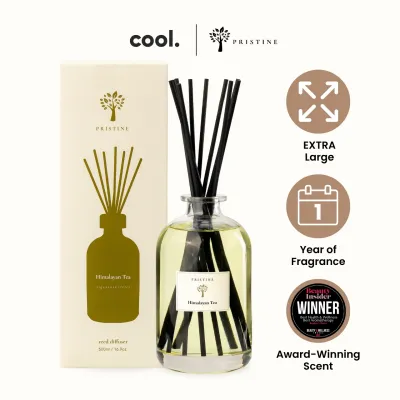

Prices are valid at publication and may change. Please refer to the product page for the latest price.
Conversely, a high-output diffuser in a small bedroom can lead to an overly intense fragrance and excessive moisture buildup on nearby surfaces. Matching the manufacturer’s specified coverage area to your actual room dimensions ensures that the scent remains pleasant and balanced. Always check the product packaging or official store listing for the recommended room size before making a purchase.
Your daily routine also dictates your aromatherapy goals. If you want a continuous background scent to keep your home smelling fresh throughout the day, you will need a model designed for extended operation. This is particularly relevant for home offices where a steady, subtle aroma can enhance focus and reduce stress during long working hours. On the other hand, if you primarily use aromatherapy as a sleep aid, your goal is a short, targeted burst of scent to help you wind down in the evening. For this scenario, a diffuser with an automatic timer that shuts off after one or two hours is much more suitable than one designed to run all day.
Fragrance intensity is highly subjective and depends on both the volume of mist and the concentration of essential oils. Adjustable mist settings allow you to customize this experience. Some days you might prefer a strong, immediate burst of eucalyptus to clear your senses, while other times a faint, lingering trace of lavender is all you need. Choosing a model with variable mist controls—such as high, low, or intermittent modes—gives you the flexibility to adapt the output to your mood and the specific oil you are using.
Key Specifications to Compare Across Prestine Models
When browsing different models, the water tank capacity is one of the most critical specifications to verify on the product label or official store listing. Measured in milliliters (ml), the tank capacity directly determines how long the diffuser can operate before requiring a refill. A compact 100ml tank typically provides around three to five hours of continuous mist, making it highly portable and easy to place on a small bedside table. Larger models with 300ml or 500ml tanks can run for ten hours or more, allowing you to enjoy uninterrupted scenting throughout the day or night without constant maintenance.

Mist output modes are equally important to compare. Look for models that offer both continuous and intermittent settings. Continuous mode releases a steady stream of mist until the water runs out, which is ideal for rapid scenting. Intermittent mode cycles the mist on and off at set intervals, such as 30 seconds of misting followed by 30 seconds of rest. This intermittent cycle not only extends the runtime of the water tank but also prevents olfactory fatigue, a common phenomenon where your nose becomes accustomed to a scent and stops noticing it.
Modern diffusers often double as decorative lighting elements, so pay close attention to the integrated ambient light features. Some models offer a soft, warm white glow that serves as an excellent nightlight, while others feature multi-colored LED systems that can cycle through a spectrum of colors or lock onto a single hue to match your decor. If you are sensitive to light while sleeping, ensure the model allows you to turn off the light completely while the mist function remains active. Additionally, check the operational noise level; high-quality ultrasonic diffusers should operate quietly, typically below 30 decibels, which is comparable to a soft whisper.
Finally, do not overlook the power requirements and physical connectivity of the device. Verify the voltage compatibility to ensure it matches local electrical standards (230V, 50Hz in Singapore). Look for the type of power interface provided, whether it is a standard wall adapter with a 3-pin plug or a versatile USB cable that can be powered by a laptop or power bank. The length of the power cable is also a practical consideration; a longer cable gives you more freedom to position the diffuser on high shelves or central tables without relying on unsightly extension cords.
Matching Prestine Diffuser Features to Your Daily Scenarios
To make a confident decision, visualize how a diffuser will fit into your specific living spaces. For large, open-concept living rooms, dining areas, or homes with high ceilings, a high-capacity diffuser is the most effective choice. These models generate a robust volume of mist that can overcome the natural air currents caused by open windows or air conditioning units. In these spacious environments, the goal is to create a welcoming atmosphere that greets you as you enter the home, requiring a steady, high-output device that can distribute scent evenly across multiple zones.
For smaller, enclosed spaces such as bedrooms, study rooms, or home offices, a compact, low-mist unit is far more appropriate. These spaces require less moisture to achieve the desired scent level. A smaller footprint also means the device can sit comfortably on a crowded desk or a narrow nightstand without getting in the way. In a home office, a compact diffuser placed close to your seating area creates a personal “scent bubble” that enhances your immediate environment without over-scenting the rest of the room.
If you plan to use the diffuser in a bedroom or relaxation space, models with integrated ambient lighting offer significant dual-purpose value. The combination of gentle mist and warm, dimmable light can signal to your brain that it is time to wind down, making it an excellent addition to your evening wind-down routine. You can pair a calming chamomile or cedarwood oil with a soft amber glow to create a serene, spa-like environment right in your bedroom.
When choosing between different form factors, always evaluate the trade-offs between physical footprint, tank size, and essential oil consumption. A larger diffuser requires more physical space and uses more water, which means you may need to add more drops of essential oil to achieve the same concentration as a smaller unit. However, it saves you the hassle of frequent refills. A smaller unit is highly portable and efficient with oil usage but will require more frequent attention. Balancing these factors based on your lifestyle will lead you to the perfect model.
Essential Safety, Placement, and Maintenance Checks
Proper placement is essential to ensure the safety and longevity of your diffuser. Because ultrasonic diffusers release a cool, moisture-laden mist, they should never be placed directly on water-sensitive surfaces such as untreated wood, delicate veneers, or near sensitive electronic equipment like laptops and power strips. Ensure the diffuser sits on a flat, stable, water-resistant surface, such as a ceramic tray or a sealed countertop. Keep the unit away from direct sunlight and heating sources, as excess heat can warp the plastic casing and degrade the quality of the essential oils stored inside the tank.
Regular maintenance is crucial to prevent the buildup of essential oil residue, mineral deposits, and mold. Over time, the natural oils can leave a sticky film on the water tank walls and the delicate ultrasonic plate at the bottom of the unit. If left uncleaned, this buildup can clog the mechanism, reduce mist output, and even cause the motor to overheat. To clean your diffuser, empty any remaining water after every few uses and wipe the interior with a soft, damp cloth. For a deeper clean, follow the manufacturer’s instructions, which typically involve wiping the ultrasonic plate gently with a cotton swab dipped in rubbing alcohol or a mild vinegar solution. Never submerge the base of the diffuser in water, as this will damage the internal electrical components.
Electrical safety must always be a priority when operating devices that combine water and electricity. Always use the original power adapter supplied by the manufacturer, as using an incompatible third-party charger can deliver incorrect voltage and damage the device or pose a fire hazard. Avoid overloading your wall sockets or power strips with multiple high-wattage appliances alongside your diffuser. When filling or cleaning the water tank, always unplug the power cable from the base of the unit first to prevent any accidental spills from contacting live electrical contacts.
Be aware of clear stop conditions that indicate your diffuser requires professional attention or replacement. If you notice the device making unusual grinding or buzzing noises, if the mist output drops significantly despite a full tank, or if the unit becomes unusually hot to the touch, unplug it immediately. Do not attempt to disassemble the motor housing yourself. Instead, consult the manufacturer’s troubleshooting guide or contact their customer support for assistance.
Frequently Asked Questions (FAQ)
Can I use tap water in my Prestine diffuser?
While it is physically possible to use tap water in most ultrasonic diffusers, doing so can introduce certain risks depending on the water quality in your area. Tap water contains dissolved minerals like calcium and magnesium. When the ultrasonic plate vibrates, it aerosolizes these minerals along with the water, which can create a fine white mineral dust that settles on your furniture. Over time, these minerals will also build up as a hard crust on the ultrasonic transducer, reducing its efficiency and shortening the lifespan of the device. To protect the internal mechanism and ensure a clean mist, many manufacturers recommend using distilled or filtered water. Always consult your specific Prestine model’s user manual, as some designs are optimized for tap water while others strictly require purified water to maintain their warranty.
How many drops of essential oil should I add?
Achieving the perfect scent intensity requires finding the right balance between water volume and essential oil concentration. As a general guideline, a standard ratio is 3 to 5 drops of essential oil for every 100ml of water in the tank. For a compact 100ml diffuser, 3 to 4 drops are usually sufficient to fill a small bedroom with a pleasant aroma. For a larger 500ml diffuser, you might start with 10 to 15 drops. However, this ratio should be adjusted based on several factors. Highly potent oils, such as peppermint or eucalyptus, require fewer drops to achieve a strong effect, whereas lighter citrus or floral oils may require a bit more. Additionally, consider your room size and personal sensitivity; in a smaller, enclosed office, a lighter concentration is always preferable to prevent headaches or eye irritation.
Community discussion
Share your experience or ask a question. Comments are reviewed before publication.