
Choosing the right reed diffuser refill is more than a matter of picking an appealing scent from a shelf. To achieve a balanced, long-lasting aroma, you must match the physical properties of the refill liquid and its delivery system to the specific environmental conditions of your home. In Singapore’s tropical climate, where high humidity often alternates with dry, air-conditioned indoor air, the way fragrance oil evaporates and disperses changes significantly. By understanding how room volume, fragrance families, reed materials, and carrier bases interact, you can transform any room into a perfectly scented sanctuary without overpowering your senses or wasting your favorite fragrance.
Matching Refill Volume to Your Room Size
Selecting the correct volume of refill liquid prevents the common issues of either an overwhelming scent cloud or a fragrance that vanishes entirely into the background. Small, enclosed spaces such as powder rooms, bathrooms, and compact study rooms typically require a modest volume of 50ml to 100ml. In these confined areas, a larger volume of liquid with a high reed count can quickly saturate the air, leading to sensory fatigue or headaches. A smaller vessel with fewer reeds ensures a gentle, continuous release of fragrance that matches the limited air volume.
For medium-sized areas, including standard bedrooms, enclosed kitchens, and dedicated home offices, a refill volume of 100ml to 200ml is generally ideal. These spaces have enough air circulation to disperse a moderate amount of fragrance without letting it pool intensely in one corner. A standard 150ml refill provides a balanced evaporation rate that can comfortably scent the room for several months, provided the vessel is placed in an area with gentle, natural air movement.
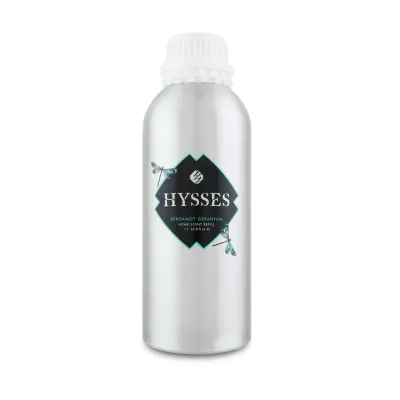
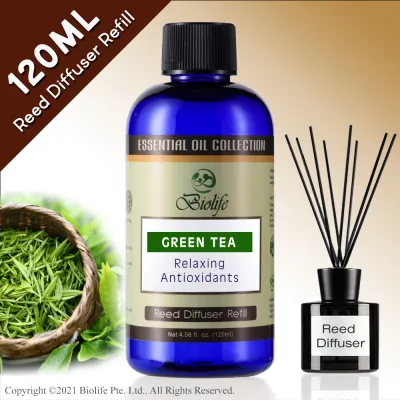
Products mentioned in this guide

![[KIRONA SCENT] 250ML Aroma Reed Refill | Premium Quality Essential Oil | For Aroma Reed Diffusers Clay Diffusers | More than 60 Scents Available | Luxurious Hotel & Mall Fragrances](https://img.lazcdn.com/g/p/4685932625987bb431ec03fe164da9f7.jpg_400x400q80.jpg_.webp)
![(80+ Selections) Shangri-La Hotel/ Hilton Hotel/ Westin Hotel/ Lavender/ Jasmine/ Gardenia/ Ocean/ Bluebell/ Rose/ Osmanthus/ English Pear Freesia scent Premium Home Fragrance Reed Diffuser (50ml/ 180ml) / Reed Refill (60ml) Essential Oil [Re.D]](https://img.lazcdn.com/g/p/3531ee3b6bef554bf3880b269eb596d5.jpg_400x400q80.jpg_.webp)

![Biolife Lemongrass scent Reed Diffuser Refill (250ml) with glass reed diffuser and reed stick Essential Oil Aromatherapy Long Lasting Scent [BD]](https://img.lazcdn.com/g/p/39b5ad99bebbaadbc6a2cf487a966f1e.jpg_400x400q80.jpg_.webp)
![Hooga Black Series Diffuser [Refill 500ml]](https://img.lazcdn.com/g/p/c936e4601a3ff0a78cd151d1b5138b4c.jpg_400x400q80.jpg_.webp)
Prices are valid at publication and may change. Please refer to the product page for the latest price.
Large, open-concept spaces—such as combined living and dining areas common in modern apartments and HDB flats—demand a more strategic approach. A single 200ml or 500ml diffuser placed in a far corner will rarely succeed in scenting the entire zone, as the fragrance molecules will disperse and lose potency before reaching the opposite side. For these expansive layouts, utilizing multiple smaller vessels (such as two 100ml or 150ml diffusers) placed at opposite ends of the room creates a more balanced, overlapping scent canopy. This multi-point diffusion method ensures even coverage and prevents localized hotspots of intense fragrance.
Environmental factors like ceiling height and airflow also play a critical role in how scent travels. High ceilings increase the total volume of air in a room, meaning you may need to treat a medium-sized room with high ceilings as a large space, opting for a higher volume refill or additional reeds. Similarly, rooms with constant cross-ventilation from open windows or ceiling fans will sweep fragrance away rapidly. In these highly ventilated spaces, placing your diffuser slightly upwind of your main seating area helps carry the scent toward you rather than out of the room.
Choosing a Fragrance Family Based on Room Function
The psychological and practical impact of a fragrance depends heavily on the function of the room in which it is placed. Active spaces like kitchens and home offices benefit from uplifting, clean, and energizing scent profiles. In the kitchen, where cooking odors can linger, fresh citrus notes such as bergamot, lemon, and grapefruit, or herbal profiles like mint and rosemary, work exceptionally well. These scents cut through heavy cooking smells and leave the air feeling clean without introducing heavy, cloying sweetness that might clash with food.

For home offices or study areas, focus and mental clarity are paramount. Crisp, green, and slightly sharp fragrances—such as eucalyptus, green tea, pine, or peppermint—help stimulate the mind and maintain alertness during long working hours. These scent profiles mimic natural outdoor environments, which can reduce feelings of stuffiness in enclosed workspaces and keep your energy levels consistent throughout the day.
Relaxation zones, such as bedrooms and bathrooms, require a completely different olfactory approach. The bedroom is a sanctuary for rest, making it the perfect home for calming, grounding fragrance families. Warm woody notes like sandalwood and cedarwood, soft florals like lavender and chamomile, or comforting ambers create a soothing backdrop that signals to your brain that it is time to wind down. Avoid overly sweet or highly concentrated fruity scents in the bedroom, as these can be too stimulating when you are trying to sleep.
Bathrooms, which naturally experience high humidity and moisture, benefit from clean, spa-like fragrance profiles. Marine notes, sea salt, sage, and light white florals like jasmine or lily of the valley help maintain a fresh, airy atmosphere. Because bathrooms are often small and warm, choose lighter concentrations to prevent the scent from becoming cloying when steam from a hot shower fills the space.
In open-concept layouts where different functional zones merge, managing scent transition is crucial to avoid an unpleasant olfactory clash. If your living room opens directly into your dining area and kitchen, using completely different, heavy scents in each zone will result in a confusing mix. To prevent this, select refills that share a common base note, such as white musk, amber, or light cedarwood. Alternatively, stick to a single, cohesive fragrance family across the entire open space, adjusting only the intensity in each area by varying the number of reeds used.
Controlling Scent Intensity and Throw
Once you have selected your refill liquid, managing how quickly it evaporates and how far the scent travels—known as the “throw”—is entirely within your control. The primary tool for adjusting scent intensity is the number and material of the reeds you insert into the vessel. Rattan reeds are a traditional, natural option featuring tiny, hollow channels that draw the fragrance oil upward via capillary action. They release scent slowly and steadily, making them excellent for a subtle, long-lasting aroma in medium to large rooms.
Fiber reeds, on the other hand, are manufactured from polyester or cotton blends and are engineered to absorb and release liquid much faster than natural rattan. They offer a highly efficient, immediate scent throw, making them ideal for larger spaces or for those who prefer a more pronounced fragrance. However, because fiber reeds draw up liquid more rapidly, they will consume your refill bottle faster than rattan reeds. If you find a fragrance too strong, simply remove a few reeds; if it is too weak, add more until you reach the desired balance.
Flipping your reeds is a simple way to refresh the scent throw when the aroma begins to fade. Over time, the exposed tops of the reeds dry out, and the rate of evaporation slows down. By turning the reeds upside down, you expose the fully saturated ends to the air, providing an immediate boost of fragrance. To avoid wasting liquid and clogging the reeds prematurely, limit flipping to once every one to two weeks, and always perform this task over a sink or a protected surface to prevent oil drips from damaging your furniture.
Strategic placement of your diffuser vessel is essential for maximizing its efficiency without accelerating evaporation unnecessarily. Avoid placing your diffuser directly in front of air conditioning vents, next to open windows, or on sunny windowsills. While moving air and heat do increase scent throw, they also cause the carrier liquid to evaporate at an unsustainable rate, emptying your refill bottle in a fraction of its expected lifespan. Direct sunlight can also degrade the fragrance oils, altering the scent profile and causing the liquid to discolor.
Instead, place your diffuser in a high-traffic area where people walk past frequently, such as an entryway, a hallway, or near the door of a room. The gentle air currents created by natural foot traffic are sufficient to lift and disperse the fragrance molecules throughout the space. Additionally, position the vessel at approximately waist-to-chest height; fragrance oils evaporate upward, so placing a diffuser too high (such as on top of a tall bookshelf) means the scent will pool near the ceiling rather than circulating where you can enjoy it.
Verifying Bottle Compatibility and Refill Safety
Before pouring a new refill into an existing vessel, you must verify that the container is physically and chemically compatible with the liquid. Always use vessels made of glass, ceramic, or high-quality, non-reactive metal. Avoid pouring refill oils into cheap plastic containers, as the concentrated fragrance oils and carrier solvents can chemically react with, degrade, or even melt certain plastics over time, leading to leaks and ruined surfaces.
Check the neck size of your decorative vessel before purchasing a refill. A vessel with a very wide opening allows the carrier liquid to evaporate directly from the surface of the pool, rather than being drawn up through the reeds. This results in rapid liquid loss without a corresponding increase in scent throw. If your vessel has a wide neck, look for a refill kit that includes a fitted collar or stopper to restrict the opening, forcing the evaporation process to occur almost exclusively through the reeds.
Reusing old reeds with a new refill liquid is a common mistake that leads to disappointing results. Over months of use, reeds become clogged with dust, airborne grease, and heavy base notes from the previous fragrance. If you place these saturated reeds into a fresh refill, they will fail to draw up the new liquid efficiently. Furthermore, the residual oil in the old reeds will mix with the new scent, resulting in a muddy, distorted fragrance profile. Always use a brand-new set of reeds whenever you change the scent or start a fresh refill bottle.
Handling concentrated fragrance oils requires care to protect your home’s surfaces and your skin. These oils are highly concentrated and can easily strip varnish, paint, or wax finishes off wooden tables, stain delicate fabrics, and discolor natural stone countertops like marble or granite. Always place a protective coaster, ceramic tray, or glass plate underneath your diffuser vessel to catch any accidental drips, condensation, or spills. If you do spill any liquid, wipe it up immediately with a damp cloth and mild soap, and wash your hands thoroughly to avoid skin irritation.
Building Your Shortlist: What to Look for on the Label
When shopping for a reed diffuser refill on online marketplaces or in specialty home decor stores, reading the ingredient label carefully will help you evaluate the quality, safety, and expected lifespan of the product. The most critical component to identify is the carrier base, which makes up the bulk of the liquid and dictates how the fragrance evaporates. Carrier bases generally fall into two categories: alcohol-based and alcohol-free.
Alcohol-based refills, which often utilize isopropyl alcohol or ethanol, evaporate very quickly. While they provide a powerful, immediate burst of fragrance, they tend to run out rapidly and can sometimes emit a sharp, chemical undertone that interferes with the delicate notes of the fragrance. Alcohol-free bases, which commonly use solvents like dipropylene glycol (DPG), 3-methoxy-3-methyl-1-butanol (MMB), or glycerin-derived alternatives, evaporate much more slowly and evenly. These bases offer a highly consistent, long-lasting scent throw and are less prone to drying out the reeds prematurely.
Look for brands that prioritize ingredient transparency by listing key components and allergen warnings on their packaging. High-quality refills will clearly state if they contain common fragrance allergens (such as linalool, limonene, or citral), which is essential information if anyone in your household has respiratory sensitivities or skin allergies. Additionally, check for certifications or compliance with international safety standards, such as those set by the International Fragrance Association (IFRA), which ensure the ingredients used are safe for continuous inhalation.
Finally, evaluate the manufacturer’s concentration and lifespan claims realistically. A high-quality 200ml refill formulated with a premium, alcohol-free base should typically last between three to six months under standard indoor conditions. Be cautious of extremely cheap refills that promise exceptionally long lifespans, as they may contain heavy synthetic extenders that do not diffuse well, leaving you with a bottle of liquid that refuses to evaporate or scent the room. Investing in a well-formulated refill ensures a clean, consistent, and safe aromatic experience for your home.
Frequently Asked Questions (FAQ)
Can I mix two different reed diffuser refills together?
Mixing different reed diffuser refills is not recommended. Fragrance oils and their carrier bases are carefully balanced chemical formulations; mixing them can cause chemical incompatibility, resulting in the liquid separating, clouding, or failing to draw up the reeds. Furthermore, combining different top, middle, and base notes without professional formulation usually results in an unpredictable, muddy, or unpleasant scent profile that does not diffuse evenly.
How do I know when it is time to replace the reeds?
It is time to replace your reeds when you notice a significant drop in fragrance intensity that is not resolved by flipping them. Visually, reeds that need replacing may look dusty, clogged, or completely saturated and darkened all the way to the tips. In Singapore’s humid climate, airborne dust and moisture can settle on the exposed reeds, forming a barrier that blocks the microscopic channels and prevents the liquid from evaporating.
Are reed diffuser refills safe to use around pets?
Many reed diffuser refills contain concentrated essential oils or synthetic fragrances that can be toxic to dogs and cats if ingested, inhaled in high concentrations, or absorbed through the skin. Common botanical ingredients like tea tree, eucalyptus, citrus, peppermint, and ylang-ylang are known irritants for pets. Always check the ingredient list for pet safety, ensure the room is well-ventilated, and place the diffuser on a high, stable surface where pets cannot knock it over or lick the reeds.
Community discussion
Share your experience or ask a question. Comments are reviewed before publication.