
Choosing the right round seat cover is an effortless way to refresh your home decor, protect your furniture, and enhance seating comfort. Whether you are updating a set of wooden dining stools in a compact kitchen or adding a touch of softness to a metal balcony chair, the key to success lies in selecting the correct dimensions and a compatible design. A poorly fitted cover not only looks untidy but can also slide around, creating an uncomfortable and potentially unstable seating surface. By taking precise measurements, understanding the benefits of different closure types, and selecting fabrics suited to your household’s lifestyle, you can easily find a cover that looks custom-made for your furniture.
Measure Your Furniture for the Perfect Fit
To achieve a sleek, tailored look, accurate measurements are your most important starting point. Standard round stools and chairs may look uniform, but even a discrepancy of one centimeter can cause a seat cover to bunch up or fail to stretch over the edges. Begin by clearing the seat of any existing cushions or debris, placing it on a flat, level surface.
Using a flexible sewing tape measure, stretch it across the widest part of the seat to find the exact diameter. Be sure to measure from the outer edge of one side directly through the center point to the outer edge of the opposite side. It is highly recommended to repeat this measurement at a right angle to your first line; this double-check ensures the seat is a true circle and helps you identify any slight oval shapes that might require a more flexible fabric.
Products mentioned in this guide
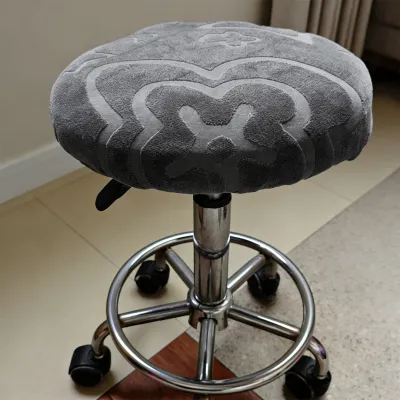
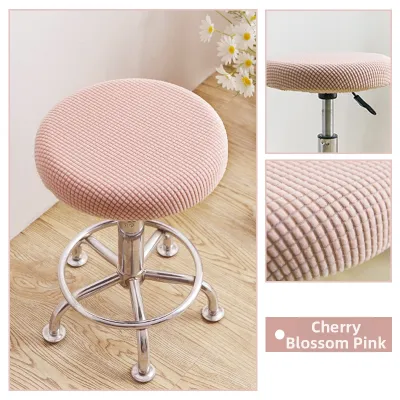
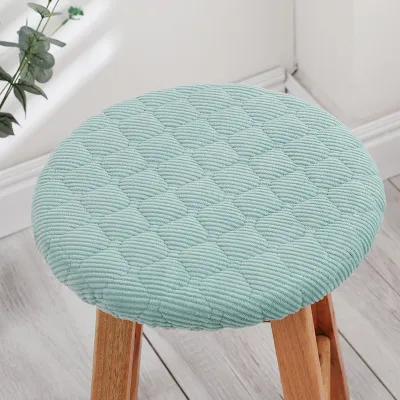
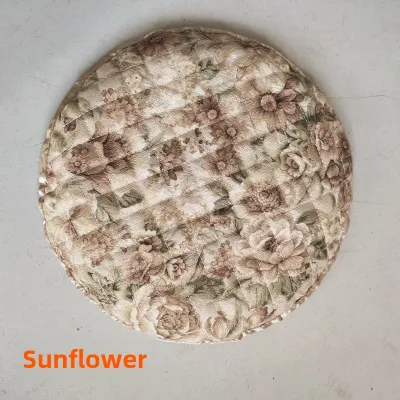
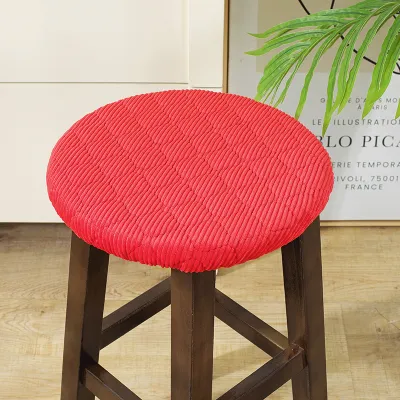
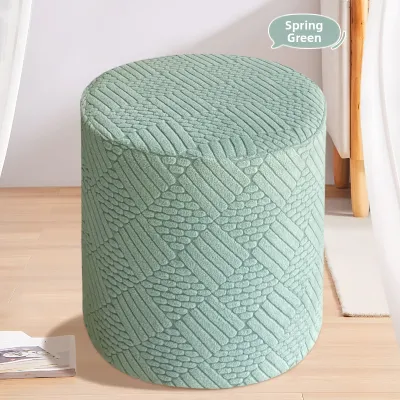
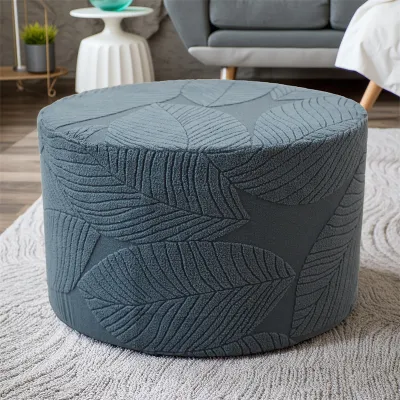
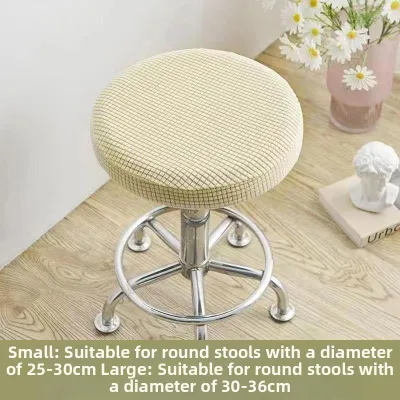
Prices are valid at publication and may change. Please refer to the product page for the latest price.
Next, measure the vertical thickness or depth of the seat. This step is frequently overlooked but is crucial for determining how much skirt or side fabric your cover needs. If your stool has a hard wooden or plastic seat, measure the solid edge from the top surface to the underside. If the seat has built-in foam padding, measure the uncompressed height of the cushion from the base board to the highest point of the dome. A cover designed for a flat stool will not fit a deeply padded seat, as the loft of the cushion will pull the fabric inward, making the overall diameter of the cover too small.
Finally, take note of any irregular design features, such as tapered edges where the seat is wider at the top than at the bottom, or protruding hardware like metal brackets, swivel mechanisms, and leg attachments. If your chair has a backrest that connects directly to the seat, a standard slip-on cover may not slide down completely. In these cases, you will need to look for covers with specialized cutouts or flexible tie-back designs that can accommodate the frame of the chair without bunching.
Choose the Best Closure Type for Your Needs
The mechanism used to secure the cover to your chair affects both its visual appearance and how easy it is to remove for cleaning. Different household environments and furniture styles call for specific closure types to balance aesthetics with daily practicality.

Elasticated edges are the most common and user-friendly option for standard round stools. These covers feature a continuous elastic band sewn into the hem, allowing you to stretch the cover over the seat top and snap it into place underneath. This style is highly efficient for busy households where stools are moved frequently, as the elastic keeps the cover snug against the seat frame. When selecting an elasticated cover, look for robust, high-tension elastic that can withstand repeated stretching and warm, humid conditions, which can cause cheap rubber to degrade and lose its stretch over time.
For a highly tailored, semi-permanent look, zipper closures are an excellent choice, particularly for fully upholstered dining chairs or thick foam cushions. A zippered cover completely encloses the cushion, providing a clean, seamless profile that mimics original upholstery. This design is ideal for high-traffic dining areas where covers need to be removed and washed regularly due to food spills. When choosing a zippered option, ensure the zipper teeth are made of durable nylon or rust-resistant metal, and check that the zipper is concealed beneath a fabric placket to prevent it from scratching the wooden or metal legs of your chairs.
Tie-back, button, or envelope closures offer a more decorative, classic aesthetic that works beautifully on accent chairs, bistro seating, or vintage furniture. Ties allow you to secure the cushion directly to the spindles or legs of the chair, preventing the cover from shifting even if the fit is slightly loose. Button and envelope closures add a charming, artisanal touch to living spaces and are highly suited for non-standard seat shapes where elastic cannot grip the underside effectively.
Match Fabrics and Designs to Your Room
Selecting the right fabric is a balancing act between the visual theme of your room and the practical demands of your household. The ideal material should complement your existing decor while standing up to the daily wear and tear of its environment.
In high-traffic zones like kitchens, dining rooms, or covered patio areas, prioritize durability and ease of maintenance. Heavy-duty cotton canvas, treated polyester, and synthetic blends are excellent choices because they resist abrasion and can withstand frequent machine washing. If you have young children or pets, look for fabrics treated with water-resistant or stain-resistant coatings. These protective barriers allow liquid spills to bead up on the surface, giving you time to wipe them away before they soak into the cushion underneath.
For formal dining spaces, bedrooms, or quiet reading corners, you can elevate the room’s sensory appeal by choosing textured materials like linen, velvet, or bouclé. Velvet covers introduce a rich, luxurious sheen that catches the light beautifully, making them perfect for vanity stools or statement accent chairs. Linen, with its natural slub texture and high breathability, offers a relaxed, sophisticated look that suits coastal or minimalist interiors. Keep in mind that these delicate fabrics require gentler care, such as spot cleaning or dry cleaning, and are best reserved for low-traffic areas where spills are unlikely.
When it comes to color and pattern, consider the overall visual balance of your space. If your room already features patterned wallpaper or colorful curtains, a solid-colored seat cover in a coordinating neutral tone—such as charcoal, soft beige, or olive—will anchor the space without creating visual clutter. Conversely, if your decor is neutral, a set of round seat covers featuring geometric prints, botanical motifs, or contrasting piping can serve as a delightful pop of color. Piping details along the top seam are particularly effective for adding structure and a professional, high-end finish to plain round cushions.
Install and Adjust the Cover for a Neat Finish
Once you have chosen the correct size and style, proper installation is key to achieving a smooth, professional look. Taking a few extra minutes during the fitting process prevents the fabric from shifting, wrinkling, or wearing out prematurely at the seams.
Start by aligning the cover with the seat. If your cover has a distinct pattern, directional weave, or visible seams, make sure these are centered and aligned with the front-to-back axis of the chair. For zippered covers, insert the cushion foam carefully, tucking the corners in first before smoothing out the flat surfaces. Avoid forcing a tight fit, as pulling too hard on the zipper can strain the seams or pinch the inner foam, leading to tears.
If you are installing an elasticated cover, stretch the elastic evenly around the entire perimeter of the seat. Do not pull from just one side, as this can cause the cover to sit crookedly and put uneven tension on the fabric. Once the cover is pulled over the edges, run your hands firmly from the center of the seat outward to the edges to push out any trapped air and smooth out surface wrinkles.
Finally, inspect the underside of the seat. Ensure the elastic band or ties are tucked away neatly and do not interfere with any folding mechanisms or swivel hardware. If the cover feels slightly loose, you can adjust the tension by pulling the fabric taut underneath and securing it, ensuring a crisp, wrinkle-free surface that stays in place when someone sits down.
Maintain and Clean Your Covers Properly
Regular maintenance ensures your round seat covers remain hygienic, vibrant, and structurally sound for years to come. Because seat covers are subjected to constant friction and body heat, establishing a simple cleaning routine is essential.
Always consult the manufacturer’s care label before washing your covers. While many synthetic and cotton covers are machine washable, they often require cold water and a gentle cycle to prevent shrinkage and color fading. Avoid using harsh bleaching agents or fabric softeners, which can break down the elastic fibers and strip away water-resistant coatings. For drying, air drying in a shaded, well-ventilated area is generally safer than using a high-heat tumble dryer, which can warp elastic bands and shrink natural fibers.
For minor daily mishaps, spot cleaning is the most effective way to prevent permanent stains. Act quickly by blotting—never rubbing—the spill with a clean, dry microfiber cloth to absorb excess liquid. Dampen a second cloth with a mixture of mild dish soap and cool water, then gently dab the spot from the outside edge inward to avoid spreading the stain. Allow the area to air dry completely before using the chair again.
If you rotate your decor seasonally, store your spare covers properly to preserve their quality. Wash and dry them thoroughly before storage to prevent mold and mildew growth, which can thrive in humid environments. Store the covers flat or gently rolled in a breathable cotton storage bag in a cool, dry wardrobe, keeping them away from direct sunlight to prevent premature fading.
Frequently Asked Questions (FAQ)
Can I use a square cushion cover on a round stool?
While it is physically possible to stretch a square cover over a round seat, it is generally not recommended for everyday furniture. The excess fabric at the four corners of a square cover will hang down unevenly, creating an untidy, bunched appearance that detracts from the clean lines of a round stool. Furthermore, this loose, unanchored fabric can easily slip and slide when sat upon, creating a minor safety hazard. The only exception is when you are using oversized, relaxed floor cushions where a casual, draped look is intentionally desired as part of an informal decor style.
How do I prevent my round seat cover from slipping off?
If your round seat cover tends to slide, especially on smooth wooden or plastic stools, you can easily secure it using non-slip materials. Placing a small piece of rubberized non-slip rug pad or gripper mesh between the seat surface and the cover provides excellent friction without damaging the furniture’s finish. For elasticated covers that are slightly loose, you can use adjustable elastic sheet straps or suspenders clipped across the underside of the seat to pull the fabric taut. Alternatively, look for covers designed with a silicone non-slip backing for built-in stability.
Are round seat covers suitable for outdoor furniture?
Round seat covers can certainly be used outdoors, provided they are made from materials specifically engineered to withstand environmental exposure. Standard indoor fabrics like cotton, velvet, or linen will quickly degrade, fade, and develop mold when exposed to humidity, rain, and sunlight. For outdoor balconies, patios, or gardens, choose covers made from UV-resistant, water-repellent, and quick-drying synthetic fabrics such as solution-dyed acrylic or heavy-duty polyester with a polyurethane coating. Always check the manufacturer’s specifications for outdoor suitability, and bring the cushions indoors during heavy downpours to extend their lifespan.
Community discussion
Share your experience or ask a question. Comments are reviewed before publication.