
Choosing the right sage stick depends on matching its botanical properties, smoke density, and aroma to your specific goal—whether that is clearing a room’s atmosphere, deepening a meditation practice, or winding down after a long day. While white sage is the traditional choice for heavy space-clearing, its intense, pungent smoke can overwhelm smaller rooms or sensitive respiratory systems. For quieter moments of focus or relaxation, milder options like blue sage, desert sage, or herbal blends infused with lavender or rose offer a gentler, more balanced sensory experience.
By understanding the distinct characteristics of each variety and evaluating how they interact with your living space, you can select a high-quality, sustainably sourced stick that enhances your home environment safely and effectively.
Understanding Common Sage Stick Varieties
Selecting the ideal botanical variety is the first step in tailoring your experience. Each type of sage offers a unique aromatic profile and burning behavior, which directly influences how it affects your indoor environment.
Products mentioned in this guide
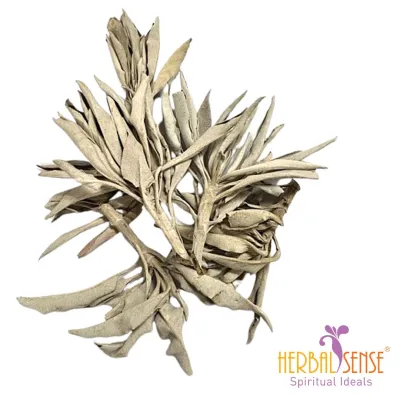
Prices are valid at publication and may change. Please refer to the product page for the latest price.
White Sage (Salvia apiana)
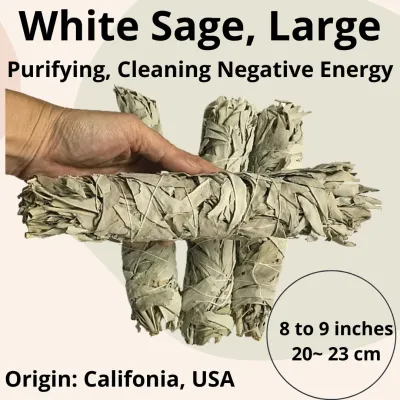
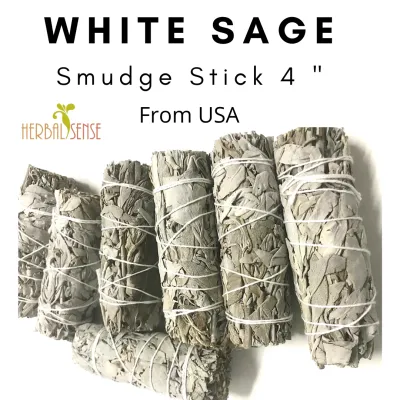
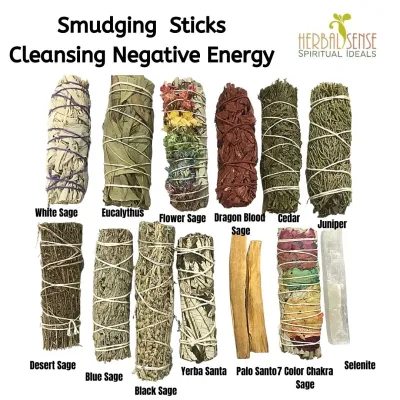
White sage is the most widely recognized variety, characterized by its broad, silvery-white leaves and robust stems. It is highly aromatic, releasing a sharp, camphoraceous, and deeply herbal scent when burned. Because of its high concentration of essential oils and resins, white sage produces a thick, heavy, and lingering white smoke. This density makes it highly effective at neutralizing strong odors and clearing the air in large, open areas, though it can quickly become overpowering in confined spaces.
Blue Sage (Salvia azurea)
Also known as Rocky Mountain sage, blue sage features thinner, darker, bluish-green leaves. It offers a noticeably sweeter, lighter, and more herbaceous scent profile than white sage, lacking the intense medicinal sharpness of Salvia apiana. When lit, blue sage produces a thinner, less dense smoke that dissipates more rapidly. This makes it an excellent, non-intrusive alternative for smaller rooms, apartments, or daily aromatic rituals.
Desert Sage (Salvia dorrii)
Desert sage grows in arid, high-altitude regions and is distinguished by its small, greyish leaves and woody stems. It releases a warm, earthy, and slightly peppery aroma that brings a grounding, outdoor-like quality into the home. Its smoke output is moderate and steady, making it a favorite for those who prefer dry, forest-like undertones over sweet florals or sharp medicinal scents.
Blended and Infused Sticks
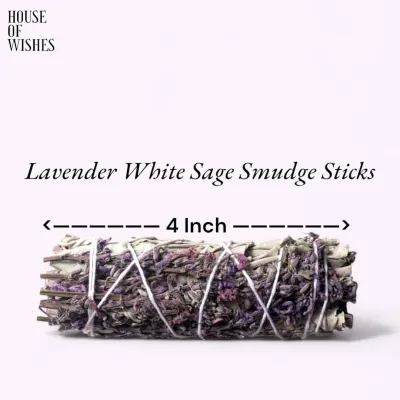
Many manufacturers combine sage with other dried botanicals to modify the scent profile and burning characteristics. Lavender-infused sage softens the herbal sharpness of sage with sweet, calming floral notes, making it ideal for evening use. Rose petal-infused sage adds a subtle, uplifting sweetness that promotes a warm, welcoming atmosphere. Other popular blends incorporate cedar or sweetgrass, which introduce rich, resinous, or vanilla-like undertones that balance the medicinal qualities of the sage.
Matching the Sage Type to Your Specific Purpose
To get the most out of your sage stick, align the botanical variety with your intended activity, room size, and personal sensory preferences.

Cleansing Spaces
If your goal is to refresh a room’s atmosphere or clear out stale cooking odors, white sage is the traditional choice due to its robust smoke output. However, you must evaluate your room size and ventilation. In compact urban apartments, a heavy white sage burn can quickly saturate the air and trigger sensitive smoke detectors. For routine maintenance of smaller spaces, blue sage or a light desert sage is often a more practical and pleasant choice, offering a refreshing effect without leaving your soft furnishings smelling heavily of smoke for days.
Meditation and Focus
During meditation or mindfulness practices, the role of aromatherapy is to ground the mind without creating a sensory distraction. A heavy, pungent smoke can cause coughing or eye irritation, immediately breaking your concentration. Desert sage or blue sage is ideal for this purpose. Their subtle, earthy, and slightly sweet aromas sit quietly in the background, providing a soothing olfactory anchor that helps transition the mind into a state of quiet focus without dominating the room’s air quality.
Relaxation and Winding Down
For evening routines or preparing for sleep, the sharp, stimulating camphor notes of pure white sage can be too awakening. Instead, look for blended options. A lavender-sage stick combines the grounding properties of sage with the universally recognized soothing qualities of lavender. This combination helps signal to your nervous system that it is time to rest, creating a soft, comforting sensory backdrop for reading, stretching, or preparing for bed.
Environmental and Household Considerations
Always consider other occupants of your home before burning sage. Children, elderly family members, and individuals with asthma or respiratory sensitivities can easily be irritated by smoke. Furthermore, pets have highly sensitive respiratory systems and an acute sense of smell. Dogs and cats can find heavy smoke distressing, while birds are exceptionally sensitive to airborne particulates. If you share your home with pets, opt for the mildest varieties, burn them in well-ventilated rooms where pets can easily leave, or consider non-smoke alternatives if sensitivity is high.
Essential Buying Checks: Ingredients, Quality, and Sourcing
Equipping yourself with a practical checklist helps you evaluate product labels and avoid low-quality, synthetic, or mislabeled alternatives.
Reading Ingredient Lists
A genuine sage stick should contain only 100% natural, dried botanical materials bound together with natural cotton string. Beware of cheap alternatives that use synthetic fragrance oils, chemical binders, or charcoal bases. Some products are actually bamboo-core incense sticks coated in sage-scented synthetic oils, which produce a harsh, chemical smoke when burned. Check the label for the botanical name to ensure you are buying authentic sage rather than generic “sage-scented” wood shavings.
Avoiding Additives and Artificial Dyes
Some decorative sticks feature brightly colored flowers or dyed petals to make them visually appealing. Ensure these colors are entirely natural. Artificial dyes and chemical colorants release toxic compounds when burned, which can irritate your lungs and leave an unpleasant chemical residue in the air. Stick to natural, undyed dried botanicals; dried lavender should look dusty purple-grey, and rose petals should be deep burgundy or soft cream, not neon pink or bright blue.
Evaluating Sourcing and Sustainability Claims
White sage has faced significant ecological pressure due to over-harvesting in its native habitats. Look for brands that explicitly state their sourcing practices. Ethical brands will specify if their sage is organically farm-grown on private land rather than wild-harvested from public lands. Avoid brands that use vague marketing buzzwords like “sustainably wildcrafted” without providing concrete details about their supply chain or partnerships with local growers.
Assessing Physical Construction
Examine the physical build of the stick. It should feel firm, dry, and tightly wrapped in a neat, crisscross pattern of cotton string. If the wrap is too loose, air pockets will cause the stick to burn too quickly, flare up with open flames, or drop hot ash and glowing embers, posing a serious fire hazard. Conversely, an overly dense stick might struggle to stay lit. A high-quality stick feels solid and uniform from end to end. High-quality, ethically sourced sage sticks typically range from S$10 to S$30 depending on their size and botanical blend; extremely cheap options may indicate synthetic additives or poor binding quality.
Setting Up for a Safe and Effective Burn
Burning sage involves open embers, which requires careful preparation and safety boundaries to ensure a safe experience indoors.
Selecting the Right Burner
Never hold a burning stick directly over carpet, wood, or plastic surfaces without a heat-proof container underneath. While traditional abalone shells are popular, they can conduct heat and may crack; if using one, place it on a wooden stand or a heat-resistant coaster. Heavy ceramic bowls, cast-iron dishes, or stone holders filled with a layer of clean sand are excellent choices. The sand insulates the container and provides a safe medium for extinguishing the stick.
Ensuring Adequate Ventilation
Never burn sage in a completely sealed room. The smoke needs a clear path to exit, carrying stale air and odors with it. Open at least one window and an interior door to create a gentle cross-breeze. This prevents the smoke from becoming thick and irritating to your eyes and lungs. If you live in a high-rise apartment with mechanical ventilation or central air conditioning, temporarily turn off recirculating systems to prevent the smoke from spreading to other rooms or triggering building-wide alarms.
Fire Safety Boundaries
Keep the burning stick away from open windows with strong drafts, curtains, hanging fabrics, and paper decorations. Always keep the burner on a flat, stable surface out of reach of children and curious pets. Never leave a smoldering sage stick unattended, even for a moment.
Proper Extinguishing
To extinguish your sage stick, gently press the burning tip into your heat-proof dish, a bowl of sand, or a ceramic surface until no more smoke rises. Avoid using water to put out the ember. Water will saturate the tightly bound leaves, making it incredibly difficult to relight the stick in the future and promoting the growth of mold inside the bundle. Double-check that the core of the stick is completely cold before storing it away.
Frequently Asked Questions (FAQ)
Can I use regular culinary sage as a smudge stick?
Culinary sage (Salvia officinalis) is a close relative of white sage, but it is chemically and physically distinct. Culinary sage has thinner leaves with a lower concentration of the heavy resins and essential oils found in Salvia apiana. When burned, dried culinary sage produces a much lighter, more savory aroma that smells like cooking or roasted herbs, which may not create the sweet, clearing atmosphere you desire for meditation or relaxation.
However, if you have an abundance of fresh culinary sage, you can safely make your own sticks. Gather the fresh sprigs, align them neatly, and bind them tightly with 100% natural cotton string. Hang the bundle upside down in a warm, dry, and dark place with good air circulation for two to three weeks until it is completely dry. Ensure there is no moisture left in the center of the bundle before burning, as damp herbs will not burn and can harbor mold.
How do I properly store a partially burned sage stick?
Proper storage is essential to preserve the aromatic oils and prevent the herbs from spoiling. Before storing, verify that the stick is completely cold to the touch and that no embers remain active in the core. Store the stick in a cool, dry place away from direct sunlight, high humidity, and moisture.
In humid climates, moisture is the greatest enemy of dried herbs. Avoid storing your sage stick in an airtight plastic bag or a sealed plastic container immediately after use, as any residual warmth or moisture will become trapped, leading to mold growth. Instead, store it in a breathable cotton or linen pouch, a wooden box, or simply leave it in an open ceramic dish in a well-ventilated room. If you live in a highly humid environment, you can place a food-safe silica gel packet inside your storage box to help absorb excess moisture and keep the herbs dry and ready for your next session.
Community discussion
Share your experience or ask a question. Comments are reviewed before publication.