
Finding an ideal gift for a housewarming celebration involves balancing utility, aesthetic appeal, and personal touch. A beautifully crafted scented candle is a classic choice, offering both decorative charm and the ability to transform a new house into a comforting home. However, fragrance is deeply subjective, and a scent that feels cozy to one person might feel overwhelming or intrusive to another. Selecting the right scent profile requires shifting your focus from what you personally enjoy to what will most effectively complement a fresh, unfamiliar environment. By choosing a thoughtful, universally appealing fragrance family, you can help your hosts establish a warm, inviting atmosphere from the moment they unpack their first boxes.
Why Scent Selection Matters for a Housewarming Gift
A new home is a blank canvas, not just visually, but also olfactorily. In the initial weeks after moving into a new apartment or house, the space often carries the neutral, sometimes sterile scents of fresh paint, new flooring, or packing cardboard. Introducing a high-quality home fragrance helps to soften these harsh edges, instantly making the environment feel lived-in and secure. Scent has a direct connection to the brain’s emotional centers, meaning the fragrance you gift can play a subtle role in helping your hosts associate their new surroundings with relaxation and comfort.
When choosing a gift for a housewarming, the goal is to provide an ambient backdrop rather than a dominant sensory statement. Highly niche, complex, or heavy fragrances risk clashing with the recipient’s personal taste or even their physical sensitivities. A successful housewarming candle acts as a gentle, hospitable layer that enhances the home’s atmosphere without competing with the host’s existing decor or lifestyle. By prioritizing subtle, crowd-pleasing profiles, you ensure your gift is one that can be lit immediately, welcoming guests and residents alike with a comforting, unobtrusive glow.
Products mentioned in this guide
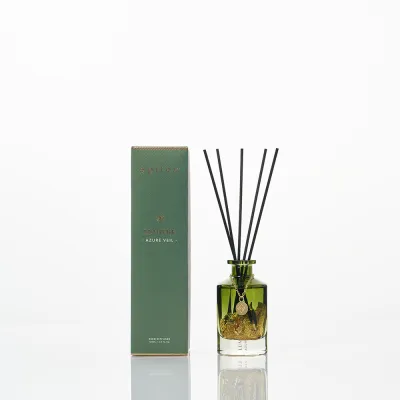
Prices are valid at publication and may change. Please refer to the product page for the latest price.
Universally Welcoming Fragrance Families
To ensure your gift is well-received, it is safest to focus on fragrance families known for their broad appeal and clean, refreshing characteristics. Fresh and clean notes are excellent choices for a new home because they mimic the sensation of an open window on a clear day. Fragrances featuring linen, sea salt, or light aquatic accords evoke a sense of order, cleanliness, and renewal. These profiles are particularly effective in tropical climates or compact urban apartments, where a crisp, airy scent can make indoor spaces feel larger, brighter, and thoroughly refreshed.

Subtle woody and earthy tones offer a different kind of comfort, grounding a new space with warmth and quiet sophistication. Notes of light sandalwood, cedarwood, or soft amber provide a cozy, comforting foundation that feels like a gentle embrace. Unlike heavy, smoky woods, these lighter botanical woods offer a modern, minimalist appeal that suits a wide variety of interior styles. They work exceptionally well during quiet evenings, helping the homeowners unwind after a long day of unpacking and organizing.
Light citrus and botanical blends represent another highly reliable category, offering an uplifting and energizing atmosphere. Scents that incorporate bergamot, lemongrass, white tea, or green tea are universally pleasant and rarely polarizing. These ingredients provide a clean, sophisticated brightness that can mask lingering moving-day odors without relying on heavy synthetic masking agents. A citrus-botanical blend brings a cheerful, vibrant energy to a home, making it an ideal companion for daytime gatherings or weekend mornings.
Scent Profiles to Avoid or Use with Caution
While some fragrance families are safe bets, others are highly polarizing and should generally be avoided unless you are intimately familiar with the recipient’s exact preferences. Heavy, sweet gourmand scents—such as those mimicking vanilla cake, caramel, chocolate, or intense bakery notes—can quickly become cloying. In smaller or poorly ventilated living spaces, these rich, sugary aromas can feel suffocating rather than comforting. They also tend to linger long after the candle has been extinguished, which may not be desirable for hosts who prefer a clean-smelling home.
Intense, heady florals are another category to approach with extreme caution. While a light, green floral like jasmine or white tea can be refreshing, heavy concentrations of tuberose, gardenia, or deep rose can easily trigger headaches or seasonal sensitivities. These traditional floral profiles often carry strong personal associations and can feel overly perfumed or old-fashioned to some. If you wish to gift a floral scent, look for modern blends where the floral notes are heavily balanced by fresh citrus or grounding woody bases.
Finally, overpowering spices and heavy synthetic musks should be left off your shopping list. Deep patchouli, intense cinnamon, clove, or heavy oriental musks can dominate an entire floor, leaving no room for other scents or fresh air. These profiles are highly subjective and can easily clash with the smell of cooking or the natural scent of the home. When selecting a housewarming gift, remember that the most welcoming fragrance is one that whispers its presence rather than one that demands attention.
Matching the Scent Profile to the Room and Home Style
A thoughtful way to narrow down your choice is to consider where the candle is most likely to be used or how the new home is styled. For private sanctuaries like bedrooms and bathrooms, relaxing and soothing profiles are unmatched. If you know your hosts are prioritizing a spa-like master bathroom or a serene bedroom retreat, look for candles featuring lavender, chamomile, or soft eucalyptus. These botanical scents promote restfulness and stress relief, offering a perfect antidote to the physical exhaustion of a major move.
For communal areas such as the living room, dining area, or entryway, the fragrance should focus on hospitality and social warmth. In these shared spaces, a balanced blend of citrus, light wood, and green tea works beautifully to create an inviting, conversational atmosphere. These scents are subtle enough to burn while hosting a dinner party or a casual get-together, ensuring that guests feel comfortable without the fragrance competing with the aromas of served food and drinks.
You can also align the candle’s scent and visual design with the overall aesthetic of the home. A minimalist, modern apartment with clean lines and neutral tones pairs beautifully with a fresh, aquatic, or white tea candle housed in a simple, clear, or matte white vessel. Conversely, a home with rustic, warm wood accents or eclectic vintage decor might be better complemented by a soft sandalwood or amber fragrance in an amber glass or ceramic jar. Matching the scent vibe to the visual environment shows a high level of consideration and ensures the candle serves as a cohesive decor piece.
Practical Considerations for Gifting Scented Candles
Beyond the fragrance itself, several practical details on the product label and packaging can elevate your gift from a simple gesture to a premium experience. Always check the wax type and wick material specified by the manufacturer. Natural waxes, such as soy, coconut, or beeswax, are highly regarded for offering a cleaner, slower burn with less soot compared to traditional paraffin wax. Additionally, cotton or wood wicks provide a more stable flame and a more even distribution of the fragrance throughout the room.
The expected burn time and the design of the vessel are also key indicators of quality. A well-made candle should offer a reasonable burn time relative to its size, allowing the recipients to enjoy the gift over several weeks. The vessel itself should be durable, heat-resistant, and aesthetically pleasing enough to be repurposed as a planter, stationary holder, or decorative jar once the wax is fully consumed. This adds a sustainable, lasting value to your gift that extends far beyond the life of the candle itself.
Lastly, take a moment to review the safety warnings and care instructions provided on the packaging. High-quality candles will always include clear guidelines on trimming the wick, maximum burn times per session, and safe placement away from drafts, flammable materials, and edge surfaces. Gifting a candle that features clear, professional safety labeling ensures your hosts can enjoy their new home fragrance with greater peace of mind.
Frequently Asked Questions (FAQ)
How many candles should I gift for a housewarming?
Gifting a single, medium-to-large statement candle (typically around 200g to 300g) is a classic and elegant choice that fits most housewarming occasions. If you prefer a more diverse gift, a curated set of two or three smaller votive candles allows the recipient to try different scent profiles in various rooms of their new home. To make the gift feel complete and highly functional, consider pairing the candle with a stylish box of long safety matches, a sleek wick trimmer, or a decorative tray that protects tabletop surfaces from heat.
Is it safe to gift scented candles to households with pets?
When gifting to a home with dogs, cats, or other small animals, pet safety should be a key consideration. Many common essential oils and synthetic fragrance ingredients can be irritating or toxic to pets when burned in enclosed spaces. Before purchasing, carefully check the manufacturer’s label for pet-safe formulations, or opt for candles made with 100% natural soy or beeswax and scented only with pet-friendly botanical extracts. If you are uncertain about the pet’s specific sensitivities, choosing a high-quality unscented beeswax candle or a beautifully designed candle warmer is a thoughtful, risk-free alternative.

Community discussion
Share your experience or ask a question. Comments are reviewed before publication.