
A selenite crystal plate serves as an elegant, radiant foundation for a prayer altar, acting as both a physical riser for sacred items and a spiritual centerpiece. It elevates statues of deities, ancestral tablets, offering bowls, and other sacred objects, creating a dedicated space that feels visually distinct. However, because selenite is a soft and delicate mineral, choosing the right plate involves more than just picking the first beautiful piece you see. You must evaluate its physical dimensions, load-bearing capacity, surface finish, and environmental factors to ensure your altar remains both structurally stable and visually harmonious.
Selecting the perfect piece requires balancing aesthetic preferences with practical considerations. Because prayer altars often host heavy metal statues, burning incense, and liquid offerings, the material properties of the crystal must align with these daily rituals. By understanding how to assess the quality, size, shape, and maintenance needs of a selenite plate, you can make an informed decision that enhances your sacred space for years to come.
Quick Guide to Choosing a Selenite Plate
When choosing a selenite crystal plate for your prayer altar, the decision-making process balances visual appeal, spatial constraints, and material safety. The ideal plate must not only complement the aesthetic of your sacred space but also withstand the physical demands of daily offerings and rituals.
Products mentioned in this guide
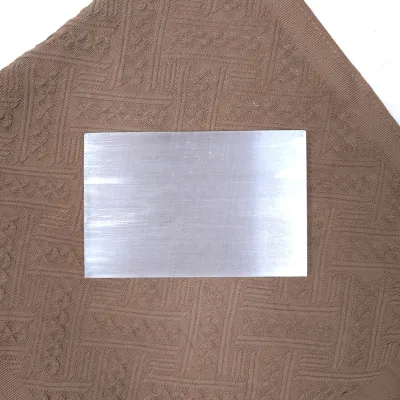
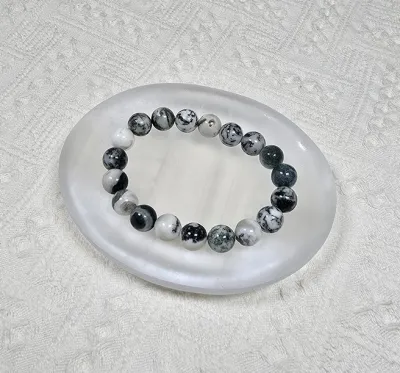
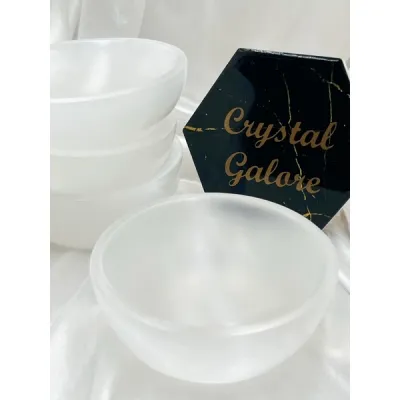
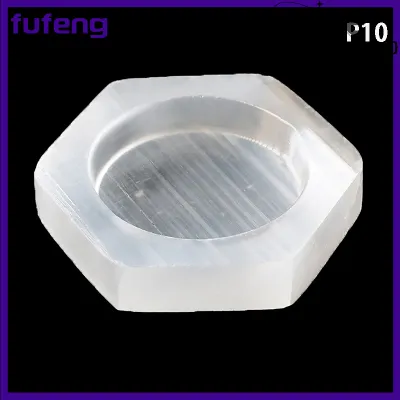
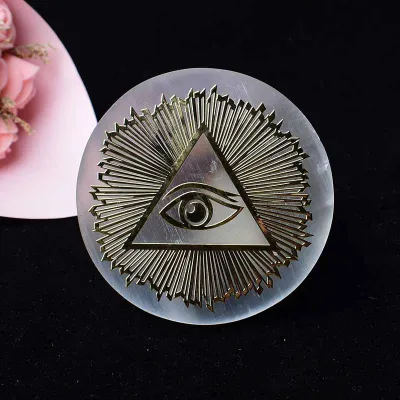
Prices are valid at publication and may change. Please refer to the product page for the latest price.
To make a quick and effective decision, focus on these core selection factors:
- Assess Quality and Integrity: Look for natural fibrous structures and check for deep, structural fissures that could compromise the plate's strength.
- Measure Altar Dimensions: Calculate the available shelf space, ensuring you leave adequate clearance around the plate for daily rituals.
- Select the Right Shape: Choose a shape (rectangular, round, or freeform) that aligns with your altar's layout and the specific items you plan to display.
- Verify Thickness: Ensure the plate is thick enough to support the weight of your deity statues, incense burners, or offering bowls without bowing or cracking.
- Understand Material Care: Keep in mind that genuine selenite is highly sensitive to moisture and heat, requiring specific placement and cleaning routines.
By keeping these essential criteria in mind, you can narrow down your options and select a durable, beautiful plate that serves as a safe and stable foundation for your spiritual practices.
Evaluating Selenite Quality and Clarity
Evaluating the quality and clarity of a selenite plate requires an understanding of its natural mineral properties. Most commercial selenite is actually satin spar, a fibrous variety of gypsum known for its silky, pearly luster. When light interacts with this fibrous structure, it creates a beautiful, shimmering cat’s-eye effect (chatoyancy) across the surface. True selenite, which is less common in large plate forms, is more transparent and window-like, whereas satin spar has a milky, translucent appearance with visible parallel lines running through the stone.

When inspecting a plate, run your fingers along the surface to check for structural integrity. Genuine selenite naturally contains internal striations, tiny mineral veils, and minor inclusions of sand or clay. These inclusions are completely normal and add unique character to each piece without affecting its strength. However, you must carefully distinguish these stable, natural markings from deep, open cracks or structural fissures. Fissures that run through the entire thickness of the plate are significant weak points that can cause the stone to split or snap under the weight of heavy brass or stone statues.
Another critical consideration is the choice between a polished surface and a raw, textured finish. Polished selenite plates are highly recommended for prayer altars because their smooth, flat surfaces are exceptionally easy to maintain. They allow you to place deity statues and offering cups completely flat, minimizing the risk of tipping, and they can be easily dusted to remove incense ash. Raw or natural-edge slabs offer a rustic, organic aesthetic that appeals to those seeking a closer connection to nature, but their uneven surfaces make balancing top-heavy items difficult, and their deep ridges easily trap dust and ash.
Finally, always inspect the base and edges of the plate for stability. A high-quality selenite plate must have a completely flat, level bottom so that it sits securely on your altar shelf without wobbling. If the base is uneven, the plate will rock when weight is applied, which can cause delicate ceramic statues to slide or liquid offerings to spill. Ensure the edges are smooth and free of major chipping, as rough or damaged edges are more prone to flaking and crumbling over time.
Sizing Your Selenite Plate for Altar Spaces
Accurately sizing your selenite plate is essential to prevent overcrowding and ensure the safety of your altar setup. In many homes, particularly in compact urban living spaces like apartments and HDB flats in Singapore, prayer altars are integrated into custom cabinetry, recessed wall niches, or dedicated floating shelves. Because space is often limited, you must measure your available altar area carefully before purchasing a plate.
To begin, use a measuring tape to determine the exact width, depth, and height clearance of the shelf or table where the plate will sit. Do not simply measure the total surface area; instead, identify the specific zone where the plate can rest flat without overlapping decorative borders, raised cabinet lips, or adjacent ritual items. Write down these dimensions so you can compare them against potential plates.
Next, calculate the footprint of the items you plan to place on top of the selenite plate. Gather your primary deity statues, ancestral tablets, offering bowls, and incense burners, and arrange them on a flat table exactly as they would sit on the altar. Measure the total width and depth of this arrangement. The selenite plate you choose must be slightly larger than this combined footprint, ensuring that no sacred item hangs over the edges of the crystal, which could cause instability.
Consider the relationship between the plate’s dimensions, its thickness, and its overall weight. Selenite is a dense mineral, and a large, thick slab can weigh several kilograms. You must verify that your altar shelf—especially if it is made of tempered glass or mounted on floating brackets—can safely support the combined weight of the heavy crystal plate and the items resting on top of it. For heavy brass or stone statues, choose a plate that is at least 1.5 to 2 centimeters thick to distribute the weight evenly and prevent the crystal from cracking.
Lastly, ensure you leave adequate physical clearance around the perimeter of the plate. A crowded altar increases the risk of accidental bumps during daily offerings, candle lighting, or routine cleaning. Aim to leave at least 3 to 5 centimeters of open space around the edges of the plate. This clearance provides comfortable hand room for placing fresh flowers, water cups, and incense sticks, keeping your daily rituals safe and peaceful.
Recommended Selenite Shapes for Spiritual Practices
The shape of your selenite plate plays a significant role in both the visual flow of your altar and the practical arrangement of your sacred items. Different shapes lend themselves to different layouts, helping you organize your space according to your specific spiritual traditions and aesthetic preferences.
Rectangular and Square Plates
Rectangular and square selenite plates are highly recommended for structured, traditional altars where symmetry and order are paramount. These geometric shapes provide clean, straight lines that align beautifully with the edges of standard altar shelves, creating a sense of balance and stability.
These plates are exceptionally efficient for holding multiple items in a row. For example, you can neatly line up a series of small water offering cups, paired candle holders, or ancestral tablets side-by-side. Their straight edges allow them to sit flush against the back wall or side panels of a tiered altar shelf, making them the most space-saving option for compact setups.
Round and Oval Plates
Round and oval selenite plates are ideal for creating a central focal point on your altar. The circular form naturally draws the eye inward, making it perfect for elevating a single primary deity statue, a brass singing bowl, or a central crystal generator.
Visual energy flows gently around curved edges, softening the overall aesthetic of the altar. This makes round plates excellent for modern, minimalist, or fluid altar designs. However, keep in mind that round plates require more depth on the shelf compared to rectangular plates of a similar surface area, meaning they are best suited for deeper altar tables or spacious central tiers.
Natural Edge and Freeform Slabs
Natural edge and freeform selenite slabs offer an organic, unrefined look that showcases the raw beauty of the crystal. Each slab is entirely unique, featuring irregular borders and textured edges that appeal to practitioners seeking a closer connection to natural, earthy elements.
While visually striking, freeform slabs present practical challenges for daily altar use. The uneven, sloping surfaces of raw slabs make it difficult to balance tall, top-heavy items like incense burners, oil lamps, or delicate ceramic statues. If you choose a freeform slab, reserve it for holding flat-bottomed, stable objects, or place it on a flat surface where it serves primarily as a decorative and spiritual accent rather than a heavy-duty load bearer.
Comparing Selenite Plate Types for Altar Use
To help you finalize your selection, the table below compares the three main shapes of selenite plates across key practical dimensions, helping you choose the best fit for your altar’s layout and weight requirements.
| Shape Type | Best Altar Placement | Ideal Items to Hold | Space Efficiency | Surface Stability |
|---|---|---|---|---|
| Rectangular / Square | Flush against back walls, tiered shelves, or side corners | Multiple items in a row, paired candles, offering cups, ancestral tablets | High (maximizes shelf depth and corners) | Excellent (completely flat, uniform surface) |
| Round / Oval | Center of the main shelf, primary focal points | Single deity statue, singing bowls, central crystal generators | Medium (requires more depth and open space) | Very Good (flat center, tapered edges) |
| Freeform / Natural Edge | Open altar tables, modern or minimalist setups | Flat-bottomed items, tumbled stones, lightweight offerings | Low (irregular shapes create unused space) | Fair (sloping or uneven surfaces require care) |
Safe Placement and Maintenance on the Altar
Because selenite is a delicate, water-soluble mineral with a low Mohs hardness of 2, proper placement and maintenance are essential to prevent physical damage during daily altar use. Unlike harder crystals like quartz or jade, selenite requires careful handling to preserve its beautiful, pearly luster over time.
Moisture Avoidance
Selenite is a variety of gypsum, meaning it is highly soluble in water. In tropical, high-humidity environments like Singapore, protecting the stone from moisture is critical. Never place liquid offering cups—such as water, tea, wine, or oil—directly on the selenite plate without a waterproof barrier. Any spills, drips, or condensation can slowly dissolve the surface of the stone, leaving dull, white, chalky patches that permanently ruin its luster. Strictly avoid washing the plate, soaking it, or wiping it with a damp cloth.
Heat Management
Selenite has low thermal conductivity and is highly susceptible to thermal shock. Direct heat from lit candles, ghee lamps, oil burners, or hot incense ash can cause the crystal to expand unevenly, leading to sudden cracking, splitting, or permanent black scorch marks. Always place candles and incense in dedicated, heat-resistant holders made of ceramic, metal, or thick glass. Ensure these holders have solid bases that elevate the heat source completely off the crystal surface, or place them on separate coasters next to the plate.
Cleaning Routines
To keep your selenite plate clean, adopt a strictly dry cleaning routine. Use a soft, dry microfiber cloth to gently wipe away dust and stray incense ash. For intricate, hard-to-reach areas or raw edges, a clean, soft-bristled makeup brush or paint brush works beautifully to sweep away debris without scratching the soft surface of the stone. Never use chemical cleaners, glass sprays, or abrasive scrubbing pads, as these will scratch and corrode the mineral.
Handling Precautions
Always support the selenite plate from underneath using both hands when moving or rearranging your altar. Selenite has perfect cleavage in one direction, which means it can easily split or snap if you lift it by a single edge or apply uneven pressure. When placing heavy items on the plate, lower them gently and vertically; never drag heavy brass or stone statues across the surface, as this will leave deep, permanent scratches on the soft crystal.
Frequently Asked Questions (FAQ)
Can I place lit candles directly on a selenite plate?
No, you should never place lit candles, oil lamps, or ghee lamps directly on a selenite plate. The direct heat from a flame can cause thermal shock, leading to sudden cracking or splitting of the crystal. Additionally, hot melting wax and direct heat can leave permanent, unsightly black scorch marks on the stone. Always use a dedicated, heat-resistant candle holder made of thick glass, ceramic, or metal to elevate the heat source and protect the delicate crystal beneath.
How do I cleanse a selenite plate without using water?
Because selenite is water-soluble, you must never use water to cleanse it physically or spiritually. Instead, use dry methods to maintain the stone’s integrity. For physical cleaning, use a dry, soft-bristled brush or a dry microfiber cloth to sweep away dust and incense ash. For spiritual cleansing, you can pass the plate through the smoke of burning incense (such as sandalwood or agarwood), use the sound vibrations of a brass singing bowl or bell, or place it in a dry spot under the light of a full moon.
Does the thickness of the selenite plate affect its durability?
Yes, the thickness of a selenite plate directly impacts its structural durability and load-bearing capacity. Thicker plates, ideally between 1.5 to 2.5 centimeters, offer much better structural integrity and can safely support heavy items like brass deity statues, stone carvings, or large crystal clusters. Thin slices of selenite (under 1 centimeter) are highly fragile and prone to snapping under pressure; these should only be used for lightweight decorative items or placed completely flat on a fully supportive, solid wooden shelf.
Community discussion
Share your experience or ask a question. Comments are reviewed before publication.