
There is no single “best” sensor type for spot lights across all rooms. Instead, the ideal choice between Passive Infrared (PIR), microwave, and dual-technology (dual-tech) sensor lights depends entirely on the physical layout, environmental conditions, potential obstructions, and specific usage patterns of each room. Selecting the right technology ensures that your spotlights illuminate exactly when needed, avoiding both frustrating false triggers and unresponsive dark spots.
While decorative styles, perceived color temperatures, and spatial lighting effects are important conditional preferences for your home’s aesthetic, the underlying sensor technology determines the system’s practical success. By matching the sensor’s operating mechanism to the unique characteristics of a space, you can create a seamless, energy-efficient lighting system. Whether you are illuminating a busy hallway, a damp bathroom, or a drafty kitchen, understanding how these sensors interact with their surroundings is the first step toward a successful installation.
Understanding Sensor Technologies for Spot Lights
To make an informed decision, it is essential to understand how the three primary sensor technologies operate and where their limitations lie. Passive Infrared (PIR) sensors are the most common type found in residential sensor lights. They work by detecting changes in infrared radiation, which translates to the body heat emitted by people or pets. Because PIR sensors rely on detecting moving heat signatures, they require a clear, unobstructed line of sight to function correctly. It is also important to note that their sensitivity can decrease in high-ambient-temperature environments, particularly when the room temperature closely matches human body heat.
Products mentioned in this guide
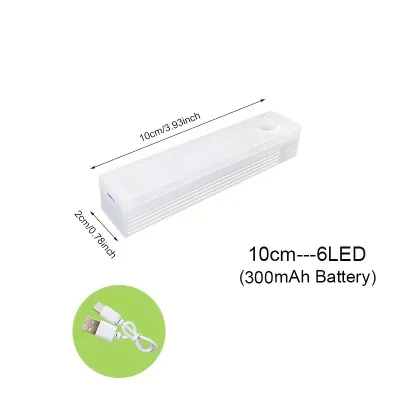
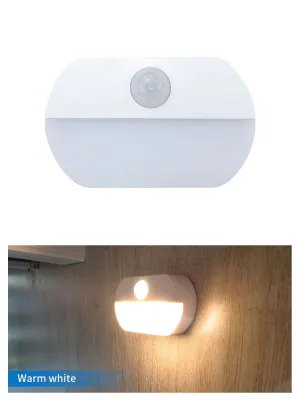
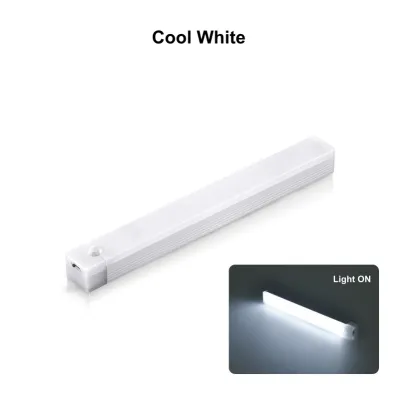
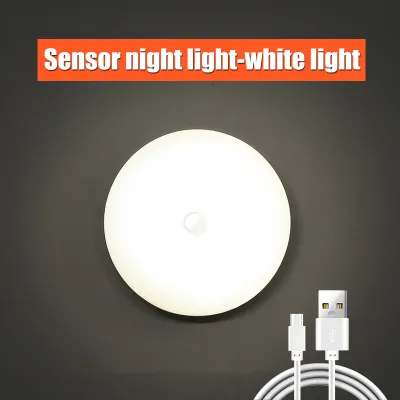
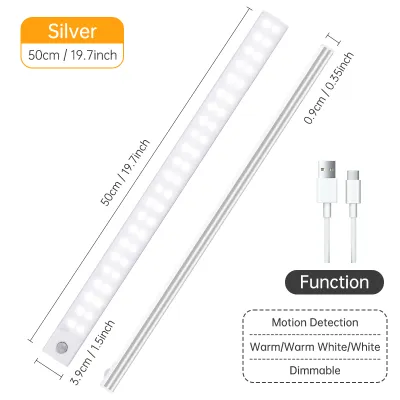
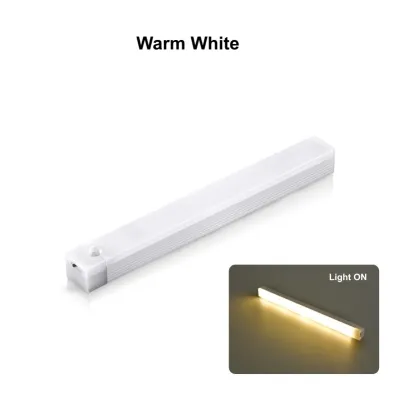
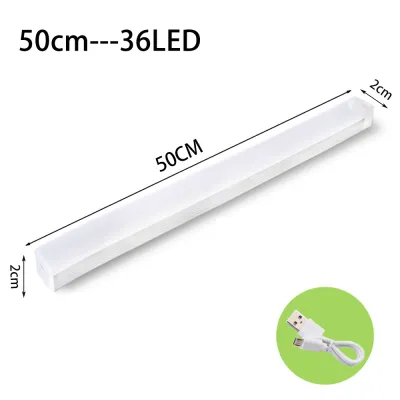
Prices are valid at publication and may change. Please refer to the product page for the latest price.
Microwave sensors operate on a completely different principle by emitting high-frequency electromagnetic waves and measuring the reflection off moving objects. This active detection method does not require a direct line of sight, meaning the sensor can easily detect motion through non-metallic barriers such as drywall, glass, plastic, and thin wooden doors. While this makes microwave sensors incredibly sensitive to even the smallest micro-movements, it also means they can occasionally trigger false alarms if they detect movement in an adjacent room or corridor.
Dual-technology (dual-tech) sensors combine both PIR and microwave mechanisms into a single unit to offer the highest level of reliability. For a dual-tech spotlight to turn on, both the infrared heat sensor and the microwave motion sensor must be triggered simultaneously or in rapid succession. This dual-verification process dramatically reduces false activations, making them highly suitable for complex or volatile environments where temperature fluctuations or minor structural vibrations might otherwise trigger a single-technology sensor.
Matching Sensor Types to Specific Room Conditions
Every room in a home presents a unique set of physical and environmental challenges that can influence sensor performance. Choosing the right technology requires analyzing how people use the space and what physical obstacles are present.

High-Traffic and Open Areas (Living Rooms, Hallways)
In wide, open layouts such as living rooms, entryways, or long hallways, maintaining consistent and broad light coverage is essential. Microwave or dual-tech sensor lights are often the most effective choices for these spaces because they can cover expansive areas without being limited by furniture or architectural pillars. Their high sensitivity ensures that lights turn on the moment you step into the space, providing a safe and welcoming path.
When selecting a spotlight for these high-traffic zones, always check the manufacturer’s specifications for detection angles and maximum range. Ensuring the sensor’s coverage matches the physical dimensions of your room helps prevent dead zones where you might find yourself walking in the dark before the light finally activates.
Confined and Obstructed Spaces (Bathrooms, Walk-in Closets)
Bathrooms and walk-in closets are typically compact but filled with physical obstructions like shower screens, partition walls, and hanging clothes. PIR sensors often struggle in these environments because any physical barrier will block their line of sight, leaving corners or shower stalls in darkness.
Utilizing microwave sensor lights can resolve these issues, as their signals can easily penetrate glass shower doors or thin partition walls. However, because these waves can pass through walls, you must adjust the sensitivity dials according to the product manual during installation. This calibration prevents the sensor from detecting motion in the hallway outside the bathroom or closet, ensuring the light only activates when someone is actually inside the room.
Temperature-Sensitive and Drafty Zones (Kitchens, Near AC Units)
Kitchens and areas near air conditioning vents, windows, or stoves experience rapid temperature fluctuations and moving air currents. PIR sensors are highly susceptible to false activations in these zones, as they can mistake a sudden draft of cold air from an AC unit or a wave of heat from an oven as a moving human body.
To prevent your spotlights from constantly turning on and off unnecessarily, prefer dual-tech sensors in these temperature-sensitive zones. The dual-tech system cross-verifies any thermal changes detected by the PIR sensor with the physical motion detection of the microwave sensor, ignoring simple thermal drafts or appliance heat signatures while still responding reliably when a person enters the kitchen.
Key Installation and Setup Considerations
Achieving optimal performance and safety from your sensor lights requires careful planning during the installation phase. Before purchasing any fixtures, verify their technical specifications to ensure compatibility with your home’s electrical infrastructure. This includes checking the operating voltage (such as the standard 230V supply), the track light interface types (such as H-type, J-type, or L-type tracks), maximum wattage limits, and local electrical safety certifications like the SAFETY Mark.
Plan the mounting height and tilt angles strictly according to the product manual. Correct positioning maximizes the intended detection zone and prevents issues like floor reflections or pet movements from triggering the lights.
Always isolate the power supply at the main distribution board before attempting any installation or adjustment. For fixed wiring, working at heights, installing heavy track systems, or if you are unfamiliar with electrical work, stop and consult a qualified electrician to ensure a safe and compliant installation.
Cross-Room Compatibility and Smart Adjustments
Many modern sensor spotlights feature adjustable parameters that allow you to customize their behavior for different rooms without needing to buy entirely different fixtures.
Adjust the time delay settings to match the specific tasks performed in each space. For instance, transitional areas like hallways benefit from shorter time delays (e.g., 30 seconds to a minute) to save energy, while reading nooks or study areas require longer delays to prevent the lights from turning on and off while you are sitting relatively still.
Calibrate the lux (daylight) sensor threshold to ensure the spotlight only activates when the ambient light falls below a certain level. This prevents the lights from turning on during bright daylight hours, maximizing energy efficiency.
If physical adjustments, sensitivity dial calibrations, and positioning tweaks fail to resolve persistent false triggers or dead zones, it indicates that the underlying sensor technology is mismatched for that specific room’s environment, and a different sensor type should be selected.
Frequently Asked Questions (FAQ)
Can microwave sensor spot lights detect motion through walls?
Yes, microwave signals can penetrate non-metallic materials such as drywall, glass, plastic, and thin wood. While this is beneficial for hidden installations, it can cause unintended triggers from activity in adjacent rooms. To manage this oversensitivity, refer to the manufacturer’s troubleshooting guide to lower the sensitivity dial, reposition the fixture angle, or apply physical shielding if supported by the product design.
Why does my PIR sensor light stay on or fail to turn on?
If a PIR sensor light stays on continuously or fails to activate, first check for physical obstructions blocking the sensor’s line of sight and clean the sensor lens gently with a dry microfiber cloth. Verify that nearby heat sources, drafts, or extreme ambient temperatures are not interfering with the infrared detection. Review the product manual for specific reset procedures, and if the issue persists after these basic checks, consult the manufacturer or a qualified electrician to inspect the internal wiring or sensor module.

Community discussion
Share your experience or ask a question. Comments are reviewed before publication.