
To choose the right size acrylic display case for your figurines, you must measure the absolute physical boundaries of the figure—including its base, dynamic poses, and accessories—and add a standard clearance buffer of at least 3 to 5 centimetres on all sides. Relying solely on scale ratios like 1/7 or 1/4 often leads to cases that are too small or visually cramped. Proper planning ensures your collection remains protected from dust while being showcased with optimal visual balance.
Why Scale Ratios Do Not Dictate Exact Display Dimensions
Scale ratios such as 1/8, 1/7, or 1/4 represent the proportion of the figurine relative to the fictional character’s canonical height. Because fictional characters vary wildly in height, two figurines of the exact same scale can have vastly different physical dimensions. A 1/7 scale figure of a towering warrior will easily dwarf a 1/7 scale figure of a shorter character, making a standardized case size impossible to rely on.
Dynamic poses further complicate physical dimensions. Many modern scale figures are sculpted in mid-air leaps, leaning stances, or action poses that extend far beyond the vertical axis. These poses often include trailing capes, flowing hair, or extended weapons like swords and spears that dramatically increase the physical footprint of the piece.
Products mentioned in this guide

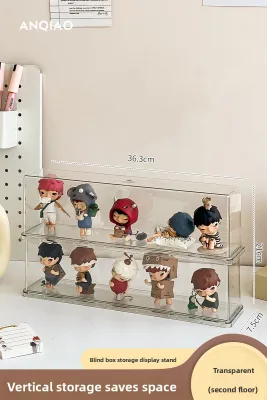
Prices are valid at publication and may change. Please refer to the product page for the latest price.
Additionally, manufacturers frequently include elaborate base dioramas, spell effects, or background elements that occupy significant horizontal and vertical space. Relying on the scale label on the box often results in purchasing a display case that cannot close because an outstretched hand or weapon tip protrudes past the acrylic wall. Measuring the physical item is the only reliable way to ensure a perfect fit.
How to Measure and Calculate Ideal Internal Dimensions
To find the correct internal dimensions for your acrylic display, place the figurine on a flat, level surface. Use a firm measuring tape or a long ruler to record the maximum height, width, and depth. Always measure from the absolute outermost points, which may mean measuring from the tip of an outstretched weapon to the back edge of a flowing cape rather than just measuring the figure’s torso.

Height must be measured from the very bottom of the display base to the highest point of the assembly, which could be a weapon tip, an ear, or an effect piece. Width is the maximum distance from the leftmost point to the rightmost point, while depth is the distance from the frontmost point to the backmost point. Do not guess these values, as even a five-millimetre error can prevent the case from fitting.
Once you have the absolute physical dimensions, you must add visual breathing room, also known as clearance. A figurine packed tightly against the acrylic walls looks cramped and loses its premium aesthetic. Adding 3 to 5 centimetres of clearance to the height, width, and depth provides a clean, museum-like presentation and ensures you can safely lower the acrylic cover over the figure without scratching the delicate paintwork.
Finally, consider any interchangeable parts or planned additions. If your figurine comes with an alternative portrait, an optional weapon, or swap-out hands that extend further outward, measure the figure with its largest configuration. If you plan to display small companion pieces or accessories on the same base in the future, factor that extra space into your initial calculations.
Matching Acrylic Thickness to Case Dimensions
Selecting the appropriate acrylic panel thickness is vital for maintaining the structural integrity of your display. The larger the volume of the case, the more surface area each panel has, which increases the risk of the material flexing or bowing under its own weight. Choosing the correct thickness ensures the case remains rigid and safe over years of use.
For small display cases under 20 centimetres in height and width, a panel thickness of 2 millimetres is generally sufficient. These lightweight cases do not experience significant structural stress. For medium-sized displays housing standard 1/8 or 1/7 scale figures, a thickness of 3 millimetres offers a great balance of structural rigidity and optical clarity without adding excessive weight to your shelving.
Large cases, especially those designed for heavy 1/4 scale figures or multi-figure dioramas, require panels that are 4 to 5 millimetres thick. Thin acrylic on a large scale will warp over time, particularly in warm or humid environments. When purchasing, check the manufacturer’s specifications for structural support features such as interlocking joints, magnetic access doors, or reinforced corner brackets that help distribute weight evenly.
Planning External Dimensions and Shelf Placement
Before finalizing your purchase, you must calculate the external dimensions of the acrylic display case. The external size is always larger than the internal dimensions because it includes the thickness of the acrylic panels, the base plate, and any assembly hardware like screws or brackets. For example, a case with 3-millimetre panels will add at least 6 millimetres to both the total width and depth.
Measure your physical shelving or display cabinet carefully to ensure the external dimensions of the case will fit. In many homes, built-in shelving or glass display cabinets have fixed height limits and specific depth boundaries. Ensure there is enough clearance around the external walls of the case to easily slide it in and out of the shelf for cleaning and maintenance.
Weight capacity is another critical factor. Thick acrylic cases, especially when paired with heavy wooden or solid acrylic bases, add substantial weight to glass shelves. Verify the weight limits of your display furniture before stacking multiple cases.
Environmental factors also dictate where you should place your display. Acrylic is sensitive to heat and ultraviolet light. Position your display cases away from direct sunlight near windows, as UV rays can yellow the acrylic panels and fade the paint on your figurines over time. Keep cases away from direct air conditioning drafts or heat sources to prevent thermal stress on the joints.
Common Sizing Mistakes to Avoid
One of the most common mistakes collectors make is forgetting to measure the base footprint. Many figures feature wide, stylized bases that extend far beyond the character’s shoulders or hips. If you only measure the figure’s body, you may end up with a case where the base cannot sit flat on the bottom plate, causing the entire display to tilt or slide.
Another frequent error is ignoring dynamic pose overhangs. A figure might appear relatively compact from a straight-on front view, but a leaning pose or a swept-back cape can create a massive depth requirement. If the case is too shallow, these protruding parts will press directly against the acrylic, leading to paint transfer, scuffs, or structural damage to delicate parts.
Lastly, buying a case that is too tight makes routine maintenance a hazard. When it comes time to dust your collection or adjust a pose, a tight fit increases the risk of knocking the figure against the hard acrylic walls. Providing generous clearance ensures you can lift the cover off smoothly without snagging fragile hair tips or thin accessories.
Frequently Asked Questions (FAQ)
Should I buy a pre-made or custom-sized acrylic display?
Pre-made acrylic display cases are highly cost-effective, typically ranging from S$15 to S$40, and are readily available for immediate use. They are ideal for standard 1/8 or 1/7 scale figures in upright, static poses. However, if you own a large 1/4 scale figure, a complex diorama, or a piece with an unusually wide base, a custom-sized case is highly recommended. Custom cases generally cost between S$60 and S$150 or more depending on thickness, but they ensure a perfect, safe fit tailored to your specific piece.
Can I use the same acrylic display for different figurine scales?
You can use a larger acrylic display case for smaller figurine scales, provided you manage the empty space effectively. Placing a single small figure in a massive case can make the display look empty and unfinished. To solve this, you can use clear acrylic steps or risers to create vertical levels, allowing you to display multiple smaller figures, such as Nendoroids or 1/10 scale pieces, together in a cohesive and visually appealing arrangement.
Community discussion
Share your experience or ask a question. Comments are reviewed before publication.