
Selecting the ideal statue base is a balancing act between physical safety and visual harmony. A well-chosen pedestal secures your cultural or religious artifact, preventing costly damage from accidental tips while elevating its presence in your home. To find the right fit, you must evaluate the physical footprint of the statue, calculate its weight distribution, and measure the surrounding display environment.
Assessing Your Statue's Dimensions and Weight
Before browsing for a display platform, you need precise measurements of your statue’s base or contact points. Start by measuring the exact width and depth of the statue’s bottom surface, which is often different from its widest upper point. Identifying the lowest center of gravity is crucial, as top-heavy figures or those with dramatic, outstretched limbs require a wider footprint to remain stable.
Weight is the next critical factor, as it dictates the structural integrity and material thickness required for the base. Heavy stone, bronze, or solid ceramic figures demand robust support structures that will not bow or crack over time. Lightweight wooden or hollow resin pieces, on the other hand, have different stability needs and may require a base with a non-slip surface to prevent sliding.
Products mentioned in this guide
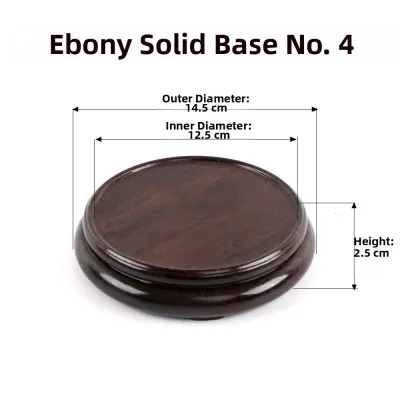
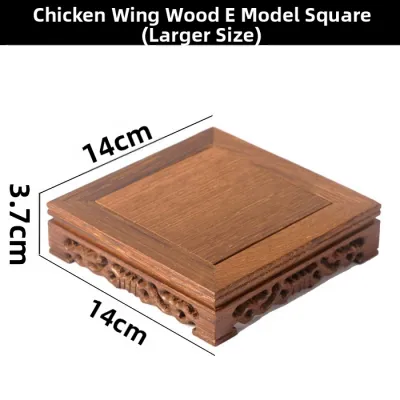
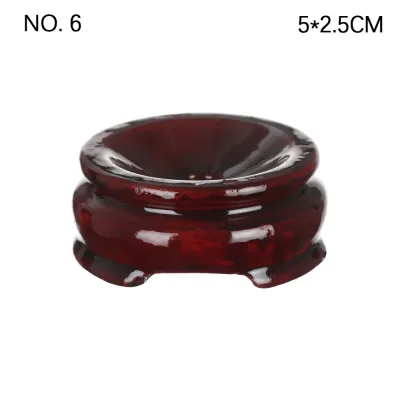
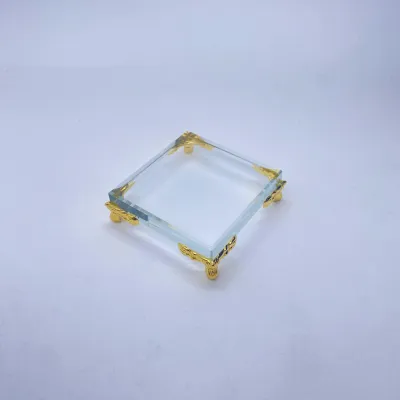
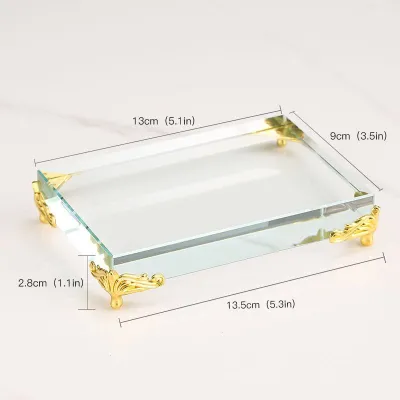
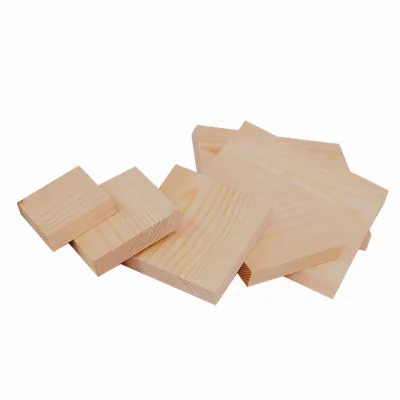
Prices are valid at publication and may change. Please refer to the product page for the latest price.
Examine the bottom of your statue for any irregularities, such as uneven carving, protruding screws, or hollow cavities. An uneven base can cause wobbling, which increases the risk of tipping during routine cleaning or minor vibrations. For irregular surfaces, look for bases that can accommodate protective felt padding, custom contours, or recessed platforms to level the figure safely.
Determining the Ideal Base Proportions
Achieving visual balance requires a base that complements, rather than competes with, the statue’s proportions. As a general guideline, the top surface of the base should extend at least one to two inches beyond the widest point of the statue’s footprint. This extra margin provides a physical safety buffer and creates a visual frame that anchors the piece.

The height of the base plays a significant role in how the artwork is perceived within a room. A low, low-profile platform works well for tall, slender figures, keeping the overall display from becoming top-heavy or unstable. Conversely, shorter statues benefit from taller pedestals that elevate them closer to eye level, making them a focal point without dominating the surrounding decor.
Shape compatibility is another key design consideration that influences the overall aesthetic. Pairing a round statue with a circular base creates a soft, continuous flow, which is often selected for traditional or religious figures. Angular or modern geometric sculptures often look highly balanced on square or rectangular platforms, which echo their clean lines and structured forms.
Evaluating Your Display Space and Environment
A statue base must fit seamlessly into its physical surroundings without overcrowding the area. Measure the depth and width of the shelf, altar, or display cabinet where the setup will reside, ensuring there is ample clearance on all sides. Placing a base too close to the edge of a shelf increases the risk of accidental bumps and makes the display look cramped.
Consider the daily traffic patterns in the room where the statue will be displayed. High-activity zones, narrow hallways, and entryways are prone to vibrations and accidental contact, requiring wider, heavier bases that offer maximum stability. In quieter areas, such as a dedicated study or a formal living room, you have more flexibility with slimmer or taller display profiles.
Viewing angles and eye level are essential for determining the ideal height of the combined statue and base. If the display is positioned on a low coffee table, a slightly taller base can help lift the figure into a comfortable viewing range. For high shelves or wall-mounted niches, a minimal, low-profile base ensures the statue remains fully visible without obstructing the sightlines of its upper details.
Matching Base Materials to Weight and Aesthetics
The material of your statue base must support the physical load while harmonizing with your interior design. Solid wood bases offer classic warmth and exceptional strength, making them highly suitable for traditional cultural artifacts and medium-to-heavy figures. Stone bases, such as marble or granite, provide substantial weight and stability, ideal for securing heavy bronze or stone sculptures.
For modern interiors, metal and acrylic bases offer sleek, minimalist alternatives that highlight the artwork itself. Acrylic provides a lightweight, floating appearance, but it is typically reserved for lighter figures to prevent scratching or bowing under pressure. When selecting materials, always review the manufacturer’s care instructions to ensure long-term durability.
In humid climates like Singapore, moisture resistance is a crucial factor for material longevity. Unsealed wood can warp or split, while certain metals may corrode when exposed to high humidity over extended periods. Opt for treated hardwoods, sealed stone, or corrosion-resistant metals, and choose finishes that complement the statue’s patina without clashing with your existing furniture.
Common Sizing Mistakes to Avoid
One of the most frequent errors is choosing an undersized base, which compromises both safety and aesthetics. A base that is smaller than the statue’s widest point creates a top-heavy silhouette and a severe tipping hazard, especially for asymmetrical figures. Always prioritize physical stability over a minimalist look when dealing with valuable or fragile artifacts.
Conversely, an oversized base can overwhelm a delicate statue, making the artwork appear smaller and less significant than it is. A massive platform also consumes valuable shelf space, leaving little room for other decorative elements or natural light. Aim for a balanced proportion where the base serves as a supportive frame rather than the main attraction.
Finally, do not forget to calculate the combined weight of the statue and the base before placing them on your furniture. Lightweight shelving, glass ledges, and wall-mounted brackets have strict weight limits that can easily be exceeded by a heavy stone base. Always verify the load capacity of your furniture to ensure it can safely support the entire display setup.
Frequently Asked Questions (FAQ)
Can I use a glass base for a heavy stone statue?
Using a glass base for a heavy stone statue requires extreme caution and careful verification of material specifications. You must check the glass thickness and ensure it is fully tempered to handle the concentrated weight without shattering. It is highly recommended to consult the manufacturer’s load limits and place protective rubber or felt padding beneath the stone to prevent point-load stress and surface scratching.
How much extra space should I leave around the base on a shelf?
It is recommended to maintain a minimum buffer zone of two to three inches of clear space around all sides of the base on a shelf. This clearance protects the display from accidental bumps during cleaning, accommodates minor vibrations, and prevents a cluttered appearance. Additionally, always verify that the shelf’s overall weight capacity can safely support the combined weight of both the statue and its base.
Community discussion
Share your experience or ask a question. Comments are reviewed before publication.