
Choosing the perfect table decoration requires balancing artistic expression with spatial harmony. A sculpture that is too large dominates the surface, making the entire room feel cramped, while an undersized piece gets lost among everyday items. To find the ideal balance, you must evaluate your table’s physical dimensions, understand how visual weight affects perception, and preserve open areas around the artwork. By taking a systematic approach to measuring and planning, you can introduce a striking focal point that enhances your interior design without sacrificing the practical usability of your furniture.
Assessing Your Table's Dimensions and Usable Space
Before browsing for a new table decoration, you must establish the physical boundaries of your furniture. Start by measuring the total length, width, and height of the table surface using a standard measuring tape. These raw dimensions represent the absolute maximum envelope of your space, but they do not reflect the actual area available for display. For instance, a dining table in a compact apartment or condominium requires clear zones for plates, serving dishes, and glassware, while a study desk must accommodate laptops, notebooks, and task lighting.
To determine the true usable space, calculate the functional clearance by subtracting the area required for daily activities. For a dining table, map out the individual place settings—typically extending about 30 to 40 centimeters inward from the edge—and identify the remaining central zone. For a console table in an entryway, consider the space needed for a key tray, mail organizer, or table lamp. The remaining unoccupied surface area is your safe zone for decorative objects.
Products mentioned in this guide

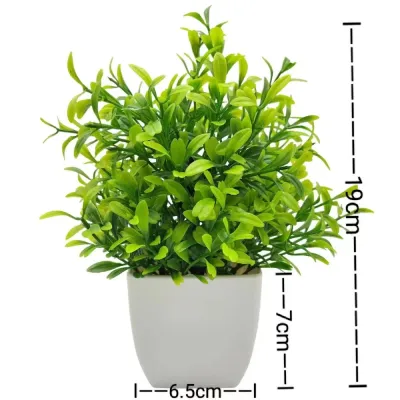

Prices are valid at publication and may change. Please refer to the product page for the latest price.
The primary function of your table ultimately dictates the maximum footprint your sculpture can occupy. A purely decorative accent table, such as a side table in a quiet corner, can support a sculpture that covers a larger percentage of its surface because the table does not need to accommodate active tasks. Conversely, a high-traffic coffee table or dining table demands a much smaller decorative footprint to ensure that cups, plates, and books can be placed down easily without the risk of knocking over your artwork.
Applying the Rule of Proportion and Scale
Achieving visual harmony relies on matching the scale of your table decoration to the proportions of the table itself and the surrounding furniture. A helpful starting point is to ensure the height of the sculpture does not overwhelm the width of the table. For long rectangular tables, a sculpture that is too narrow and tall can look isolated, whereas a wider, horizontal piece or a series of coordinated figures creates a more balanced silhouette. When placing a sculpture next to other furniture, such as a sofa or an armchair, ensure its height sits comfortably in relation to the armrests and seat backs to maintain a cohesive horizontal line across the room.

You must also adjust your perception of scale based on the room’s ceiling height and overall spatial volume. In homes with high ceilings or open-plan layouts, a small figurine can easily disappear, appearing insignificant within the vast space. In these environments, you can opt for a taller, more substantial sculpture to draw the eye upward. In contrast, rooms with standard or lower ceilings benefit from lower-profile decorations that keep the visual plane open and airy, preventing the room from feeling closed in.
Before making a purchase, always compare the manufacturer’s listed dimensions against your measured usable space. Do not rely solely on product photos, which can often be styled in misleading contexts or shot from angles that distort the object’s true size. Create a physical mockup of the sculpture’s footprint and height using cardboard, folded paper, or even a stack of books placed on the table. This simple physical check allows you to visualize how the object occupies three-dimensional space and ensures it will not interfere with your daily routines.
Balancing Visual Weight and Negative Space
Physical dimensions tell only part of the story; the visual weight of a table decoration determines how heavy or dominant it feels in a room. Visual weight is influenced by the sculpture’s material, color, and structural complexity. A solid, dark bronze or ceramic sculpture appears much heavier and more prominent than a glass, wireframe, or open-lattice piece of the exact same physical dimensions. If you have a solid timber table, a dense, opaque sculpture might make the entire setup look overly heavy, whereas a delicate, light-colored, or translucent piece can soften the overall aesthetic.
Preserving adequate negative space—the empty area surrounding an object—is the most effective way to prevent a cluttered look. Negative space acts as a visual buffer, allowing the eye to rest and appreciate the details of the artwork. As a general rule of thumb, aim to leave at least half of the table’s surface area completely clear of any decor. This open space frames your sculpture, elevating it from a random household object to an intentional, curated gallery piece.
When deciding between a single statement piece or a grouping of smaller figurines, evaluate the available surface area and the atmosphere you want to create. A single, well-proportioned statement piece is often the safest choice for maintaining a clean, minimalist look, as it creates a clear focal point with minimal visual noise. If you prefer grouping smaller items, use the rule of threes by combining objects of varying heights, shapes, and textures. Ensure these items share a common design element, such as material or color palette, and cluster them closely together so they read as a single cohesive unit rather than scattered clutter.
Common Sizing Mistakes and How to Avoid Them
One of the most frequent mistakes in home styling is selecting a table decoration that is too tall for its environment. In dining rooms, an excessively tall centerpiece blocks direct sightlines between seated guests, forcing them to lean sideways to converse. To avoid this, sit in your dining chairs and verify that the top of the sculpture sits well below eye level. Similarly, on a desk or coffee table, an overly tall piece can block views of a computer screen or television, creating constant daily frustration.
Another common pitfall is surface overcrowding, which occurs when you surround a beautiful sculpture with too many mismatched decorative items. Placing coasters, candles, picture frames, and small dishes directly adjacent to your main piece dilutes its visual impact and creates a chaotic environment. To prevent this, designate a single primary focal point for the table and keep secondary items to an absolute minimum, ensuring they are physically separated from the sculpture to preserve its dedicated breathing room.
Finally, always respect the table’s visual boundaries and avoid edge overhang. A sculpture with a base that extends past the flat surface of the table looks unstable and creates a severe tipping hazard, especially in households with pets or young children. Ensure the entire base of the artwork sits securely within the flat plane of the tabletop, leaving a comfortable margin of safety from the edges. This positioning not only keeps the piece physically secure but also ensures it looks grounded, balanced, and professionally styled.
Frequently Asked Questions (FAQ)
What is the ideal height for a dining table centerpiece sculpture?
To maintain comfortable conversation and clear sightlines during meals, a dining table centerpiece sculpture should generally remain below the eye level of seated guests. A practical way to test this is to sit at the table and measure the distance from the tabletop to your chin; keeping the sculpture below this height ensures guests can interact without obstruction. Additionally, you must consider the clearance of any overhead lighting fixtures, such as low-hanging dining pendants or chandeliers. Ensure there is a generous gap between the top of the sculpture and the bottom of the light fixture to prevent the space from feeling compressed and to avoid heat damage from warm bulbs.
Can I use a large sculpture on a narrow console table?
You can display a larger sculpture on a narrow console table, provided you carefully evaluate the object’s base footprint. The base must fit entirely within the shallow depth of the console without any overhang, ensuring the piece remains stable. Because console tables are frequently placed in high-traffic areas like entryways or hallways, verify the weight distribution of the sculpture to prevent tipping hazards if the table is accidentally bumped. Opting for sculptures with a heavy, low center of gravity or securing the table to the wall can provide extra stability while allowing you to enjoy a dramatic, large-scale artistic statement in a narrow space.
Community discussion
Share your experience or ask a question. Comments are reviewed before publication.