
Choosing the right size Varalakshmi stand is essential for creating a stable, secure, and visually balanced altar setup during the auspicious Varalakshmi Vratam festival. The stand, often referred to as a peetam or pedestal, serves as the physical and symbolic foundation for the deity’s idol or kalasam. Selecting the correct dimensions ensures that the sacred arrangement remains securely upright throughout the prayers, offerings, and rituals, while also elevating the idol to a prominent position that commands respect.
A stand that is too small compromises safety, making the decorated idol prone to tipping over at the slightest vibration or accidental touch. Conversely, an excessively large stand can overwhelm a compact home altar, crowding out essential ritual items such as oil lamps, incense holders, and offering plates. By taking precise measurements of your idol and understanding the spatial dynamics of your display area, you can select a stand that harmonizes beautifully with your home decor and ritual practices.
Whether you are using a traditional brass idol, a clay figurine, or a decorated kalasam with a silver face mold, the principles of proportion and stability remain the same. This guide outlines a step-by-step approach to measuring your idol, calculating the optimal stand dimensions, assessing your altar space, and verifying structural safety to ensure a harmonious festive arrangement.
Products mentioned in this guide
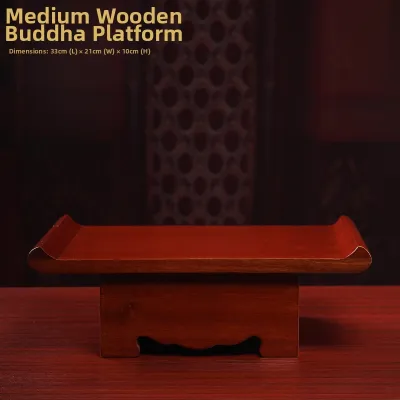
Prices are valid at publication and may change. Please refer to the product page for the latest price.
Measure Your Varalakshmi Idol for a Secure Fit
To choose the right stand, begin by measuring the exact width and depth of your Varalakshmi idol’s base using a flexible measuring tape. For flat-bottomed idols, this represents the absolute minimum surface area required. Record the diameter for circular bases, or the length and width for square or rectangular bases.
Next, measure the total height from the bottom of the base to the highest point to assess the center of gravity. Taller brass or bronze figurines often have a higher center of gravity, making them top-heavy. A wide, stable stand footprint is essential to anchor these idols securely.
Note any protruding elements like outstretched arms, draped garments, or decorative backdrops (prabhavalis). These features require extra spatial clearance to ensure they do not hit the stand’s raised edges or railings.
Calculate the Optimal Stand Dimensions and Proportions
The stand’s platform area should always exceed the idol’s base to provide a safe margin on all sides. Aim for a stand that provides at least two to three centimeters of clear space around the entire perimeter, preventing the idol from sitting dangerously close to the edge.

The stand’s height should elevate the deity as the focal point without dwarfing the idol itself. Ideally, the stand’s height should not exceed one-third of the idol’s total height. For example, a thirty-centimeter-tall idol pairs best with a stand ten centimeters high or lower.
For complex setups incorporating a kalasam pot, coconut, and face mold, tiered or stepped stands offer an excellent solution. These multi-level platforms provide a structured visual transition, placing the main deity on the highest tier while distributing weight evenly across lower steps for improved stability.
Assess Your Altar Space and Visual Balance
Measure the available surface area on your puja table or shelf before purchasing a stand. In compact Singapore apartments, altars are often integrated into wall-mounted shelves. Ensure the stand’s footprint fits entirely within the shelf depth with no overhang.
Also calculate overhead clearance if your altar is under a low shelf or canopy, factoring in the combined height of the stand, decorated idol, and garlands. Leave at least five to ten centimeters of clearance below the ceiling to prevent heat damage from nearby oil lamps.
The stand should act as a complementary frame that enhances the idol rather than competing with it. A massive wooden stand can overwhelm a small glass shelf, while a tiny stand gets lost on a large table. Strive for a harmonious balance in material, color, and scale.
Verify Stand Stability and Weight Capacity
Before finalizing your choice, verify the stand’s weight capacity and material specifications. Solid wood, brass, or stone stands provide the necessary weight to anchor heavy metal idols, while acrylic or thin plywood is best for lightweight figurines.
Look for stands with a wide, low-profile base or flared legs to distribute weight outward and prevent tipping. Avoid narrow, tall pedestals, especially in households with active pets or young children.
Inspect the top surface for slip resistance, as polished wood or smooth metal can cause the idol to shift. Placing a thin, non-slip silicone mat, felt, or cotton cloth between the idol and the stand increases friction and protects both surfaces.
Avoid Common Sizing and Placement Mistakes
One of the most frequent mistakes when selecting a Varalakshmi stand is choosing a platform that is exactly the same size as the idol’s base. While this might seem like a space-saving choice, it leaves zero safety margin for accidental bumps or minor shifts, making the entire setup highly vulnerable to falling. Always opt for a stand that is slightly larger than the base to provide a protective buffer.
Another common error is using a stand that is disproportionately tall for a lightweight idol. This creates a top-heavy structure that is physically unstable and visually awkward, drawing the eye away from the deity and toward the empty space beneath it. Keep the stand’s height modest to maintain a grounded, secure, and respectful presentation.
Lastly, ignoring the depth of the display shelf can lead to dangerous setups where the stand overhangs the front edge. This not only looks untidy but also creates a severe hazard where a passing sleeve or a cleaning cloth could easily snag the overhanging edge and pull the entire sacred arrangement to the floor. Ensure the entire stand sits safely within the boundaries of your altar surface.
Frequently Asked Questions (FAQ)
Can I use a round stand for a square-based idol?
Yes, you can use a round stand for a square-based idol, provided you take specific geometric precautions. The key is to ensure that the diameter of the round stand is strictly larger than the diagonal measurement of the square base, rather than just its side length. If the stand’s diameter is too small, the sharp corners of the square base will overhang the curved edges of the stand, creating an unstable setup that is prone to wobbling or tipping. From an aesthetic perspective, placing a square base on a larger round stand can create a beautiful, contrasting geometric frame that highlights the idol, especially when the exposed corners of the stand are decorated with fresh flower petals or small decorative beads.
How much extra space should be left around the idol on the stand?
As a general guideline, you should aim to leave a safety buffer of at least two to three centimeters of clear space around the entire perimeter of the idol’s base. This buffer zone acts as a protective shield against accidental bumps during daily prayers, cleaning, or the offering of flowers and sweets. For larger, heavier, or highly decorated idols—especially those draped in elaborate silk sarees or adorned with extensive jewelry that extends outward—it is wise to increase this clearance to five centimeters or more. A generous border not only ensures physical stability but also provides a clean visual frame that prevents the arrangement from looking cramped or cluttered on the altar.
Community discussion
Share your experience or ask a question. Comments are reviewed before publication.