
Selecting the right wall art for a corridor requires balancing visual impact with the physical constraints of a narrow space. The ideal size depends on your wall dimensions, ceiling height, and the width of the walkway. By measuring your usable wall area and applying basic proportional guidelines, you can choose corridor decorations that enhance the space without overwhelming it or creating physical obstructions. In typical Singapore apartments, such as HDB flats or condominiums, corridors are highly functional transitional zones where space is at a premium. Choosing the wrong dimensions can make the walkway feel cramped or leave the walls looking unfinished.
Measure Your Corridor Walls Before Buying Art
Before browsing for prints or frames, you must establish the physical boundaries of your corridor walls. Start by measuring the total length and height of the wall you wish to decorate. Use a reliable metal measuring tape and record the dimensions in centimeters. Be sure to note the exact locations of light switches, electrical outlets, distribution boards, intercom units, and door frames. These architectural elements act as hard boundaries that restrict where your art can hang.
Next, calculate the usable “canvas” area rather than relying on the total wall surface. A good rule of thumb is to leave a margin of at least 15 to 20 centimeters from the ceiling, baseboards, and any adjacent door frames. This negative space prevents the artwork from looking crowded or jammed into a corner. If your corridor features a recessed niche or wainscoting, treat the interior of that specific architectural feature as your total usable canvas.
Products mentioned in this guide

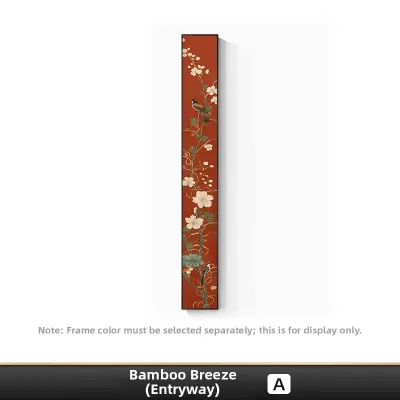

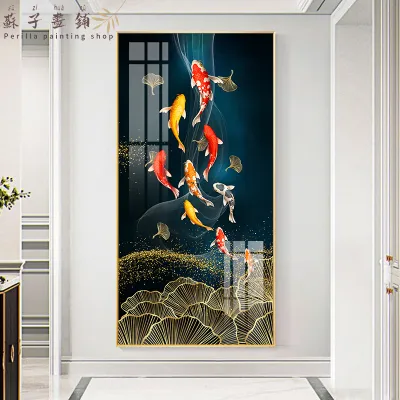
Prices are valid at publication and may change. Please refer to the product page for the latest price.
Walkway clearance is another critical factor when selecting corridor decorations. Standard residential corridors in modern apartments are often narrow, sometimes measuring between 90 and 120 centimeters in width. You must check the physical depth of any frame or three-dimensional art piece before purchasing. A frame that protrudes too far from the wall can catch on clothing, impede the movement of furniture, or pose a safety hazard to residents walking past in the dark. For tight walkways, stick to slim frames or canvas wraps with a depth of 2.5 centimeters or less.
Additionally, before drilling or hammering hangers into the wall, verify what lies behind the plaster or concrete. Corridor walls often house hidden electrical conduits, especially near light switches, or water pipes leading to adjacent bathrooms. Using a digital stud finder with live wire detection can help you avoid costly and dangerous utility punctures. For heavy frames or solid wood pieces, ensure you use appropriate wall plugs and anchors rated for your specific wall type, whether it is drywall, brick, or structural concrete.
Single Statement Piece vs. Gallery Wall Arrangements
Deciding how to arrange your corridor decorations depends on the length of your hallway and the visual atmosphere you want to create. A long, uninterrupted wall offers a blank canvas that can support either a single, commanding focal point or a curated sequence of smaller pieces. The choice between these two layouts significantly influences how spacious, bright, or dynamic the corridor feels to anyone walking through it.

A single statement piece creates an immediate focal point, drawing the eye forward and making a short corridor feel more intentional and structured. On the other hand, a gallery wall arrangement works beautifully on longer walls, breaking up the monotony of a lengthy transition zone. However, in narrow or dimly lit corridors, a poorly planned gallery wall can quickly feel cluttered and visually overwhelming. Evaluating the balance of light, wall length, and frame profiles is essential to choosing the right approach.
When to Use a Single Large Artwork
A single large artwork is highly effective when you want to create a clean, minimalist aesthetic. This approach works best on walls that are relatively short or at the end of a corridor where the art acts as a visual destination. To ensure the piece looks balanced, apply proportional guidelines: the artwork, including its frame, should ideally cover roughly two-thirds to three-quarters of the available width of the usable wall section.
When selecting a large piece for a narrow corridor, prioritize low-profile frames or frameless canvas wraps. A heavy, ornate frame can protrude too far into the walkway and visually shrink the corridor. A flush-mounted canvas or a slim aluminum frame keeps the artwork close to the wall, preserving precious physical clearance while delivering a clean, modern look.
Planning a Gallery Wall for Narrow Spaces
If you prefer a gallery wall, careful planning is required to prevent the arrangement from feeling chaotic in a confined corridor. Start by choosing a unifying element to tie the collection together. This could be consistent frame styles, matching matting borders, or a cohesive color palette across the prints. Keeping these elements uniform helps maintain visual order along a long, narrow wall.
To plan the layout, map out the overall footprint of the gallery wall on the floor first, or use painter’s tape to outline the frame positions on the wall. The entire footprint of the collection must remain strictly within your measured usable boundaries, leaving ample negative space around the outer edges. Keep the spacing between individual frames tight and consistent—usually between 5 and 8 centimeters—to ensure the collection reads as a single cohesive unit rather than scattered individual pieces.
Proportions and Spacing Guidelines for Hallway Art
Achieving a balanced look in your corridor relies heavily on proper hanging height and spacing. The most common mistake is hanging art based on arbitrary placement rather than architectural proportions. As a general standard, the center of the artwork or the center point of a gallery grouping should hang at eye level. In residential design, this is typically calculated as 145 to 150 centimeters from the finished floor to the center of the piece.
If your corridor has unusually high ceilings, you can adjust this height slightly upward, but avoid placing the art so high that viewers must tilt their heads to see it. Conversely, if your corridor features low ceilings or prominent bulkheads, you may need to lower the hanging height slightly to maintain a balanced relationship with the floor and ceiling. The goal is to create a natural sightline for someone walking through the space.
When hanging a sequence of multiple artworks along a hallway, maintaining consistent margins is crucial. Whether you are hanging two, three, or four pieces in a row, the gap between each frame must remain identical. This horizontal spacing should generally match the vertical margins to create a sense of rhythm and flow. If your corridor has existing architectural features like wainscoting, chair rails, or door headers, align the top edges or the center lines of your frames with these lines to integrate the art seamlessly into the home’s architecture.
Common Sizing Mistakes to Avoid in Corridors
One of the most frequent errors in corridor decoration is hanging art too high or too low. When artwork is placed too high, it detaches visually from the rest of the space and can make the ceiling feel oppressively low. When hung too low, it disrupts the natural flow of movement and can easily be bumped. Always measure and mark the center point of your frame before installing any hardware to ensure it sits comfortably at the standard eye-level height.
Another common mistake is creating physical obstructions by choosing frames that are too deep or using protruding display shelves. In a narrow corridor, every centimeter of walkway space matters. Avoid deep shadow boxes, heavy three-dimensional sculptures, or wide picture ledges that stick out into the path of travel. These items not only restrict movement but are also highly susceptible to being knocked down, potentially damaging the art or causing injury. Stick to flat, low-profile framing options to keep the walkway safe and clear.
Finally, avoid overcrowding the wall by failing to respect negative space. It can be tempting to fill every open centimeter of a long corridor wall, but this often results in a cramped, claustrophobic environment. Artwork needs room to breathe to be appreciated. Leave generous margins of blank wall around your frames, and do not hesitate to leave some walls completely bare. This contrast between decorated and empty spaces creates a more sophisticated, balanced, and relaxing transition through your home.
Frequently Asked Questions (FAQ)
How much wall space should wall art cover in a hallway?
As a general guideline, wall art should cover approximately 60% to 75% of the available, usable wall space that is not obstructed by doors, switches, or furniture. Leaving the remaining 25% to 40% of the wall empty provides essential negative space. This prevents the corridor from feeling cramped, allows the eye to rest, and ensures that the artwork remains a pleasant decorative feature rather than an overwhelming visual barrier.
Can I use oversized art in a narrow corridor?
Yes, you can use oversized art in a narrow corridor, provided you manage its physical profile and visual weight carefully. Choose a piece with a very slim frame or a frameless canvas wrap to minimize how far it protrudes into the walkway. Opt for lighter colors, abstract designs, or minimalist compositions that open up the space visually, rather than dark, dense images that can make a tight hallway feel smaller and more enclosed.
Community discussion
Share your experience or ask a question. Comments are reviewed before publication.