
Selecting the ideal wooden stand display requires a thoughtful balance between the physical dimensions of your treasured items and the spatial limits of your home. A well-chosen stand does more than simply hold an object; it acts as a visual frame that elevates your sculptures, figurines, or collectibles, transforming them into intentional design statements. By carefully evaluating the footprint of your items, assessing the constraints of your shelves or tabletops, and verifying structural safety, you can create a balanced and secure showcase that enhances both the artwork and your living space.
Whether you are displaying a single heirloom or arranging a curated collection, the proportions of your display setup dictate how light, shadow, and space interact with your decor. Taking the time to measure accurately and understand the structural limits of wood ensures your display remains both beautiful and safe for years to come.
Measuring Your Items to Determine Stand Dimensions
Before browsing for a wooden stand display, you must gather precise measurements of the items you plan to showcase. Begin by measuring the base of each sculpture or figurine. Use a reliable measuring tape or ruler to find the maximum length and width of the item’s bottom surface. If the object has an irregular or organic shape, such as a natural stone carving or a sprawling porcelain figurine, measure the widest points of the projection to ensure no part of the item unexpectedly hangs over the edge of the stand.
Products mentioned in this guide
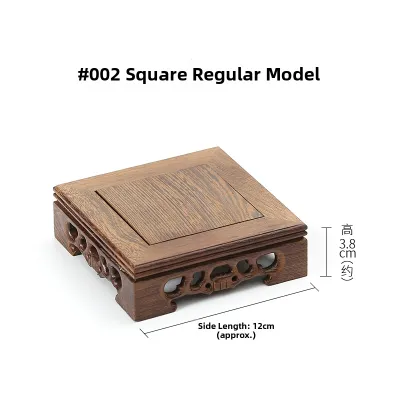
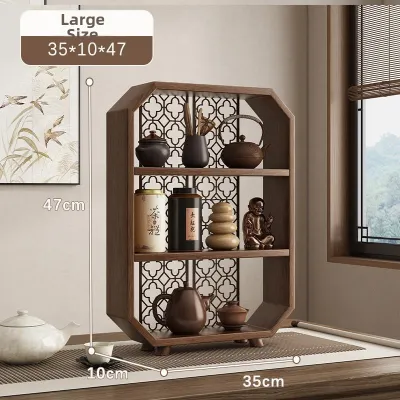

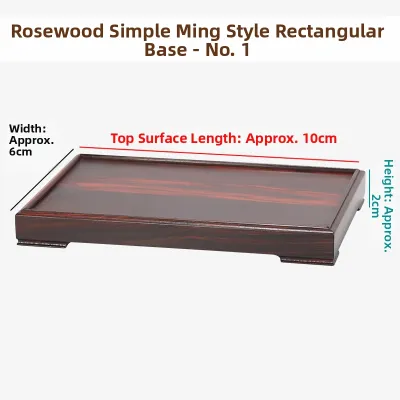

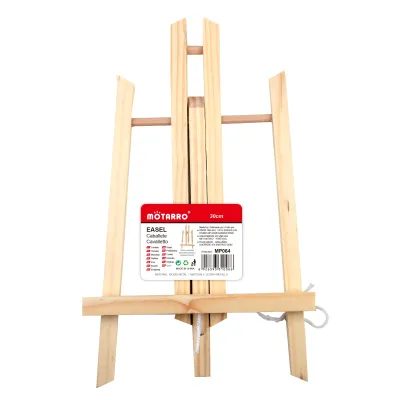
Prices are valid at publication and may change. Please refer to the product page for the latest price.
Height is another critical dimension that requires careful measurement. Measure your item from its absolute base to its highest tip. This measurement is essential for calculating the total vertical clearance you will need once the item is placed on top of the stand. If you plan to place the display inside a glass cabinet, on a recessed shelf, or under a low-hanging wall sconce, failing to account for the combined height of the stand and the item can lead to frustrating clearance issues.
If you intend to group multiple smaller figurines or artifacts on a single wooden stand display, do not measure them in isolation. Instead, arrange the items on a flat table exactly as you wish to display them, leaving comfortable gaps between each piece to prevent a cluttered look. Once you are satisfied with the arrangement, measure the outer boundaries of the entire group. This collective footprint represents the minimum surface area your new stand must provide to accommodate the collection safely and beautifully.
Assessing Your Shelves and Tabletops for Space Constraints
Once you know the dimensions of your display items, you must evaluate the physical environment where the wooden stand display will sit. Measure the depth, width, and height of the shelf, mantel, console table, or cabinet niche. In many modern homes, particularly compact apartments or built-in shelving units in Singapore, vertical and horizontal space is at a premium. Knowing the exact boundaries of your display area prevents you from purchasing a stand that is too deep for your shelving or too wide for your side table.

When measuring your space, always factor in a generous margin for visual breathing room. A display stand that tightly wedges into a shelf looks cramped and loses its aesthetic appeal. Aim to leave at least several centimeters of open space on all sides of the stand. This negative space allows light to circulate around the display, drawing the eye to the showcase rather than making the area feel crowded.
Additionally, take note of any surrounding physical obstacles that could interfere with the stand’s placement or accessibility. Consider the swing path of cabinet doors, the location of sliding glass tracks, nearby wall outlets, or adjacent decorative pieces. A stand that blocks a cabinet door from closing properly or sits too close to a high-traffic walkway poses a constant risk of being bumped, which could jeopardize the safety of your delicate figurines.
Finally, consider the visual weight of the wooden stand display in relation to the overall room. A massive, dark-toned wooden block can easily overwhelm a delicate floating shelf or a small side table. Conversely, a stand that is too small may look lost on a grand sideboard. Matching the scale of the stand to the scale of the supporting furniture ensures a cohesive and harmonious interior design.
Matching Stand Proportions to Your Sculptures and Figurines
Achieving the perfect visual balance between your wooden stand display and your sculptures is an art form. Ideally, the surface area of the stand should extend slightly beyond the base of the item it supports. This extra margin creates a framing effect, much like the matting around a framed photograph. A good rule of thumb is to select a stand that offers a border of approximately one to three centimeters around the entire perimeter of the item’s base, which anchors the piece and makes the presentation look highly intentional.
Height proportions are equally vital for directing the viewer’s gaze. The primary goal of a display stand is often to elevate smaller figurines or low-profile sculptures closer to eye level, where their intricate details can be fully appreciated. If you are displaying a short, detailed carving on a low coffee table, a taller, multi-tiered wooden stand can provide the necessary elevation. For taller sculptures, a low-profile, minimalist wooden slab or block is often preferred, as it provides a solid foundation without making the entire assembly top-heavy or excessively tall.
Color, grain, and material weight also play a significant role in visual proportion. Heavy, dark wood stands, such as those made from dark walnut, rosewood, or deep wenge tones, carry substantial visual weight. These stands pair exceptionally well with substantial, solid pieces like bronze sculptures, dark ceramics, or heavy stoneware. If you are displaying delicate glass, pale porcelain, or intricate ivory-colored figurines, consider a lighter wood finish or a stand with slender, carved legs to maintain a sense of grace and balance.
Checking Weight Capacity and Structural Safety
While aesthetics are important, structural safety must be your top priority when choosing a wooden stand display. Placing a heavy sculpture on an inadequate stand can lead to warping, cracking, or a catastrophic collapse that could destroy your valuable artwork. Always check the manufacturer’s specifications, product labels, or user manuals for the maximum weight capacity of the stand before making a purchase.
To ensure a safe match, weigh your heaviest display items using a reliable digital scale. This is particularly crucial for sculptures crafted from dense materials such as solid stone, marble, cast iron, bronze, or heavy hardwoods. Never guess the weight of an object; dense materials are frequently much heavier than they appear, and exceeding the stand’s weight limit compromises the safety of your entire display.
Before placing your items on the stand, conduct a thorough physical inspection of the wooden stand display. Examine the joints, legs, and base for any signs of structural weakness. Look closely for hairline cracks in the wood, loose dowels, failing adhesive, or wobbling legs. If you detect any instability or structural defects, do not use the stand. Stop immediately and consult the manufacturer or a professional woodworker to repair or reinforce the stand before trusting it with your precious collectibles.
Common Sizing and Placement Mistakes to Avoid
One of the most frequent mistakes collectors make is allowing display items to overhang the edges of the wooden stand display. An overhanging base not only looks unbalanced and unprofessional, but it also creates a severe tipping hazard. If an item is not fully supported by the flat surface of the stand, any slight vibration—such as footsteps nearby or a door closing—can cause the item to slide off and break.
Another common error is ignoring the depth of the display area when selecting a stand. A stand that is too deep may protrude past the edge of a shelf or tabletop. In tight spaces or narrow hallways, a protruding stand can easily catch on clothing or be knocked by passing family members. Always ensure the entire footprint of the wooden stand sits securely within the boundaries of the supporting furniture, well away from the edges.
Finally, resist the temptation to overcrowd a single wooden stand display. Trying to squeeze too many figurines onto one surface diminishes the individual impact of each piece and increases the risk of items knocking against one another during cleaning or handling. Give each sculpture its own space to breathe, allowing its unique form and craftsmanship to shine without distraction.
Frequently Asked Questions (FAQ)
Can I use a wooden stand display for heavy stone sculptures?
Yes, you can use a wooden stand display for heavy stone sculptures, but its suitability depends entirely on the manufacturer’s stated weight capacity and the stand’s structural design. Wood is an incredibly strong material when constructed properly, but not all decorative stands are built to bear heavy loads. Before placing a heavy stone piece, verify that the stand features reinforced joints, solid wood construction rather than thin veneers, and a wide, stable base that distributes weight evenly. Avoid delicate, spindly stands or those with high pedestals for exceptionally heavy items.
How much extra space should I leave around the stand?
As a general guideline, you should leave enough clearance so that the wooden stand display does not touch adjacent walls, cabinet glass, or neighboring decor. Providing a buffer of at least three to five centimeters of open space around the perimeter of the stand helps prevent accidental bumps and allows for easy dusting. Always check the product manual or manufacturer guidelines for any specific clearance recommendations related to the stand’s unique design or installation environment.
Community discussion
Share your experience or ask a question. Comments are reviewed before publication.