
To choose the correct size wooden stand for your Buddha statue, you must select a stand with a top surface that is larger than the widest points of the statue’s base, typically leaving a margin of at least 2 to 5 centimetres on all sides. This margin ensures physical stability, prevents dangerous edge overhang, and creates a visually balanced frame. The ideal stand dimensions depend on the statue’s physical footprint, weight, height, and the specific constraints of your display space, such as an altar table or a dedicated shelf.
Measure the Statue's Base and Weight Accurately
Before browsing for a wooden stand, you must obtain precise measurements of your statue’s base. Do not rely on a single center-to-center measurement. Instead, use a reliable measuring tape or caliper to find the absolute widest points of the base, including any protruding robes, lotus petals, or decorative elements that extend near the bottom.
The material of your Buddha statue dictates its weight and the structural support it requires. A heavy solid bronze, stone, or marble statue exerts significantly more downward pressure than a hollow resin, ceramic, or light wooden carving. Weigh your statue on a standard scale to establish a baseline weight requirement before purchasing a stand.
Products mentioned in this guide
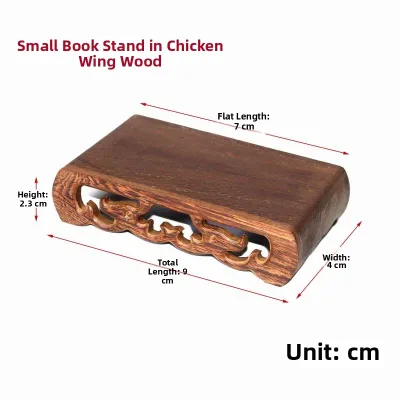
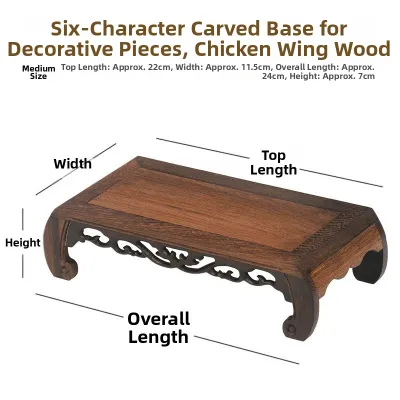

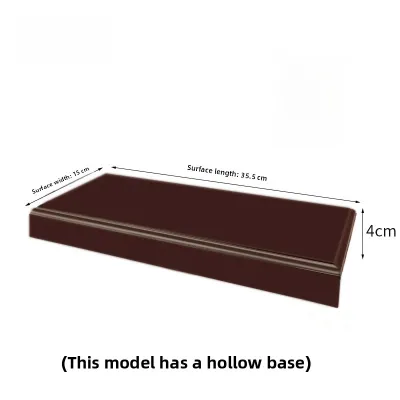
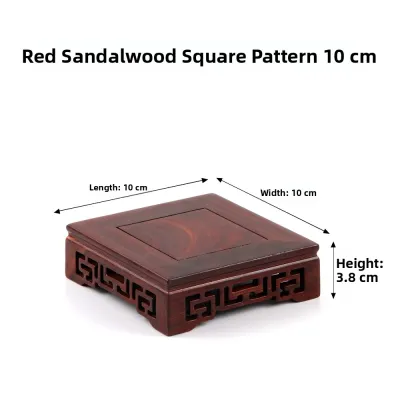
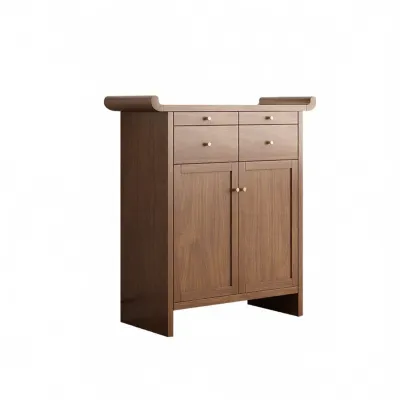
Prices are valid at publication and may change. Please refer to the product page for the latest price.
Examine the bottom surface of the statue for any irregularities. Many hand-carved or cast statues feature uneven bases, small protrusions, or hollowed-out undersides that do not sit completely flat. Identifying these irregularities early helps you determine if you need a stand with a recessed top, a flat surface with protective felt pads, or a custom-fitted mounting solution.
Additionally, record the overall height of the statue. While height does not change the physical footprint of the base, it directly influences the leverage exerted on the stand if the statue is bumped. A taller statue requires a wider, more stable base of support to prevent tipping.
Calculate Stand Dimensions for Physical Stability
Physical stability is the primary safety consideration when displaying any sacred artifact. To prevent tipping, the wooden stand’s top surface must extend beyond the statue’s base footprint. This extension effectively widens the overall base of support, lowering the center of gravity and reducing the risk of accidental knocks.

The height and proportions of your Buddha statue play a critical role in determining the necessary stand width. Taller, slender, or top-heavy statues—such as standing figures—are inherently more prone to tipping than low, broad seated figures. For these taller statues, select a stand that is wider and heavier to act as a reliable counterbalance.
Verify the structural integrity of the wooden stand by checking its material density and construction. Hardwoods like teak, rosewood, or mahogany offer excellent density and resistance to bowing under heavy loads. Ensure the joints of the stand are robustly constructed, as weak joints can fail over time under the constant pressure of a heavy stone or metal statue.
When evaluating wood types, look for dense grain structures. Teak and rosewood are traditional choices that offer excellent natural oils, making them highly resistant to moisture and pests. Avoid softwoods or composite materials like medium-density fibreboard (MDF) for heavy statues, as these materials can sag or degrade under sustained weight.
Select Dimensions for Visual Balance and Proportion
Aesthetically, the stand should serve as a complementary frame rather than a distraction. Evaluate the visual weight of your statue; a massive, dark bronze figure requires a substantial, thick-profiled wooden stand to look anchored. Conversely, a delicate, light-colored porcelain or ivory-toned figure is ideally paired with a slimmer, more refined stand profile.
Pay close attention to the border or lip design of the wooden stand. Some stands feature a raised edge or a decorative lip that can restrict the usable flat surface area. Ensure the flat interior dimension of such a stand is large enough to accommodate the statue’s base without forcing the statue to ride up onto the decorative border.
Consider the viewing angle of your display setup to maintain a proper visual hierarchy. If the statue is placed on a low altar table or a floor-level platform, a taller stand can elevate the figure to a more respectful eye-level position. For high shelves or eye-level cabinets, a low-profile stand is often preferred to keep the focus on the statue itself.
The color and finish of the wood also contribute to visual balance. A dark, polished ebony or rosewood stand provides a striking contrast to a light jade or gold-leafed statue, drawing the eye upward toward the figure. Matching the wood tone of the stand to the surrounding furniture helps integrate the display into the room’s overall decor.
Verify Spatial Fit and Display Constraints
Before finalizing your stand dimensions, measure the available surface area of your display zone, whether it is a home altar, a living room shelf, or a glass display cabinet. Ensure there is sufficient clearance on all sides of the stand so the setup does not look cramped or press against walls.
Take into account any surrounding decorative items, lighting fixtures, or architectural features. Overhead spotlights or hanging pendant lights must not hang too close to the top of the statue once it is elevated by the stand. Leave ample vertical and lateral space to allow for safe cleaning and dusting.
In tropical environments like Singapore, high humidity and temperature fluctuations can cause wood to expand, contract, or warp over time. Ensure your display zone is away from direct sunlight, air conditioning vents, and damp walls. Selecting a high-quality, well-sealed hardwood stand helps mitigate these environmental risks and preserves the wood’s finish.
If you are placing the statue on a wall-mounted shelf, verify the shelf’s weight capacity and mounting hardware. Heavy statues combined with solid wood stands can easily exceed the limits of standard drywall anchors. For safety, secure the shelf directly into wall studs or consult a qualified professional to handle the installation.
Avoid Common Sizing and Placement Mistakes
One of the most common mistakes is choosing a stand that exactly matches the dimensions of the statue’s base. This creates a cramped, unstable appearance and risks the statue slipping off the edge if it is nudged even slightly.
Conversely, avoid selecting an overly massive stand that dwarfs the statue. A stand that is too large distracts from the sacred figure and may exceed the weight capacity of your underlying furniture, such as a delicate console table or a glass shelf.
Always check and adhere to any specific display recommendations or weight limits provided by the statue’s creator or the stand’s manufacturer. Ignoring these guidelines can lead to structural failure, potentially damaging both the stand and your valuable statue.
Frequently Asked Questions (FAQ)
Fit a Square Base on a Round Wooden Stand
To fit a square-based statue on a round wooden stand, you must measure the diagonal of the square base from corner to corner. The diameter of the round stand’s flat top surface must be larger than this diagonal measurement to prevent the corners of the square base from overhanging the circular edge. This combination creates an appealing geometric contrast, but it requires careful centering to maintain physical stability and visual harmony.
Choose Stand Thickness for Heavy Statues
When displaying a heavy statue, do not rely solely on the visual thickness of the stand to judge its strength. Always check the manufacturer’s specified load-bearing capacity and the type of wood used. For exceptionally heavy stone or metal statues, consult a woodworking professional or the manufacturer to ensure the stand’s internal reinforcement and wood density can safely support the load without cracking.
Community discussion
Share your experience or ask a question. Comments are reviewed before publication.