
Refreshing your living space does not require a complete furniture overhaul. Often, small, deliberate changes—such as updating a worn or outdated stool cover square—can completely transform the visual energy of a room. Whether you are looking to protect a brand-new piece of furniture, hide unsightly wear on an old favorite, or align your seating with a newly adopted interior design theme, choosing the right slipcover is an efficient and highly satisfying project. By focusing on accurate dimensions, appropriate fabric selections for your local climate, and secure closure methods, you can elevate your home’s aesthetic while ensuring long-term durability.
Quick Guide: How to Select the Ideal Square Stool Cover
Selecting the perfect square stool cover involves balancing visual appeal with practical performance. To make an informed decision quickly, keep three primary steps in mind. First, measure the seat’s width, depth, and thickness precisely, rather than relying on generic size labels. Second, choose a fabric that aligns with the room’s foot traffic and environmental conditions; for instance, high-humidity environments require breathable or quick-drying materials to prevent moisture retention. Third, select a color and texture that complements your existing design scheme without overwhelming the space.
A successful style refresh relies on this equilibrium between aesthetic charm and functional maintenance. A beautiful cover that slips constantly or degrades after a single wash will quickly become a source of frustration. By prioritizing a snug fit, durable textiles, and easy-to-clean designs, you can ensure your updated seating remains both comfortable and stylish for years to come.
Products mentioned in this guide
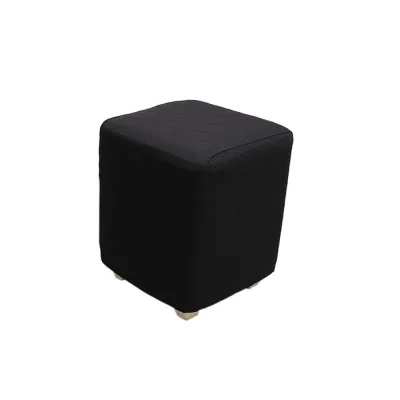
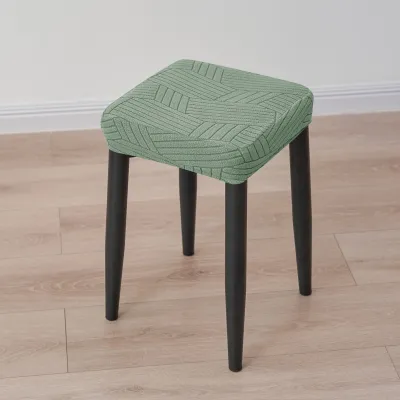
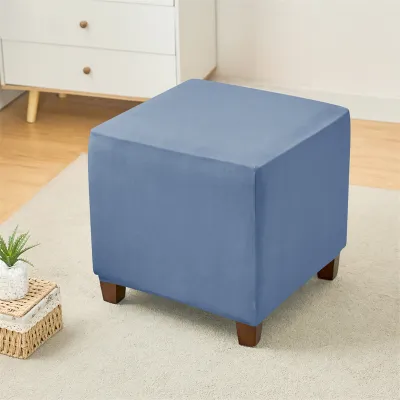
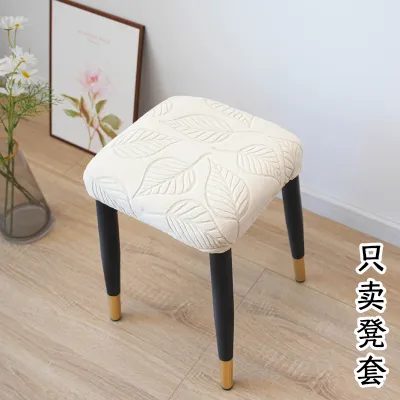
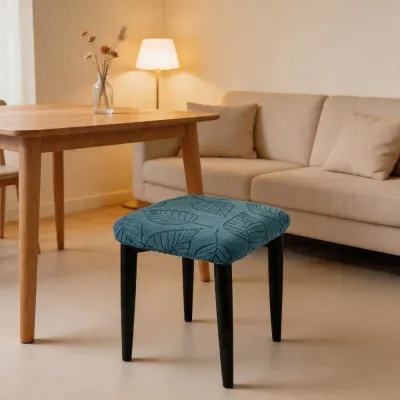
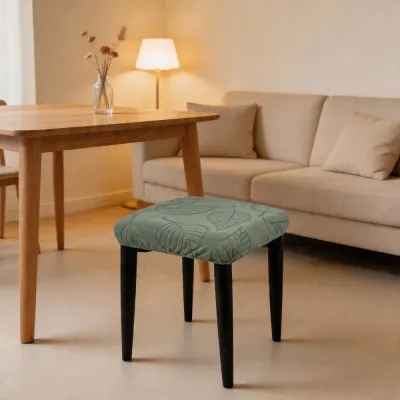
Prices are valid at publication and may change. Please refer to the product page for the latest price.
Measure for a Perfect Fit: Sizing and Closure Types
Achieving a tailored, professional look starts with precise measurements. To begin, use a firm metal measuring tape rather than a flexible tailor’s tape, which can sag and lead to inaccurate readings. Measure the exact width and depth of the stool’s flat top surface from one edge to the opposite edge. Next, measure the thickness or height of the seat cushion itself, as this determines how far down the sides of the stool the cover must wrap. Do not assume that a standard small, medium, or large label will fit your furniture, as manufacturer sizing standards vary widely.

While many products are marketed as a stool cover square, it is essential to inspect the actual corners of your stool. Some square stools feature sharp, ninety-degree angles, while others have slightly rounded or cushioned edges. If your stool has rounded corners, a highly structured cover with stiff, boxy seams may bunch up or leave empty pockets of fabric. In these cases, a cover with built-in stretch or elastane content is highly recommended to accommodate the softer contours and maintain a clean silhouette.
The choice of closure mechanism directly impacts both the appearance of the stool and how easily you can maintain it. Match the closure type to how frequently you expect to wash the cover and the material of your stool frame.
- Elasticized Edges: This is the most common and user-friendly option. An elastic band sewn into the hem allows the cover to slip easily over the seat, gripping the underside securely. It is ideal for high-traffic stools where the cover must be removed frequently for washing, though it can sometimes slide upward on very smooth metal or polished wood frames.
- Zippers: Zippered closures offer a highly tailored, seamless appearance that mimics professional upholstery. The zipper is typically concealed along the bottom edge or underside of the cushion. This option is excellent for semi-permanent style updates but requires exact measurements, as there is very little room for error or stretch.
- Tie Straps: Featuring fabric ties that secure around the stool legs or under-frame, this method offers adjustable security. Tie straps are particularly useful for wooden or metal stools where an elastic hem might slide. They add a slightly casual, classic touch to the furniture's overall look.
Recommended Styles and Textures for Your Home Aesthetic
Stool covers are powerful, accessible accent pieces that allow you to experiment with color, pattern, and texture without committing to large-scale furniture investments. Because stools are relatively small, their covers serve as the perfect canvas to tie a room’s color palette together or introduce a new visual layer. When selected thoughtfully, a simple cover can bridge the gap between different design elements in your space, such as matching the tone of your window treatments or echoing the texture of a nearby area rug.
Minimalist and Modern Spaces
For clean, contemporary interiors where visual clutter is kept to a minimum, simplicity is key. Look for square stool covers in solid, muted colors such as charcoal gray, soft beige, taupe, or soft off-white. Subtle, flat textures like matte cotton, tight linen blends, or smooth canvas work beautifully in these environments. These material choices maintain a streamlined look, updating the stool while emphasizing clean lines and understated elegance.
However, keep in mind that light, solid colors present a practical limitation. In high-use areas like kitchens, dining spaces, or entryways, light fabrics will show stains, dust, and spills much more easily. If you opt for a minimalist aesthetic in a busy household, consider choosing mid-tone neutrals like warm gray or olive, or ensure the fabric is treated with a stain-resistant finish to preserve its clean appearance.
Cozy and Traditional Settings
If your home leans toward a warmer, more classic, or eclectic aesthetic, your stool covers should contribute to a sense of visual depth and comfort. Rich, tactile textures such as plush velvet, chenille, or heavy woven jacquard fabrics are excellent choices. Consider warm, earthy tones like terracotta, mustard, forest green, or deep navy, as well as subtle geometric, herringbone, or classic floral patterns.
These heavier materials add immediate tactile comfort and visual weight, making your seating area feel instantly more inviting and lived-in. The trade-off is that highly textured fabrics require more careful cleaning. Velvet can lose its soft pile if scrubbed aggressively, and loose woven fabrics are susceptible to snagging from pet claws, jewelry, or rough clothing.
Outdoor or High-Traffic Areas
When selecting a cover for busy family rooms, playrooms, or semi-outdoor spaces like a covered balcony or patio, durability must guide your style choices. Opt for darker colors, multi-tonal heathered weaves, or busy patterns like distressed abstract prints or geometric motifs. These designs naturally camouflage minor stains, pet hair, and daily wear between washes, keeping your space looking tidy with minimal effort.
For outdoor or semi-outdoor settings, look for fade-resistant prints and robust textures that can withstand frequent use and direct sunlight. While aesthetic appeal is important, it must remain secondary to material durability and UV resistance in these environments. A beautiful cover that fades to a dull gray within a few months of exposure to sunlight will not achieve your long-term design goals.
Fabric Recommendations: Balancing Comfort, Durability, and Climate
The material composition of your stool cover square determines how comfortable it is to sit on, how long it will last, and how well it handles the local environment. In a tropical, highly humid climate like Singapore, fabric selection requires extra care to prevent moisture-related issues.
- Cotton and Linen Blends: These natural fibers are highly prized for their exceptional breathability and soft, natural hand-feel. They remain cool to the touch, making them incredibly comfortable for long seating periods during warm afternoons. However, pure cotton and linen wrinkle very easily and absorb moisture readily. In humid climates, they require regular washing and thorough drying to prevent musty odors and moisture buildup.
- Polyester and Spandex Blends: Synthetic blends are the champions of durability and convenience. The addition of spandex or elastane gives the cover excellent stretch, allowing it to conform tightly to the stool's shape for a neat, custom-fit look. Polyester is highly resistant to staining, wrinkling, and fading, and it stands up well to frequent machine washing. The main drawback is breathability; in hot, non-air-conditioned spaces, synthetic fabrics can trap heat and feel slightly sticky against the skin.
- Velvet and Suede: These fabrics offer a luxurious, high-end aesthetic and an incredibly soft touch. They are perfect for formal dining rooms or vanity stools. However, they carry higher maintenance demands. Velvet and suede are prone to showing water marks, crushing under body weight, and trapping dust or pet hair. In humid environments, low-quality velvet can trap dampness, making regular vacuuming and prompt spot-cleaning essential.
To ensure your stool cover remains fresh and hygienic, always check the product care labels before purchasing. Look for machine-washable instructions, and prioritize fabrics with moisture-wicking or quick-dry properties. In humid regions, these features are invaluable for preventing the growth of mold, mildew, and bacteria within the fabric fibers.
Pre-Purchase Checks and Maintenance Guidelines
Before finalizing your purchase of a stool cover square, taking a few preparatory steps will save you time and prevent buyer’s remorse. First, verify the return and exchange policy of the home decor store or online marketplace. Even with precise measurements, variations in fabric stretch or slight differences in screen color representation can mean the cover does not look or fit quite as expected once it arrives in your home.
Next, read the manufacturer’s care labels carefully. Pay close attention to recommended washing temperatures, drying methods (such as air drying versus tumble drying), and ironing restrictions. Natural fibers like cotton can shrink significantly if washed in hot water or dried on high heat, rendering the cover unusable. If you are using the cover on a delicate leather stool, ensure the dye of the cover is colorfast to prevent any color bleeding onto the original upholstery.
Consider purchasing a spare set of covers, or look for reversible designs. Having an extra cover on hand allows you to maintain a polished look while one set is in the wash, and it lets you easily swap styles to match seasonal decor changes. Finally, inspect the construction quality before the first wash. Check the strength of the stitching along the seams and test the zipper or elastic band to ensure there are no loose threads or weak points that could fail during laundering.
Frequently Asked Questions (FAQ)
This section provides quick answers to common questions regarding the fit, usage, and maintenance of square stool covers.
Can I use a square stool cover on a round stool?
While it is physically possible to stretch a highly elasticized square cover over a round stool, doing so is not recommended. The excess fabric at the corners of the square cover will have nowhere to go, resulting in a gathered, uneven, and baggy appearance. It may also create loose folds that shift or slide when someone sits down, compromising safety. To achieve a tailored, professional finish and ensure the cover remains securely in place, always buy shape-specific covers—round covers for round stools, and square covers for square stools.
How do I keep my stool cover from slipping off?
To prevent a stool cover from sliding or shifting during use, start by ensuring you have measured the seat’s dimensions and thickness accurately; a cover that is too large will inevitably slip. When shopping, look for features designed to enhance grip, such as thick, high-tension elasticized edges, integrated tie straps, or an anti-slip silicone backing on the underside of the fabric. For smooth wooden or metal stools, placing a small piece of non-slip rug underlay cut to size between the stool seat and the cover can also provide excellent traction.

Community discussion
Share your experience or ask a question. Comments are reviewed before publication.