
Refreshing your living room does not require a complete furniture overhaul or an expensive renovation. Often, the most impactful design updates lie in the smallest details, such as swapping out your soft furnishings. Selecting a new cushion cover 50×50 set allows you to instantly alter the mood, color balance, and texture of your seating area. By focusing on this highly versatile, standard size, you can easily experiment with different interior design aesthetics, transforming a tired space into a cohesive, stylish environment.
To achieve a successful home refresh, you must evaluate your existing room, decide whether to blend in or stand out, and choose fabrics that align with your lifestyle. Whether you want to lean into a serene minimalist aesthetic, a relaxed bohemian vibe, a polished modern luxe look, or a breezy tropical style, the right cushion covers serve as the ultimate design tool. This guide will help you navigate the selection process, from matching your current decor to verifying quality and choosing the perfect fabrics.
Quick Start: How 50×50 Cushions Transform Your Living Room
The 50x50cm cushion cover is widely considered the gold standard for living room styling. This dimension offers a generous surface area to showcase patterns, textures, and colors, yet it fits comfortably on standard sofas, sectional couches, and accent armchairs without overcrowding the seating space. Unlike smaller accent cushions, a 50×50 cushion has enough physical presence to anchor a styling arrangement, making it the perfect starting point for any sofa refresh.
Products mentioned in this guide
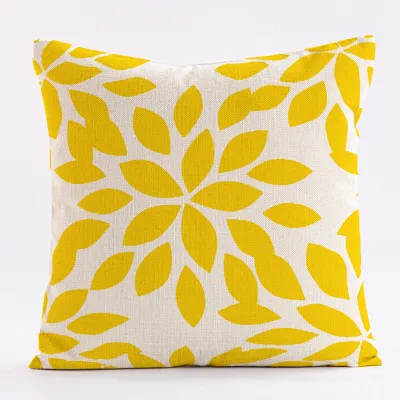
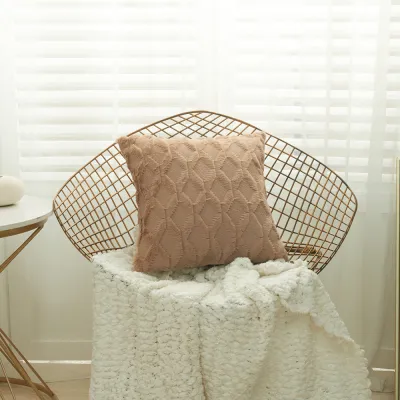
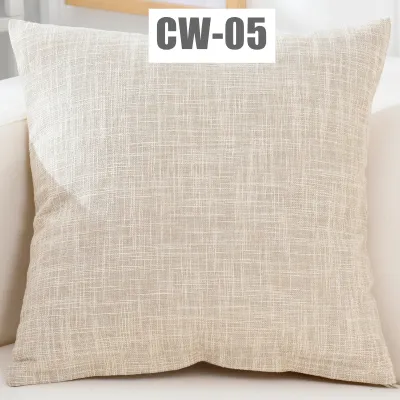

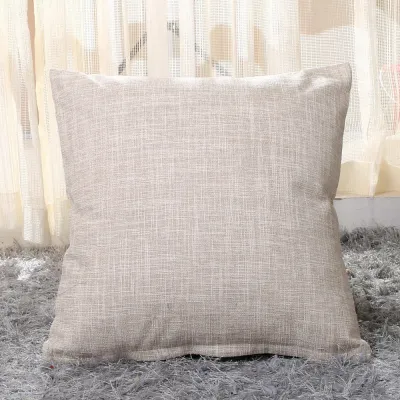
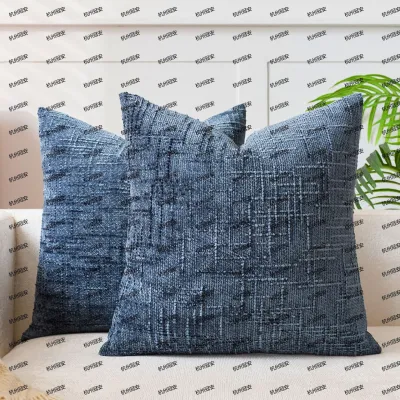
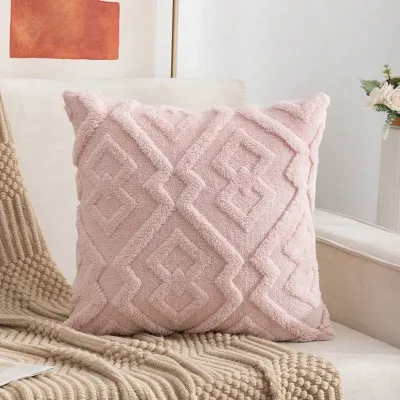
Prices are valid at publication and may change. Please refer to the product page for the latest price.
Updating your space with new cushion covers is one of the most cost-effective and entirely reversible design strategies available. Instead of replacing major furniture pieces like a sofa, which involves significant financial investment and logistical effort, changing your covers allows you to adapt your home to changing seasons, trends, or personal tastes. If you grow tired of a specific look, you can simply unzip the covers, store them flat in a linen closet, and slide on a new set.
To execute this refresh successfully, the core approach involves a three-step journey. First, you must assess the room’s current color palette and architectural style. Second, you select a design aesthetic that either harmonizes with or purposefully contrasts your existing furniture. Finally, you choose durable, comfortable fabrics that suit your household’s daily needs. This systematic approach ensures your new decor looks intentional rather than accidental.
Assess Your Space: Matching or Contrasting Your Current Decor
Before browsing styles, take a step back and analyze your living room’s existing environment. Look closely at the dominant color palette of your walls, flooring, and large furniture pieces. Note the primary textures in the room, such as smooth leather, coarse woven fabrics, polished wood, or matte metal. Pay attention to the architectural lines of your furniture—are they modern, sharp, and angular, or soft, rounded, and traditional? Understanding these elements prevents you from purchasing cushion covers that clash with the room’s foundation.

Once you understand your room’s baseline, you must choose between two primary design strategies: matching or contrasting.
The Matching Strategy
This approach involves selecting cushion covers that blend seamlessly with your sofa and wall colors. For example, placing soft grey, charcoal, and silver-toned cushion covers on a slate-grey sofa creates a sophisticated, monochromatic look. This strategy promotes a sense of calm, order, and visual spaciousness, making it highly effective for smaller living rooms or households seeking a serene, uncluttered atmosphere.
The Contrasting Strategy
This approach uses your 50×50 cushions as deliberate focal points to break up a neutral or monochromatic room. If you have a cream or beige sofa, introducing vibrant terracotta, deep emerald, or rich mustard cushion covers instantly draws the eye and adds energy to the space. Contrasting does not mean chaotic; you should still tie the cushion colors to other minor accents in the room, such as a piece of wall art, a rug pattern, or a decorative vase.
To help visualize how new cushion styles will interact with your existing setup, use practical design tools. Take a clear photo of your living room in natural daylight and use it as a reference while shopping. You can also consult a digital color wheel to find complementary colors (shades directly opposite each other, which create high contrast) or analogous colors (shades next to each other, which create a gentle, harmonious transition). Remember to observe how natural light enters your room throughout the day, as intense afternoon sun can make bright colors look more vivid and dark colors look warmer.
Style Recommendations: Choosing the Right Look for Your Room
Your choice of cushion covers should reflect a clear interior design aesthetic to ensure the room feels cohesive. Below are four popular design styles, detailing the specific colors, textures, and patterns to look for in a 50×50 cushion cover.
Minimalist and Scandinavian: Clean Lines and Subtle Textures
If you prefer an uncluttered, serene, and highly functional living environment, the Minimalist and Scandinavian styles are ideal. This aesthetic relies on simplicity and light, creating spaces that feel airy and calm. When selecting cushion covers for this look, focus on solid colors, muted earth tones, and monochromatic palettes. Soft off-whites, warm sandy beiges, gentle greys, and muted sage greens work beautifully to maintain a peaceful atmosphere.
Because color and pattern are kept to a minimum, texture becomes the primary tool for adding visual interest. Look for subtle, high-quality tactile weaves that invite touch without overwhelming the eye. Slub linen, organic matte cotton, and simple waffle or basket weaves are excellent choices. These fabrics have natural variations in their threads, which catch the light softly and prevent a neutral sofa from looking flat or boring.
To maintain the clean, intentional lines characteristic of Scandinavian design, avoid heavy embellishments. Steer clear of dangling tassels, thick fringes, metallic threads, or busy geometric prints. The shape of the cushion should remain sharp and defined. A simple, well-tailored 50×50 cover with a hidden zipper closure is all you need to achieve this understated, sophisticated look.
Bohemian and Eclectic: Layered Patterns and Artistic Details
For those who prefer a relaxed, personalized, and globally inspired living space, the Bohemian and Eclectic styles offer endless creative freedom. This aesthetic is all about self-expression, warmth, and a collected-over-time feel. Rather than sticking to strict rules, this style encourages you to mix and match different patterns, scales, and cultural motifs.
When choosing cushion covers, look for bold, expressive designs such as ikat, mudcloth, block prints, kilim patterns, or vintage-inspired florals. To keep the arrangement looking cohesive rather than chaotic, select patterns that share at least one common color family, such as warm terracottas, rusts, deep ochres, or rich creams. This shared color thread ties the diverse patterns together beautifully.
Tactile details are essential for a bohemian look. Seek out 50×50 covers that feature rich, physical textures like macramé, tufted embroidery, thick cotton fringes, and playful corner tassels. These elements add depth and a handcrafted, artisanal quality to your seating. To style them, use your 50×50 cushions as a sturdy back row on your sofa, and layer smaller square or rectangular lumbar cushions in front to create a relaxed, inviting nest.
Modern Luxe: Rich Fabrics and Sophisticated Tones
If your goal is an elegant, sleek, and slightly formal living room, the Modern Luxe style is the perfect fit. This aesthetic focuses on high-end materials, deep colors, and polished finishes to create a sense of understated opulence. The key to achieving this look lies in selecting fabrics that interact beautifully with light.
Prioritize luxurious, heavyweight fabrics such as dense cotton velvet, faux silk, brocade, or high-thread-count cotton sateen. These materials have a natural sheen or a deep pile that catches the light as you move around the room, adding instant depth and sophistication to your sofa. Pair these fabrics with deep, saturated jewel tones like emerald green, royal sapphire, rich amethyst, or deep mustard yellow.
To elevate the look further, search for covers with sophisticated metallic accents, such as subtle gold or silver geometric embroidery, or elegant jacquard patterns. Keep the styling highly structured and symmetrical to maintain a polished, contemporary feel. Placing matching pairs of 50×50 cushions at either end of your sofa frames the seating area beautifully, creating an orderly, upscale environment.
Tropical and Coastal: Breezy Prints for Humid Climates
For a relaxed, nature-inspired environment that feels exceptionally refreshing in warm, humid climates like Singapore, turn to Tropical and Coastal styles. This aesthetic brings the outdoors inside, creating a breezy, light-filled sanctuary that promotes relaxation. The visual focus here is on organic shapes, botanical elements, and soothing, water-inspired tones.
Look for bold botanical prints, delicate fern or palm leaf motifs, and oceanic color palettes featuring soft sky blues, seafoam greens, and sandy neutrals. These designs evoke a sense of natural freshness and open space. When choosing patterns, ensure they have plenty of white or neutral space in the background so they do not feel visually heavy or cluttered.
Fabric choice is critical for this style, especially in warm climates. Prioritize highly breathable, lightweight natural fibers such as pure linen, linen-cotton blends, or crisp canvas cotton. These materials naturally wick away moisture, feel cool to the touch, and maintain a relaxed drape. Avoid heavy, heat-trapping fabrics like thick wool, dense polyester fleeces, or heavy synthetic velvets, which can feel uncomfortably warm and look visually out of place in a bright, tropical room.
Fabric and Texture Guide: Balancing Style with Everyday Comfort
While aesthetic style is important, your cushion covers must also stand up to daily life. Choosing the right fabric ensures your cushions remain comfortable to lean against and easy to maintain over time. Below is a comparison of common cushion cover materials and their practical properties:
- Cotton: Highly breathable, incredibly soft, and naturally hypoallergenic. Cotton is exceptionally easy to wash and highly durable, making it the perfect choice for busy family living rooms. However, pure cotton can sometimes look casual and may shrink slightly if washed in hot water.
- Linen: Offers a beautiful, relaxed drape and a distinct, textured slub weave. Linen is highly breathable and gets softer with every wash, making it ideal for casual, laid-back spaces. Its main drawback is that it wrinkles easily, which is part of its organic charm but may not suit formal spaces.
- Velvet: Extremely soft, insulating, and visually luxurious. Velvet adds deep color saturation and a formal feel to any room. However, synthetic velvet can trap heat, and high-quality cotton velvet often requires specialized care, such as dry cleaning or very gentle hand washing.
- Polyester Blends: Highly durable, stain-resistant, wrinkle-resistant, and budget-friendly. Polyester blends hold vibrant dyes and intricate patterns exceptionally well without fading. On the downside, they lack the natural breathability of cotton or linen and can sometimes feel slightly synthetic to the touch.
Texture also plays a vital role in determining the visual weight of a 50×50 cushion. Smooth, flat-woven fabrics like sateen or polished cotton reflect light, which makes them look sleek, modern, and lightweight. Conversely, nubby, boucle, or heavily textured fabrics absorb light, visually grounding the cushion and making the seating area feel cozier, warmer, and more inviting.
Before purchasing, always check the manufacturer’s care label. If you have young children, pets, or enjoy eating on the sofa, prioritize machine-washable fabrics with durable, colorfast dyes. For formal living rooms or low-traffic spaces, you can safely opt for delicate, dry-clean-only fabrics like silk, intricate embroidery, or beaded details.
Additionally, consider the amount of direct sunlight your living room receives. Intense sunlight streaming through large windows can cause fabric colors to fade over time. If your sofa sits in a sun-drenched spot, look for UV-resistant outdoor-rated fabrics, or choose lighter, fade-forgiving pastel colors. Deep, dark dyes like navy blue or dark charcoal will show sun-bleaching much faster than lighter neutrals.
The 50×50 Buying Checklist: Sizing, Closures, and Quality Checks
To ensure your new cushion covers fit perfectly and last for years, use this practical checklist to verify product specifications and quality before making a purchase.
- Confirm Explicit Sizing: Always double-check the product listing to ensure the cover is explicitly measured at 50x50cm. Some international listings use inches (such as 20×20 inches, which is approximately 50.8×50.8cm). While a minor difference is usually fine, ensure you are not buying a 45x45cm cover by mistake, as forcing a larger insert into a small cover can strain the seams.
- Apply the Insert Sizing Rule: To achieve a professional, high-end look, the secret lies in your cushion insert. If you want a plump, full, and luxurious cushion, choose an insert that is one size larger than your cover—specifically, a 55x55cm insert inside your 50x50cm cover. If you prefer a relaxed, casual, and slightly slouched look, use a matching 50x50cm insert. Never use an insert that is smaller than 50x50cm, as this will leave the corners of the cover empty, sagging, and deflated.
- Evaluate the Closure Type:
- Hidden Zippers: These are sewn flush along the bottom seam of the cover, completely hiding the zipper teeth. This is the best choice for a clean, seamless, and modern look, and it makes removing the cover for washing incredibly easy.
- Envelope Closures: These feature overlapping fabric flaps on the back of the cushion, allowing you to slide the insert in without a zipper. While envelope closures are often more affordable and have no mechanical parts to break, the fabric overlap can gap open over time, exposing the white insert inside if the cushion is stuffed plumply.
- Inspect Seam and Edge Quality: Check product descriptions, photos, and customer reviews for signs of high-quality construction. Look for reinforced stitching at the zipper ends, as these areas experience the most stress when you insert or remove the cushion. Ensure the inner seams are overlocked (serged) to prevent the fabric edges from fraying during washing. If you are buying a patterned cover, check if the pattern aligns beautifully across the seams rather than cutting off abruptly.
- Verify Insert Compatibility: Always read the product listing carefully to confirm if you are buying the "cover only" or if the insert is included. Most premium 50×50 cushion covers are sold individually without inserts. This is highly beneficial, as it allows you to choose your preferred filling material, such as natural feather or down (for a soft, moldable feel), down alternative/microfiber (for hypoallergenic plushness), or standard polyester fiberfill (for firm, resilient support).
Frequently Asked Questions (FAQ)
Can I use a 50×50 cover on a different sized cushion insert?
Yes, but the size of the insert will dramatically alter the cushion’s final appearance and comfort. For a plump, high-end look, it is highly recommended to use a slightly larger 55x55cm insert inside your 50x50cm cover, as this fills out the corners perfectly. Using a matching 50x50cm insert results in a softer, flatter, and more relaxed cushion. However, you should avoid using a smaller insert, such as a 45x45cm insert, because it will leave the cover loose, wrinkled, and sagging at the corners.
How many 50×50 cushions should I put on a standard 3-seater sofa?
For a balanced and comfortable look on a standard 3-seater sofa, a classic arrangement consists of two to four 50x50cm cushions. A simple, symmetrical styling approach uses two cushions (one placed at each armrest) or four cushions (two layered at each end). If you want to break up the symmetry and add a more relaxed, modern feel, place three 50×50 cushions across the sofa and layer in a smaller rectangular lumbar cushion in a contrasting texture or color to provide ergonomic lower-back support.
Community discussion
Share your experience or ask a question. Comments are reviewed before publication.