
Choosing a vase for flower arrangements or standalone display requires analyzing your existing interior design, understanding how different materials and shapes interact with your space, and evaluating practical placement constraints. Instead of picking an item solely based on its individual appeal, matching a vessel to your home’s aesthetic ensures it complements your overall decor. By identifying your room’s dominant design elements, you can select a piece that enhances the visual harmony of your living environment. This structured approach helps you avoid mismatched purchases and ensures your decorative accents feel intentional.
Diagnose Your Existing Interior Aesthetic
To find the right vase, start by observing the dominant color palettes, surface textures, and furniture silhouettes in your room. Take note of whether your space features cool neutrals, warm earth tones, or high-contrast accent shades. These existing colors will dictate whether your vase should blend seamlessly into the background or serve as a deliberate focal point. For instance, a home dominated by soft beige and wood tones will interact differently with a colorful glass piece than a monochrome apartment would.
Next, evaluate the structural lines and level of ornamentation in your furniture. Clean-lined, handle-free cabinetry and low-profile sofas indicate a modern or minimalist foundation. Conversely, carved wood, visible grain, and decorative moldings point toward a more traditional, rustic, or eclectic setting. Matching the structural language of your furniture to your decorative accessories prevents visual friction.
Products mentioned in this guide
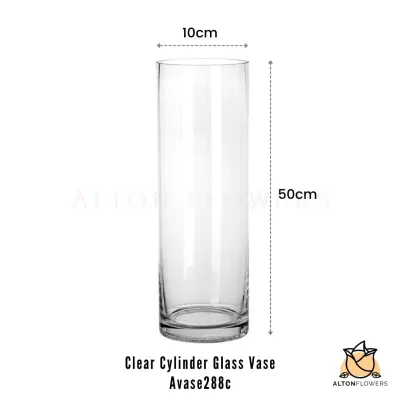
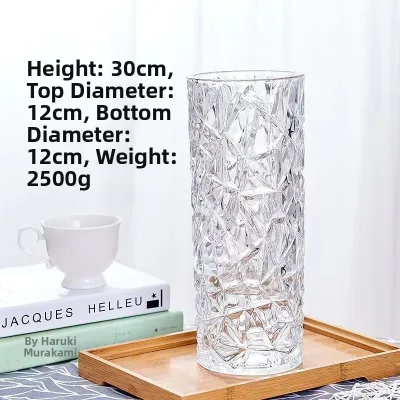
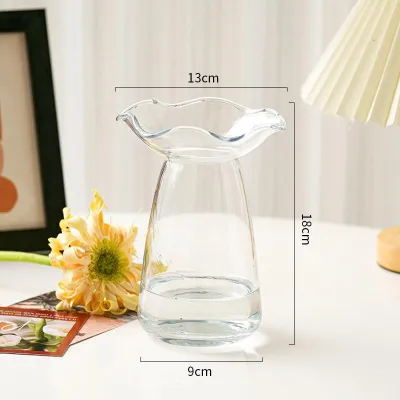
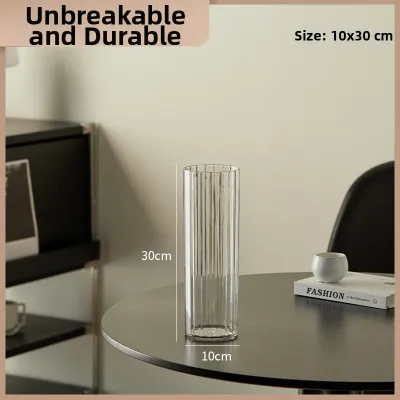
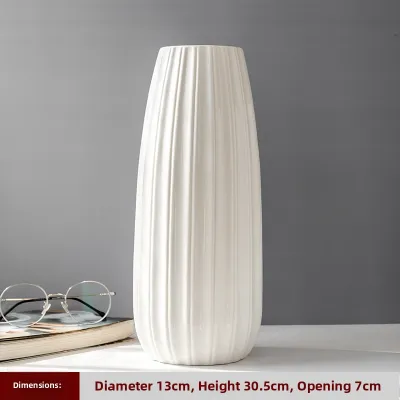
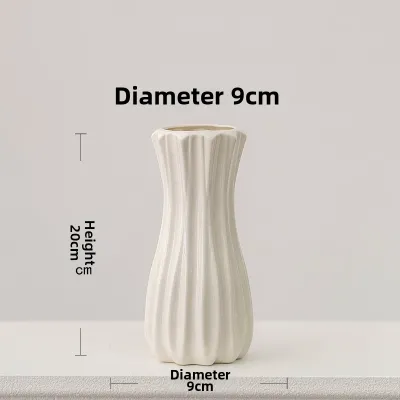
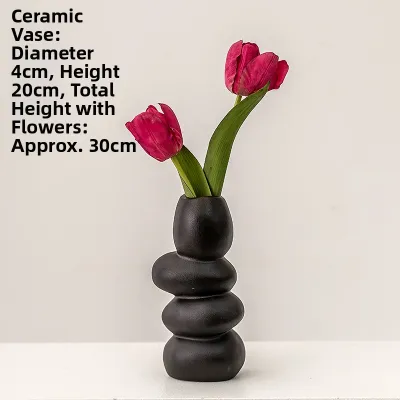
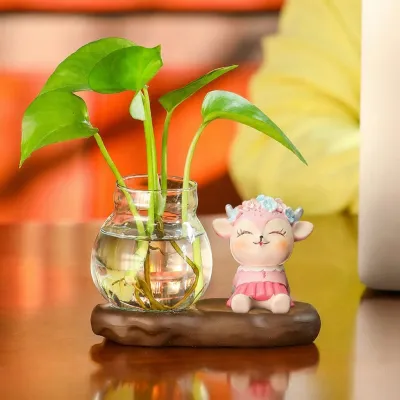
Prices are valid at publication and may change. Please refer to the product page for the latest price.
Consider the visual weight of your current decor items. If your shelves and tables already host numerous small decorative objects, adding another intricate piece can create visual clutter. In highly decorated spaces, a simple, solid-colored vessel provides a resting point for the eye, while an understated room might benefit from a singular, bold statement piece.
Finally, assess the lighting conditions of the room. Bright, sunlit spaces with large windows interact beautifully with reflective surfaces, whereas dimly lit corners or rooms relying on warm, ambient lamps are better suited for textured, matte finishes that absorb light softly. Understanding how light behaves in your specific room helps you choose materials that look appealing at any time of day.
Match Vase Characteristics to Your Decor Theme
Translating your diagnosed interior style into specific vase shapes, materials, and finishes requires applying targeted design principles. Different decor themes call for distinct silhouettes and surface treatments to maintain a cohesive look. By matching these characteristics to your specific theme, you can narrow down your options effectively.

Minimalist and Scandinavian Spaces
For clean, uncluttered, and light-filled environments, focus on simple geometric shapes, matte finishes, and neutral or muted tones. Spherical, cylindrical, or soft teardrop silhouettes maintain the visual calm essential to these design styles. These shapes do not compete for attention, allowing the natural beauty of a single stem to stand out.
Suitable materials include clear glass, unglazed ceramics, or smooth concrete. These materials reflect light softly without creating harsh glare, preserving the airy feel of a Scandinavian-inspired room. Soft white, pale gray, and warm sand tones work exceptionally well in these settings.
Avoid overly ornate patterns, intricate carvings, or high-contrast colors. These busy details can disrupt the serene atmosphere and compete with the intentional simplicity of your space. Instead, rely on subtle texture variations, such as a slightly grainy ceramic surface, to add depth.
Modern Luxury and Contemporary Rooms
Sophisticated, high-contrast, or sleek interiors benefit from sculptural forms, metallic accents, or high-gloss finishes. Look for asymmetrical shapes or bold, architectural lines that add a layer of refinement to the room. These pieces often function as standalone art objects even when they do not hold flowers.
Materials like tinted glass, polished marble, or brushed metals interact dynamically with ambient lighting. A dark-tinted glass or a stone vessel can ground a contemporary console table while reflecting light in a subtle, sophisticated manner. These materials convey a sense of permanence and high-end craftsmanship.
Balance these bold statement pieces with the room’s existing reflective surfaces. If your space already features polished chrome, brass, or mirrored furniture, choose a matte or semi-gloss vase to prevent the environment from feeling overly cold or metallic.
Rustic, Bohemian, and Vintage Interiors
Warm, layered, and organic living spaces are ideal settings for irregular shapes, handcrafted textures, and earthy color palettes. These elements enhance the collected, lived-in feel of bohemian or vintage decor, where items appear to have been gathered over time rather than bought all at once.
Explore materials like terracotta, woven rattan, distressed wood, or ceramics with reactive glazes. These materials feature natural imperfections and variations that age gracefully, adding character to your shelves or sideboards. Earthy tones like ochre, terracotta, forest green, and deep amber complement these textures beautifully.
Instead of relying on a single symmetrical piece, use grouping techniques to build an eclectic display. Arranging three vases of varying heights, shapes, and textures creates a curated, organic look that aligns with a relaxed interior aesthetic. This approach allows you to showcase different materials while maintaining a cozy atmosphere.
Evaluate Practical Constraints and Placement
Before finalizing your choice, check the physical dimensions of the surface where the vase will sit. In compact Singapore apartments, maximizing surface area is key; measure the depth of your shelves, mantelpiece, or console table to guarantee the vessel fits securely without hanging over the edge. A vase that is too large for its surface looks cramped and is more susceptible to accidental bumps.
Assess how both natural and artificial lighting will interact with the vase’s finish throughout the day. A metallic or highly polished glass vase placed directly in front of a bright window may create distracting reflections, whereas a textured ceramic piece will remain visually stable under changing light.
Verify the weight and base stability of the vessel, especially if you plan to place it in high-traffic areas like an entryway console or a low coffee table. If you have pets or young children, opt for wider, heavier bases made of ceramic or stone rather than lightweight glass that can easily tip over.
Consider the background wall color and texture behind the placement spot. A white ceramic vase may disappear against a plain white wall, so choosing a contrasting tone or a textured material ensures the silhouette remains distinct and visually engaging.
Finalize Your Vase Selection Checklist
To confirm your choice before purchasing, review the alignment between the vase’s visual weight and the room’s overall balance. Ensure the piece acts as a harmonious addition rather than a distracting element that pulls attention away from your main decor features. The ideal vase should feel like it belongs in the space naturally.
Confirm that the vessel’s neck width, depth, and rim style suit your intended use. A narrow-necked bud vase is ideal for single stems, while a wide-mouthed flared vase is necessary for full, heavy bouquets or thick branches. If you plan to use the vase primarily for fresh flowers, ensure the interior is fully glazed and waterproof.
Ensure the material’s care requirements match your willingness to maintain it. In Singapore’s humid climate, unglazed or highly porous ceramics can sometimes trap moisture, requiring regular drying and gentle hand-washing, while polished metals may need regular buffing to prevent fingerprints and tarnish.
Cross-reference your selected style against your initial diagnostic observations. Verifying that the material, shape, and color align with your room’s baseline aesthetic prevents impulse purchases that might clash with your existing home environment.
Frequently Asked Questions (FAQ)
Can I mix different vase styles in the same room?
Yes, you can mix different styles by using a unifying element to tie them together. Choose a consistent color family, a shared material, or a similar scale to create a sense of cohesion among disparate shapes. To maintain harmony and avoid visual clutter, limit the number of contrasting styles to two or three, and leave ample empty space around each display to let the individual pieces breathe.
How do I choose a vase size for a large dining table?
When selecting a vase for a dining table, check the seated sightlines of your guests. The vessel and its floral contents should not block conversation across the table, meaning arrangements should generally stay below eye level. Alternatively, you can cluster multiple small, low vessels along the center of the table or use a single shallow bowl to maintain an open visual plane while still adding natural beauty to the setting.
Community discussion
Share your experience or ask a question. Comments are reviewed before publication.