
Selecting the right vase for a Singapore apartment requires balancing limited square footage with functional styling. Whether you are decorating a compact HDB flat or a modern condominium, the ideal vase must complement the room’s purpose, fit the physical dimensions of your furniture, and suit your choice of botanicals. By understanding how scale, shape, and material interact with different spaces, you can elevate your home decor while maintaining a clutter-free environment. This guide breaks down the essential considerations for choosing and placing vases across your living spaces, ensuring each piece serves as a beautiful, practical addition to your home.
Quick Reference: Matching Vase Profiles to Rooms and Uses
To help you make an immediate decision, the following matrix maps common apartment spaces to their ideal vase profiles and material requirements.
| Room | Primary Purpose | Recommended Vase Profile | Key Material Consideration |
|---|---|---|---|
| Living Room | Statement display, focal point | Tall cylinders, wide-mouthed urns, sculptural shapes | Heavy ceramic, thick glass, or stoneware for stability |
| Bedroom | Relaxation, subtle accentuation | Compact bud vases, low round bowls, spherical shapes | Matte ceramics, frosted glass, or terracotta in soft tones |
| Entryway | Welcoming impression, space-saving | Slender columns, flat-backed profiles, asymmetrical shapes | Durable stoneware, metal, or shatter-resistant composites |
When selecting a vase, keep these quick conditional rules in mind:
Products mentioned in this guide
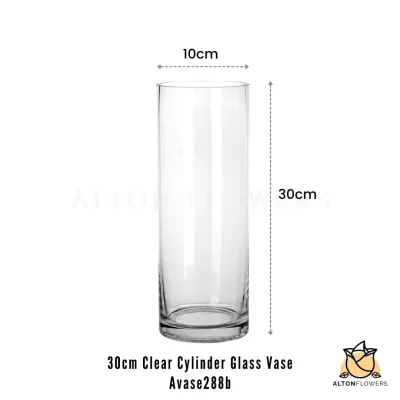
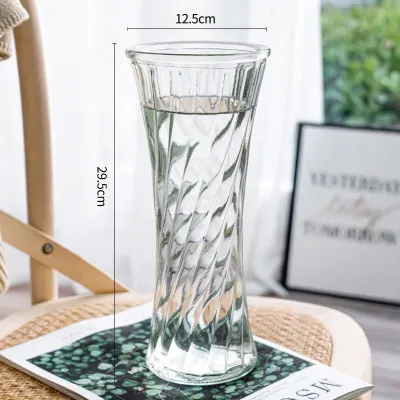
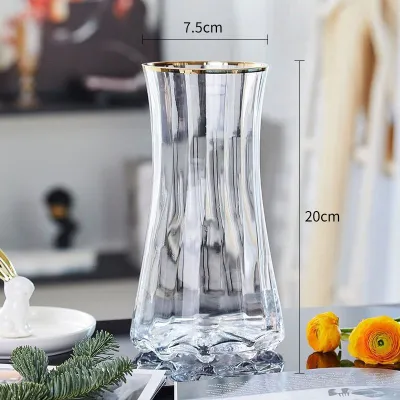
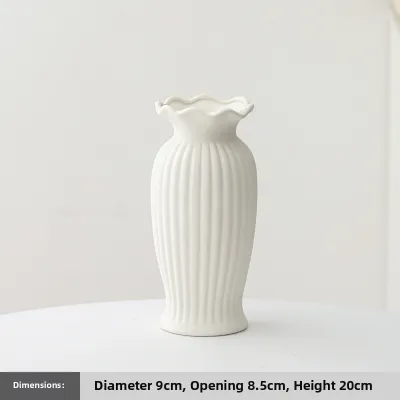
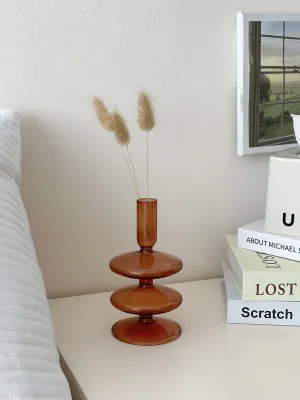
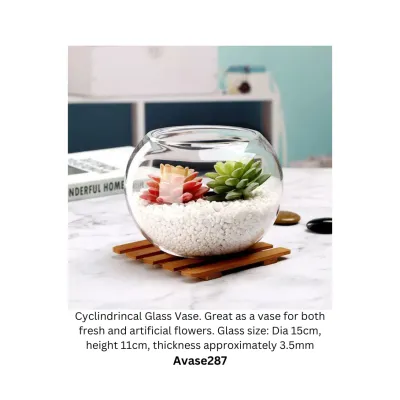
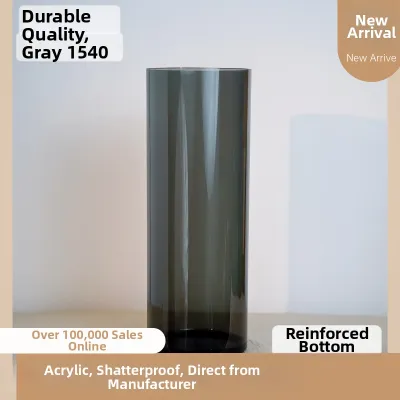
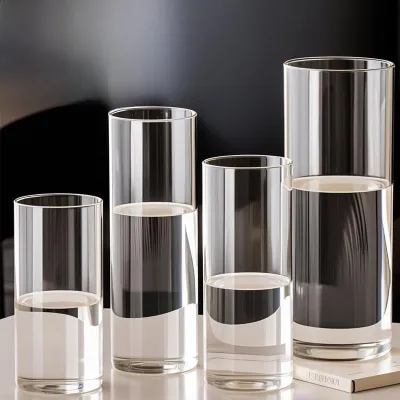
Prices are valid at publication and may change. Please refer to the product page for the latest price.
- For fresh flowers: Prioritize non-porous materials like glazed ceramic or glass, and ensure the base is wide enough to support the weight of water and heavy stems.
- For dried arrangements: Opt for lightweight, porous materials like unglazed clay or wood, but ensure the vase has enough bottom weight to prevent tipping.
- For standalone decorative use: Choose highly textured, sculptural, or opaque vases that maintain visual interest without requiring any floral filler.
Living Room Vases: Balancing Scale and Visual Impact
The living room is often the central hub of a Singapore apartment, making it the prime location for showcasing eye-catching decor. However, because living areas in modern layouts frequently merge with dining spaces, managing scale and visual weight is crucial. When selecting a vase for this area, start by identifying its exact placement. A vase destined for a central coffee table must respect sightlines; a design that is too tall will obstruct views of the television or hinder conversation across the room. For these central tables, low-profile, wide-mouthed bowls or medium-sized spherical vases work best, allowing you to display lush, horizontal arrangements that stay below eye level.

Conversely, console tables, sideboards, and shelving units offer the perfect opportunity to introduce height and drama. Tall cylinder vases or classic amphora shapes are excellent for holding long-stemmed fresh bouquets or dramatic dried branches like eucalyptus or monstera leaves. These shapes guide the eye upward, creating an illusion of higher ceilings in standard HDB flats. When styling open-plan layouts, consider grouping vases in odd numbers—such as a trio of varying heights—to create a curated, cohesive look that anchors the room without overwhelming the surrounding furniture.
Bedroom Vases: Prioritizing Proportion and Calm Aesthetics
In the bedroom, the primary goal is to foster a calm, restful environment that promotes relaxation. Because bedside tables and dressers are typically smaller and highly functional, large or elaborate vases can quickly make the space feel cluttered. Instead, prioritize compact shapes that leave plenty of room for essentials like books, glasses, and bedside lamps. Small bud vases or low, rounded ceramic pots are ideal for nightstands, as they require only a single stem or a small cluster of delicate blooms to make a gentle visual impact.
The choice of material and color plays a significant role in setting a tranquil mood. Opt for vases with soft, matte finishes, such as unglazed terracotta, biscuit porcelain, or frosted glass in neutral, earthy, or pastel tones. Highly reflective or brightly colored metallic vases can sometimes feel too stimulating for a sleep space. Additionally, safety is a key consideration in high-traffic sleep areas. Avoid top-heavy, delicate glass designs on bedside tables where they might easily be knocked over in the dark. Instead, select vases with wide, stable bases and a lower center of gravity to prevent accidental spills and breakage.
Entryway Vases: Creating First Impressions in Tight Spaces
The entryway of a Singapore apartment sets the tone for the entire home, yet it is often one of the tightest spaces to decorate. Foyers in HDB flats and condos frequently consist of narrow corridors or small zones immediately adjacent to shoe cabinets and main doors. To make a strong first impression without obstructing the walkway, look for slender, flat-backed, or asymmetrical vase profiles. These specialized shapes sit flush against walls or at the back of narrow console tables, maximizing precious clearance for family members and guests moving through the door.
Because the entryway is a high-traffic zone prone to accidental bumps from bags, keys, and shoes, material durability is paramount. Delicate, thin-walled glass or fragile porcelain vases are risky choices for this area. Instead, opt for resilient materials such as heavy stoneware, metal, or high-quality composite resins that can withstand minor impacts. To keep maintenance to a minimum near the front door, style these vases with dried botanicals, preserved stems, or faux branches. This approach eliminates the need for regular water changes and prevents the risk of water spills on wooden shoe cabinets or nearby flooring.
Pairing Vase Shapes and Materials with Floral or Standalone Uses
Matching the physical characteristics of a vase to its intended contents is essential for both aesthetic success and practical maintenance. When working with fresh flowers, the neck width of the vase dictates how the arrangement will sit. A narrow neck bunches stems together for a dense, upright look, which is perfect for single-stem lilies or roses. A wide neck allows stems to splay outward, creating a more casual, voluminous display but requiring more foliage to look full. Always verify that the base of the vase is heavy enough to offset the top-heavy weight of water-saturated stems; glass and glazed ceramic are excellent choices because their inherent weight provides natural stability.
Material porosity is another critical factor to evaluate. Non-porous materials like glazed ceramic, glass, and sealed metals are mandatory for fresh flowers to prevent water from seeping through and damaging delicate wooden tabletops. If you prefer the rustic look of unglazed clay, terracotta, or carved wood, reserve these strictly for dried arrangements or faux botanicals. Dried stems do not require water, making them highly compatible with porous materials. If you plan to display a vase empty as a standalone sculptural piece, focus on rich, tactile finishes—such as ribbed glass, reactive glazes, or hammered metals—that catch the light and provide visual texture even without floral accompaniment.
Practical Sizing and Placement Rules for Apartment Layouts
Achieving a balanced look in your apartment relies on adhering to basic proportion rules. As a general guideline, a tabletop vase should occupy no more than one-third of the height of the furniture piece it sits on. For example, if your console table is 75 centimeters tall, your vase should ideally be around 25 centimeters or shorter. When filled, the height of your floral arrangement should typically be about one and a half to two times the height of the vase itself. Keeping these proportions in mind prevents your decor from looking awkwardly small or unsafely top-heavy.
Beyond aesthetics, physical clearance must be checked before finalizing any placement. Ensure that placing a vase on a sideboard or cabinet does not block the swing path of nearby doors, drawers, or window shutters. Additionally, consider the environmental conditions of your chosen spot. Placing water-filled glass vases in direct sunlight near windows can rapidly accelerate algae growth, turning the water cloudy and creating unpleasant odors. Direct sunlight can also cause dyed dried florals to fade prematurely and may degrade certain delicate painted finishes on ceramic vases. Position your arrangements in well-ventilated, indirectly lit areas to preserve both the botanicals and the vessels themselves.
Frequently Asked Questions (FAQ)
Can I use the same vase for both fresh flowers and dried arrangements?
Yes, you can transition a vase between wet and dry uses, provided you verify that the interior is fully waterproof. Many ceramic vases feature beautiful exterior glazes but remain unglazed or porous on the inside; always check for an interior seal before adding water. When switching from fresh flowers to dried arrangements, it is crucial to clean the vase thoroughly to remove any organic residue or mineral buildup. Any leftover moisture or bacteria can quickly lead to mold growth, which thrives in Singapore’s warm, humid climate and can ruin your delicate dried stems.
How do I clean and maintain decorative vases to prevent water stains?
To keep your glass and ceramic vases free from unsightly hard water marks and algae, establish a routine of gentle cleaning. Wash the interior with mild, non-abrasive dish soap and warm water after every use. For stubborn mineral deposits left behind by tap water, fill the vase with a mixture of equal parts warm water and white vinegar, let it sit for a few hours, and then rinse thoroughly. Avoid using harsh chemical scrubbers or abrasive pads, especially on unglazed, painted, or metallic-plated exteriors, as these can scratch or strip the finish. Always dry the vase completely with a soft microfiber cloth to prevent water spotting.
Community discussion
Share your experience or ask a question. Comments are reviewed before publication.