
Finding the right wearable blanket in Singapore requires balancing the tropical heat outside with the chilly air-conditioning indoors. The ideal material depends entirely on where you plan to wear it. If you spend your days in an air-conditioned home office or sleep with the AC turned down, a lightweight fleece or plush microfiber provides the cozy insulation you need. Conversely, if you rely on natural ventilation or ceiling fans, breathable fabrics like cotton or bamboo-derived rayon will keep you comfortable without causing you to overheat.
Choosing a wearable blanket is not just about finding the softest option on the shelf. In a humid climate, fabric behavior changes dramatically depending on moisture levels and air movement. By understanding how different materials interact with your immediate environment, you can select a wearable blanket that offers the optimal level of comfort without trapping sweat or developing musty odors.
Understanding Your Environment: Humidity vs. Air-Conditioning
Singapore’s climate presents two distinct indoor environments that dictate how fabrics behave on your skin. The first is the naturally ventilated space, characterized by high ambient humidity and warm temperatures. In these areas, your body relies on sweat evaporation to stay cool. Wearing a heavy, non-breathable fabric in a room with only a ceiling fan traps a layer of warm, humid air next to your skin, quickly leading to discomfort and overheating.
Products mentioned in this guide
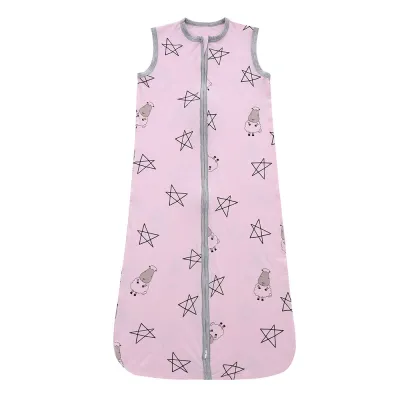
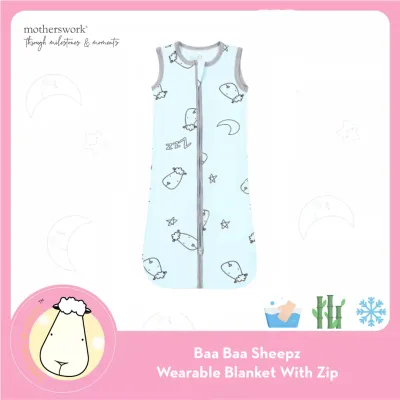
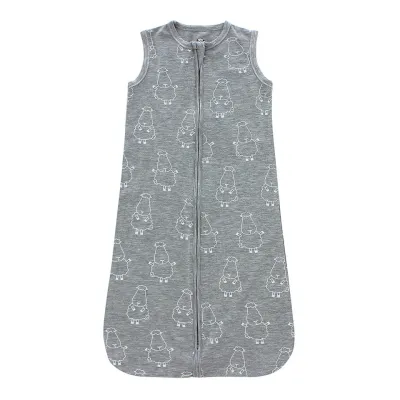
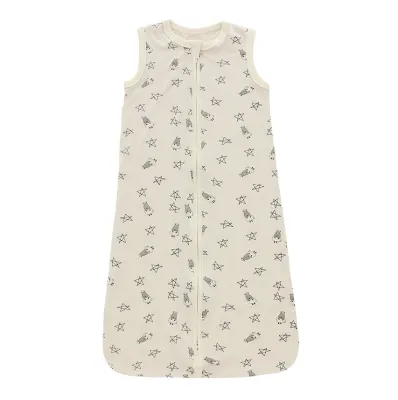
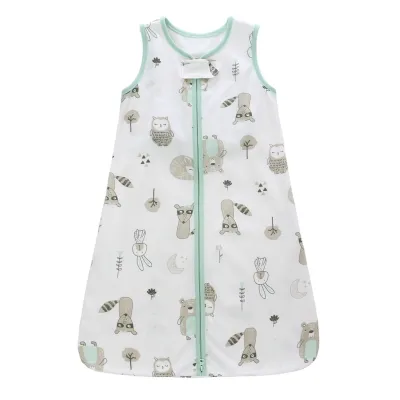
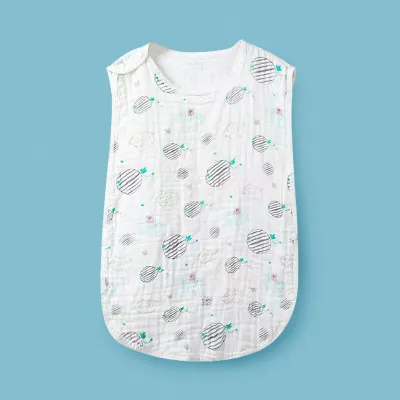
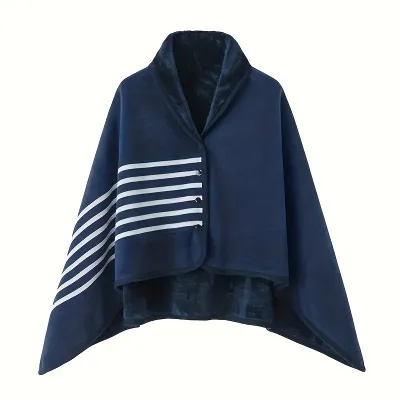
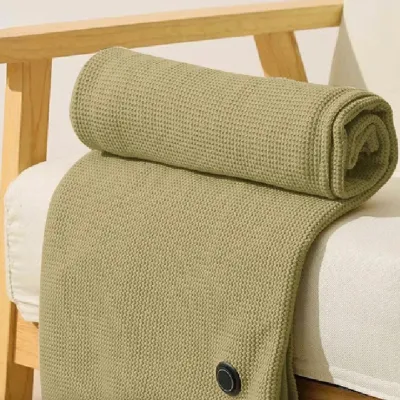
Prices are valid at publication and may change. Please refer to the product page for the latest price.
The second environment is the air-conditioned room, which is both cooler and significantly drier. Air conditioners actively remove moisture from the air while lowering the temperature. In these spaces, you do not need to worry as much about immediate sweat evaporation, but you do need protection from drafts and sustained cool air. A material that feels stifling in a living room with open windows can feel incredibly cozy and necessary in a room cooled to 22°C.
Because of these contrasting environments, there is no single material that is universally ideal for every corner of a tropical home. The key is to identify where you will wear the blanket most frequently. If you transition often between air-conditioned study rooms and warm living areas, you will need to weigh the trade-offs between high insulation and rapid moisture-wicking.
Evaluating Common Wearable Blanket Materials
When browsing online marketplaces or local home decor stores, you will encounter several primary fabric types. Each material handles heat and moisture differently, making them suitable for specific indoor climates.

Cotton and bamboo-derived fabrics are highly regarded for their natural breathability and soft texture. These materials allow air to circulate freely, making them excellent choices for mixed environments or warmer rooms. They excel at absorbing moisture from your skin, which helps keep you dry. However, natural fibers retain moisture longer than synthetic alternatives. In Singapore’s high humidity, a damp cotton blanket can feel heavy and cold if it does not dry quickly, and it may require more frequent washing to stay fresh.
Fleece and flannel are the classic choices for wearable blankets, offering a high level of insulation and a plush, comforting feel. These synthetic materials are designed to trap air within their lofted fibers, creating a warm barrier against chilly air-conditioning. While well-suited for a cold bedroom, fleece does not breathe well. If you wear a heavy fleece blanket in a room without active cooling, the fabric will trap your body heat almost instantly, leading to rapid sweat accumulation and physical discomfort.
Microfiber and other synthetic blends offer a middle ground, providing lightweight warmth and exceptionally quick drying times. These fabrics are often engineered to be highly durable and resistant to wear. When evaluating synthetic options, it is essential to check the product specifications for fabric thickness and weave density. A thin, low-pile microfiber blanket can offer just enough draft protection for a mildly cooled room without the overwhelming weight of a heavy winter fleece.
Beyond the Fabric: Weight, Weave, and Care Requirements
While the fiber content is the foundation of your wearable blanket, physical construction details like weight and weave play an equally important role in your daily comfort. A fabric’s weight is typically measured in grams per square meter (GSM). For a tropical climate, looking for lower GSM ranges ensures the blanket remains light enough to wear comfortably while moving around the house. A heavy, dense weave might feel luxurious initially, but it can quickly become restrictive and uncomfortably warm.
The weave of the fabric also determines how much air can pass through the garment. A loose, open weave allows heat to escape easily, making it suitable for warmer rooms. A tight, dense weave is better suited for blocking cold drafts from air-conditioning vents. When shopping, look closely at product photos or fabric descriptions to determine if the knit or weave is designed for maximum airflow or maximum thermal retention.
Maintenance is another critical factor in a humid environment. Wearable blankets require regular washing to remove sweat, skin oils, and dust. Selecting a machine-washable material that can withstand frequent laundering without losing its softness is essential. Furthermore, because high humidity can delay drying times, choosing a quick-drying synthetic blend or a lightweight natural fabric helps prevent the growth of mold and musty odors. Always verify the care label instructions to ensure the blanket can be dried efficiently in your home setup, whether you rely on natural air drying or a tumble dryer.
Matching the Material to Your Daily Routine
To make your final decision, match the material characteristics to your typical daily routine and the specific rooms where you spend the most time.
If your routine involves spending hours in a heavily air-conditioned home office or watching television in a cooled living room, you fall into Scenario A. For this setup, prioritize sustained warmth and draft protection. A lightweight fleece, flannel, or a plush microfiber wearable blanket with a medium GSM will keep you comfortable during long periods of inactivity. Look for designs with snug cuffs and a hood to help seal in warmth where you need it most.
If you prefer to keep your windows open, rely primarily on fans, or move constantly between cooled and uncooled spaces, you fall into Scenario B. In this case, prioritize breathability and moisture evaporation. A lightweight cotton knit, a bamboo-derived blend, or a very thin synthetic weave will provide a comforting layer without causing you to sweat.
Before making a purchase, use this quick checklist to verify the product details:
- Check the material composition label to confirm the percentage of natural versus synthetic fibers.
- Look for the fabric weight (GSM) in the specifications, opting for lower numbers if you prefer a lighter feel.
- Review the care instructions to ensure the garment is machine-washable and compatible with your drying method.
- Examine the design features, such as sleeve style and length, to ensure they allow for easy movement and ventilation.
Frequently Asked Questions (FAQ)
Can I use a thick fleece wearable blanket if I only use a fan?
Using a thick fleece wearable blanket in a room cooled only by a fan is generally not recommended for Singapore’s climate. Fleece is highly insulating and designed to trap body heat. Without air-conditioning to lower the ambient temperature and humidity, the fabric will quickly trap warm air and sweat against your skin, leading to overheating. For fan-cooled rooms, a lightweight cotton, bamboo-derived fabric, or a very thin synthetic knit is a much more comfortable alternative.
How do I prevent my wearable blanket from smelling musty in humid weather?
To prevent musty odors, wash your wearable blanket regularly and ensure it dries completely before storing it. In humid weather, hang the blanket in a well-ventilated area with good airflow, or use a dryer on a low-heat setting if the care label permits. Avoid folding or storing the blanket while it is even slightly damp. If you store it in a closet, consider using moisture-absorbing packets to keep the storage environment dry.
Community discussion
Share your experience or ask a question. Comments are reviewed before publication.