
Selecting the right white sage product in Singapore requires balancing your aromatic preferences with the practical realities of tropical, high-humidity living and typical apartment layouts. To make an informed choice, you must evaluate the physical form of the sage, verify its botanical authenticity, and match its smoke output to your home’s ventilation. By focusing on observable quality markers and safe burning practices, you can enjoy a clean, pleasant aromatic experience that suits your space and lifestyle.
Understanding White Sage Forms and Their Uses
To choose the right white sage product, you must first understand the physical forms available and how they behave when lit. Traditional smudge sticks consist of bundled dried leaves tied tightly together. These bundles produce a thick, robust volume of smoke and are designed for larger spaces or intensive aromatic sessions. Because they burn slowly, a single smudge stick can be extinguished and relit multiple times, making them a long-lasting option if handled correctly.
Loose leaf sage offers a more customizable experience. Instead of lighting an entire bundle, you can select individual leaves to burn on a heatproof dish. This form produces a much lower, highly controllable volume of smoke, making it ideal for quick sessions or smaller rooms. Loose leaves also dry out more evenly, which often results in a cleaner burn with less residual smoldering compared to tightly bound sticks.
Products mentioned in this guide
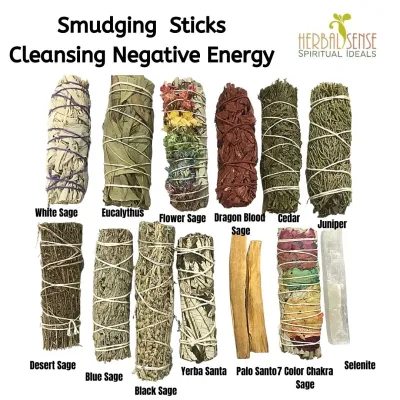
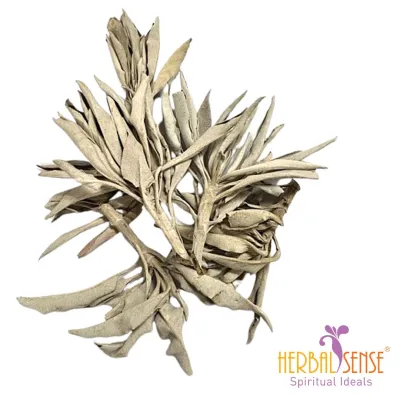
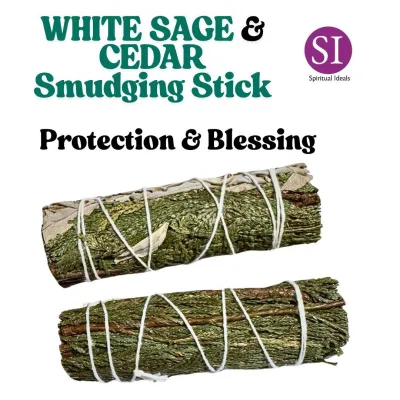
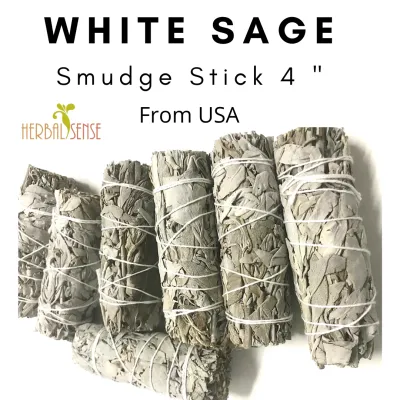
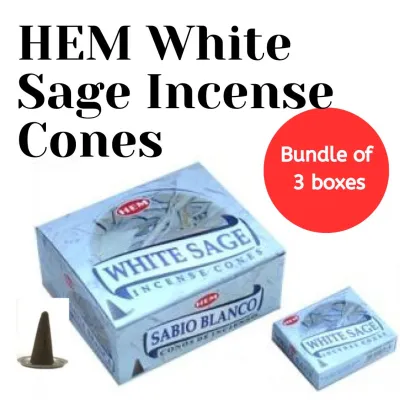
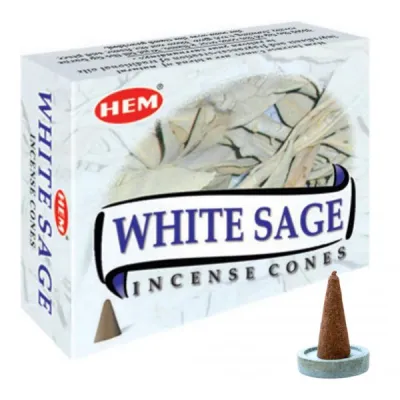
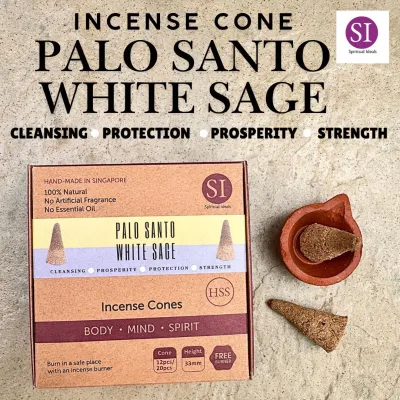
Prices are valid at publication and may change. Please refer to the product page for the latest price.
Processed incense, which includes sage sticks, cones, and coils, represents a more modern and convenient alternative. These products are made by mixing ground sage leaves with natural wood powders and binders. Processed incense burns consistently from start to finish without requiring constant attention. However, the scent profile of processed incense is often milder and sweeter than raw sage, as the burning wood binders alter the pure herbal aroma.
When comparing raw dried sage to manufactured incense blends, the residue left behind is another key factor. Raw sage leaves leave behind flaky grey ash and occasionally small embers that require a wide, heatproof catch vessel. Processed incense sticks produce a fine, predictable line of ash that falls directly below the holder, making cleanup much simpler. Understanding these differences allows you to select a form that aligns with your maintenance preferences and desired smoke intensity.
Key Quality Indicators to Check Before Buying
Evaluating the quality of white sage before purchasing requires a careful inspection of its physical characteristics. High-quality white sage (Salvia apiana) should exhibit a distinct silvery-grey or pale, dusty green color. If the leaves appear excessively brown, yellow, or dark green, the sage may have been harvested prematurely, dried poorly, or exposed to moisture during storage. The leaves should feel dry and slightly velvety to the touch, holding their shape without crumbling into dust when lightly pressed.

The presence of stems and seeds within a smudge stick is another indicator of processing quality. While some thin stems are necessary to bind the bundle together, an excessive amount of thick, woody stems adds unnecessary weight and produces a harsh, wood-burning smell rather than the clean herbal aroma of the leaves. Avoid bundles that contain visible seed pods, as these indicate the sage was harvested late in the season when the plant’s essential oil concentration is typically lower.
For bundled smudge sticks, the binding material is a critical safety and quality detail that is often overlooked. Reputable makers use only 100% natural, unbleached cotton string to tie the leaves together. You should carefully inspect the binding thread to ensure it is not made of synthetic materials like polyester or nylon. Synthetic fibers melt when exposed to flame, releasing unpleasant chemical odors and potentially harmful fumes into your living space.
Reading the product label is the final step in verifying authenticity. True white sage must be labeled with its botanical name, Salvia apiana. Many generic products are sold under the broad name of “sage” but actually contain common garden sage (Salvia officinalis) or other aromatic shrubs that do not possess the same scent profile. Additionally, check the country of origin; authentic white sage is native to the arid regions of the southwestern United States and northwestern Mexico, so look for products that explicitly trace their sourcing to these areas.
Matching White Sage to Your Space and Routine
Selecting the right white sage product requires a realistic assessment of your living environment, particularly in a high-density urban setting like Singapore. Most local residential properties, such as HDB flats and condominiums, feature compact layouts where air volume is limited. Burning a large, dense smudge stick in a small bedroom can quickly lead to an overwhelming accumulation of smoke. For these spaces, loose leaves or thin incense sticks are far more appropriate, as they allow you to introduce a subtle aroma without saturating the air.
Airflow and ventilation patterns within your home should directly dictate your choice of sage. If your apartment relies primarily on air conditioning with closed windows, burning raw sage is generally not recommended unless you are prepared to open the windows fully during and after the session. For homes with open balconies and consistent cross-ventilation from ceiling fans, a slightly higher smoke output from a small smudge stick can be easily managed, allowing the aroma to disperse naturally without lingering excessively.
The choice of burning vessel is equally important for safety and ash management. Traditional abalone shells are popular for their natural aesthetic, but they are naturally porous and can transfer heat quickly to the surface beneath them. If you use a shell, you must fill the bottom with a layer of clean sand to insulate the heat and protect your furniture. Alternatively, heavy ceramic bowls, brass censers, or cast-iron dishes provide excellent heat resistance and a stable base that prevents the burning sage from tipping over.
Finally, you must consider the needs of all household members, including pets and individuals with respiratory sensitivities. Cats and dogs have highly sensitive olfactory systems, and the dense smoke from burning botanicals can cause them respiratory distress. If you share your home with pets, young children, or anyone suffering from asthma or allergies, opt for low-smoke alternatives like light incense sticks, or conduct your aromatic sessions in a well-ventilated room that is temporarily closed off from sensitive individuals.
Building Your Shortlist: Evaluating Products in Local and Online Stores
When shopping for white sage in Singapore, whether visiting physical aromatherapy boutiques or browsing online marketplaces, establishing a clear evaluation process is essential. Start by assessing the seller’s transparency regarding their sourcing and harvesting practices. Ethical suppliers will openly state how their sage is obtained, often highlighting partnerships with farms that practice sustainable harvesting to prevent over-exploitation of wild Salvia apiana populations. Avoid sellers who provide vague answers or refuse to share origin details.
Customer reviews offer valuable clues about the actual performance and quality of the sage. Look for consistent feedback regarding how well the product burns and whether it stays lit without constant relighting. Reviews that mention a damp, musty smell or an aroma resembling burnt grass often indicate that the sage was not dried properly before packaging. Conversely, positive reviews that highlight a clean, sweet, and herbaceous scent suggest a well-cured product.
Be cautious of unusually low prices, which can serve as a major red flag. High-quality, ethically sourced white sage requires careful harvesting, drying, and transport, which is reflected in its retail price. If you encounter large smudge sticks priced significantly lower than the market average (for example, bundles sold for under S$5 on generic online platforms), they may be counterfeit, old stock, or made from common garden sage sprayed with synthetic fragrance oils.
You should also inspect the packaging materials used by the seller. Sage is highly sensitive to environmental factors, so packaging that does not protect the product from humidity can ruin its quality before it even reaches your home. Look for sellers who package their sage in sealed, resealable bags or airtight containers. Avoid buying loose, unprotected bundles that have been sitting on open shelves in humid retail environments, as they are highly likely to have absorbed moisture.
Safe Handling, Extinguishing, and Storage Practices
Safe handling is the most critical aspect of using any burning aromatic product in your home. Before you light your white sage, ensure that your burning vessel is placed on a flat, stable, and heat-resistant surface away from drafty areas, curtains, or flammable decorations. Never leave a burning or smoldering sage bundle unattended, even for a brief moment. If you need to move around the room with a smudge stick, hold the burning end over your catch vessel at all times to catch any falling ash or hot embers.
Extinguishing white sage properly is essential to prevent accidental fires and preserve the remaining product for future use. To extinguish a smudge stick, gently but firmly press the burning tip into a bowl filled with dry sand, soil, or a dedicated ceramic snuffer. Continue pressing until all smoke ceases to rise from the bundle. Avoid using water to put out the flame, as moisture will saturate the inner leaves of the bundle, leading to mold growth and making it nearly impossible to relight the sage in the future.
Proper ventilation is non-negotiable when burning sage indoors. Always ensure that at least two windows are open to create a clear pathway for air to enter and exit the room. This continuous airflow prevents the buildup of carbon monoxide and fine particulate matter, keeping the indoor air quality safe and comfortable. If the smoke begins to sting your eyes or makes breathing feel heavy, immediately extinguish the sage and open additional windows or doors to clear the air.
In Singapore’s tropical climate, managing humidity is the biggest challenge when storing unused white sage. High relative humidity can quickly cause dried leaves to absorb moisture, leading to mold and a complete loss of their natural aromatic oils. To prevent this, store your sage in an airtight glass jar or a heavy-duty zip-lock bag immediately after use. Adding one or two food-grade silica gel packets to the container will help absorb any trapped moisture, ensuring your sage remains dry, fragrant, and ready for your next session.
Frequently Asked Questions (FAQ)
Is it safe to use white sage every day?
Using white sage every day is generally not recommended for indoor environments due to the cumulative effects of smoke inhalation. Even natural botanical smoke contains particulate matter that can irritate the respiratory tract over time. If you enjoy the aroma of white sage daily, it is safer to use low-smoke alternatives like processed incense sticks in highly ventilated areas, rather than burning dense smudge sticks. Always prioritize your respiratory comfort and ensure that your living space is thoroughly aired out after every use.
How can I tell if my white sage has gone bad?
You can easily identify compromised white sage through simple visual and olfactory checks. Inspect the leaves closely for any fuzzy white, grey, or green patches, which indicate mold growth caused by exposure to humidity. Moldy sage should be discarded immediately, as burning it can release harmful spores into the air. Additionally, if the sage has a musty, damp smell instead of its characteristic clean, herbal aroma, or if the leaves feel limp and refuse to catch fire, the product has absorbed too much moisture and should no longer be used.
Do I need a special burner for loose white sage?
Yes, loose white sage leaves require a different burning setup than bound smudge sticks. Because individual leaves burn quickly and do not hold a flame on their own, they are best burned on a small charcoal disc placed inside a heatproof censer or ceramic bowl. Alternatively, you can place a single leaf directly onto a bed of clean sand inside a fireproof dish and light the tip, allowing it to smolder gently. Always ensure the burner you choose is rated for high temperatures, as charcoal discs can become extremely hot during use.
Community discussion
Share your experience or ask a question. Comments are reviewed before publication.