
Choosing the right wick for candle making is the single most critical factor in determining how your finished candle will burn, throw scent, and behave safely. A wick acts as a pump, drawing liquefied wax upward through capillary action to feed the flame. If the wick is too small, the candle will tunnel and leave wasted wax along the jar walls; if it is too large, it will produce excessive soot, flicker wildly, and potentially overheat the container. To find the perfect match, you must systematically evaluate your container’s diameter, the specific properties of your wax, and the concentration of your fragrance oils.
Understand Your Core Candle Variables
Before purchasing any candle-making supplies, you must establish the foundational measurements of your project. The most critical physical dimension is the exact inside diameter of your container. Do not measure from the outside edges of the jar; instead, use a ruler or caliper to measure the internal width at the point where the wax pool will sit. This measurement dictates the target diameter of the melt pool that your wick must heat and liquefy. A wider container naturally requires a larger wick or multiple wicks to achieve a complete burn across the surface.
Next, identify the specific wax blend you plan to use. Waxes are not interchangeable; soy, coconut, beeswax, apricot, and paraffin each possess distinct physical properties, including density, viscosity, and melting points. A wick that burns beautifully in a soft coconut wax blend may struggle to melt a dense, high-temperature soy wax. Always review the wax manufacturer’s technical documentation, as they publish specific guidelines detailing which wick families are engineered to perform best with their formulas.
Products mentioned in this guide
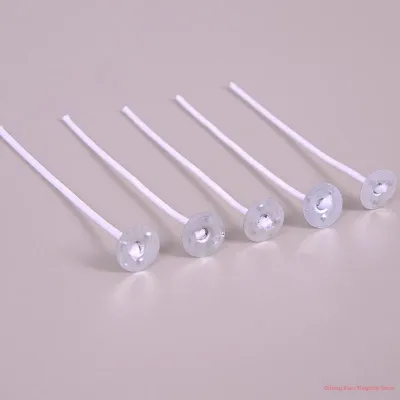
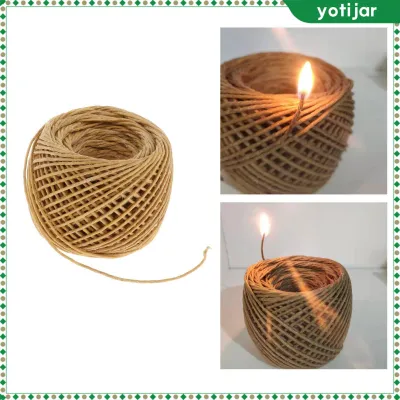
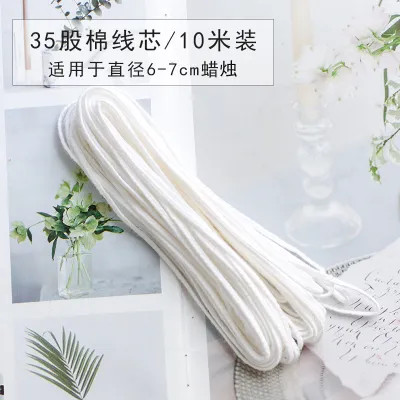
Prices are valid at publication and may change. Please refer to the product page for the latest price.
Finally, determine your target fragrance oil percentage. Scented candles typically carry a fragrance load ranging from 6% to 12% of the total wax weight. Higher fragrance loads introduce more liquid oil into the wax matrix, which alters the overall viscosity and capillary action of the mixture. Because fragrance oils do not burn the same way as wax, a high fragrance concentration can easily clog a wick that would otherwise burn perfectly in unscented wax. Knowing this percentage beforehand allows you to adjust your baseline wick expectations accordingly.
Select a Wick Series Compatible with Your Wax Type
Wicks are engineered in various construction styles, each designed to control how liquid fuel is drawn to the flame. Flat braided cotton wicks are highly common and offer a consistent, self-trimming burn that curls slightly into the flame. Square braided wicks are thicker and more robust, making them ideal for molded or pillar candles where structural integrity is key. Cored wicks utilize a central support material—such as paper, cotton, or zinc—to keep the wick upright in deep melt pools, while wooden wicks offer a unique aesthetic and crackling sound. Selecting the right construction style depends heavily on the density of your wax.

Rather than guessing which wick series to use, rely on the wax manufacturer’s official testing data. Manufacturers spend extensive resources testing their waxes with various wick brands to create comprehensive compatibility charts. These charts provide a reliable starting point, listing recommended wick series and sizes for specific container diameters. Assuming a wick that works perfectly in one brand of soy wax will perform identically in another brand can lead to wasted materials and failed batches.
You must also consider the melting point and hardness of your specific wax blend. Harder waxes with high melting points require wicks that generate more heat to liquefy the wax efficiently. Conversely, softer waxes with low melting points require gentler, cooler-burning wicks to prevent the candle from consuming its fuel too rapidly. Matching the thermal output of the wick series to the melting characteristics of your wax ensures a balanced, long-lasting burn.
Adjust Wick Size for Fragrance Load and Scent Profiles
Adding fragrance oil to your candle wax changes the chemical composition of the fuel. High fragrance loads can clog the microscopic channels within a cotton wick, restricting the flow of liquid wax to the flame. When the capillary action is disrupted, the flame may shrink, flicker, or drown entirely. To compensate for high fragrance concentrations, you will often need to select a slightly larger wick size or switch to a wick series designed with a looser braid to facilitate better fuel flow.
The specific scent family and viscosity of the fragrance oil also play a major role in burn performance. Heavy, complex scent profiles—such as vanillas, spices, resins, and deep woods—contain larger, heavier molecules that require more energy to combust. These dense oils are more prone to clogging wicks and producing soot. In contrast, light citrus, floral, or herbal fragrance oils have lower viscosities and burn much more easily, requiring less thermal energy from the wick.
When planning your candle formulation, prepare to adjust your baseline wick choice based on these scent characteristics. If your initial tests with a heavy vanilla fragrance result in a drowning flame, a weak melt pool, or excessive soot, you should plan to size up within the same wick series or transition to a series designed for heavy loads. Keeping detailed records of how different scent families interact with your wick choices will streamline your development process.
Conduct a Burn Test to Verify Your Selection
No chart or guide can replace the necessity of a physical burn test. To verify your wick selection, prepare multiple test candles using the exact same container, wax blend, and fragrance concentration. The only variable you should change is the wick size. Pour one candle with your target wick size, one with a wick that is one size smaller, and one with a wick that is one size larger. This comparative setup allows you to observe the subtle differences in burn behavior side by side.
Before lighting your test candles, allow them to cure according to the wax manufacturer’s recommendations. Once cured, place the candles in a draft-free testing area with a stable ambient temperature. Drafts can cause artificial flickering, uneven melting, and excessive soot, which will invalidate your test results. Light the candles and allow them to burn for a standard cycle, which typically lasts between three and four hours.
During the burn cycle, closely observe the development of the melt pool. A properly sized wick should create a complete melt pool that reaches the inside edges of the container within the first few hours of burning. The depth of this pool should ideally stabilize between 6 and 12 millimeters. If the melt pool fails to reach the edges, leaving a ring of hard wax, the wick is too small. If the pool is excessively deep or the container glass becomes too hot to touch safely, the wick is too large.
In addition to the melt pool, monitor the candle for visual warning signs. Watch for excessive mushrooming, which occurs when unburned carbon accumulates at the tip of the wick. Look for soot deposits on the glass, a flame that flickers constantly, or a flame that drowns in its own melted wax. Document these observations at hourly intervals, noting the flame height, melt pool depth, and any soot production. This detailed log will provide the empirical data needed to finalize your wick choice.
Troubleshoot Common Wick and Burn Issues
When analyzing your burn test results, you will likely encounter common performance issues that require adjustment. A wick that is too small will cause tunneling, where the flame burns a narrow column down the center of the candle, leaving unused wax on the sides. This not only wastes material but also starves the flame of oxygen as it sinks deeper into the tunnel. If you observe tunneling or a weak, tiny flame, resolve the issue by sizing up your wick or checking if a high fragrance load is clogging the fibers.
Conversely, a wick that is too large poses significant safety hazards. Symptoms of an over-wicked candle include a flame that dances or flickers violently, heavy black soot coating the inside of the jar, and a dangerously deep melt pool. The excessive heat can cause the container glass to crack or shatter, creating a severe fire risk. If you notice these signs, immediately extinguish the candle and size down to a smaller wick to ensure a safer, cleaner burn.
If you continue to experience poor burn performance despite making logical adjustments to the wick size, the issue may stem from an incompatible wax-and-fragrance combination. Some fragrance oils simply do not perform well with certain wax types or wick materials. When troubleshooting becomes stagnant, stop testing and consult the technical support teams of your wax or wick manufacturers. They can offer specialized insights and suggest alternative wick series tailored to your specific ingredients.
Frequently Asked Questions (FAQ)
Can I use the same wick for different container sizes if the wax and fragrance are identical?
No, you cannot use the same wick size across different container diameters. Wick sizing is primarily dictated by the internal width of the jar, not the volume of wax. A wick that is perfectly calibrated to melt a 7-centimeter jar will fail to reach the edges of a 9-centimeter jar, resulting in severe tunneling. Conversely, using that same wick in a 5-centimeter jar will generate excessive heat, creating a safety hazard and consuming the candle too quickly.
Do wooden wicks require different sizing rules compared to cotton wicks?
Yes, wooden wicks operate on entirely different capillary principles than braided cotton wicks and require unique sizing guidelines. Wooden wicks rely on a flat, wide surface area to draw wax upward, and their performance is highly sensitive to wood thickness and width. You must consult the wooden wick manufacturer’s specific sizing charts rather than attempting to translate cotton wick sizes. Additionally, wooden wicks require strict trimming—typically to about 3 to 5 millimeters above the wax—to prevent the flame from drowning or producing excess soot.
Community discussion
Share your experience or ask a question. Comments are reviewed before publication.