
Selecting the right bedding for your child involves balancing physical comfort, temperature regulation, and strict safety standards. The safest and most comfortable kids blankets are crafted from highly breathable, hypoallergenic, and gentle fibers that protect sensitive skin from irritation. Natural materials like organic cotton, open-weave muslin, and bamboo viscose are widely considered the gold standard, particularly in warm, tropical climates like Singapore where heat and humidity are constant factors. While synthetic options like polyester fleece or microfiber offer lightweight warmth in air-conditioned rooms, they must be chosen with care to prevent overheating. By prioritizing breathability, checking for independent safety certifications, and selecting age-appropriate designs, you can create a secure and cozy sleep environment that supports healthy development.
Why Fabric Choice Matters for Children's Skin and Sleep Safety
A child’s skin is structurally different from adult skin, requiring specialized care when selecting textiles. Infants and toddlers have a much thinner epidermal layer, meaning their skin barrier is highly sensitive to friction, coarse fibers, and chemical residues left behind during manufacturing. Rough fabrics can quickly trigger contact dermatitis, redness, and itching, disrupting sleep and causing physical distress.
Beyond skin sensitivity, temperature regulation is a critical factor in sleep safety. Young children cannot regulate their body temperature as efficiently as adults, making them highly susceptible to overheating. In Singapore, where families frequently transition between hot, humid outdoor environments and cool, air-conditioned bedrooms, a blanket must offer exceptional breathability. If a fabric traps body heat and sweat, it can lead to uncomfortable heat rashes, night sweats, and in severe cases, dangerous spikes in body temperature.
Products mentioned in this guide
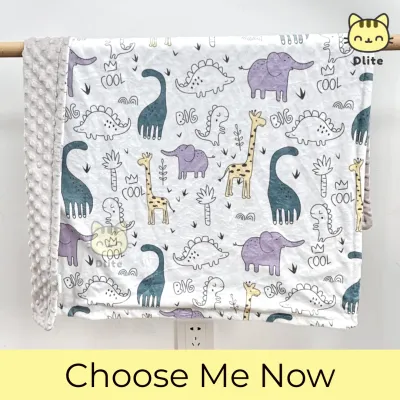
![[SG Stock] Super Soft Baby Kids Blanket Plush Minky Dot backing / Toddler Childcare Center Aircon Blanket (2 Size)](https://img.lazcdn.com/g/p/f863e1828cb9110bae5c6d7fa91c7123.jpg_400x400q80.jpg_.webp)
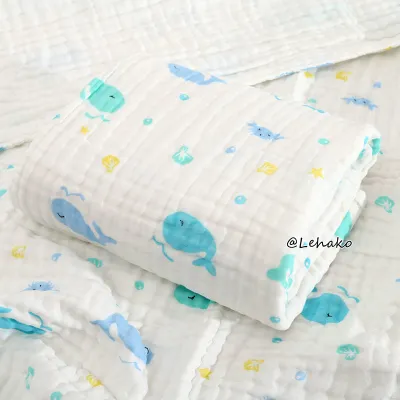
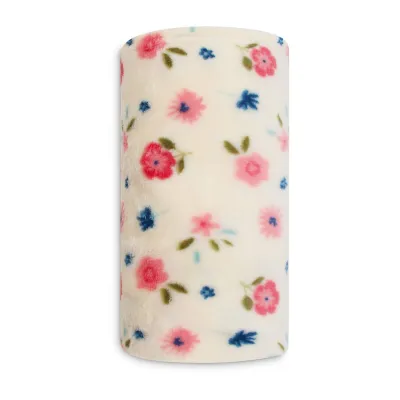
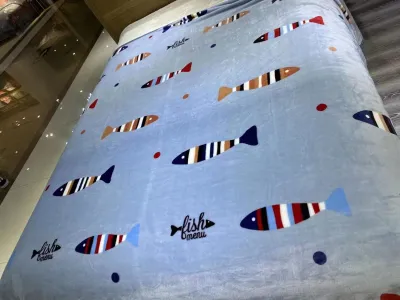
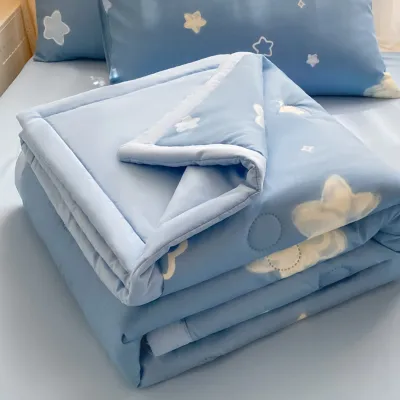
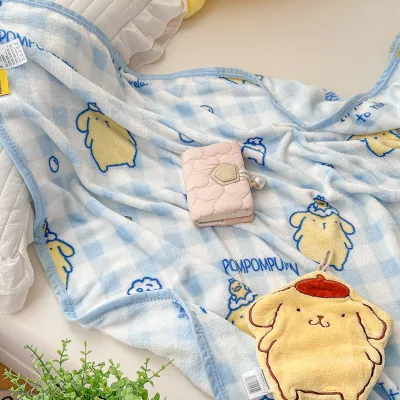
Prices are valid at publication and may change. Please refer to the product page for the latest price.
A safe kids blanket must also balance tactile softness with structural integrity. Loose threads, decorative attachments, or overly heavy fabrics can present immediate physical hazards, including choking, restriction of movement, or suffocation. Understanding these material dynamics allows you to look past cute patterns and evaluate blankets based on their actual safety and performance characteristics.
Best Blanket Materials for Kids: Comfort and Safety Compared
Different fibers offer distinct advantages depending on your child’s age, skin sensitivity, and the sleeping environment. Comparing the most common materials helps you identify the best fit for your household’s specific needs.

Cotton and Muslin: Breathable and Gentle
Pure 100% cotton is a natural, plant-based fiber that remains the premier choice for children’s bedding. It is inherently hypoallergenic, highly absorbent, and exceptionally gentle on delicate skin. Because cotton fibers allow air to circulate freely, they naturally wick moisture away from the body, helping to keep your child dry and comfortable throughout the night.
Muslin is a specialized, loose plain-weave cotton that is incredibly lightweight and breathable. This open weave allows for maximum airflow, making muslin blankets highly effective at preventing overheating. In Singapore’s tropical climate, a lightweight muslin blanket is ideal for daytime naps under a fan or for light layering in mildly air-conditioned rooms.
A key practical benefit of cotton and muslin is their durability. Unlike synthetic alternatives that may degrade or stiffen, high-quality cotton and muslin blankets typically become softer with every wash. This resilience makes them excellent for daily use, easily handling the frequent laundry cycles required for children’s bedding.
Bamboo Viscose: Silky and Temperature-Regulating
Bamboo viscose, often labeled as bamboo rayon, has become increasingly popular due to its exceptionally smooth, silky texture. The individual fibers are naturally round and smooth, which minimizes friction against dry, sensitive, or easily irritated skin. This makes it an outstanding option for children who find standard fabrics scratchy or uncomfortable.
The primary performance advantage of bamboo viscose is its superior temperature-regulating capability. It feels cool to the touch and has high moisture-wicking properties, absorbing moisture away from the skin much faster than cotton. This cooling effect is highly beneficial for children sleeping in warm rooms, while still providing comfortable insulation in cooler, air-conditioned spaces.
However, bamboo viscose requires careful maintenance to preserve its qualities. The silky fibers are more prone to pilling, snagging, and stretching if subjected to harsh washing cycles. To maintain the blanket’s structural integrity, manufacturers generally recommend washing bamboo textiles in cold water on a gentle cycle, using a mesh laundry bag, and line drying or tumble drying on low heat.
Fleece and Microfiber: Warm and Lightweight
Fleece and microfiber are synthetic fabrics made primarily from polyester. They are highly valued for their plush, velvety texture, lightweight feel, and rapid drying times. These blankets provide immediate, cozy warmth, making them highly appealing to older children who enjoy a soft, cuddly texture.
Because synthetic fibers are less breathable than natural plant-based options, they tend to trap heat and moisture close to the body. Consequently, fleece and microfiber blankets are generally not recommended for infants or toddlers who are prone to overheating. They are, however, highly suitable for older children sleeping in heavily air-conditioned bedrooms where temperatures are set lower.
When selecting synthetic blankets, it is important to check the product specifications for high-quality, anti-pilling treatments. Low-quality fleece can shed microfibers and generate significant static electricity. Static buildup can attract airborne dust, pet hair, and dander, which may irritate a child’s respiratory system or trigger allergies during sleep.
Blanket Fabrics to Avoid or Use with Caution
While many fabrics are suitable for children, certain materials and construction styles pose direct risks to their skin health and physical safety.
- Coarse or Unlined Wool: Although wool is a natural fiber with excellent insulating properties, raw or coarse wool is highly abrasive. It can cause immediate scratching, redness, and flare-ups on sensitive skin. Furthermore, wool retains a high level of heat, making it impractical and unsafe for the warm Singapore climate, where it can easily cause overheating.
- Loose-Knit, Chunky Chenille, or Crochet Weaves: Heavy, open-weave blankets present severe physical safety hazards for infants and young toddlers. Small fingers and toes can easily become entangled in the wide gaps, which can restrict blood circulation or cause injury. Additionally, chunky knits often use loosely spun yarns that shed fibers easily, presenting a choking or inhalation hazard if a child puts the fabric in their mouth.
- Heavily Treated Synthetics: Some budget-friendly synthetic blankets are treated with harsh chemical finishes, dyes, or flame retardants. These chemicals can emit strong odors, known as off-gassing, which can irritate a child's sensitive respiratory tract and trigger contact allergies. If a blanket has a strong chemical or synthetic smell upon opening, it is best to avoid using it.
How to Verify Safety and Quality Before You Buy
To ensure a kids blanket meets high safety and comfort standards, you can perform several simple checks when shopping online or in-store.
First, always inspect the product label for the exact fiber composition. Avoid products that use vague marketing terms like “ultra-soft blend” without listing the specific percentages of each material (for example, “100% cotton” or “70% bamboo viscose, 30% cotton”). Knowing the precise fabric content helps you avoid paying premium prices for cheap polyester blends.
Second, look for independent, globally recognized textile safety certifications. The Oeko-Tex Standard 100 certification ensures that every component of the blanket—including threads, buttons, and dyes—has been tested for harmful substances and is safe for human health. For organic materials, the Global Organic Textile Standard (GOTS) verifies that the fibers were grown and processed under strict environmental and toxicological criteria.
Finally, conduct a quick physical inspection of the blanket. Hold the fabric up to the light to evaluate the tightness and uniformity of the weave; a loose or uneven weave may unravel quickly or trap small fingers. Run your hands along the seams to confirm they are flat, soft, and finished with smooth thread rather than scratchy nylon. Ensure there are no loose threads, hanging loops, or small decorative attachments like tassels, buttons, or pom-poms, which can easily detach and become choking hazards.
Washing and Care Tips to Maintain Softness and Hygiene
Proper laundry care is essential to keep your child’s blankets hygienic, soft, and free from irritating residues.
Always wash any newly purchased blanket before its first use. This initial wash removes manufacturing dust, starches used to stiffen fabrics for display, and any chemical residues left behind during shipping and handling. It also helps to soften the fibers before they come into contact with your child’s skin.
Use a mild, fragrance-free, and hypoallergenic liquid detergent formulated for sensitive skin. Avoid using fabric softeners or dryer sheets; these products work by leaving a thin chemical coating over the fibers, which significantly reduces the fabric’s natural breathability and moisture-wicking abilities while potentially irritating sensitive skin.
Always refer to the manufacturer’s care label on the blanket for specific water temperature and drying instructions. As a general rule, washing in cold or lukewarm water and drying on low heat or line drying will prevent shrinkage, preserve fiber strength, and minimize pilling. This ensures the blanket remains plush, comfortable, and safe for long-term use.
Frequently Asked Questions (FAQ)
What is the best blanket material for a child with eczema?
For children with eczema, the best materials are exceptionally smooth, natural, and highly breathable fabrics, such as 100% organic cotton or high-quality bamboo viscose. These fibers minimize friction against dry, inflamed skin and allow body heat to escape. Parents should strictly avoid rough textures like wool and synthetic fabrics like polyester, which trap sweat and heat—both of which are common triggers for eczema flare-ups.
Are weighted blankets safe for young children?
No, weighted blankets are generally unsafe for infants and toddlers due to the severe risks of suffocation, entrapment, and restricted breathing. Their developing muscles and respiratory systems are not strong enough to move under or push off heavy loads. Before introducing a weighted blanket to an older, school-aged child, parents must consult a pediatrician to ensure the blanket’s weight is safe and appropriate for the child’s specific body weight and motor skills.
Community discussion
Share your experience or ask a question. Comments are reviewed before publication.