
Choosing the perfect twinkle lights deco setup involves matching the technical specifications of your light strands—such as color temperature, bulb profile, and wire material—to the existing textures and lines of your living space. Rather than treating decorative lighting as an afterthought, integrating it intentionally can alter the perceived scale of a room, highlight architectural features, and establish a distinct mood. The key lies in aligning the visual weight of the light fixture with the design language of your interior, ensuring that the installation looks as polished during the day when turned off as it does when illuminated at night.
Understanding Twinkle Light Specifications for Room Aesthetics
To achieve a cohesive interior design, you must first understand how the technical specifications of twinkle lights dictate their visual impact. The most critical factor is color temperature, measured on the Kelvin (K) scale. Warm white lights, typically ranging from 2200K to 3000K, emit a soft, golden glow that mimics candlelight, making them ideal for creating cozy, intimate, and relaxing environments. In contrast, cool white lights (5000K and above) offer a crisp, blue-toned brightness that aligns with modern, high-energy, or clinical spaces, while neutral white (around 4000K) provides a balanced, clean daylight effect.
Bulb design also plays a major role in defining the room’s character. Micro LEDs, often referred to as fairy lights, are tiny, dewdrop-shaped diodes embedded directly into thin wire, offering a subtle, minimalist sparkle that does not distract from surrounding decor. Globe bulbs, which feature spherical plastic or glass covers, have a more pronounced physical presence and act as distinct design statements. Edison-style bulbs, with their visible faux-filaments and tinted glass, deliver a vintage, industrial aesthetic that commands attention even when unlit.
Products mentioned in this guide
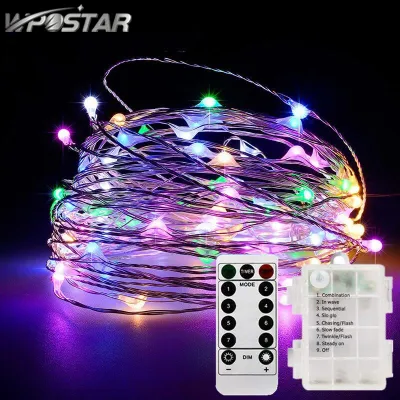
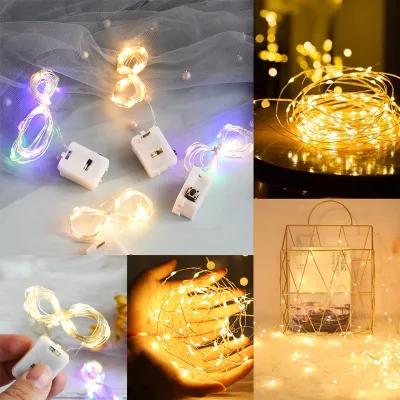
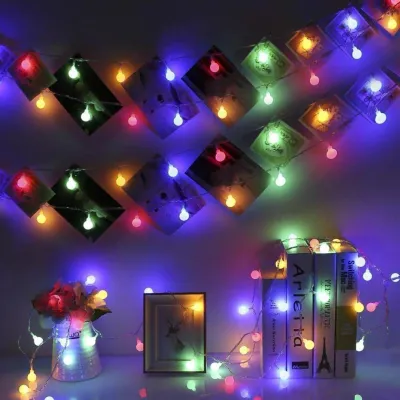
![[SG SELLER FAST DELIVERY] 3M 20LED Photo Clips String Light Fairy Twinkle Wedding Party Christmas Deco Home](https://img.lazcdn.com/g/p/1ec1bf027fbe2f82b64321025b65f818.jpg_400x400q80.jpg_.webp)
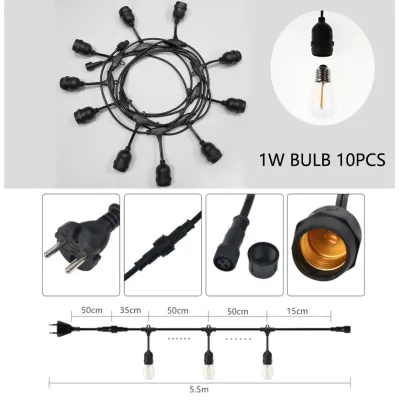
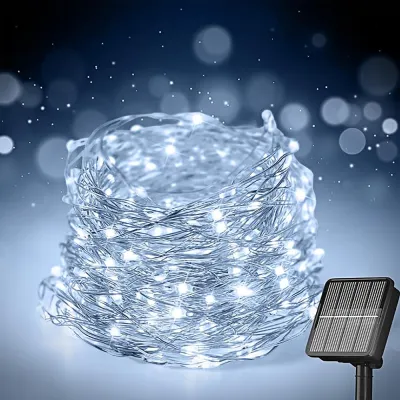
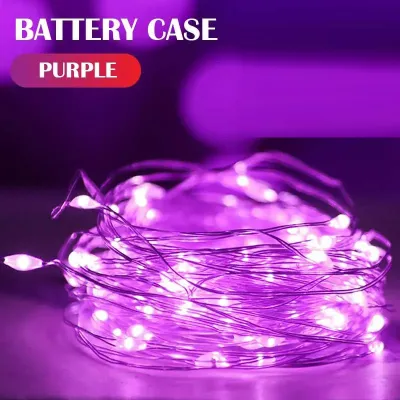
Prices are valid at publication and may change. Please refer to the product page for the latest price.
Furthermore, the physical wire connecting the bulbs must be selected to match your room’s color palette. Bare copper or silver wires are highly flexible and virtually disappear against light-colored walls or within glass containers, making them excellent for delicate displays. PVC-coated wires, available in green, black, or white, are thicker and more rigid, which is useful for structural installations but requires careful concealment if they do not match the background surface. Fabric-covered or rattan-wrapped cords offer an organic, tactile quality that complements natural textures.
When selecting any decorative lighting, always verify the electrical specifications to ensure safety and compatibility. Look for products that carry local safety certifications, such as the Enterprise Singapore Safety Mark on the power adapter, which verifies that the device has been tested against electrical hazards. Check the input voltage (typically 220V to 240V for direct mains power) and ensure that any low-voltage systems utilize a compatible, certified transformer. Additionally, if you plan to adjust the brightness levels, confirm whether the LED driver supports dimming, as non-dimmable LEDs can flicker or suffer premature failure when connected to standard dimmer switches.
Matching Twinkle Lights Deco to Popular Room Decoration Styles
Every interior design style has a unique set of textures, colors, and spatial arrangements. To integrate twinkle lights deco elements seamlessly, you must select strands that complement rather than clash with these established design rules.

Minimalist and Modern Interiors
Modern and minimalist spaces prioritize clean lines, open areas, and an absence of unnecessary clutter. For these environments, the goal of decorative lighting is to enhance the existing architecture without adding visual noise. Cool or neutral white micro LEDs on ultra-thin silver or copper wire are the ideal choice here, as their delicate profile keeps the focus entirely on the light effect rather than the hardware.
Placement in modern rooms should be deliberate, structured, and integrated into the architecture. Instead of draping lights loosely across furniture, tuck micro LED strands behind floating shelves, inside architectural coves, or along the underside of cabinets to create a sophisticated wash of indirect light. Another elegant option is to coil a single strand of silver-wire fairy lights inside a frosted glass vessel or a geometric concrete vase, turning the light source into a self-contained, sculptural art piece that respects the clean aesthetic of the room.
Bohemian and Rustic Themes
Bohemian and rustic designs celebrate warmth, rich textures, and organic materials like wood, clay, and woven fibers. To match this earthy, lived-in aesthetic, opt for warm white globe or Edison-style bulbs that emit a soft, amber glow. The physical wires should feel like a natural extension of the room’s decor, so look for strands featuring dark-colored, fabric-covered, or rattan-wrapped cords that blend with natural wood tones.
Draping techniques in these spaces should feel casual and organic rather than rigid or symmetrical. Try weaving a strand of globe lights through a macrame wall hanging, allowing the bulbs to nestle gently within the knots of the cotton cord. You can also drape lights loosely over a reclaimed wooden bed frame, wrap them around exposed ceiling beams, or place them inside woven rattan baskets on the floor to cast intricate, textured shadows across the room, enhancing the cozy, layered feel of the space.
Romantic and Glamorous Bedrooms
For bedrooms where the objective is to create a soft, dreamy, and highly decorative sanctuary, lighting should be layered to build depth and drama. Warm white curtain lights, cascading canopy drapes, or specialty star-shaped bulbs are perfect for establishing a whimsical, romantic atmosphere. The key is to soften the light source, ensuring the glow is diffuse and gentle on the eyes.
To maximize the romantic effect, layer your twinkle lights behind sheer, lightweight fabrics like organza or tulle draped over a bed canopy or headboard. This diffuses the light, transforming individual bright points into a soft, ethereal glow. You can also frame a vanity mirror with delicate fairy lights to add a flattering, functional sparkle, or hang vertical light curtains behind a full-length floor mirror to bounce the light around the room, making a compact bedroom feel more spacious and magical.
Practical Tips for Sizing, Power, and Placement
Achieving a professional-looking installation requires precise planning, particularly when measuring for layouts in compact apartments, such as typical Singapore HDB flats or condominiums. When calculating the length of the light strand you need, never rely on straight-line measurements. Always account for the natural sag, draping curves, or wrapping spirals of the installation. A good rule of thumb is to add at least 15% to 20% more length than the linear distance of the area you are decorating to ensure the lights hang gracefully without being pulled taut.
Your choice of power source will significantly impact both the convenience and the neatness of your display. Battery-operated twinkle lights offer maximum placement flexibility because they do not require proximity to a wall outlet, making them ideal for small decorative accents, table centerpieces, or rental homes where drilling is restricted. However, for primary installations that remain on for several hours daily, plug-in or USB-powered options are far more practical and sustainable, eliminating the need for frequent battery replacements. For modern convenience, look for USB-powered strands that can connect to smart plugs, allowing you to integrate your twinkle lights into smart home routines or set automatic timers.
Managing and concealing unsightly cords, battery boxes, and plugs is essential to maintaining a clean aesthetic. You can easily hide bulky battery packs by placing them inside decorative storage boxes, hollowed-out faux books on a shelf, or behind strategically positioned potted plants and picture frames. For plug-in models, run the lead wire along baseboards or behind furniture legs using clear adhesive wire clips, ensuring the path to the wall outlet remains hidden from view and free of tripping hazards.
Safe Installation and Wall Protection
Installing twinkle lights should never come at the expense of your walls, paintwork, or electrical safety. Before hanging lights on any furniture or delicate surfaces, check the manufacturer instructions for both the light strand and the treated item to ensure compatibility. If instructions conflict or the surface material is unidentified, stop and consult the manufacturer or a professional installer. To protect plaster, drywall, or wallpaper, avoid using nails, staples, or heavy-duty mounting tapes that can tear the surface when removed. Instead, opt for damage-free adhesive clips, transparent plastic hooks, or reusable adhesive putty. When applying adhesive hooks, clean the wall surface with rubbing alcohol first to ensure a strong bond, and always follow the manufacturer’s instructions for removal to prevent peeling the paint.
While modern LED twinkle lights are highly energy-efficient and emit minimal heat compared to traditional incandescent bulbs, electrical safety remains a priority. The LED diodes themselves generally stay cool to the touch, but the associated power adapters, transformers, and battery packs can generate noticeable warmth during extended use. Always ensure these components are placed in well-ventilated areas, away from thick, flammable fabrics, paper decorations, or enclosed unventilated spaces.
Before completing your setup, carefully review the manufacturer’s indoor use guidelines. Never connect more strands together than the manufacturer specifies, as daisy-chaining excessive light strings can overload the circuit and damage the built-in transformers. If you need to use an extension cord, ensure it is rated for the total wattage of all connected devices, and position it away from high-traffic walkways to prevent accidental pulling. For high-ceiling installations that require working at height, or if you plan to hardwire decorative elements into your home’s electrical grid, always isolate the power at the main distribution board and consult a qualified electrician to handle the installation safely.
Frequently Asked Questions (FAQ)
Can I use outdoor-rated twinkle lights for indoor decoration?
Yes, outdoor-rated twinkle lights are perfectly safe to use indoors and often offer superior durability, water resistance, and robust construction. However, you should consider the aesthetic trade-offs before installing them in a delicate indoor setting. Outdoor light strands typically feature much thicker, heavy-duty PVC insulation and bulkier power adapters designed to withstand weather elements, which can look visually heavy and difficult to conceal against refined indoor furniture or light-colored walls.
How do I prevent twinkle lights from tangling when storing them?
To prevent frustrating tangles and protect the delicate internal wiring of your twinkle lights, never bundle them loosely into a drawer or box. Instead, wrap the light strands systematically around a sturdy piece of flat cardboard, a clean plastic spool, or a cardboard tube from a paper towel roll. Secure the loose ends with a twist tie or a piece of painter’s tape, and store the wrapped lights in a cool, dry place away from heavy items that could crush the delicate LED diodes.
Community discussion
Share your experience or ask a question. Comments are reviewed before publication.