
To find the solar light brands that offer the best waterproof protection for Singapore’s frequent rain, you must look beyond generic marketing labels and evaluate specific engineering standards. The most reliable brands are those that provide fully documented Ingress Protection (IP) ratings—specifically IP65 or IP67—backed by clear warranty terms and robust physical sealing. In a tropical climate characterized by sudden downpours and high relative humidity, relying on vague “waterproof” claims often leads to premature fixture failure.
By understanding how to verify these specifications and inspect the physical build quality of outdoor lighting, you can make an informed investment. This guide establishes a practical framework to help you identify truly durable fixtures capable of surviving intense monsoon seasons.
Understanding IP Ratings for Tropical Climates
Ingress Protection (IP) ratings are international standards defined by the International Electrotechnical Commission (IEC). They provide a clear, standardized measure of a fixture’s resistance to solids and liquids. The code always consists of two digits: the first digit (ranging from 0 to 6) indicates protection against solid objects like dust, while the second digit (ranging from 0 to 9) measures protection against water ingress.
Products mentioned in this guide
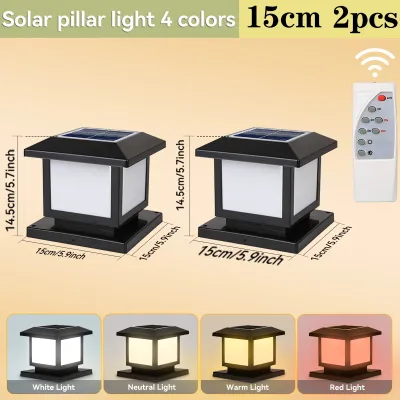
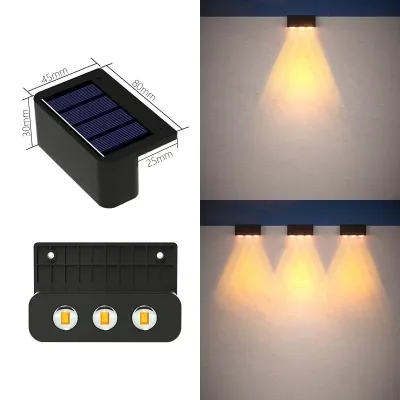
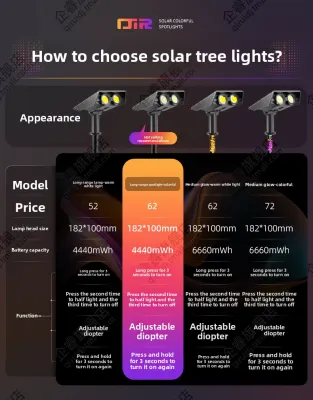
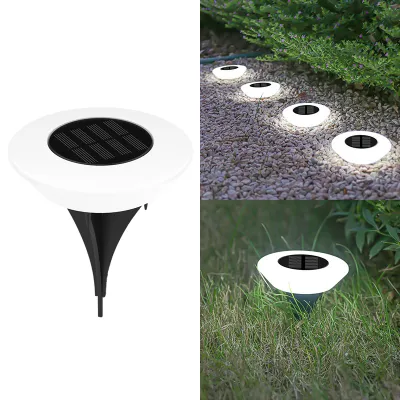
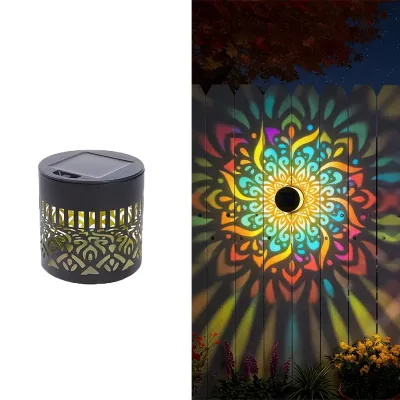
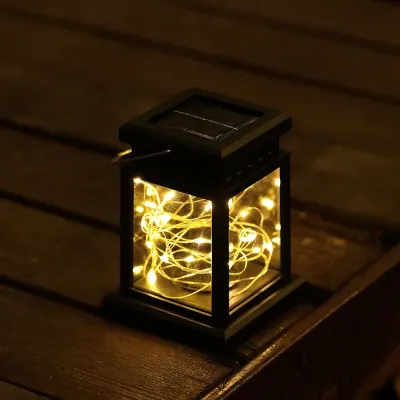
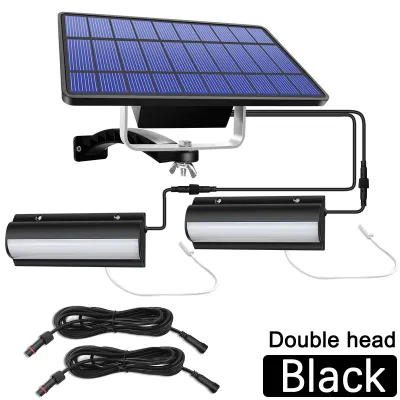
Prices are valid at publication and may change. Please refer to the product page for the latest price.
For outdoor solar lights exposed to Singapore’s climate, the second digit is the most critical metric to analyze. A rating of IP44 indicates protection against splashing water from any direction, which is generally sufficient only for sheltered areas like covered balconies or under deep roof eaves. When exposed to direct, driving rain, IP44 fixtures often succumb to moisture ingress because they cannot withstand the dynamic pressure of wind-driven downpours.
For fully exposed garden paths, lawns, and exterior walls, IP65 is the industry-standard baseline. An IP65 rating means the fixture can withstand water projected by a nozzle from any direction, simulating heavy tropical rain. If you are installing ground-level well lights or deck lights in low-lying areas prone to temporary water pooling during intense storms, look for an IP67 rating, which certifies that the fixture can survive temporary immersion in water up to one meter deep for 30 minutes.
Always verify these ratings by checking the manufacturer’s official technical specification sheets rather than relying on retail titles on ecommerce platforms. Genuine brands will clearly list the exact IP rating in their product documentation, whereas lower-quality alternatives often use unverified buzzwords like “rainproof” or “monsoon-ready” without any numerical backing.
Key Design Features That Prevent Water Damage
While an IP rating indicates how a fixture performs in a controlled laboratory setting, its long-term durability depends on physical design features. Over time, exposure to high humidity, intense UV radiation, and temperature fluctuations can degrade the materials that keep water out. Inspecting these physical components before purchasing is essential for securing a long-lasting installation.

First, evaluate the sealing materials used around critical entry points, such as the battery compartment, power switches, and the edges of the solar panel. High-quality fixtures utilize silicone gaskets or O-rings, which remain flexible and maintain their sealing properties under extreme temperature shifts. Cheaper fixtures often use standard rubber seals that dry out, crack, and harden within a few months of tropical exposure, creating pathways for moisture to enter.
Second, examine the construction of the battery compartment and switches. These are the most common failure points in outdoor solar lights. Reliable designs feature sealed battery bays secured with screws and silicone-encased or membrane-covered power switches. Avoid fixtures with exposed slide switches on the underside, as rising humidity and ground moisture will quickly corrode the internal contacts.
Third, assess the housing materials. Marine-grade aluminum, passivated stainless steel, high-grade ABS plastic with UV inhibitors, and polycarbonate are excellent choices for tropical environments. Standard plastics without UV stabilizers degrade rapidly under intense sunlight, leading to micro-cracks that compromise the waterproof seal. Additionally, look for structural designs that incorporate sloped solar panels and beveled edges to encourage water runoff, preventing water from pooling on top of the fixture.
Finally, consider the mounting and drainage design. Some advanced ground lights feature integrated drainage channels on the underside of the casing, allowing any water that gets behind the outer bezel to drain away safely without reaching the electrical housing. Elevated mounting options, such as taller ground spikes or wall brackets, also help keep the critical electrical components well above saturated soil and splashing mud.
How to Evaluate Brand Waterproof Claims
When shopping for solar lights outdoor, you will encounter numerous brands making bold claims about durability. Without independent laboratory testing data for every product, you must use a systematic verification framework to separate reliable manufacturers from low-quality options.
Start by downloading the product manual or technical specification sheet from the brand’s official website before making a purchase. Look for explicit references to international testing standards, such as IEC 60529. If a brand cannot provide a formal specification sheet or manual detailing these standards, treat their waterproof claims with caution. Reliable manufacturers are transparent about their engineering and testing protocols.
Next, carefully analyze the manufacturer’s warranty terms. A brand that is confident in its waterproofing engineering will offer a clear warranty that covers moisture ingress, seal degradation, or water-related electrical failures for at least 12 to 24 months. Read the fine print carefully; if a product marketed as “waterproof” explicitly excludes water damage from its warranty coverage, it is a major red flag that indicates a lack of durability.
Be skeptical of extreme claims that seem inconsistent with the product’s price point. For example, a very cheap plastic path light claiming an IP68 rating (suitable for continuous submersion) is highly unlikely to meet those standards, as genuine IP68 engineering requires specialized hermetic sealing and pressure testing that increases production costs. Investing S$30 to S$50 on a certified, well-constructed fixture from a reputable lighting brand is generally more cost-effective over time than repeatedly replacing cheap, uncertified lights.
Additionally, verify the electrical specifications of the fixture. Ensure the battery voltage (typically 1.2V for NiMH or 3.2V to 3.7V for Li-ion) and charging limits are clearly stated. The solar panel wattage must be sufficient to fully charge the battery even on overcast monsoon days, as undercharged batteries are more susceptible to voltage drops and subsequent circuit failure when moisture is present in the air.
Installation and Maintenance for Monsoon Seasons
Even the highest-quality waterproof solar lights can fail if they are installed incorrectly or neglected during extreme weather cycles. Proper placement and routine maintenance are essential to preserve the integrity of the waterproof seals and ensure the longevity of your outdoor lighting system.
When planning your installation, avoid placing ground lights in natural depressions, clay-heavy soil zones, or directly under roof valleys where concentrated streams of water fall during heavy downpours. Even an IP67-rated light can fail if subjected to continuous, high-velocity water streams or prolonged submersion beyond its rated limits. Position your fixtures on slightly elevated mounds, well-draining gravel beds, or raised garden borders to facilitate rapid water runoff.
Routine cleaning is another critical maintenance task. In humid tropical climates, algae, mold, bird droppings, and fine dust accumulate rapidly on the surface of solar panels. This buildup blocks sunlight, reducing charging efficiency, and can eventually degrade the protective glass or epoxy coating. Wipe the panels regularly with a soft, damp microfiber cloth, and avoid using harsh chemical cleaners or abrasive pads that can scratch the surface or degrade the surrounding silicone seals.
Perform a physical audit of your outdoor lights twice a year, ideally before the onset of the monsoon seasons. Inspect the housing for any signs of physical damage, and check the seals for hardening, cracking, or debris buildup. Clean any dirt out of the gasket tracks and ensure that all assembly screws are tightened evenly to maintain uniform pressure on the seals. If you notice any degraded seals, replace them immediately or contact the manufacturer for compatible replacement parts.
Finally, establish clear stop conditions for your fixtures. If you notice internal condensation, persistent fogging behind the lens, or erratic light behavior—such as flickering or failing to turn off—take immediate action. Turn off the fixture using the external switch, remove the batteries if possible, and allow the components to dry completely indoors. Operating a compromised solar light can lead to permanent battery corrosion, short circuits, or damage to the LED driver.
Frequently Asked Questions (FAQ)
Can I leave outdoor solar lights out during a severe thunderstorm?
Yes, high-quality solar lights outdoor with a verified IP65 or IP67 rating can safely remain outside during standard tropical thunderstorms. However, if the fixtures are older and the silicone seals have degraded from UV exposure, extreme wind-driven rain can force water past the compromised barriers. If a severe weather warning predicts prolonged torrential downpours or localized flooding, it is wise to temporarily remove ground-level lights or fixtures with older seals to prevent water damage. Always refer to the manufacturer’s guidelines regarding extreme weather limits.
What should I do if water gets inside the solar light fixture?
If you detect moisture or condensation inside the fixture, act quickly to prevent permanent damage. First, turn off the light using the external switch to isolate the circuit. Carefully open the battery compartment, remove the rechargeable batteries, and wipe away any visible water. Place the disassembled components in a dry, well-ventilated indoor area for at least 24 to 48 hours to dry completely. Inspect the circuit board for signs of corrosion or rust. Once dry, check the integrity of the silicone gasket before reassembling. If the unit fails to operate or shows heavy corrosion, check your warranty terms or contact the manufacturer for support.
Community discussion
Share your experience or ask a question. Comments are reviewed before publication.