
Selecting outdoor decorative lights that can survive Singapore’s intense tropical climate requires looking past marketing claims and focusing on verifiable technical specifications. The combination of relentless humidity, high ultraviolet (UV) exposure, and sudden monsoon downpours will quickly degrade standard indoor lights or poorly constructed outdoor alternatives. To ensure your decorative lighting remains safe and functional year-round, you must evaluate the physical construction, ingress protection ratings, and electrical safety certifications of each product. By focusing on these measurable standards, you can confidently select lighting setups that withstand the elements without relying on unpredictable brand reputations.
How Singapore's Tropical Climate Affects Outdoor Decorative Lights
Singapore’s weather presents a unique set of challenges for outdoor electrical installations, primarily driven by high relative humidity that frequently hovers around 80% to 100%. This constant moisture in the air easily finds its way into microscopic gaps in light casings, leading to internal condensation. Over time, this trapped moisture corrodes delicate copper wiring and solder joints, causing premature failure or short circuits that can trip your home’s residual current circuit breaker (RCCB).
In addition to moisture, the equatorial sun delivers intense UV radiation and high ambient temperatures daily. Prolonged exposure to UV rays breaks down the chemical bonds in standard plastics, causing wire insulation to become brittle, crack, and peel away. Once the outer protective jacket is compromised, the internal live wires are exposed to both the elements and touch, creating a severe electrical hazard.
Products mentioned in this guide
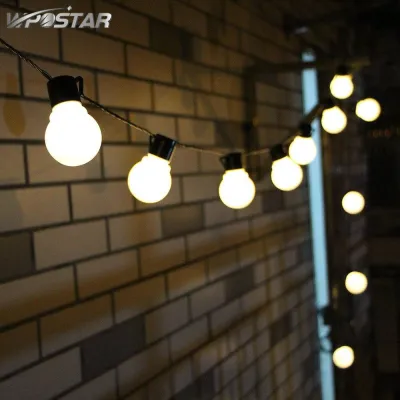
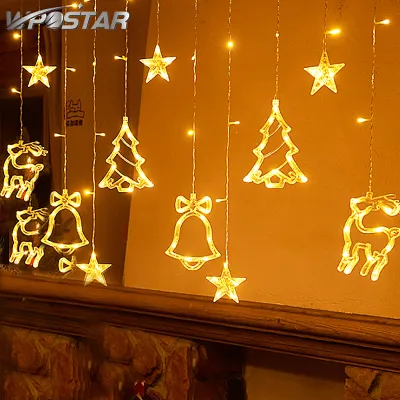
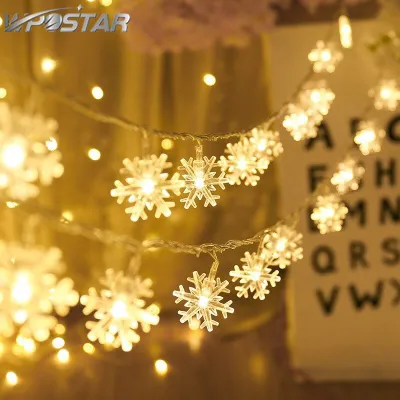
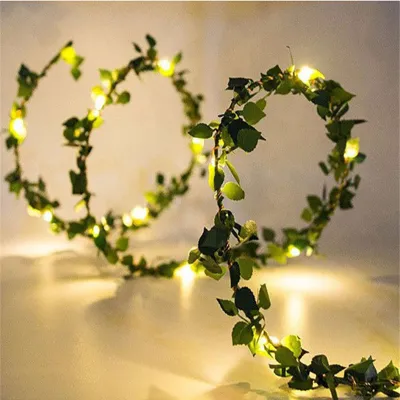
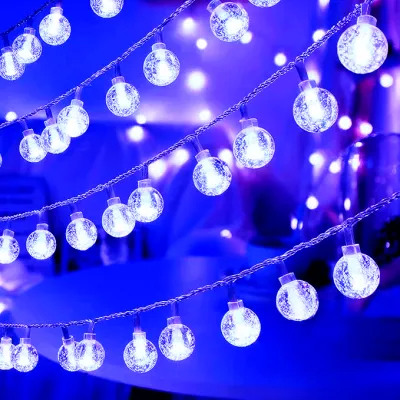
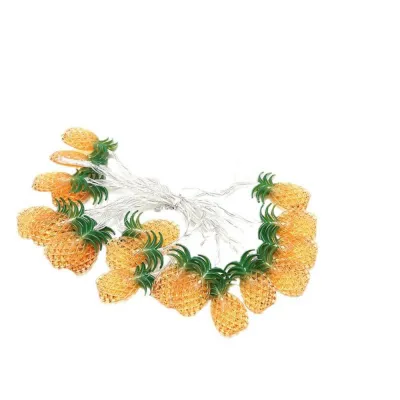
Prices are valid at publication and may change. Please refer to the product page for the latest price.
The situation escalates during monsoon seasons, when sudden, heavy downpours subject outdoor fixtures to high-velocity water droplets and temporary pooling. Standard splash-proof lights are often insufficient during these torrential storms, as wind-driven rain can force water into seals that are only rated for vertical drops. Understanding these environmental stressors highlights why indoor-rated lights must never be used outdoors, and why outdoor lights require robust, specialized construction.
Essential Weather-Resistance Specifications to Compare
The most reliable way to gauge a decorative light’s ability to withstand water and dust is by checking its Ingress Protection (IP) rating, which consists of two digits. The first digit (0 to 6) measures protection against solid objects like dust, while the second digit (0 to 9) measures protection against liquids. For outdoor decorative lights in Singapore, you should look for a minimum rating of IP44 for semi-sheltered areas like covered balconies, which protects against splashes from any direction.

For fully exposed areas such as open gardens, rooftops, or perimeter fences, an IP65 or IP66 rating is highly recommended. An IP65 rating indicates the product is completely dust-tight and can withstand low-pressure water jets from any angle, making it resilient against heavy monsoon rains. If you plan to install lights in low-lying garden areas prone to temporary water pooling during flash floods, look for IP67-rated fixtures, which can survive temporary immersion in water.
Beyond IP ratings, the material composition of the wire insulation is critical for long-term durability under the tropical sun. Look for heavy-duty rubber (such as chloroprene or neoprene) or UV-stabilized PVC cabling rather than thin, clear plastic wires often found on cheap fairy lights. Rubber cables remain flexible and resist cracking under high heat and UV exposure, ensuring the internal conductors remain safely insulated over years of use.
Finally, inspect the construction of the connectors, end-caps, and joints where individual light strings connect. High-quality outdoor lights feature threaded, screw-together connectors equipped with internal rubber O-rings or silicone gaskets that compress to form a watertight seal. If the lights use a battery box or an inline controller, ensure these components also feature thick rubber seals around the compartment edges and rubber-booted buttons to prevent water ingress.
Power Source Options and Electrical Safety Checks
When planning your outdoor decorative lighting, you must choose between solar-powered, plug-in, or battery-operated systems, each offering distinct trade-offs in performance and safety. Solar-powered fairy lights are highly convenient for open garden areas because they eliminate the need for running outdoor extension cords. However, their performance depends entirely on receiving several hours of direct, unobstructed sunlight daily, which can be inconsistent during the overcast monsoon months, leading to dimmer output and shorter runtimes at night.
Plug-in decorative lights provide consistent, high-brightness illumination regardless of the weather, making them ideal for covered patios and dining areas. However, they require a safe connection to a mains power outlet, which introduces higher electrical risks if not managed correctly. Battery-operated lights offer excellent portability for temporary events, but the constant need to replace batteries makes them impractical and environmentally unfriendly for permanent outdoor installations.
For any plug-in system used outdoors, the transformer or power adapter is the most vulnerable point of failure. Most outdoor-rated fairy lights operate on low voltage (typically 12V, 24V, or 31V) via a step-down transformer, which is inherently safer than running 230V mains power directly along the light string. Even if the light string itself is waterproof, the plug-in transformer is often only rated for indoor use or IP44 splash resistance, meaning it must be housed inside a weatherproof electrical enclosure (such as an IP56-rated outdoor socket box) or kept strictly sheltered from rain.
In Singapore, it is crucial to verify that any plug-in transformer or power adapter carries the local Safety Mark issued by Enterprise Singapore. This certification indicates the electrical component has been tested and approved for safe use under local voltage standards (230V, 50Hz). Avoid purchasing unbranded electrical adapters from online marketplaces that lack this mark, as they may lack essential short-circuit, overload, and thermal protection, posing a significant fire and shock hazard in wet environments.
Safe Installation Limits for Outdoor Fairy Lights
Installing temporary, low-voltage outdoor decorative lights is generally a safe DIY project, provided you follow basic safety precautions. You can use non-invasive mounting methods such as UV-resistant plastic zip ties, exterior-grade adhesive hooks, or specialized gutter clips to secure the light strings without damaging your home’s exterior. Always ensure the power is completely isolated at the main switch before hanging, adjusting, or handling any electrical components.
When mounting lights to building facades, eaves, or balconies, take care not to compromise the structural integrity or waterproofing membranes of your home. Avoid drilling holes into external walls, window frames, or concrete slabs, as this can create pathways for rainwater to seep into the building structure, leading to internal dampness and concrete spalling. If you must attach fixtures to masonry, use appropriate wall plugs and apply outdoor-grade silicone sealant around the screw holes to maintain a watertight barrier.
There are clear limits where DIY installation must stop and a licensed electrical worker (LEW) must be engaged. If your lighting project involves installing new outdoor power points, running fixed conduit along external walls, or connecting high-voltage (230V) architectural lighting, local regulations require a qualified professional to perform the work. Additionally, if the installation requires working at significant heights, securing heavy suspended loads, or routing cables near swimming pools or water features, professional expertise is essential to ensure compliance with local safety standards and prevent catastrophic failures.
Decision Framework: Matching Light Types to Your Outdoor Space
To select the right decorative lights, you must match the product specifications to the specific environmental conditions of your outdoor space. If you are decorating an open garden, lawn, or exposed rooftop that receives ample sunlight, solar-powered lights with an IP65 rating are the most practical choice. This setup avoids the hassle of routing cables across walkways, eliminating tripping hazards and the need for complex outdoor wiring.
For semi-exposed balconies, covered verandas, or patios, plug-in lights with an IP44 or IP65 rating offer the best balance of brightness and reliability. Since these areas are partially protected from direct rain, you can safely mount the lights along the ceiling or railings, provided the plug-in adapter is connected to an indoor outlet or a certified weatherproof outdoor socket. Opt for warm white tones to create a cozy, inviting ambiance, keeping in mind that color temperature is a matter of personal preference rather than a performance metric.
If your outdoor space includes water features, swimming pools, or areas prone to heavy pooling during monsoon downpours, safety must be your absolute priority. Lights installed within or immediately adjacent to these wet zones must be low-voltage (typically 12V or lower) and carry an IP68 rating, indicating they are fully submersible. Never attempt to install mains-powered lighting near water features yourself; always consult a qualified professional to design and install a safe, low-voltage system equipped with appropriate ground-fault protection.
Frequently Asked Questions (FAQ)
Can I leave outdoor fairy lights on during a heavy thunderstorm?
While high-quality outdoor fairy lights with an IP65 or higher rating are designed to withstand heavy rain, it is safest to turn them off during severe thunderstorms. Extreme weather can bring intense lightning strikes, which can cause power surges in your home’s electrical system and damage connected outdoor electronics. If your lights are connected to an outdoor outlet that is not fully sheltered, or if you are using temporary extension cords, manually disconnecting the power source before the storm hits prevents water-induced short circuits and protects your home’s electrical panel.
How do I safely clean mold or dirt from outdoor light wires?
Over time, Singapore’s humid climate can encourage mold, algae, and dirt accumulation on outdoor light cables. To clean them safely, first disconnect the power source completely by unplugging the lights from the wall. Wipe the wires and bulbs gently using a soft, damp microfiber cloth dipped in a mild solution of warm water and a few drops of dishwashing liquid. Avoid using abrasive scrubbing pads, high-pressure washers, or harsh chemical solvents like bleach or alcohol, as these can degrade the UV-resistant coatings, weaken the plastic insulation, and damage the delicate silicone seals protecting the LEDs. Allow the entire light string to dry completely in a shaded area before plugging it back in.

Community discussion
Share your experience or ask a question. Comments are reviewed before publication.