
Selecting your first incense cones is an exciting step into the world of home fragrance, but the sheer variety of scents, materials, and styles can feel overwhelming. Unlike stick incense, which burns evenly along a thin core, an incense cone releases a gradually intensifying aroma as the fire moves down its widening shape. To make a successful first purchase, you need to evaluate how a cone’s scent profile, burn characteristics, and ingredient quality align with your specific living environment.
By focusing on these core factors, you can avoid common beginner pitfalls, such as purchasing overpowering scents for small rooms or buying low-quality synthetic cones that produce harsh, irritating smoke. A thoughtful approach ensures that your introduction to incense is both safe and sensory-rich.
Assessing Your Space and Scent Preferences
Before browsing online marketplaces or local specialty shops, consider the physical layout of your home. The size of your room and its ventilation system play a critical role in how fragrance disperses and lingers. In compact living spaces, such as typical apartments in Singapore, heavy or highly concentrated scents can quickly become overwhelming. If you primarily use air conditioning or have limited window airflow, opt for lighter, subtler fragrances that disperse easily without leaving a heavy, stagnant cloud of smoke.
Products mentioned in this guide
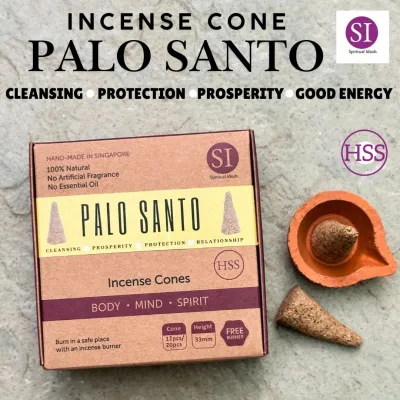
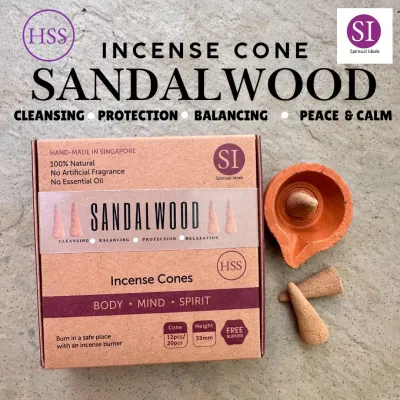
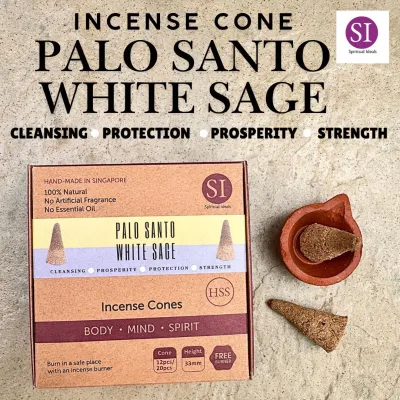
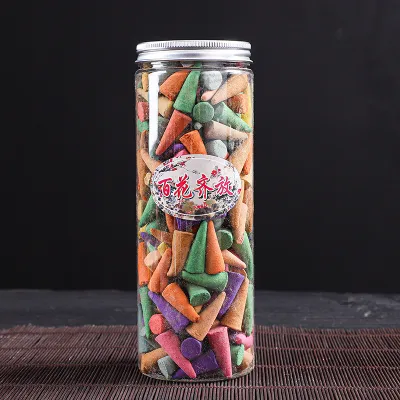
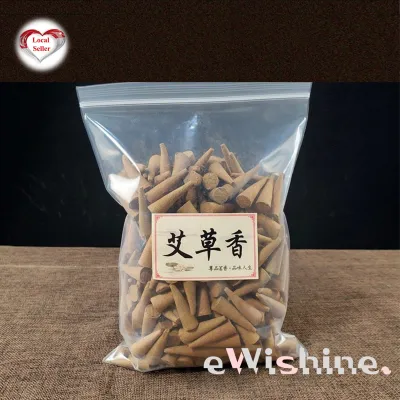
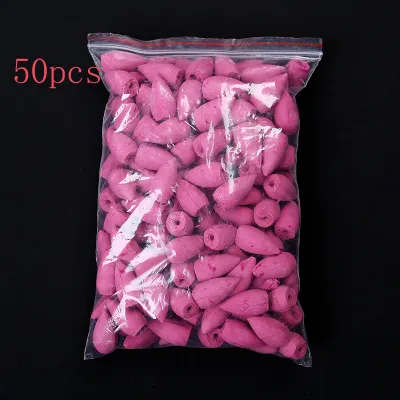
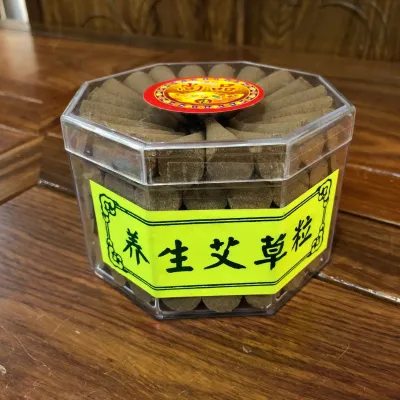
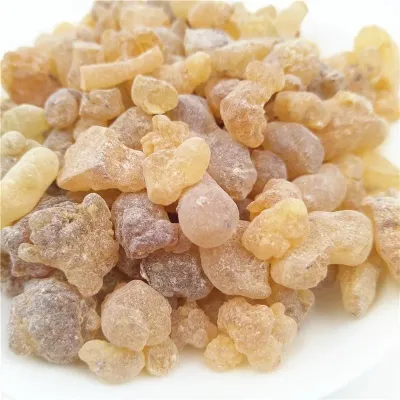
Prices are valid at publication and may change. Please refer to the product page for the latest price.
Scent profiles generally fall into a few primary families, each offering distinct atmospheric effects. Woody scents, such as sandalwood, cedarwood, and pine, are highly grounded and excellent for focus, study, or creating a calm evening environment. Floral scents like lavender, rose, and jasmine tend to be uplifting and relaxing, making them ideal for winding down after a long day. Resinous scents, including frankincense, myrrh, and copal, offer deep, rich, and slightly sweet notes that are traditionally used for meditation or deep relaxation.
It is also vital to recognize your personal sensitivity to fragrances. If you are prone to headaches, sneezing, or respiratory irritation around strong perfumes, you should approach incense with caution. Beginners with sensitive respiratory systems should start with mild woody or herbal scents, which tend to be less aggressive than heavy florals or highly concentrated spice blends.
Evaluating Burn Time and Smoke Output
The physical structure of an incense cone directly dictates its burn time and smoke behavior. Standard incense cones typically burn for 15 to 30 minutes. Because the cone shape widens toward the base, the volume of burning material increases as the ember descends. This means the scent and smoke output will grow noticeably stronger and denser toward the end of the burn cycle, providing a powerful burst of fragrance in a relatively short period.

When selecting cones, consider your daily routine and how much time you want to dedicate to a single session. If you only have a short window of time to relax, a standard cone is highly convenient. However, you must also account for the smoke density. Standard cones produce more visible smoke than traditional sticks. If you live in an enclosed space or prefer a cleaner atmosphere, look specifically for low-smoke varieties, which are formulated to minimize visible emissions while still releasing their aromatic oils.
You can easily judge the quality of a cone’s burn by observing its ash and consistency. A well-made incense cone should burn continuously from tip to base without self-extinguishing. Once the burn is complete, the remaining ash should retain the general shape of the cone for a short time before crumbling. If the cone leaves behind a sticky, dark, oily residue on your burner, it is often a sign of cheap synthetic binders or excessive artificial oils, which can be difficult to clean and may produce a harsh, burnt aftertaste in the air.
Verifying Ingredients and Quality Indicators
Understanding what goes into your incense is crucial for both your health and the quality of the fragrance. High-quality incense cones are crafted from natural raw materials, including finely ground wood powders, natural tree resins, dried herbs, and pure essential oils. These ingredients are bound together using natural, scentless plant-based gums. When burned, these natural components release a clean, complex, and authentic aroma that mimics the original botanical source.
In contrast, mass-produced, budget-friendly cones often rely on synthetic fragrances, chemical dyes, and artificial binders. To keep these cheap materials burning, manufacturers sometimes add chemical accelerants like saltpeter (potassium nitrate) or heavy charcoal bases. While these additives ensure the cone stays lit, they also produce a sharp, acrid smoke that can irritate the throat and lungs. Synthetic fragrances also tend to smell flat, chemical, or overly sweet, lacking the subtle nuances of natural essential oils.
To protect your indoor air quality, always check the packaging for ingredient transparency. Reputable brands will clearly state the natural origin of their wood powders and essential oils. Look for products that explicitly mention 100% natural ingredients or list specific botanical components. Avoid packages that offer no ingredient list, rely on vague terms like “perfume,” or feature unnaturally bright, artificial colors, which indicate the use of chemical dyes.
Selecting a Compatible Burner and Safe Setup
Safety is the most critical aspect of burning incense at home. Because incense cones burn all the way down to their flat base, they transfer an immense amount of heat directly to whatever surface they are resting on. Therefore, you must never burn an incense cone directly on wooden tables, plastic trays, or laminate countertops. A dedicated, heat-resistant burner made of ceramic, stone, brass, or thick glass is absolutely mandatory.
When choosing a burner, ensure the tray or holder is wide enough to catch all falling ash. As the cone burns, the ash will eventually collapse outward. A burner with a wide, shallow dish or a raised lip prevents hot ash from spilling onto your furniture. If you are using backflow incense cones—which direct smoke downward through a hollow center to create a waterfall effect—you must use a specialized backflow burner designed with a matching hole in the mounting platform to facilitate this flow safely.
Always establish strict fire safety boundaries in your home. Place your burner on a stable, level surface far away from open windows, ceiling fans, or air conditioning units, as sudden drafts can blow hot ash onto flammable materials. Keep the burning cone well out of reach of children and pets. Most importantly, never leave a burning incense cone unattended. Once the cone has finished burning, let the ash cool completely before discarding it, or dip the remaining ember in a small cup of water to ensure it is entirely extinguished.
Frequently Asked Questions (FAQ)
Can I use incense cones without a dedicated burner?
While it is highly recommended to use a purpose-built burner, you can create a safe temporary setup using household items, provided they are completely non-flammable and heat-resistant. A small ceramic bowl or a sturdy metal dish filled with clean sand, uncooked rice, or coarse salt can act as an effective insulator. The sand or salt layer will absorb the intense heat from the base of the cone and prevent the dish from cracking or transferring heat to your furniture. Never use thin glass, plastic, or wooden plates, as they can easily melt, crack, or catch fire.
How do I store incense cones to preserve their scent?
To maintain the potency and purity of your incense cones, store them in airtight containers, such as glass jars or metal tins, in a cool, dry place away from direct sunlight. High humidity and temperature fluctuations can cause the natural essential oils to evaporate or degrade, reducing the fragrance quality over time. Additionally, always store different scent families in separate containers. If you store sweet floral cones in the same jar as smoky, resinous ones, the scents will cross-contaminate, resulting in a muddy, confusing aroma when burned.

Community discussion
Share your experience or ask a question. Comments are reviewed before publication.