
Comparing 2-pin LED bulb brands in Singapore requires looking beyond basic price tags to evaluate physical compatibility, energy efficiency, and light quality. Because 2-pin configurations span both mains-voltage and low-voltage systems, selecting the wrong bulb can lead to immediate electrical failure or persistent flickering. By systematically checking base types, reading localized energy labels, and verifying performance metrics like color rendering and dimming compatibility, you can secure long-lasting illumination that minimizes your monthly utility bills.
Identify Your 2-Pin Base Type and Fixture Limits
Before comparing brand specifications, you must identify the exact physical and electrical characteristics of your existing fixtures. The term “2-pin” covers several distinct base types that are not interchangeable. The most common mains-voltage option in Singapore homes is the GU10 base, which features two thick, blunt pins that twist and lock into place. Operating directly on the standard 230V mains supply, GU10 bulbs do not require an external transformer, making them straightforward to replace and compare across brands.
In contrast, low-voltage fixtures typically utilize MR16 bulbs with a GU5.3 base, characterized by two sharp, thin needle-like pins that push directly into the socket. These bulbs operate on 12V and rely on an intermediate transformer to step down the mains voltage. Another common low-voltage variant is the tiny G4 bi-pin bulb, often found in decorative accent fixtures or under-cabinet lighting. Attempting to force a low-voltage bulb into a mains-voltage socket, or vice versa, will damage the bulb and pose an electrical hazard.
Products mentioned in this guide
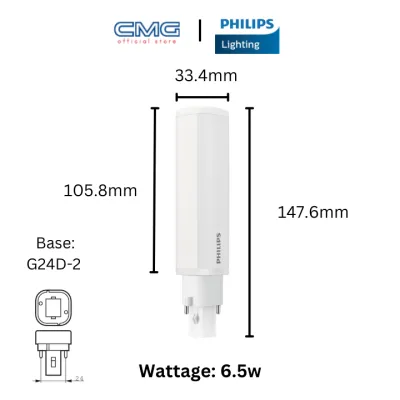
![[SG SELLER ] SUNSHINE led 7W/ 9W LED PLC-2Pin Bulb / led g24d bulb Daylight / Warm-white](https://img.lazcdn.com/g/ff/kf/S0979f09d7d9f4bcb8c59f6de1e55a945B.jpg_400x400q80.jpg_.webp)
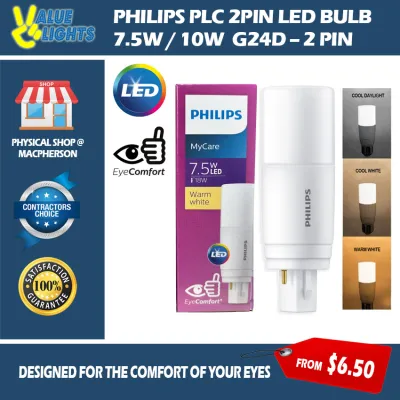
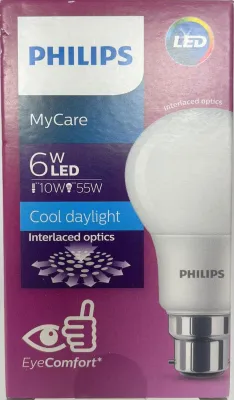
Prices are valid at publication and may change. Please refer to the product page for the latest price.
Physical space within your ceiling or fixture enclosure also dictates which bulb you can buy. Recessed downlight canisters, frequently installed in plaster false ceilings, have limited physical clearance. You must measure the depth and diameter of the fixture cavity before purchasing replacement bulbs. LED bulbs require adequate space around their housing to dissipate heat. If an LED bulb is squeezed into a tightly sealed enclosure without ventilation, heat will build up rapidly, degrading the internal driver components and drastically shortening the bulb’s operating life.
Finally, low-voltage setups require you to verify the compatibility of your existing transformer. Older halogen transformers are designed to deliver high wattages and often fail to recognize the low electrical draw of modern LED bulbs. This mismatch can cause the bulbs to strobe, hum, or fail to light up entirely. Before committing to a specific brand of 12V LED bulbs, check the minimum wattage load printed on your transformer to determine if it can support low-wattage LED technology.
Decode Energy Efficiency and Brightness Labels
Evaluating energy efficiency across different brands is simplified by standardized packaging metrics and local regulatory labels. In Singapore, the National Environment Agency (NEA) administers the Mandatory Energy Labelling Scheme (MELS). When browsing local retailers or online marketplaces, look for the distinctive blue Singapore Energy Label on the bulb packaging. This label displays a tick rating system, where a higher number of ticks indicates better energy efficiency. Comparing the tick ratings of different brands provides a quick, reliable baseline for potential electricity savings.

To perform a deeper technical comparison, calculate the luminous efficacy of each bulb by dividing its total light output (measured in lumens) by its power consumption (measured in watts). This calculation yields the Lumens per Watt (lm/W) ratio. For example, a bulb that produces 400 lumens while consuming 4 watts has an efficacy of 100 lm/W. When comparing brands, prioritize those that offer a higher lm/W ratio rather than relying on vague “watt-equivalent” marketing claims on the front of the box. A higher efficacy means you receive more brightness for every cent spent on electricity.
Long-term performance durability is another critical factor that separates premium manufacturing from budget alternatives. Look closely at the rated lifespan printed on the packaging, which is typically stated in hours. However, lifespan alone does not tell the whole story; you must also check the lumen maintenance factor, often designated as L70. An L70 rating of 15,000 hours means that after 15,000 hours of use, the bulb is expected to retain at least 70% of its original brightness. Brands that clearly state their L70 or L80 metrics demonstrate a commitment to component quality and transparent performance.
Evaluate Performance Metrics Beyond Wattage
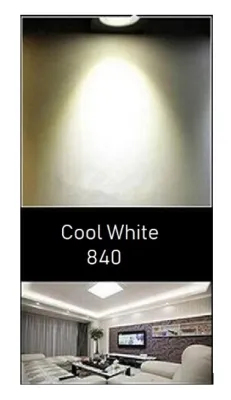
Light quality directly influences the comfort and functionality of your living spaces, making it essential to evaluate performance metrics beyond simple wattage. The Correlated Color Temperature (CCT) determines the color appearance of the light, measured in Kelvin (K). For relaxation areas such as bedrooms and living rooms, a warm white light of 2700K to 3000K creates a cozy, inviting atmosphere. For task-oriented spaces like kitchens, home offices, and bathrooms, a cool white (4000K) or daylight (6500K) color temperature provides the crisp, high-contrast illumination needed for focus and safety.
Color accuracy is measured by the Color Rendering Index (CRI), expressed as an Ra value up to 100. A low CRI can make colors look dull, gray, or unnatural. For general hallways or utility closets, a standard CRI of Ra 80 is perfectly acceptable. However, in dining rooms where food is served, vanity areas where makeup is applied, or spaces displaying artwork, look for brands that offer a high CRI of Ra 90 or above. High-CRI bulbs use advanced phosphors to render colors accurately, enhancing the visual appeal of your home’s interior decor.
If your home features dimmer switches, verifying dimmability is a crucial step in your brand comparison. Not all 2-pin LED bulbs are dimmable, and using a non-dimmable bulb on a dimmer circuit can cause rapid flickering, buzzing, and permanent driver damage. Even among dimmable bulbs, compatibility varies widely between leading-edge (triac) and trailing-edge dimmers. Responsible manufacturers publish comprehensive dimmer compatibility lists on their official websites. Before purchasing, cross-reference your specific dimmer switch model with the bulb manufacturer’s approved list to ensure smooth, flicker-free dimming performance.
Condition-Based Brand Selection Guide
Choosing the right brand tier depends on your specific household priorities, budget, and the intended installation location. Premium brands are highly recommended for primary living spaces, such as living rooms, dining areas, and master bedrooms. These brands invest heavily in high-quality LED chips and robust driver circuitry, ensuring excellent color rendering (Ra 90+), precise dimming compatibility, and superior thermal management. While the initial cost per bulb is higher, the long-term stability and superior light quality justify the investment in high-traffic areas.
For low-traffic or utility areas, such as bomb shelters, service yards, hallways, and storage closets, mid-tier or budget-friendly brands offer a practical and cost-effective solution. In these spaces, minor variations in color rendering or the lack of advanced dimming capabilities rarely impact daily life. Standard efficiency bulbs with a basic Ra 80 rating and a modest lifespan are more than adequate for short-duration, functional lighting, allowing you to allocate your budget where light quality matters most.
Regardless of the brand tier you select, always verify the availability of local warranty support and customer service in Singapore. Bulbs purchased from overseas sellers on online marketplaces may lack local distributor backing, making returns or warranty claims difficult and expensive. Look for brands that offer a clear local warranty of at least one to two years, backed by an established local distributor or customer service center. Additionally, ensure the packaging carries the Enterprise Singapore Safety Mark, which certifies that the electrical product has been tested and approved for safe use under Singapore’s domestic voltage conditions.
Installation and Safety Checks for 2-Pin Bulbs
Safe handling and correct installation are paramount when replacing 2-pin LED bulbs to prevent electrical hazards, physical injuries, or damage to your fixtures. Before attempting to replace any mains-voltage GU10 bulb, always switch off the main power supply at your home’s distribution board (DB) or circuit breaker. Simply turning off the wall switch is not sufficient, as residual current or faulty wiring can still present a severe shock hazard. Allow the old bulb to cool completely before touching it, as halogen bulbs run extremely hot and can cause painful skin burns.
When dealing with low-voltage MR16 systems, upgrading from old halogens to energy-efficient LEDs often requires replacing the existing transformer with a dedicated LED driver. Traditional electronic transformers require a minimum power load that low-wattage LEDs cannot meet, leading to operational instability. A qualified electrician should assess your ceiling wiring and install a compatible constant-voltage or constant-current LED driver. This professional intervention ensures stable power delivery, prevents premature bulb failure, and maintains compliance with local electrical safety standards.
During the installation process, carefully inspect the condition of your existing light fixtures and sockets. If you observe any signs of thermal damage, such as discolored plastic, brittle ceramic sockets, melting insulation, or exposed copper wiring, immediately halt the installation. These symptoms indicate a history of overheating, often caused by high-wattage halogen bulbs in poorly ventilated spaces. Do not install new LED bulbs into a compromised fixture; instead, consult a licensed electrical contractor to replace the damaged sockets and ensure the entire circuit is safe for continued operation.
Frequently Asked Questions (FAQ)
Can I replace halogen 2-pin bulbs with LEDs without changing the transformer?
Replacing halogen 2-pin bulbs with LEDs without changing the transformer is sometimes possible, but it depends heavily on the specifications of your existing equipment. Older magnetic and electronic transformers designed for halogen lighting typically have a minimum wattage load requirement, often starting at 20W or 35W. Because a highly efficient MR16 LED bulb may only draw 4W to 7W, a single LED bulb—or even a group of them—might fail to reach this minimum threshold, preventing the transformer from operating correctly.
When the total wattage of your new LED bulbs falls below the transformer’s minimum limit, you are likely to experience persistent flickering, audible buzzing, or a complete failure to illuminate. Furthermore, the unstable voltage output from an overloaded or underloaded halogen transformer can subject the sensitive electronic drivers inside the LED bulbs to electrical stress, leading to premature burnout and voiding your product warranty.
To avoid these performance issues, check the specification label printed on your existing transformer to locate its minimum and maximum wattage ratings. If the total wattage of your planned LED replacements is below the minimum rating, you should consult a qualified electrician to replace the old transformer with a dedicated, low-voltage LED driver. This upgrade ensures a stable, regulated power supply that maximizes the lifespan and efficiency of your new 2-pin LED bulbs.
Community discussion
Share your experience or ask a question. Comments are reviewed before publication.