
To find the most energy-efficient E27 tricolor bulb brand in Singapore, you must look beyond marketing buzzwords and evaluate three specific technical factors: luminous efficacy, the power factor of the internal driver, and how the wattage behaves when switching between warm white, cool white, and daylight modes. Because LED technology changes rapidly, there is no single brand that holds a permanent monopoly on efficiency. Instead, the most cost-effective choice is determined by verifying the local Energy Label tick rating, checking for the Safety Mark, and calculating the actual power consumption based on your household’s daily usage patterns.
An E27 bulb features a standard 27mm screw base, which is one of the most common lamp interfaces in Singaporean households. When dealing with tricolor variants, the bulb contains multiple sets of light-emitting diodes (LEDs) that adjust their output to produce different color temperatures. Understanding how these internal components interact is the first step toward identifying which brand will truly lower your monthly utility bills.
Understanding Energy Efficiency in E27 Tricolor Bulbs
Luminous efficacy is the primary, objective measure of a light bulb’s energy efficiency. Expressed in lumens per watt (lm/W), this metric tells you exactly how much visible light a bulb produces for every watt of electricity it draws from your wall socket. When comparing brands, a higher lumens-per-watt ratio always indicates a more efficient product, regardless of the brand name printed on the packaging.
Products mentioned in this guide
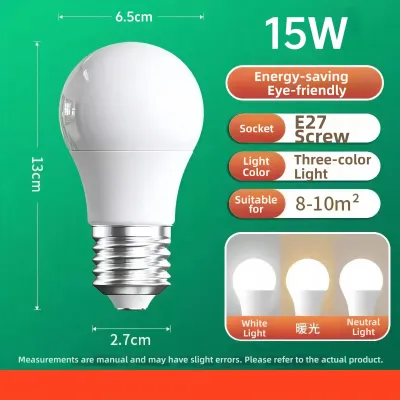
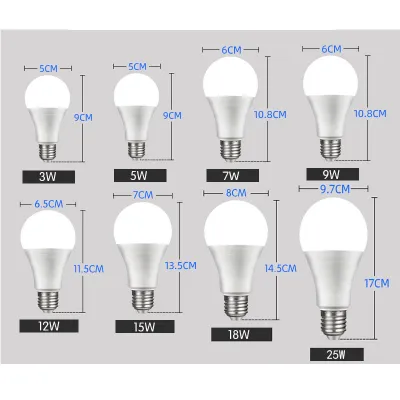
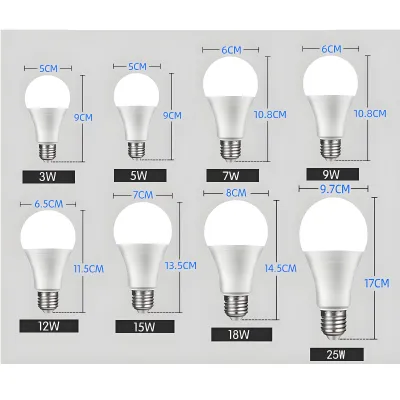
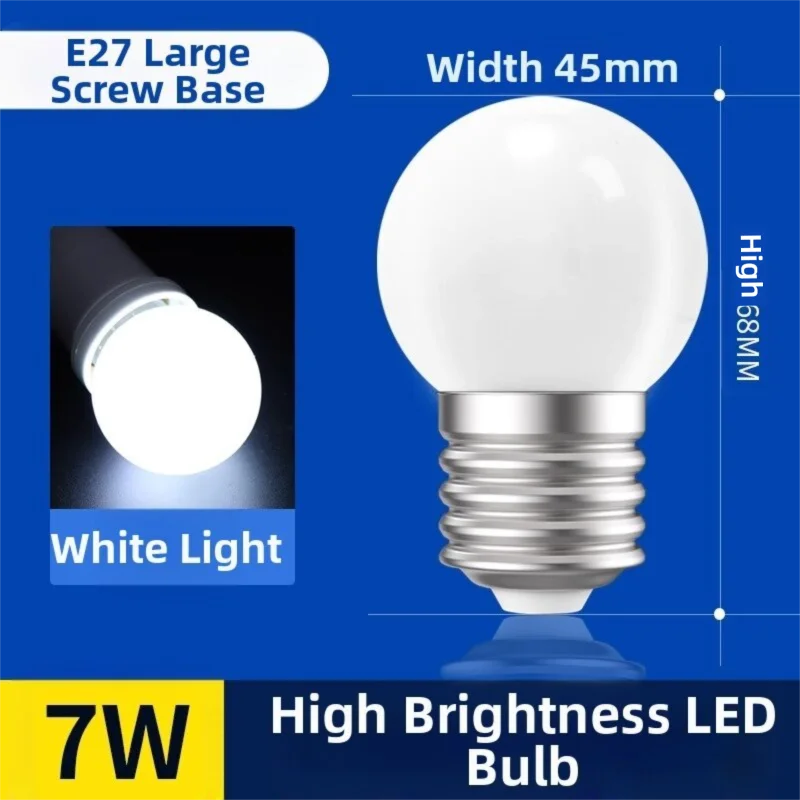
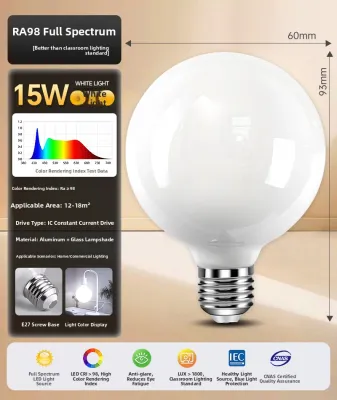
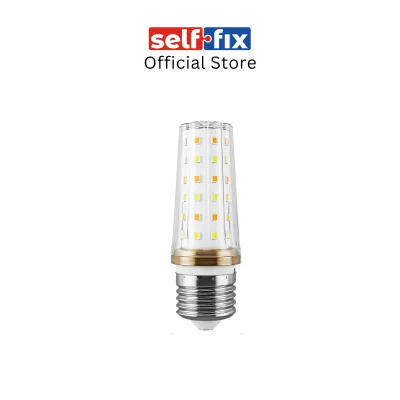
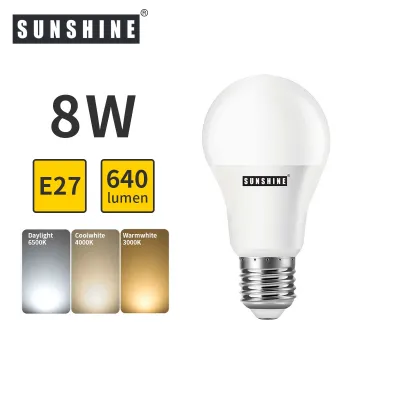
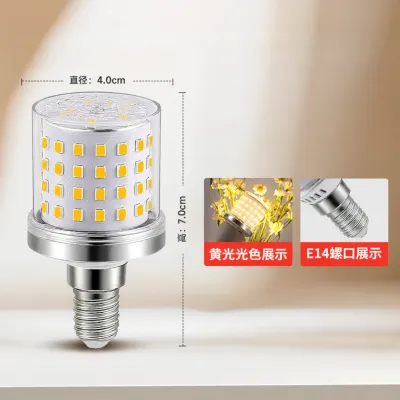
Prices are valid at publication and may change. Please refer to the product page for the latest price.
Tricolor LED bulbs utilize a specialized internal driver and a combination of different LED chips to achieve color-switching functionality. Typically, these bulbs house both warm white (around 3000K) and cool white (around 6500K) LED chips on the same circuit board. When you toggle your wall switch, the internal driver routes electrical current to either the warm chips, the cool chips, or both simultaneously to create a blended neutral white light (around 4000K).
This multi-chip design means that a tricolor bulb’s baseline wattage and efficiency can fluctuate depending on the selected color temperature. In some brands, the driver is engineered to maintain a constant wattage across all three settings by dimming individual chips when both sets are active. In other brands, the wattage may spike when both sets of chips are illuminated to produce neutral white, which can lead to higher energy consumption over time.
Furthermore, the internal driver itself consumes a small amount of energy to manage the switching logic. This means that even when two different brands use LED chips of identical quality, the brand with the more sophisticated, highly efficient driver will waste less energy as heat, resulting in lower overall power draw.
Key Metrics to Compare Across Bulb Brands
To compare E27 tricolor bulb brands objectively, you must look at the technical specifications listed on the product packaging or official manufacturer datasheets. The first and most critical step is to calculate the luminous efficacy for each of the three color modes. Do not rely on a single efficacy figure printed on the box, as manufacturers often only advertise the efficiency of the most optimal color mode, which is typically the cool white or daylight setting.

To calculate this ratio yourself, divide the total lumen output for a specific color mode by the wattage drawn in that same mode. For example, if a bulb produces 900 lumens while drawing 9 watts in warm white mode, its efficacy is 100 lumens per watt. Perform this calculation for all three modes—warm white, neutral white, and cool white—to ensure the brand maintains high efficiency across your most frequently used settings.
Another vital metric is the Power Factor (PF), which measures how effectively the bulb’s internal driver converts the incoming alternating current (AC) from Singapore’s 230V grid into direct current (DC) for the LEDs. A power factor ranges from 0.0 to 1.0, with a higher number indicating greater electrical efficiency. Bulbs with a low power factor (such as 0.5 or below) draw more current than they actually convert into light, which can cause unnecessary wear on your home’s electrical wiring and contribute to energy waste. Look for brands that specify a power factor of 0.7 or higher.
Finally, evaluate the rated lifespan and lumen maintenance of the bulb. LED bulbs do not typically burn out suddenly; instead, they gradually lose brightness over time. The industry standard for measuring this is the L70 rating, which indicates how many hours the bulb can operate before its light output drops to 70% of its original brightness. A brand that offers a rated lifespan of 25,000 hours with excellent lumen maintenance is far more energy-efficient and cost-effective in the long run than a cheaper alternative that dims significantly after only a few thousand hours of use.
Evaluating Tricolor Functionality and Power Draw
When evaluating different brands, it is essential to analyze how the tricolor functionality affects the bulb’s physical behavior and power draw. Start by checking whether the manufacturer provides a detailed breakdown of the wattage for each color temperature. High-quality brands are transparent about these variations, whereas lower-quality brands may only list a single nominal wattage that does not reflect the actual power draw in neutral or warm modes.
The physical switching mechanism also plays a crucial role in the long-term efficiency and durability of the bulb. Most E27 tricolor bulbs rely on standard wall-switch toggling, where turning the switch off and on within a few seconds signals the internal driver to cycle to the next color temperature. A well-designed driver will execute this transition smoothly without causing electrical surges or drawing excessive standby power when the light is turned off.
You should also look for brands that feature flicker-free drivers. High-frequency flicker is a common issue in poorly engineered LED bulbs, and while it may not always be visible to the naked eye, it indicates inefficient power conversion within the driver. A flicker-free driver not only provides better eye comfort and reduces headaches but also demonstrates that the bulb is utilizing its electrical input efficiently without wasting energy on rapid, unstable power oscillations.
Additionally, consider the thermal management of the bulb. Efficient LED bulbs are designed with high-quality heat sinks—often made of aluminum covered in thermally conductive plastic—to dissipate heat away from the LED chips and driver. Excessive heat is the primary enemy of LED efficiency; as the temperature of the LED chips rises, their luminous efficacy drops, meaning the bulb will draw the same amount of power while producing less light.
How to Verify Energy Claims and Certifications in Singapore
In Singapore, you do not have to rely solely on a manufacturer’s self-reported specifications. You can verify energy efficiency claims by looking for the official Energy Label managed by the National Environment Agency (NEA). Under the Mandatory Energy Labelling Scheme (MELS), regulated lamps sold in Singapore must display this label, which features a tick rating system. A higher number of ticks indicates a more energy-efficient product, allowing you to compare different brands at a single glance.
Beyond energy efficiency, safety is a critical component of overall product reliability and performance. In Singapore, household electrical appliances, including LED bulbs and drivers, are classified as Controlled Goods under the Consumer Protection (Safety Requirements) Registration Scheme. Always check the product packaging or the manufacturer’s official listing for the Safety Mark, which features a unique registration number. This mark certifies that the bulb has been tested and complies with the relevant safety standards for Singapore’s 230V/50Hz electrical grid, reducing the risk of short circuits, electrical fires, or premature driver failure.
When sourcing E27 tricolor bulbs, it is important to distinguish between verified specifications and unverified claims on online marketplaces. Always cross-reference the product details with official manufacturer datasheets or the brand’s official online store. If a listing on an e-commerce platform lacks clear technical specifications, fails to display the Safety Mark, or does not provide a verified lumen output for each of the three color temperatures, it is best to avoid that product in favor of a brand that offers full transparency.
Decision Framework: Choosing the Right Brand for Your Needs
To make the most cost-effective decision for your home, you should match the technical characteristics of different E27 tricolor bulb brands to your specific installation environments and usage habits.
Choose a High-Efficacy Brand if you are outfitting high-usage areas such as living rooms, kitchens, or home offices where the lights remain turned on for several hours every day. For these spaces, prioritize brands that offer the highest verified lumens-per-watt ratio (ideally above 90 lm/W) and a top-tier NEA Energy Label tick rating. The slightly higher upfront cost of these premium bulbs will be quickly offset by the monthly electricity savings generated in these high-traffic zones.
Choose a High-Durability Brand if you are installing bulbs in hard-to-reach fixtures, such as high ceilings in HDB maisonettes or complex chandeliers. In these scenarios, the physical effort and safety risks associated with working at height to replace a failed bulb outweigh minor differences in energy consumption. Prioritize brands that specify a high power factor (above 0.7), a robust thermal management system, and a verified L70 lifespan of 25,000 hours or more, ensuring the bulb maintains its brightness and efficiency for years to come.
Verify first if the product listing or packaging lacks clear lumen output data for each of the three color temperatures, or if it does not display the official Singapore Safety Mark. If you are planning to install the bulbs in damp environments, such as bathrooms or covered outdoor balconies, you must also verify that the bulb and its fixture are rated for the appropriate ingress protection (IP) level. Always isolate the power at your home’s main distribution board before installing or replacing any light fixtures, and consult a qualified professional if you are unsure about the safety of your electrical setup.
Frequently Asked Questions (FAQ)
Do tricolor bulbs consume more electricity than single-color LED bulbs?
Tricolor bulbs do not inherently consume significantly more electricity than single-color LED bulbs of the same lumen output, but their efficiency depends heavily on driver design. Because a tricolor bulb must house an internal switching driver and two sets of LED chips, it may have a slightly higher baseline power draw than a basic, single-color LED. However, the overall electricity consumption is determined by the total lumens produced per watt; a high-quality tricolor bulb with an efficient driver can easily outperform a low-quality single-color LED in terms of energy savings.
Does switching color temperatures frequently reduce the bulb's lifespan?
Standard wall-switch toggling is designed to handle a specific number of switching cycles, and reputable manufacturers account for this daily usage in their rated lifespan calculations. However, excessively rapid or constant toggling can place thermal and electrical stress on the internal driver’s capacitors over time. To maximize the lifespan and efficiency of your E27 tricolor bulbs, avoid rapid, repetitive switching and allow the bulb to remain in your desired color mode for extended periods.
How can I calculate the actual cost savings of a more efficient bulb?
To calculate the annual operating cost of any bulb, you can use a simple formula based on its wattage, daily usage hours, and the local electricity tariff. First, divide the bulb’s wattage by 1,000 to convert it to kilowatts (kW). Multiply this number by the estimated number of hours the bulb is switched on each day, then multiply by 365 to find the annual kilowatt-hour (kWh) consumption. Finally, multiply the annual kWh by the current electricity tariff rate in Singapore (expressed in S$ per kWh) to determine the yearly running cost. Comparing this figure across different brands will show you exactly how much money a more efficient bulb will save you over its lifespan.
Community discussion
Share your experience or ask a question. Comments are reviewed before publication.