
Finding the most energy-efficient LED ceiling light strip for a Singapore HDB flat requires looking beyond brand names and marketing buzzwords. True energy efficiency is determined by how effectively a light strip converts electrical power into visible light, a metric known as luminous efficacy. Because HDB flats feature specific structural characteristics—such as concrete slab ceilings, low clearance heights, and frequently installed gypsum false ceilings—the most efficient setup is one that matches the precise physical and thermal constraints of your space. Rather than searching for a single universal “best” brand, homeowners must evaluate specific technical parameters, verify local safety certifications, and calculate real-world performance based on their unique layout.
How to Measure True Energy Efficiency in LED Strips
To compare the energy efficiency of different LED ceiling light strips, the primary metric to analyze is luminous efficacy, measured in lumens per watt (lm/W). Lumens represent the total amount of visible light emitted by the strip, while wattage indicates the electrical power consumed. A strip that delivers 100 lm/W is significantly more efficient than one that delivers 70 lm/W, as it produces the same brightness while drawing less electricity. When comparing brands on online marketplaces or in local lighting shops, always look for this ratio on the product specification sheet rather than relying on wattage alone.
Local energy rating labels and standardized manufacturer specification sheets are the most reliable sources for verified efficiency data. In Singapore, while consumer appliances carry mandatory energy labels, decorative LED strips often rely on manufacturer-declared specifications. To verify these claims, request the product’s photometric report or look for compliance with international testing standards such as LM-79 or LM-80. These documents confirm that the luminous flux and power consumption have been tested in an independent laboratory, ensuring the brand’s claims are accurate.
Products mentioned in this guide
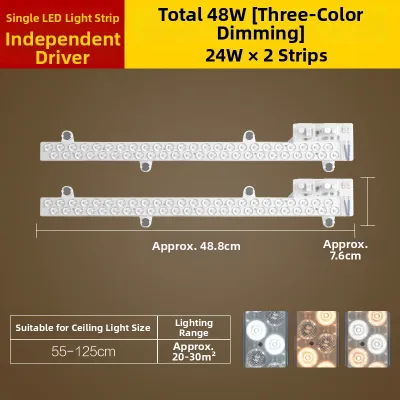
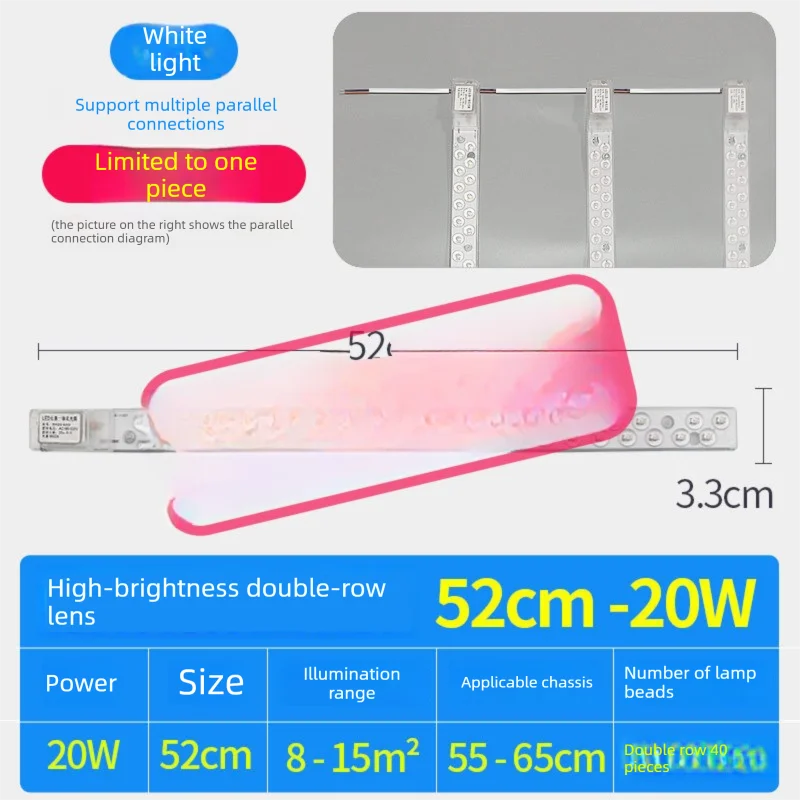
![[SG seller] Premium COB LED Light Strip 5M 12V Cove light | Goldberg Home](https://img.lazcdn.com/g/p/5ff63324e2c6835fa2ed4000e285da60.png_400x400q80.png_.webp)
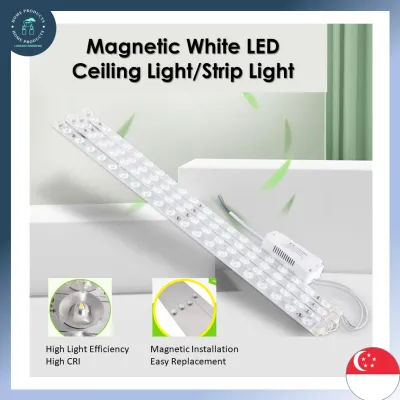
Prices are valid at publication and may change. Please refer to the product page for the latest price.
Selecting the most efficient light strip also requires matching the total lumen output to the specific dimensions of your HDB room. HDB ceilings typically range from 2.6 to 2.8 meters in height, meaning light does not have to travel far to illuminate the living space. Installing an excessively bright, high-wattage strip in a small bedroom and then dimming it constantly is less efficient than installing a lower-wattage strip designed specifically for ambient lighting. Calculate the required lumens for your room size first, then select a strip that achieves that target with the highest possible lm/W rating.
Technical Specifications to Compare Before Buying
When evaluating LED strips, compare the power consumption per meter (expressed as W/m) against the light output per meter (expressed as lm/m). For general illumination, such as primary cove lighting in an HDB living room, you will typically require a higher light output, often between 800 and 1,200 lumens per meter. For accent lighting or under-cabinet glow, a lower output of 300 to 500 lumens per meter is sufficient. Comparing these ratios across different brands allows you to identify which product delivers the required brightness with the lowest power draw per meter.

The Color Rendering Index (CRI) is another critical specification that indirectly influences perceived brightness and energy use. CRI measures how accurately a light source reveals the true colors of objects, rated on a scale up to 100. A strip with a high CRI (typically 90 or above) provides better visual clarity and contrast. When visual clarity is high, the human eye perceives the space as brighter, which often allows you to run the lights at a lower intensity or choose a lower-wattage strip without sacrificing visual comfort.
Correlated Color Temperature (CCT), measured in Kelvin (K), also plays a role in both visual comfort and efficiency. Generally, cooler color temperatures like daylight (6000K to 6500K) or cool white (4000K) have slightly higher luminous efficacy than warm white (2700K to 3000K) due to the chemical composition of the phosphors used in the LEDs. However, choosing CCT should remain a conditional preference based on room function. For instance, warm white is highly suited for bedrooms to promote relaxation, while cool white or neutral white is better for kitchens where task visibility is paramount.
Dimmability and smart control compatibility are essential features for reducing overall energy consumption. Standard LED strips run at 100% capacity whenever they are switched on, but integrating dimmable drivers allows you to lower the light output when full brightness is unnecessary. Smart controllers can automate this process, scheduling lower light levels during late-night hours or turning off lights when motion sensors detect an empty room. Ensure that any dimming system or smart controller you choose is fully compatible with the specific LED strip and driver to prevent flickering and energy waste.
Adapting to HDB Ceiling Constraints and Heat Management
HDB flats present unique physical environments, particularly when LED strips are installed within enclosed false ceilings or tight cove lighting recesses. LEDs generate heat during operation, and if this heat is not dissipated, the junction temperature of the diodes rises. This elevated temperature reduces the luminous efficacy of the strip and accelerates the degradation of the LED chips, drastically shortening their lifespan. To maintain long-term efficiency, LED strips should always be mounted inside aluminum profiles or channels, which act as heat sinks to draw warmth away from the diodes.
Voltage drop is another critical factor that affects power delivery efficiency, especially in larger HDB living areas where continuous light runs can exceed five meters. As electrical current travels down a thin flexible PCB strip, resistance causes the voltage to decrease, resulting in dimmer light at the far end of the run. To compensate for voltage drop, some installers run higher currents, which increases heat and wastes energy. To prevent this, plan your installation with parallel wiring runs or choose higher-voltage systems (such as 24V instead of 12V) which suffer less from voltage drop over longer distances.
The efficiency of your LED lighting system is heavily dependent on the quality of the external transformer or LED driver. The driver converts the household alternating current (AC) to the direct current (DC) required by the LED strip. Low-quality drivers can lose up to 30% of their drawn power as waste heat, whereas high-efficiency drivers (often rated with an efficiency of 85% or higher) ensure that almost all drawn power is delivered to the LEDs. When purchasing, verify the driver’s efficiency rating on its specification label to avoid paying for wasted electricity.
Verifying Brand Claims and Local Safety Standards
With numerous brands available on online marketplaces and local retail shops, homeowners must look past generic marketing terms like “eco-friendly,” “green,” or “ultra-low power.” These terms are unregulated and do not guarantee actual energy savings. Instead, request standardized specification sheets or independent test reports from the manufacturer. Reputable brands will readily provide detailed datasheets detailing the exact chip type, lumen output, power consumption, and thermal characteristics of their products.
In Singapore, electrical safety is paramount, particularly for devices connected directly to the mains power supply. Any LED driver, power adapter, or smart controller used in your installation must carry the local Safety Mark issued by Enterprise Singapore. The Safety Mark indicates that the product has been tested and certified to meet stringent safety standards, reducing the risk of electrical fires, short circuits, and power surges. Never bypass this requirement by purchasing uncertified power supplies from overseas online platforms, as they pose a severe hazard to your home.
Additionally, you must verify the Ingress Protection (IP) rating of the LED strips if they are intended for installation in damp or high-moisture areas of your HDB flat. For dry areas like living rooms and bedrooms, an IP20 rating is standard and sufficient. However, for kitchens, bathrooms, or service yards where steam and water splashes occur, look for strips with at least an IP44 or IP65 rating. These moisture-resistant coatings protect the electrical components from short-circuiting, ensuring the system remains safe and efficient over time.
Decision Framework: Matching Strips to Your HDB Rooms
To select the right LED strip for your home, use a conditional framework that matches the technical specifications of the light to the specific function of each HDB room. For task-heavy areas such as kitchens, study rooms, and home offices, prioritize high-efficacy strips (at least 100 lm/W) with a neutral white CCT (4000K). These areas require bright, clear illumination to prevent eye strain, and using high-efficacy strips ensures that this high light output does not result in inflated electricity bills.
For ambient areas like living room coves and bedrooms, opt for lower-wattage, dimmable LED strips with a warm white CCT (2700K to 3000K). Since these lights are often left on for extended periods to create a cozy atmosphere, dimmability is key to minimizing energy draw. Running a warm-toned strip at 50% brightness during the evening provides sufficient ambient light while cutting the power consumption of that specific run in half.
Before purchasing any components, verify whether your existing HDB wiring, wall switches, and ceiling cavities can support the required drivers and controllers. For any installation involving fixed wiring, working at heights, or mounting within ceiling cavities, always isolate the mains power before beginning work, follow the manufacturer’s installation instructions precisely, and engage a qualified licensed electrical worker (LEW) to perform the connection. If your ceiling cavity lacks adequate ventilation to dissipate heat or if structural modifications are prohibited by HDB renovation guidelines, high-power LED strips may not be suitable, and you should consider alternative low-power surface-mounted fixtures instead.
Frequently Asked Questions (FAQ)
Do LED light strips consume a lot of electricity if left on all night?
No, LED light strips are highly efficient and consume very little electricity compared to traditional lighting options. To estimate the monthly cost, multiply the total wattage of your strip by the number of hours it runs per day, divide by 1,000 to convert to kilowatt-hours (kWh), and multiply by your current local electricity tariff. For example, a 10-watt strip left on for 8 hours a night consumes 0.08 kWh per night, or approximately 2.4 kWh per month, which costs less than S$1.00 under typical household tariffs. To eliminate unnecessary waste, integrate timers, smart plugs, or motion sensors to automatically turn off the lights when they are not needed.
Can I cut and rejoin LED strips without affecting their energy efficiency?
Yes, you can cut and rejoin LED strips without affecting their energy efficiency, provided you follow correct procedures. LED strips are designed with designated cutting points, usually marked with copper pads or scissor icons, which isolate individual parallel circuits. Cutting only at these points ensures the remaining circuits maintain their proper voltage and current levels. When rejoining strips, avoid low-quality clip-on connectors or poor soldering techniques, as they introduce electrical resistance. High resistance causes localized heating and voltage drops, which wastes energy and can damage the strip.
Community discussion
Share your experience or ask a question. Comments are reviewed before publication.