
When searching for the most energy-efficient LED light bulb, there is no single brand that universally outperforms the rest across every product line. True energy efficiency depends on the specific model’s design, thermal management, and intended use rather than just the logo on the box. To identify which bulb delivers the most lumens per watt for lower electricity costs, you must look past marketing claims and evaluate the technical specifications, certifications, and long-term operational costs of the specific models you are considering.
Different manufacturers optimize their product lines for various priorities, such as color accuracy, dimming smoothness, smart features, or budget-friendly pricing. A brand that excels in producing highly efficient industrial floodlights might not offer the most efficient decorative candle bulbs for your living room chandelier. By understanding how to read technical specifications and verify independent certifications, you can make an informed decision that minimizes your household energy consumption.
How to Measure True Energy Efficiency in LED Bulbs
To accurately compare the energy efficiency of different light bulb models, you must look at luminous efficacy, which is measured in lumens per watt (lm/W). Lumens represent the total amount of visible light emitted by the bulb, while watts measure the rate of electrical power consumed. Dividing the lumen output by the wattage gives you the efficacy rating. A higher lm/W rating means the bulb produces more light using less electricity, making it more efficient than a model with a lower rating.
Products mentioned in this guide
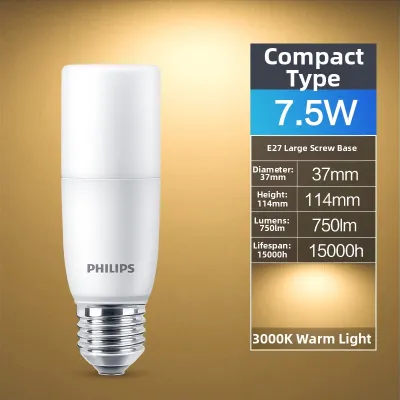
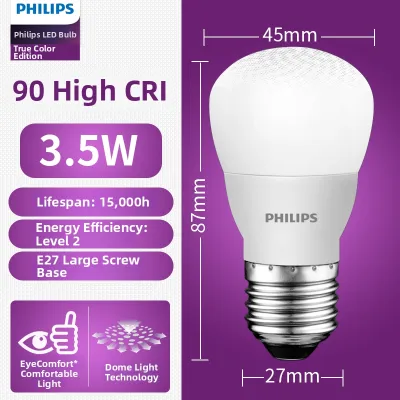
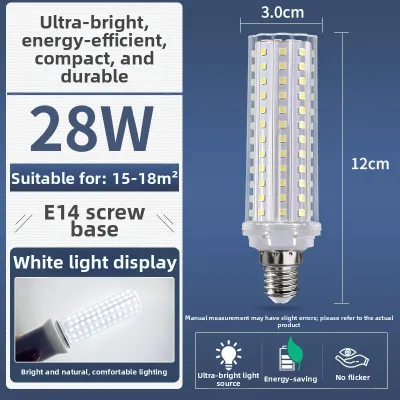
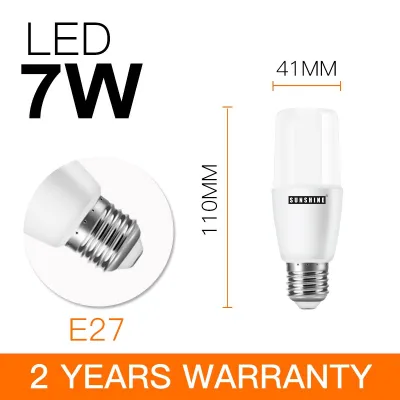
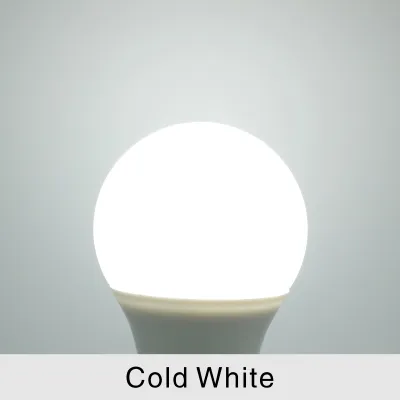
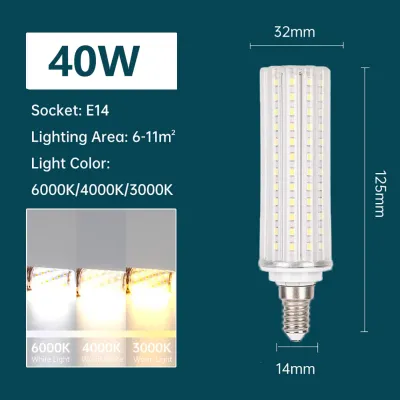
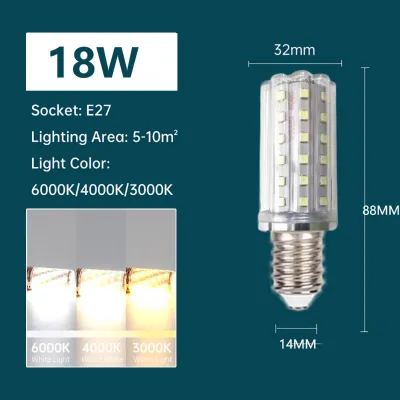
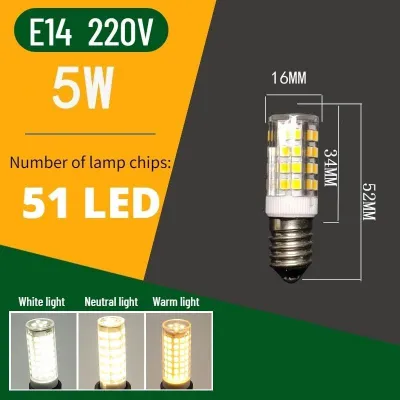
Prices are valid at publication and may change. Please refer to the product page for the latest price.
Historically, consumers relied on wattage as a shorthand for brightness because older incandescent bulbs had highly predictable power-to-light ratios. In modern solid-state lighting, however, wattage only tells you how much power the bulb draws from your electrical grid, not how much light it produces. Two different LED bulbs might both consume 9 watts of power, but one high-efficacy model might produce 900 lumens (100 lm/W) while a lower-quality alternative might only produce 720 lumens (80 lm/W).
To find verified performance data, always check the standardized lighting facts label or the technical specification sheet printed on the product packaging. Reputable manufacturers display the exact lumen output, power consumption, and efficacy rating clearly. If a package only lists wattage without specifying the lumen output, it is difficult to verify the bulb’s true efficiency, and you should consider alternative options with transparent labeling.
Key Specifications to Compare Across Brands
Efficacy ratings naturally vary depending on the physical shape, size, and beam angle of the light bulb. For instance, omnidirectional A-shape bulbs designed to scatter light in all directions require different optical designs than directional GU10 spotlights that focus light into a tight beam. When comparing brands, ensure you are comparing equivalent bulb shapes and applications, as a directional spotlight will inherently have different lumen distribution characteristics than a standard household bulb.

Color temperature and the Color Rendering Index (CRI) also influence a bulb’s overall power draw and perceived brightness. Color temperature, measured in Kelvin (K), ranges from warm yellow tones (around 2700K) to cool daylight tones (6500K). Cooler daylight bulbs often have a slightly higher luminous efficacy than warm white bulbs because of the way blue LED chips interact with phosphor coatings. Additionally, high-CRI bulbs (CRI 90 or above), which render colors more accurately, typically require more energy or produce fewer lumens per watt than standard CRI 80 bulbs. Choosing high color accuracy or a specific color temperature is a conditional preference based on your spatial design needs rather than a measure of poor engineering.
Thermal management is another critical factor that affects long-term efficiency and prevents premature lumen depreciation. LEDs generate heat at the junction of the semiconductor chip, and if this heat is not dissipated, the bulb’s efficiency drops and its lifespan shortens. High-quality brands design bulbs with robust heat sinks made of aluminum, ceramic, or advanced thermally conductive plastics. When evaluating bulbs, look for models with solid thermal construction, especially if they will be installed in enclosed fixtures where heat can easily build up.
Evaluating Energy Certifications and Standards
To filter out inefficient products and misleading marketing claims, look for official energy rating labels. In Singapore, household lamps are registered under the Mandatory Energy Labelling Scheme (MELS). The energy label displays a tick rating system, where a higher number of green ticks indicates a more energy-efficient product. Comparing the tick ratings on these official labels allows you to quickly identify which models meet stringent local efficiency standards.
Beyond local energy labels, look for independent testing marks from recognized certification bodies. Marks such as TÜV SÜD, Intertek (ETL), or Underwriters Laboratories (UL) confirm that the bulb has undergone rigorous testing for safety, performance, and electromagnetic compatibility. Generic, unverified claims like “eco-friendly,” “green,” or “ultra-efficient” printed on unbranded packaging lack regulatory oversight and should not be trusted without supporting certification marks.
When purchasing light bulbs from cross-border online marketplaces, pay close attention to local electrical and safety standards. Imported bulbs must be compatible with Singapore’s standard voltage of 220V–240V at 50Hz. Using a bulb designed solely for 110V electrical systems will cause immediate failure and pose a severe safety hazard. Furthermore, ensure the bulb carries the Safety Mark, which indicates that the electrical driver inside the bulb has been tested and approved for safe use in local households.
Calculating Long-Term Electricity Savings
You can easily translate technical efficiency metrics into practical financial outcomes to guide your purchasing decisions. To estimate the annual electricity cost of any light bulb, use the following formula:
Annual Cost = (Bulb Wattage / 1000) Daily Usage Hours 365 * Electricity Tariff Rate
To use this formula, divide the bulb’s wattage by 1,000 to convert it to kilowatts. Multiply this number by your estimated daily usage hours, then multiply by 365 days to find the annual kilowatt-hour (kWh) consumption. Finally, multiply the total annual kWh by the current household electricity tariff rate in S$ per kWh to find the annual operating cost.
When shopping, weigh the higher upfront cost of premium, high-efficacy bulbs against their projected lifespan and energy savings. A premium bulb with a higher lm/W rating might cost more initially, but its lower power consumption will reduce your monthly utility bills. By calculating the annual cost difference between a premium bulb and a cheaper, less efficient model, you can determine the payback period—the number of months it takes for the energy savings to offset the higher purchase price.
If you still use older, early-generation LED bulbs or legacy incandescent lighting, calculating the break-even point can help you decide when to upgrade. Early LED bulbs often operate at lower efficiencies, such as 50 to 60 lm/W, whereas modern high-efficacy models can easily exceed 100 lm/W. Upgrading high-use fixtures to modern LEDs can result in noticeable energy savings, allowing you to recoup the replacement costs relatively quickly.
Choosing the Right Energy-Efficient Bulb for Your Space
To maximize your energy savings, prioritize the highest lm/W efficacy bulbs for high-usage areas where lights remain on for several hours a day, such as kitchens, living rooms, and home offices. For low-usage areas like storerooms or guest bathrooms, the overall energy impact is minimal, allowing you to focus more on upfront cost or specific design preferences rather than maximizing efficacy.
If you plan to use dimmer switches, you must verify dimming compatibility before purchasing. Not all LED bulbs are dimmable, and using a non-dimmable bulb on a dimmer circuit can lead to persistent flickering, buzzing, or premature driver failure. Furthermore, ensure your dimmer switch is compatible with LED technology (such as trailing-edge dimmers). While dimming a bulb does reduce its overall power consumption, the driver must be designed to maintain high efficiency even when operating at lower light levels.
Smart LED bulbs offer convenient features like wireless control, scheduling, and color tuning, but they also introduce standby power consumption. Because smart bulbs must remain connected to your Wi-Fi, Zigbee, or Bluetooth network, they draw a small amount of electricity even when turned “off” via an app or voice command. If you have dozens of smart bulbs throughout your home, this continuous standby draw can add up. For multi-bulb fixtures, pairing standard high-efficacy LED bulbs with a single smart wall switch is often a more energy-efficient and cost-effective solution.
Finally, always match the bulb to its installation environment to ensure safety and longevity. For fixed wiring installations, recessed downlights, fixtures in damp areas like bathrooms or outdoor balconies, or installations requiring work at height, always isolate the power supply at the main distribution board before proceeding. Follow the manufacturer’s installation instructions carefully, and consult a qualified licensed electrician for any complex electrical work.
Frequently Asked Questions (FAQ)
Do smart LED bulbs use more electricity than standard LEDs?
Yes, smart LED bulbs consume slightly more electricity than standard LEDs because of standby power draw. Even when the light is turned off via an app, remote, or smart assistant, the internal wireless receiver must remain powered to listen for commands. While this standby draw is typically very low per bulb, it runs continuously. Standard LED bulbs controlled by a physical wall switch draw zero power when turned off.
Is a higher wattage LED always brighter?
No, a higher wattage LED is not guaranteed to be brighter than a lower wattage model. Brightness is measured in lumens, whereas wattage measures electrical power consumption. A high-quality, high-efficacy LED bulb can produce the same or greater light output (lumens) while drawing fewer watts than a lower-quality bulb. Always compare the lumen rating on the packaging rather than the wattage to determine actual brightness.
Community discussion
Share your experience or ask a question. Comments are reviewed before publication.