
Selecting a reed diffuser that delivers a sustained, elegant fragrance without evaporating in a matter of weeks requires looking past marketing claims of long-lasting performance. The longevity of any aroma concentrate depends on a delicate balance of chemical formulation, physical vessel design, reed mechanics, and the specific indoor climate of your home. By understanding how different brands formulate their carrier bases and design their delivery systems, you can systematically evaluate which products will offer the most sustained fragrance release for your space.
Rather than relying on brand names alone, comparing the physical and chemical specifications of diffusers allows you to predict their performance. This guide outlines the key variables that govern evaporation rates, explains how to decode product labels, and provides a practical framework to help you select and maintain a diffuser setup optimized for long-term fragrance delivery.
Key Variables That Determine Aroma Concentrate Longevity
The rate at which a reed diffuser consumes its aroma concentrate is governed by fundamental physical principles. The first of these is the geometry of the vessel itself, specifically the surface area of the liquid exposed to the air. A bottle with a narrow neck acts as a physical throttle, restricting the boundary layer of air directly above the liquid surface and slowing down passive evaporation. Conversely, a vessel with a wide opening allows air to circulate freely over the liquid, accelerating the escape of volatile compounds and depleting the concentrate much faster.
Products mentioned in this guide
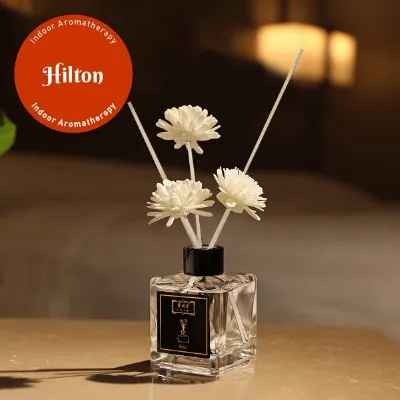
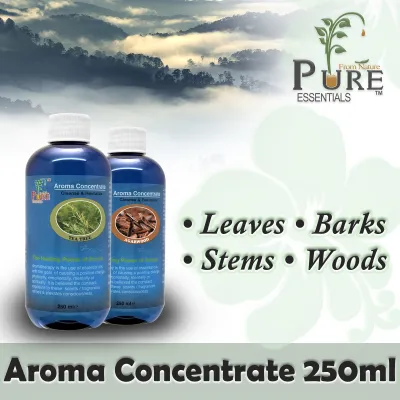
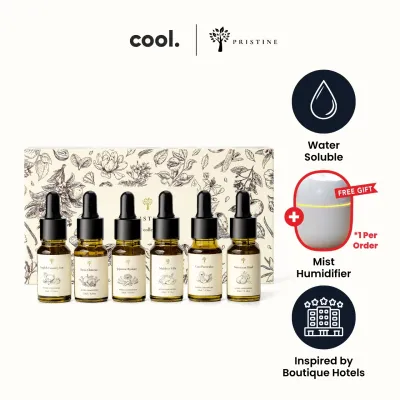
![[SG Seller] 10ml Mayci Premium Essential Oil Hotel Fragrance Concentrate Water Soluble for Humidifier and Diffuser](https://img.lazcdn.com/g/p/7e2f6aa1e89fcd26f7aff4b4f9349e1e.jpg_400x400q80.jpg_.webp)
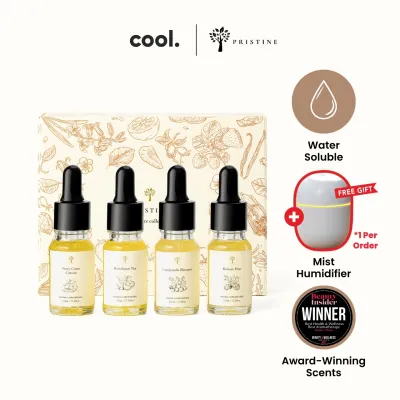

Prices are valid at publication and may change. Please refer to the product page for the latest price.
The material and structure of the reeds also play a critical role in how quickly the fragrance is drawn out and dispersed. Natural rattan reeds contain irregular vascular channels, or capillaries, that draw up the liquid slowly. While this slow draw can extend the lifespan of the concentrate, natural reeds are prone to clogging over time as dust and heavier fragrance molecules accumulate in the pores. Synthetic fiber reeds, on the other hand, are engineered with highly uniform, open-cell structures. These fibers draw liquid consistently and project a stronger scent throw, but they also consume the aroma concentrate at a faster, more linear rate.
Finally, the surrounding environment acts as a major accelerator or decelerator for fragrance dispersion. In warm, tropical climates, the interaction between indoor climate control and natural air is highly influential. When air conditioning is running, the indoor air becomes dry and cool, which can accelerate the capillary draw of the reeds as moisture and solvents evaporate rapidly from their exposed tips. Conversely, high natural humidity can slow down evaporation but may also suppress scent dispersion, while high airflow from ceiling fans or open windows increases the rate of evaporation significantly, causing the liquid level in the bottle to drop rapidly.
How to Read Labels and Evaluate Brand Specifications
To make an objective comparison between different brands, you must look closely at the product specifications and calculate a baseline consumption rate. Begin by comparing the stated net volume of the liquid against the manufacturer’s claimed duration. For example, if Brand A offers a 100ml bottle and claims it lasts four to six weeks, that equates to an estimated consumption rate of roughly 16ml to 25ml per week. If Brand B offers a 200ml bottle and claims a lifespan of twelve weeks, the consumption rate is approximately 16.6ml per week. Normalizing these figures allows you to compare the efficiency of the formulations directly.

Next, examine the ingredient list to identify the primary carrier base, which serves as the solvent for the fragrance oils. Alcohol-based carriers, such as ethanol or isopropyl alcohol, evaporate very quickly, providing an intense initial burst of fragrance but depleting the bottle rapidly. High-quality, modern formulations often utilize glycol-based carriers or specialty synthetic solvents like glycerin-derived bases. These carriers have a much lower vapor pressure, meaning they evaporate slowly and evenly, carrying the fragrance oils steadily over several months without a sudden drop in performance.
Finally, review the manufacturer’s usage instructions, paying close attention to the recommended reed count and flipping schedules. If a brand specifies that you must use eight to ten reeds to achieve a standard scent throw, it often indicates a lower concentration of fragrance oil in the carrier, requiring more surface area to disperse effectively. A highly concentrated formulation that requires only three to five reeds to scent a room will naturally last longer, as there are fewer pathways for the liquid to evaporate into the air.
Conditional Selection Framework for Sustained Fragrance
Finding the right balance between fragrance strength and longevity requires matching the diffuser’s formulation to the specific characteristics of your room. For small, enclosed spaces with low foot traffic, such as a study or a bathroom, a high-concentration, low-volatility formulation is ideal. These glycol- or oil-based concentrates release fragrance slowly and subtly. When paired with a minimal number of reeds, they provide a continuous background scent that can easily last for several months without overwhelming the space or depleting prematurely.
For larger, open-plan living areas or high-traffic hallways, a standard formulation with a higher reed count or a wider-neck bottle is necessary to project the scent across the space. The increased airflow and larger volume of air require a more rapid release of volatile compounds to maintain a noticeable aroma. While this setup delivers the necessary scent throw, you must accept a shorter overall lifespan for the concentrate. In these scenarios, choosing a brand that offers dedicated refill options is highly advantageous, allowing you to top up the existing vessel cost-effectively without purchasing a new decorative bottle each time.
In homes that transition frequently between closed air conditioning and natural ventilation, the rapid shifts in temperature and humidity can cause unpredictable evaporation rates. If your space experiences these extreme fluctuations, consult the manufacturer’s environmental guidelines before purchasing. Some formulations are specifically optimized to remain stable under varying humidity levels, preventing the carrier liquid from separating or evaporating too quickly when the air conditioning is turned off and natural tropical warmth returns.
Placement and Maintenance to Maximize Concentrate Lifespan
Once you have selected a high-quality aroma concentrate, proper placement and maintenance are essential to maximize its functional lifespan. Always position the diffuser away from direct sunlight, such as on a sunny windowsill. Solar heat warms the liquid, which dramatically increases the evaporation rate and can degrade the delicate fragrance compounds, altering the scent profile. Similarly, keep the vessel away from direct drafts, including the immediate airflow path of air conditioners, heaters, or ceiling fans, which strip the fragrance from the reeds too quickly.
To maintain a consistent scent without wasting liquid, establish a mindful reed-flipping routine. Instead of flipping the reeds daily—which rapidly depletes the concentrate by exposing fully saturated ends to the air—only flip them when you notice the scent beginning to fade, typically once every one to two weeks. Always use gloves or a paper towel when handling the reeds to prevent the concentrated oils from irritating your skin or transferring to polished wooden furniture, where they can cause permanent surface damage.
Over time, reeds will inevitably become saturated with dust and heavy fragrance molecules, which clogs their capillary channels and stops them from drawing up liquid. When you notice a significant drop in scent throw despite the bottle being full, do not simply add more reeds or flip them more frequently. Instead, remove the old reeds entirely and replace them with a fresh set to restore proper capillary action and ensure the remaining aroma concentrate is dispersed efficiently.
Frequently Asked Questions (FAQ)
How often should reeds be flipped to extend the aroma concentrate?
Flipping the reeds refreshes the scent throw by exposing the wet ends to the air, but it also accelerates the consumption of the liquid. To extend the lifespan of your aroma concentrate, avoid flipping the reeds daily. Instead, follow the specific flipping schedule provided on your product’s label, or limit flipping to once every one to two weeks when the fragrance naturally begins to diminish. This balances consistent scent delivery with optimal liquid conservation.
Does a higher price guarantee a longer-lasting aroma concentrate?
A higher price tag does not automatically guarantee that a reed diffuser will last longer. Price often reflects the complexity and rarity of the fragrance notes, the purity of the essential oils, or the brand’s premium positioning and packaging. To evaluate true longevity value, compare the cost per milliliter in S$ alongside the manufacturer’s stated lifespan, and look for low-volatility carrier bases rather than relying on the retail price alone.

Community discussion
Share your experience or ask a question. Comments are reviewed before publication.