
Finding the most efficient and brightest solar outdoor lights on online marketplaces requires looking past generic marketing claims. Because there is no single brand that universally outperforms all others, the key to making a smart purchase lies in understanding how to verify technical specifications. By evaluating solar panel types, battery chemistry, and true luminous efficacy, you can identify which brands offer reliable performance in Singapore’s tropical climate.
When comparing brands, it is essential to focus on verifiable metrics rather than subjective marketing terms. High-quality solar lighting brands design their systems to balance energy collection, storage, and light output. This guide provides a structured framework to help you evaluate these specifications, ensuring you select durable, high-performing outdoor lighting for your home.
Understanding Brightness and Efficiency Metrics in Solar Lights
To accurately compare solar lighting brands, you must first understand how manufacturers measure brightness and energy conversion. Many budget-friendly brands advertise inflated wattages, such as “100W” or “200W,” which are often misleading equivalent ratings rather than the actual power consumed by the LED chips. Instead of relying on wattage, look for the rated lumen output, which measures the actual visible light emitted by the fixture.
Products mentioned in this guide
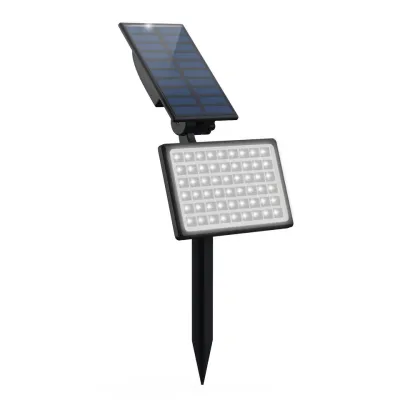
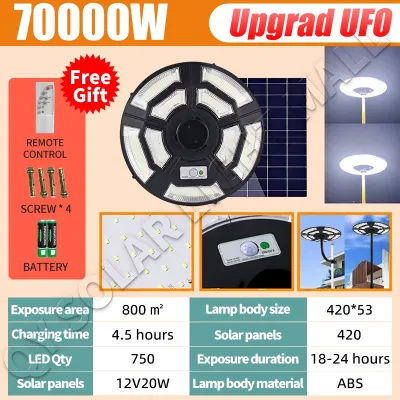
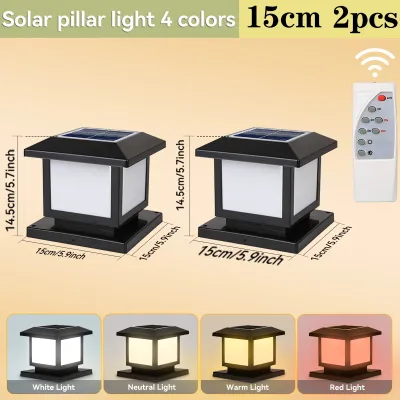
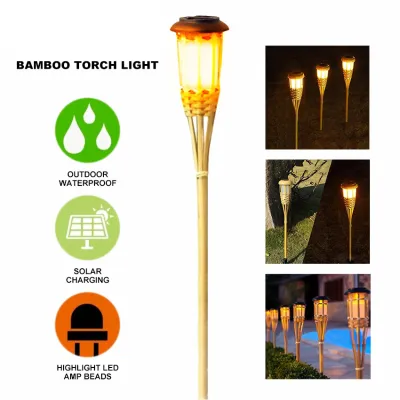
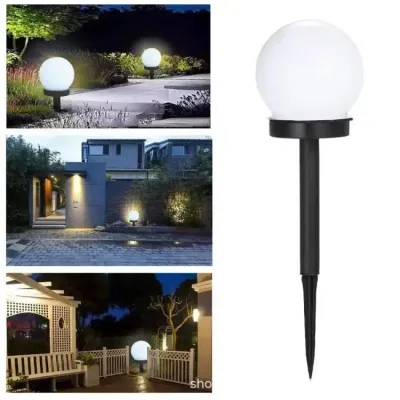
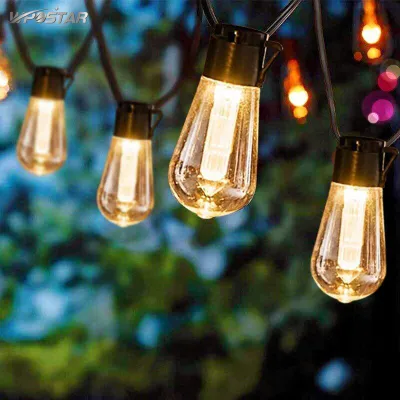
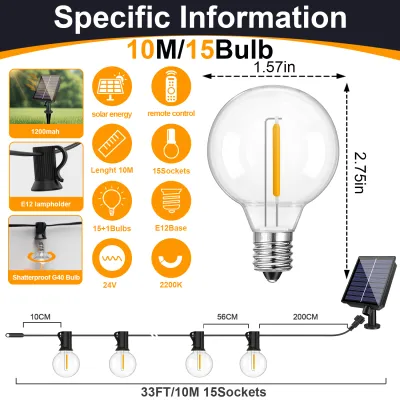
Prices are valid at publication and may change. Please refer to the product page for the latest price.
Evaluating the luminous efficacy—calculated as lumens divided by the actual power consumption in watts—reveals how efficiently the brand’s LED chips convert stored energy into light. High-performance brands typically achieve an efficacy of over 130 lumens per watt. Choosing a brand with high luminous efficacy ensures that the light remains bright without rapidly draining the battery reserve.
Solar panel efficiency determines how quickly the fixture can recharge its battery. Monocrystalline solar panels are the gold standard for residential outdoor lighting, offering conversion efficiencies between 19% and 22%. Polycrystalline panels are less expensive but only achieve 15% to 17% efficiency, meaning they require a larger surface area to generate the same amount of power. For space-constrained urban gardens or balconies, prioritizing brands that use monocrystalline panels is highly recommended.
Battery chemistry is the final piece of the efficiency puzzle, determining how much energy can be stored and how long the battery will last. Standard Lithium-ion (Li-ion) batteries are common, but Lithium Iron Phosphate (LiFePO4) batteries are superior for outdoor solar applications. LiFePO4 batteries offer up to 2,000 charge cycles—compared to just 500 for standard Li-ion—and perform exceptionally well in warm tropical temperatures without rapid degradation.
Key Specifications to Compare Across Solar Lighting Brands
When browsing different solar outdoor lighting brands on e-commerce platforms, you can use a structured checklist of specifications to filter out low-quality options. Start by examining the motion sensor capabilities. Passive Infrared (PIR) sensors allow the light to operate in energy-saving modes, such as staying at a dim 10% brightness until motion triggers 100% illumination. Brands that offer customizable sensor ranges, detection angles, and multiple operating modes give you greater control over energy preservation.

Next, compare the manufacturer’s stated charging and working times against realistic environmental conditions. A reliable solar light should require no more than 6 to 8 hours of direct sunlight to achieve a full charge, providing 8 to 12 hours of continuous illumination. To verify these claims, check the ratio of the solar panel’s wattage output to the battery’s capacity (measured in milliampere-hours, mAh, or watt-hours, Wh) to ensure the panel is powerful enough to fully charge the battery in a single day.
Weather resistance is critical for long-term durability. Look for an Ingress Protection (IP) rating of at least IP65, which ensures the fixture is dust-tight and protected against water jets from heavy rain. For ground-level path lights or highly exposed areas, look for brands offering IP67 or IP68 ratings. Additionally, prioritize brands that use die-cast aluminum or UV-stabilized ABS plastic housings over cheap, thin plastics that quickly become brittle under intense sunlight.
Finally, verify the electrical certifications and voltage limits of any solar light that includes an auxiliary charging port or hybrid mains connection. Standalone solar lights operate on safe, low-voltage direct current (typically 3.2V to 12V), but any hybrid system that connects to your home’s electrical grid must carry recognized safety certifications. Checking these details helps prevent electrical faults and ensures compatibility with your existing home setup.
Evaluating Real-World Performance in Tropical Climates
Singapore’s unique tropical climate and urban landscape present specific challenges for solar outdoor lighting. High-rise buildings, neighboring properties, and dense garden foliage frequently cast shadows over outdoor spaces. Because even partial shading on a single cell of a solar panel can reduce its energy conversion efficiency by more than 50%, panel placement is critical. Brands that offer detachable solar panels connected to the light fixture by a long cable allow you to position the light in the shade while mounting the panel in direct sunlight.
Light pollution from streetlights, corridor lighting, or neighboring security systems can also interfere with solar lights. Most solar fixtures use built-in photocells (dusk-to-dawn sensors) that automatically turn the light on when ambient light levels drop. If your outdoor area is partially illuminated by ambient city light, the sensor may prevent the solar light from turning on. Look for brands that feature adjustable lux sensitivity or manual override switches to bypass the automatic sensor when needed.
Weather variations, particularly during the monsoon seasons, mean that solar panels will experience consecutive days of heavy cloud cover and rain. To ensure your outdoor lights remain functional during these periods, choose brands that offer oversized battery capacities, often marketed as “rainy day reserves” or “multi-day backups.” These systems store enough energy during sunny days to keep the lights operating at a lower brightness level through several days of overcast weather.
Matching Solar Outdoor Lighting to Your Space
Selecting the right solar light depends heavily on the specific function and layout of your outdoor area. For pathways, walkways, and driveways, the primary goal is safe navigation. Prioritize low-glare, downward-directed path lights that illuminate the ground without blinding pedestrians. Warm white color temperatures (2700K to 3000K) create a welcoming atmosphere, while durable ground stakes made of rust-proof aluminum ensure the fixtures remain upright in soft soil.
For security and entryways, high brightness and reliable motion detection are paramount. Look for solar floodlights that deliver at least 1,000 to 2,000 lumens and feature wide-angle PIR sensors with a detection range of at least 8 to 12 meters. Multi-headed floodlights with adjustable panels allow you to direct light into dark corners, maximizing coverage. Ensure the mounting brackets are robust enough to withstand strong winds during tropical storms.
For patios, decks, and decorative garden areas, aesthetic appeal and ambient lighting are more important than high lumen output. Solar string lights, lanterns, and wall-mounted sconces with warm light tones are ideal for creating a cozy outdoor living space. Many premium brands offer remote controls or smart integration, allowing you to adjust brightness levels, set timers, and turn the lights on or off from a distance.
While basic solar path lights can cost as little as S$15 to S$30 per pack, high-output security floodlights with advanced monocrystalline panels and LiFePO4 batteries typically range from S$50 to over S$150 per unit. Investing in higher-end brands for critical security areas ensures better component quality, longer lifespans, and more reliable performance during inclement weather.
Installation, Maintenance, and Safety Guidelines
Proper installation and routine maintenance are essential to keep your solar outdoor lights functioning at peak efficiency. Dust, atmospheric haze, and bird droppings quickly accumulate on solar panels, blocking sunlight and reducing energy conversion. Wipe the panels clean every few months using a soft, damp microfiber cloth and plain water. Avoid using abrasive sponges, harsh chemical cleaners, or high-pressure washers, which can scratch the protective glass or damage the watertight seals.
When installing solar lights, optimize the mounting height and angle to capture the maximum amount of sunlight. Because Singapore lies near the equator, solar panels should ideally be mounted flat or tilted slightly to face the sun’s path without obstruction from roof overhangs or trees. Ensure that all mounting screws and brackets are securely fastened to a stable surface to prevent the fixtures from falling or shifting during heavy rainstorms.
While standalone, low-voltage solar lights are perfectly safe for DIY installation, certain scenarios require professional assistance. If you are installing a hybrid solar system that connects directly to your home’s fixed electrical wiring, or if you need to mount heavy fixtures at heights that require scaffolding or tall ladders, always isolate the power supply and consult a licensed electrical worker. Prioritizing safety ensures your outdoor lighting system operates reliably without risking electrical hazards or structural failures.
Frequently Asked Questions (FAQ)
Do solar outdoor lights work effectively during heavy rain?
Yes, solar outdoor lights can work during rainy weather, but their charging efficiency is significantly reduced under heavy cloud cover. High-quality brands compensate for this by using highly efficient monocrystalline solar panels that can capture ambient light, combined with large-capacity batteries that store enough energy to power the light through consecutive overcast days.
Can I replace the battery in a solar outdoor light myself?
Whether you can replace the battery depends on the design of the specific fixture. Many reputable brands feature user-accessible battery compartments that allow you to replace standard rechargeable cells, such as 18650 or 32650 lithium batteries. Always consult the manufacturer’s guidelines, ensure the replacement battery matches the original voltage and chemistry, and dispose of the old battery safely at a designated e-waste recycling point.
How do I clean solar panels without damaging them?
To clean solar panels safely, use a soft, damp microfiber cloth and clean water to gently wipe away dirt, dust, and debris. Avoid using abrasive scrubbing pads, dish soaps, or chemical solvents, as these can scratch the panel’s surface or degrade its protective coating. It is best to clean the panels in the early morning or late evening when they are cool to avoid thermal shock, which can crack the glass.
Community discussion
Share your experience or ask a question. Comments are reviewed before publication.