
A prayer wheel, or 转经轮 (zhuan jing lun), serves as a profound physical manifestation of the Buddha’s enlightened speech, mind, and body. Within Tibetan Buddhist traditions, these sacred instruments contain thousands, millions, or even billions of written mantras—most commonly the compassion mantra Om Mani Padme Hum—wound tightly around a central axis inside a cylindrical container. As the wheel spins, the blessings and spiritual energy of these sacred texts are believed to radiate outward, purifying the surrounding environment, accumulating merit, and bringing peace to all sentient beings.
In a home setting, integrating a prayer wheel into your altar is not merely a matter of aesthetic decoration or cultural styling. Its physical placement, height, and rotational orientation are deeply tied to the spiritual efficacy of your daily practice. Setting up the wheel incorrectly can disrupt the symbolic flow of spiritual energy and, more importantly, reflect a lack of mindfulness or respect toward the sacred teachings. Approaching the installation with deep reverence ensures that your home altar remains a harmonious and spiritually potent space.
Understanding the Purpose of the Prayer Wheel on Your Altar
A prayer wheel acts as an active, physical extension of a practitioner’s spiritual intentions. According to Buddhist teachings, spinning a prayer wheel with a pure mind carries the same spiritual merit as reciting the written mantras aloud. This makes the wheel a powerful tool for daily meditation, purification, and the accumulation of positive karma within the household.
Products mentioned in this guide
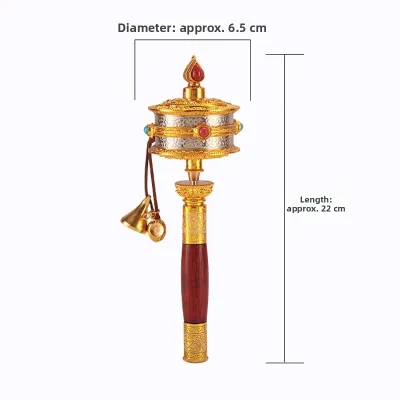

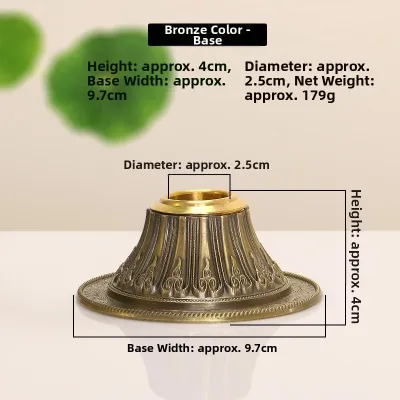
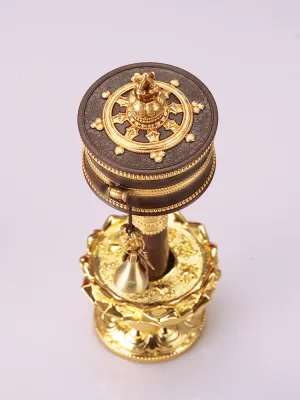
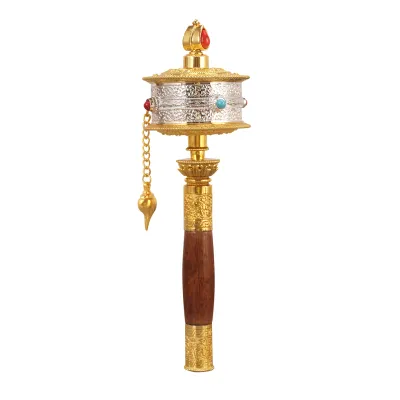
Prices are valid at publication and may change. Please refer to the product page for the latest price.
Because the prayer wheel is a direct representation of the Dharma—the Buddha’s teachings—its physical presence on the altar must be treated with the highest degree of respect. The physical placement of the wheel is not a casual design choice, but a deliberate act of devotion. Placing it correctly ensures that the sacred mantras are honored, and that the energy generated by its rotation flows harmoniously throughout your living space.
Approaching the setup of your prayer wheel requires a state of mindfulness. Every action, from cleaning the altar surface to adjusting the wheel’s height, should be performed with a focused, respectful mind. This intentionality sets a sacred tone for your home, transforming a physical object into a living source of spiritual support and blessing.
Preparing Your Altar Space for the Prayer Wheel
Before introducing a prayer wheel to your home altar, you must carefully prepare the physical environment to ensure it is suitable for sacred objects. Begin by thoroughly cleaning the altar surface, removing any accumulated dust, dirt, or unrelated household clutter. A Buddhist altar should be a dedicated space reserved exclusively for spiritual practice, meaning everyday items like keys, loose change, mail, or electronic devices must never find a temporary home on its surface.

Consider the structural stability of the table, shelf, or cabinet that houses your altar. Prayer wheels, whether manual, water-powered, or electric, involve physical motion that can create minor vibrations over time. If your altar is unstable or prone to wobbling, the continuous spinning of the wheel could cause other sacred items, such as water offering bowls, butter lamps, or delicate porcelain statues, to shift or vibrate. Ensure the furniture is robust, level, and securely positioned against a solid wall.
Space planning is equally critical when arranging your altar. You must clear a wide enough radius around the prayer wheel so that it can spin freely without obstruction. If the wheel is placed too close to other items, you risk accidentally knocking over statues or spilling offering bowls when reaching to spin it. In Singapore’s typical high-rise apartments, where space is often compact, measuring the clearance beforehand prevents accidental damage and maintains a clean, orderly aesthetic.
Determining the Correct Physical Placement
Properly positioning the prayer wheel requires an understanding of sacred hierarchy and spatial balance. Every object on a Buddhist altar has a specific role, and their physical arrangement reflects their spiritual significance.
Setting the Proper Height and Elevation
The vertical placement of sacred objects is one of the most fundamental rules of Buddhist altar design. All holy items, including the prayer wheel, must be positioned well above waist level to demonstrate respect. Placing a prayer wheel directly on the floor, on a low coffee table, or on a shelf where people frequently sit or stand above it is considered highly disrespectful.
While the prayer wheel must be elevated, it should not overshadow the primary objects of refuge on your altar. The highest point of your altar must always be reserved for the main Buddha statue or representation of the enlightened mind. The prayer wheel should be placed slightly lower than or level with the base of the main statue, ensuring a clear spiritual hierarchy.
If your altar table is low, you can use a small wooden riser, a dedicated pedestal, or a decorative fabric-covered stand to elevate the wheel to an appropriate height. Elevating the wheel also makes it more comfortable to reach and spin during your daily practice, preventing you from having to bend down awkwardly.
Positioning Relative to the Main Deity and Sacred Texts
Traditionally, the horizontal arrangement of a home altar follows a specific sequence of representation: the Buddha’s body (statues), speech (sacred texts and prayer wheels), and mind (stupas). When facing the altar, the prayer wheel is ideally placed on the right-hand side of the main Buddha statue (which is the left side from the practitioner’s perspective). This placement aligns with traditional monastic layouts and respects the flow of sacred energy.
Avoid placing the prayer wheel directly in front of the main deity, as this blocks the view of the Buddha’s face and creates a cluttered appearance. The central space directly in front of the primary statue should remain open for traditional offerings, such as water bowls, flowers, incense burners, and fruit plates. The prayer wheel should sit comfortably to the side, acting as a supportive spiritual instrument rather than a central obstruction.
For smaller, compact home altars common in Singapore’s HDB flats, space constraints might make a wide horizontal layout difficult. In such cases, it is entirely acceptable to place the prayer wheel on a separate, dedicated side table adjacent to the main altar. The key is to maintain a clean, dedicated, and uncluttered corner where the wheel can be accessed and spun without disrupting the central offering vessels.
Mastering the Correct Rotational Orientation and Technique
The physical act of spinning a prayer wheel is a form of active meditation, and it must be executed with precise technique and correct intentionality.
The Absolute Rule of Clockwise Rotation
The most critical rule of operating a prayer wheel is that it must always be spun in a clockwise direction. From a top-down perspective, the wheel should turn in the direction that the hands of a clock move. This clockwise motion symbolizes the path of the sun across the sky and mimics the traditional circumambulation (walking around) of sacred stupas and temples.
Spinning the wheel clockwise releases the energy of the enclosed mantras in their correct reading order, sending blessings outward into the universe. Conversely, spinning a prayer wheel counterclockwise is considered highly inauspicious and disrespectful, as it symbolically reverses the teachings and disrupts the spiritual flow. If you or a visitor accidentally spin the wheel counterclockwise, stop it gently, take a mindful breath, and resume spinning it in the correct clockwise direction while reciting a purification mantra to restore focus.
Physical Technique and Mindful Operation
When turning a manual prayer wheel, use a gentle, smooth, and continuous motion. Avoid spinning the wheel with excessive force, erratic jerks, or at high speeds, as this can wear down the internal bearings and shows a lack of mindfulness. The rotation should be steady and rhythmic, reflecting a calm and centered state of mind.
For electric prayer wheels, which are increasingly popular in modern homes, verify that the internal motor is designed to rotate exclusively in a clockwise direction. Before plugging in the device, check the manufacturer’s technical specifications and ensure the power adapter is compatible with Singapore’s 230V electrical system. Look for models that carry recognized safety certifications, such as the Enterprise Singapore Safety Mark, to prevent electrical hazards or overheating during continuous operation.
Synchronizing Movement with Mental Practice
Spinning a prayer wheel is not a mechanical chore; it is a holistic spiritual practice. As your hand guides the wheel in its clockwise path, try to synchronize the physical movement with your mental focus. Visualize brilliant light radiating from the wheel, purifying your home and relieving the suffering of all living beings.
Many practitioners find it beneficial to silently or aloud recite the mantra contained within the wheel—such as Om Mani Padme Hum—while it rotates. This practice unites your body (the physical spinning), speech (the recitation of the mantra), and mind (the visualization of light and compassion). When these three aspects are aligned, the spiritual benefit of the prayer wheel is fully realized.
Maintaining and Handling the Prayer Wheel Respectfully
Long-term care and mindful handling are essential to preserve both the physical structure and the spiritual sanctity of your prayer wheel.
Cleaning and Physical Care
Over time, dust and airborne particles can accumulate on the surface of the prayer wheel, especially in Singapore’s humid tropical climate. To clean the exterior, use a soft, dry microfiber cloth to gently wipe away dust. Avoid using wet cloths, harsh chemical cleaners, or liquid detergents, as moisture can seep into the casing and damage the sacred paper scrolls inside or rust the metal bearings.
If your prayer wheel is made of brass, copper, or precious metals, you may occasionally use a small amount of specialized metal polish applied to a cloth, ensuring none of the liquid enters the internal housing. For wooden wheels, a dry cloth or a light application of natural wood wax is sufficient. Always handle the wheel with clean hands, and perform cleaning tasks as an act of devotion rather than a routine chore.
Behavioral Boundaries and Respectful Etiquette
To maintain a high level of respect, establish clear boundaries regarding how the prayer wheel is handled in your household. Never step over a prayer wheel, and do not place mundane items, such as keys, mobile phones, or books, on top of it or its stand. If you need to move the wheel, support it from the base with both hands rather than lifting it carelessly by the top cylinder.
Keep the altar space out of reach of household pets and young children who may not understand the sacred nature of the wheel and might treat it as a toy. Educating family members about the significance of the wheel fosters a shared environment of mindfulness and respect within the home.
Addressing Physical Damage or Wear
If the internal mechanism of your prayer wheel becomes stiff, squeaky, or fails to spin smoothly, refer to the manufacturer’s care instructions for lubrication. A tiny drop of sewing machine oil or specialized synthetic lubricant applied to the central spindle can often resolve the issue. Never force a stuck wheel to spin, as this can tear the paper mantras inside.
In the event that the prayer wheel is severely damaged beyond repair, or if the internal mantras are compromised, do not simply discard it in the household trash. In Buddhist tradition, damaged sacred items should be treated with ongoing respect. Consult a local temple or a qualified spiritual teacher for guidance on traditional, respectful disposal methods, which often involve burning the paper scrolls in a clean, dedicated fire while reciting prayers, or burying the non-combustible parts in a clean, undisturbed location.
Frequently Asked Questions (FAQ)
Can I place a prayer wheel in a bedroom or multi-purpose room?
Yes, you can place a prayer wheel in a bedroom or multi-purpose room if a dedicated altar room is unavailable, which is common in compact apartments. However, you must take extra steps to maintain respect. Position the altar in a quiet, clean corner away from the foot of your bed, ensuring the wheel is never pointed directly at your feet while you sleep. To preserve the sacredness of the space during mundane activities or when sleeping, use a clean, dedicated cloth or a small curtain to cover the altar and the prayer wheel when they are not in active use.
Does the size of the prayer wheel change the placement rules?
No, the core principles of height, clockwise rotation, and respectful handling remain identical regardless of whether you have a large standing wheel, a tabletop model, or a small handheld wheel. Large standing prayer wheels must be placed on a stable, elevated base away from high-traffic walkways to prevent accidental tipping. Small desktop or handheld wheels must still be placed on a clean, elevated altar surface when not in use, and should never be left lying carelessly on ordinary tables, sofas, or the floor.
Community discussion
Share your experience or ask a question. Comments are reviewed before publication.