
Fairy lights transform living spaces by adding layers of soft, localized illumination that enhances the architectural features and mood of a home. Successfully decorating with these versatile lights requires matching the power source, weatherproofing, and physical length of the strand to the specific demands of each room or festive event. Whether you are styling a cozy bedroom nook, lighting up a high-rise balcony, or preparing your home for a festive celebration, a thoughtful approach to installation ensures both a beautiful visual result and a safe environment. By balancing functional lighting with decorative accents, you can create inviting, safe, and visually balanced environments throughout your home.
Choosing the Right Fairy Lights for Your Space
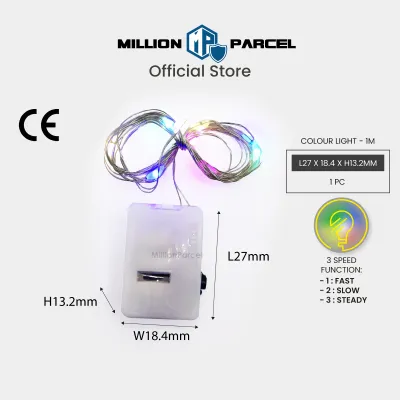
Selecting the right fairy lights begins with understanding the power options available. Battery-operated strands are highly portable and excellent for small, isolated areas like dining table centerpieces, glass cloches, or wreaths where hiding a power cord is difficult. USB-powered lights offer great convenience for study desks, television consoles, or areas where you can easily connect them to a power bank or a standard USB wall adapter. For larger, permanent installations or high-density displays, plug-in options provide a consistent power supply without the worry of fading brightness.
Next, always check the manufacturer’s IP (Ingress Protection) rating label to verify moisture and dust resistance. For indoor dry areas, standard ratings are sufficient, but any semi-outdoor or outdoor placement—such as a balcony or patio—requires verifying the specific IP rating (such as IP44 or higher) to handle humidity, condensation, or rain.
Products mentioned in this guide
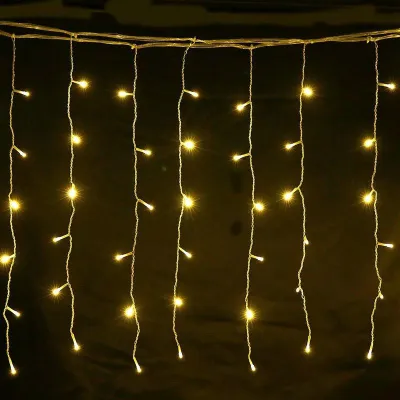
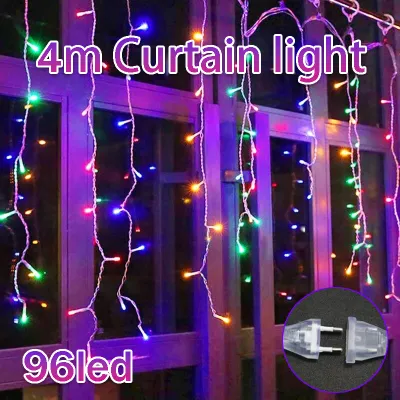
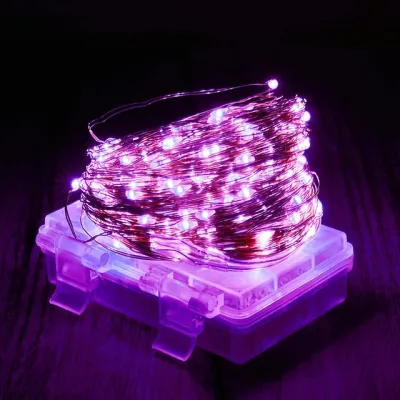
Prices are valid at publication and may change. Please refer to the product page for the latest price.
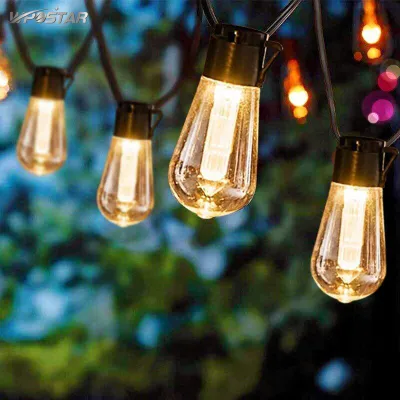
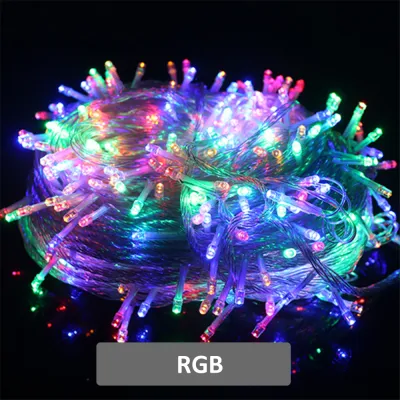
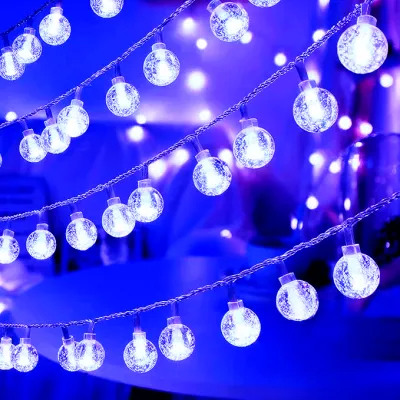
Additionally, consider the wire material and color temperature. Flexible copper wire lights are thin, highly moldable, and blend seamlessly into foliage or delicate decor, while traditional PVC-jacketed cables offer greater durability for heavy-duty use. For color temperature, warm white (typically 2700K to 3000K) creates a cozy, relaxing, and intimate atmosphere, making it ideal for bedrooms and living rooms. Cool white (5000K or higher) offers a crisp, modern look that works well for minimalist designs or high-visibility festive displays, while multicolor options add a playful, dynamic energy suitable for celebrations.
Styling Ideas for Indoor Spaces
Integrating fairy lights into everyday indoor living areas requires a careful balance to avoid overwhelming your primary lighting. The key is to treat fairy lights as accent or ambient lighting rather than relying on them as primary light sources. Layer them alongside functional task lighting, such as reading lamps, pendant lights, or under-cabinet fixtures, to prevent harsh shadows and maintain visual comfort.

Cable management is equally critical for safety and aesthetics. Secure all cables and power cords neatly along baseboards, behind furniture, or along the edges of shelves using damage-free adhesive clips. Ensure all wiring is kept completely clear of high-traffic walking paths to prevent tripping hazards and avoid physical wear on the wire insulation over time.
Bedroom and Headboard Accents
In the bedroom, fairy lights can create a serene, relaxing sanctuary. A popular technique is to drape delicate micro-LED copper wire lights behind a wooden or fabric headboard to cast a soft, indirect glow upward against the wall. Alternatively, you can weave them gently along a canopy frame or hang them vertically behind sheer curtains to create a soft, glowing backdrop. Placing a battery-operated strand inside a clean glass cloche on a bedside table or dresser creates a charming, low-glare accent light.
When installing lights near bedding, always check the manufacturer’s specifications regarding heat emission. Modern LED options run cool, but it is still essential to maintain safe clearances between the light strands and flammable materials such as bedding, heavy curtains, or fabric wall hangings to prevent heat buildup and ensure peace of mind.
Living and Dining Areas
In shared living and dining spaces, fairy lights can highlight architectural features and add warmth to social gatherings. Try wrapping thin fairy lights around curtain rods to frame windows, weaving them through the balustrades of stair railings, or coiling them around the base of large indoor potted plants to highlight natural textures and foliage. For dining tables, run a delicate strand of copper wire lights along a table runner or weave it through a central floral arrangement to create an intimate dining atmosphere.
To make these setups more practical, opt for dimmable fairy lights or connect your plug-in strands to smart plugs. This allows you to adjust the brightness levels easily to match different times of the day, transitioning from a bright family dinner to a relaxed evening movie night with a simple voice command or mobile app adjustment.
Transforming Outdoor and Semi-Outdoor Areas
Decorating balconies, patios, and open-air gardens requires strict attention to weather exposure and structural limits, especially in humid or rainy tropical climates. Before installing any lights outdoors, verify the product’s weather-resistance specifications on the packaging. Ensure the entire assembly, including the plug, extension cords, and any controller box, is rated for outdoor use before exposing it to the elements.
Route cables carefully along the edges of balcony railings or walls to avoid creating trip hazards. Keep all electrical connections, plugs, and extension sockets elevated off the ground and shielded from potential standing water or heavy rain runoff. Using weatherproof junction boxes is an effective way to protect outdoor plugs from moisture.
When securing the light strands, use plastic mounting clips, adhesive hooks rated for outdoor surfaces, or UV-resistant zip ties. Avoid using metal staples, nails, or tacks that could pierce or damage the protective wire insulation, which poses a severe electrical and shock hazard when exposed to moisture.
Adapting Fairy Lights for Festive Occasions
Fairy lights are incredibly versatile and can easily transition from everyday decor into seasonal displays. During festive periods like Lunar New Year, Mid-Autumn Festival, or year-end holidays, you can combine your lights with traditional decorative elements. Try weaving warm white or multicolor lights through pine garlands, wrapping them around festive wreaths, or draping them alongside traditional lanterns and floral arrangements.
For high-visibility holiday displays, use flexible copper wire lights to shape custom motifs, such as stars, crescent moons, or geometric patterns, directly on walls or window frames. Secure them with temporary, damage-free adhesive clips to ensure they are visible from both inside and outside the home, adding to the neighborhood’s festive cheer.
Once the celebrations are over, proper storage is key to ensuring the longevity of your lights. Untangle the strands carefully and wrap them around a sturdy piece of cardboard, a plastic hanger, or a dedicated plastic spool to prevent knotting. Store them in a cool, dry place away from direct sunlight to prevent the wire insulation from becoming brittle or damaged before the next festive season.
Safety and Installation Essentials
Safe installation should always be your top priority when working with decorative lighting. Always check the maximum wattage and voltage limits specified by the manufacturer on the product label. Avoid daisy-chaining multiple light strands together unless the product instructions explicitly state it is safe to do so, as overloading the circuit can lead to overheating and potential electrical hazards.
Keep all non-submersible fairy lights well away from water sources, such as sinks, pools, or open outdoor areas prone to pooling water. Only use lights explicitly certified for submersion if you plan to place them inside water features, vases, or outdoor ponds.
Finally, recognize the limits of DIY installation. For complex setups involving fixed wiring, mounting lights on high exterior walls, or installing electrical systems in highly damp environments, stop and consult a qualified electrician. A professional installer ensures compliance with local electrical safety standards and guarantees a secure, long-lasting setup.
Frequently Asked Questions (FAQ)
Can I leave fairy lights on all night?
Modern LED fairy lights generally run much cooler than older incandescent bulbs, reducing the risk of heat buildup during extended use. However, to conserve energy, preserve battery life, and minimize any residual risk, it is highly recommended to use built-in timers, smart plugs, or automated shut-off schedules rather than leaving them running continuously overnight.
How do I calculate the length of fairy lights I need?
Start by measuring the linear distance of the area you plan to decorate, such as the perimeter of a headboard or the length of a balcony railing. Add an extra 10% to 20% to your measurement to account for draping slack, wrapping around objects, and reaching the nearest power outlet. Additionally, check the bulb spacing on the product label; closer bulb spacing provides a denser, brighter glow, while wider spacing offers a more subtle, scattered effect.
Community discussion
Share your experience or ask a question. Comments are reviewed before publication.