
Transforming your HDB or condominium balcony into a warm, festive retreat with Christmas decorations is one of the most rewarding ways to celebrate the holiday season in Singapore. Fairy lights offer a versatile, cost-effective method to add a cozy glow to your outdoor living space, creating a perfect backdrop for evening relaxation or festive gatherings. However, executing this safely and beautifully in a tropical climate requires careful planning, the right equipment, and an understanding of local building guidelines.
To achieve a stunning and secure display, you must select lights that can withstand high humidity and sudden downpours, use damage-free mounting techniques that respect your property rules, and manage your power connections with safety as the top priority. This guide will walk you through every step of planning, choosing, installing, and maintaining your festive balcony lighting.
Assess Your Balcony Space and Building Guidelines
Before purchasing any holiday lighting, it is essential to evaluate your specific balcony environment and understand the regulatory boundaries of your residence. HDB flats and private condominiums have distinct rules regarding external modifications, and complying with these guidelines ensures a hassle-free holiday season.
Products mentioned in this guide
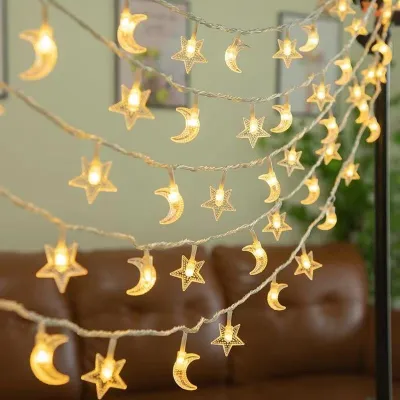
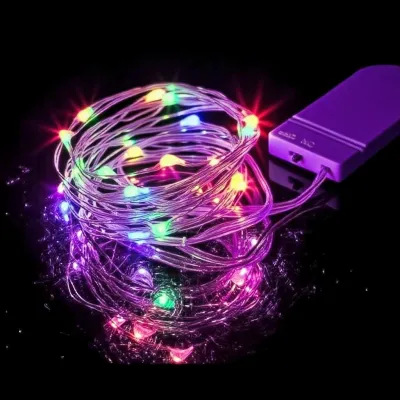
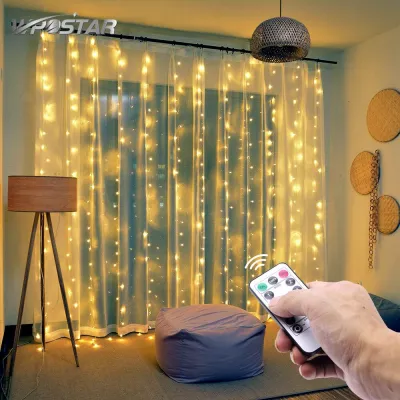
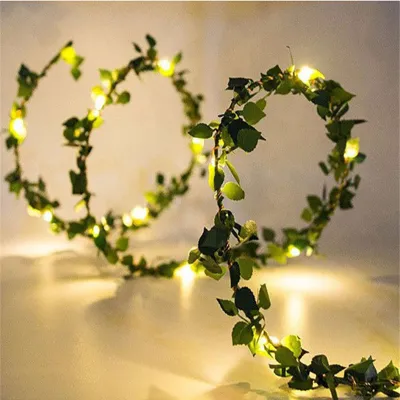
Prices are valid at publication and may change. Please refer to the product page for the latest price.
Begin by measuring the usable perimeter of your balcony where you plan to install the lights. Use a reliable measuring tape to record the lengths of your railings, ceiling edges, and window frames. Having precise measurements prevents the frustration of buying light strands that are too short or excessively long, which can lead to messy, overlapping wires.
Next, identify the location of your electrical outlets. If your balcony has an existing outdoor socket, check its proximity to your planned layout. If you do not have an outdoor outlet, you will need to measure the distance from your balcony layout to the nearest indoor power source. Plan the exact path an extension cord would take, ensuring it can pass through the balcony door frame without being pinched or creating a tripping hazard for your household.
Understanding building guidelines is crucial for both HDB residents and private condo owners. For HDB flats, Town Council regulations generally dictate that decorations must not extend beyond the building facade, obstruct common walkways, or pose a falling hazard to passersby below. For private condominiums, Management Corporation Strata Title (MCST) by-laws often have strict rules regarding the appearance of the building’s exterior. Ensure your decorations are kept strictly within your balcony’s boundary and do not alter the uniform look of the development.
Finally, keep in mind the strict prohibition against drilling into exterior walls, structural beams, columns, or balcony glass panels. In almost all Singaporean residential developments, drilling into these surfaces is unauthorized. It can damage structural integrity, compromise the building’s waterproofing membranes, and lead to costly water leakage issues that you would be liable to repair.
Choose the Right Fairy Lights for Singapore Balconies
Selecting the appropriate fairy lights involves matching the product’s specifications to your balcony’s layout and Singapore’s unique weather conditions. The right choice ensures long-lasting performance and eliminates safety risks associated with electrical setups in semi-outdoor spaces.

Compare Power Sources: Plug-in, Battery, and Solar
Plug-in fairy lights are highly reliable and offer consistent brightness throughout the night, making them a popular choice for balconies with dedicated outdoor weatherproof sockets. When opting for plug-in models, verify that they are compatible with Singapore’s standard voltage of 230V at 50Hz. Because they draw power directly from the grid, they do not suffer from dimming over time, but they do require tidy cable management to keep your balcony safe and clutter-free. For long-term holiday displays, plug-in options remain the most practical choice as they maintain their full luminosity without fading.
Battery-operated lights provide excellent flexibility and are completely cord-free, making them ideal for wrapping around railings or decorating areas far from electrical outlets. They eliminate the need to run extension cords across your living room floor. However, Singapore’s high humidity can cause battery compartments to corrode quickly if they are not properly sealed. Additionally, you should consider the ongoing cost of replacement batteries and choose models equipped with built-in timers to conserve power. Utilizing rechargeable NiMH or Li-ion batteries is a more sustainable and cost-effective choice for Singapore households looking to minimize waste.
Solar-powered lights are an eco-friendly option well-suited for open, unshaded balconies that receive ample sunlight during the day. However, many HDB and condo balconies are recessed or shaded by the floors above, which limits their exposure to direct sunlight. Furthermore, the year-end festive season in Singapore coincides with the northeast monsoon, which often brings continuous overcast skies and heavy rain for days. If your solar panel does not receive at least six to eight hours of direct, unshaded sunlight daily, the lights will dim quickly or fail to turn on at night, making them less reliable than plug-in or battery alternatives.
Check Weather Resistance and Safety Certifications
When shopping for outdoor christmas decorations, verifying the Ingress Protection (IP) rating is the most reliable way to ensure your lights can handle the elements. An IP rating consists of two digits: the first indicates protection against solid objects, while the second indicates protection against liquids. For sheltered balconies that are protected from direct rain but still exposed to wind-blown moisture and high humidity, lights with a minimum rating of IP44 are recommended. For fully open balconies that experience direct exposure to heavy tropical downpours, you must use lights rated IP65 or higher to prevent water ingress and electrical short circuits.
For all plug-in fairy lights and power adapters used in Singapore, look for the local Safety Mark on the product packaging or the transformer itself. The Safety Mark indicates that the electrical appliance has been tested and certified by local authorities to meet strict safety standards, minimizing the risk of electrical fires or shocks. This mark contains a unique registration number that can be verified, ensuring the product is fully compliant with local electrical grid requirements. Avoid purchasing unbranded electrical goods from unregulated online marketplaces that lack this essential certification.
Never use strictly indoor-rated fairy lights on a balcony, even if the space is fully sheltered by a deep overhang. Singapore’s relative humidity frequently exceeds 80% to 90%, especially during the year-end monsoon season. Indoor-rated lights lack the robust insulation and moisture seals required to withstand this level of dampness, and using them outdoors poses a severe safety hazard, including the risk of electrical shocks or short circuits.
Gather Damage-Free Tools and Mounting Supplies
To install your holiday lights securely without causing permanent damage to your rental property or home exterior, you must gather the right mounting accessories. Using the correct tools preserves your balcony’s surfaces and ensures your decorations remain firmly in place even during strong winds.
Before installing any lighting fixtures or mounting accessories, always check the applied product’s label and the treated item’s manufacturer instructions. If instructions conflict, the item is unidentified, or the use is not covered, stop and consult the manufacturer or a qualified professional.
For metal railings and balustrades, UV-resistant nylon zip ties are highly effective. They secure the light wires tightly without scratching the powder-coated finish of the metal or requiring any adhesive. For glass balcony panels, heavy-duty suction cups equipped with plastic hooks offer a clean, reliable hold that can be adjusted easily without leaving any residue. For painted walls or ceiling edges, look for outdoor-rated adhesive hooks designed specifically to withstand high humidity and temperature fluctuations without losing their grip. Standard indoor adhesive strips will quickly fail under Singapore’s humid conditions, causing your lights to fall and break.
Avoid using nails, screws, metal staples, or hot glue guns on your balcony surfaces. Nails and screws can crack ceramic floor or wall tiles, chip concrete, and puncture underlying waterproofing layers, leading to expensive structural leaks. Staples can easily pinch and cut through the thin protective insulation of fairy light wires, creating an immediate shock hazard. Hot glue can melt or warp plastic coatings and is incredibly difficult to clean off painted walls or powder-coated metal frames.
To ensure a smooth installation process, gather all your supplies before you begin. Your toolkit should include a measuring tape, scissors or wire snips to trim the excess ends of zip ties, outdoor-rated adhesive cable clips to route wires neatly, and a weatherproof outdoor extension lead if you need to bring power from an indoor socket.
Step-by-Step Installation Guide for Your Balcony
With your space assessed, lights selected, and tools gathered, you are ready to begin the installation process. Following a systematic approach ensures your display is visually appealing, structurally secure, and electrically safe.
Step 1: Measure and Plan Your Lighting Layout
Start by sketching a simple bird’s-eye view or front-facing diagram of your balcony space. Decide on your primary focal points: you might choose to weave the lights through the vertical bars of your railing, drape them in elegant swags along the top edge of the balustrade, or outline the frame of your sliding glass doors to create a beautiful framing effect from both inside and outside the apartment.
When calculating the total length of lights needed, always add a 10% to 15% buffer to your final measurements. This extra length accounts for the natural slack or draping of the wires, wrapping around posts, navigating corners, and the distance required to reach your power source without putting tension on the cable. A tight, strained wire is more susceptible to damage and can pull mounting hooks off the wall.
Step 2: Test the Lights Before Hanging
Before you spend time mounting hooks and hanging wires, perform a complete operational check of your fairy lights. Unroll the light strands fully on a dry indoor floor and plug them into a power outlet or insert fresh batteries.
Inspect the entire length of the wire for any signs of damage, such as frayed insulation, exposed copper, or cracked bulb casings. Turn the lights on and let them run for a few minutes to ensure there are no dead bulbs, flickering sections, or faulty control boxes. Testing your lights beforehand saves you the immense frustration of having to dismantle a fully installed display to troubleshoot a defective strand.
Step 3: Secure the Lights Without Damaging Surfaces
When attaching your lights to metal or glass balustrades, loop a UV-resistant zip tie around the railing and the main wire of the light strand. Pull the zip tie until it is snug enough to hold the wire firmly in place against wind gusts, but avoid overtightening it, as excessive pressure can crush the wire insulation and damage the internal copper conductors. Use scissors or wire snips to cut off the protruding plastic tails of the zip ties for a clean, professional finish.
For glass balustrades, which are common in modern condominiums, apply suction cups with hooks to secure the lights. Clean the glass surface thoroughly with glass cleaner or rubbing alcohol to remove any grease. Press the suction cup firmly against the glass to expel all air and create a strong vacuum seal. This method supports the weight of the lights safely without leaving any permanent marks.
For painted walls or ceiling edges, prepare the surface by wiping it down with isopropyl alcohol to remove any accumulated outdoor dust, grease, or grime. Allow the surface to dry completely before applying the outdoor adhesive hooks. Press the adhesive strip firmly against the surface for at least 30 seconds to ensure a strong bond. It is critical to let the adhesive cure according to the manufacturer’s instructions—often requiring several hours—before hanging the weight of the lights onto the hooks.
As a safety precaution, never wrap fairy lights tightly around sharp metal corners or brackets that could cut into the protective wire casing over time. Additionally, ensure that no part of your lighting display is positioned near heat-generating appliances, such as outdoor air-conditioning condensers, clothes dryers, or balcony barbecue grills, as extreme heat can melt the plastic components and pose a fire hazard.
Step 4: Manage Cables and Power Connections Safely
Keep your balcony safe and accessible by routing all electrical cables neatly along the base of walls, door frames, or behind outdoor furniture. Use adhesive cable clips to secure loose wires flush against surfaces, preventing them from becoming tripping hazards for family members or guests walking onto the balcony.
Never allow plug connections, power adapters, or extension sockets to sit directly on the balcony floor where rainwater can pool during a sudden downpour. Elevate these connections by mounting them to a wall or railing post using zip ties, or place them inside a dedicated, IP-rated weatherproof electrical enclosure. These protective boxes seal the plugs away from moisture while allowing the cables to exit safely through rubberized ports.
If you are running an extension cord from an indoor socket to the balcony, take care not to pinch the cable when closing the sliding glass doors. A pinched cable can compromise the insulation and expose live wires. To prevent rainwater from traveling along the extension cord into your home, create a “drip loop” by letting the cable sag slightly below the level of the door entry point before routing it indoors. Any water running along the wire will pool and drip off the bottom of the loop outside rather than entering your living room.
Safety Precautions and Post-Holiday Storage
Maintaining safe operating habits during the festive season and storing your decorations properly afterward will protect your investment and ensure your fairy lights remain safe to use for many holidays to come.
To prevent overheating and conserve electricity, avoid leaving your fairy lights running continuously. Turn them off when you leave the apartment or go to sleep. A highly convenient way to manage this is by connecting your lights to a smart outdoor plug or a mechanical timer, allowing you to automate a schedule where the lights turn on at sunset and switch off automatically at midnight.
Perform periodic visual inspections of your balcony lighting setup throughout the holiday season, especially after the heavy afternoon downpours common during the year-end monsoon. Look for loose mounting hooks, sagging wires, or signs of moisture inside connection points. If you notice any flickering, unusual smells, or visible damage to the wires, unplug the power source immediately and inspect the system once it is completely dry.
When the holiday season comes to an end, take down your decorations with care to avoid damaging your home’s finishes. To remove adhesive hooks from painted walls without peeling the paint or leaving a sticky residue, use a hairdryer on a low-to-medium heat setting to gently warm and soften the adhesive backing. Once warmed, pull the release tab slowly parallel to the wall to release the hook cleanly.
Proper storage is key to preventing your fairy lights from becoming a tangled, unusable mess by the next holiday season. Wrap each strand of lights carefully around a sturdy piece of cardboard or a dedicated plastic light spool. Store the wrapped lights in a dry, airtight plastic container, and toss in a few packets of silica gel to absorb any lingering humidity. Keep the container in a cool, dark place inside your home to protect the plastic wiring from degrading due to heat, moisture, and pests.
Frequently Asked Questions (FAQ)
Can I attach fairy lights to the exterior walls of my HDB block?
No, you generally cannot attach decorations to the exterior walls of your HDB block. The exterior facade, structural columns, and outer walls of HDB blocks are classified as common property managed by your local Town Council. Drilling, nailing, or mounting permanent or temporary fixtures to these outer surfaces is strictly prohibited as it can damage the building’s external insulation, compromise waterproofing, and create falling hazards. You should keep all your Christmas decorations, including fairy lights and mounting accessories, strictly within the internal boundary of your balcony space.
How do I protect plug-in fairy lights from rain on an open balcony?
To protect plug-in fairy lights on an open balcony, you must ensure that all connections are thoroughly sealed against moisture. Start by using lights and cables that carry an IP65 or higher weather-resistance rating. Keep the plug connections, power adapters, and any extension sockets elevated off the floor where water might pool. Place these connections inside a dedicated, IP-rated weatherproof electrical box designed for outdoor use. Avoid using makeshift covers like plastic bags or tape, as these can trap condensation inside, creating a short-circuit hazard.
Community discussion
Share your experience or ask a question. Comments are reviewed before publication.